



Blue Glazed Ceramic Statuette
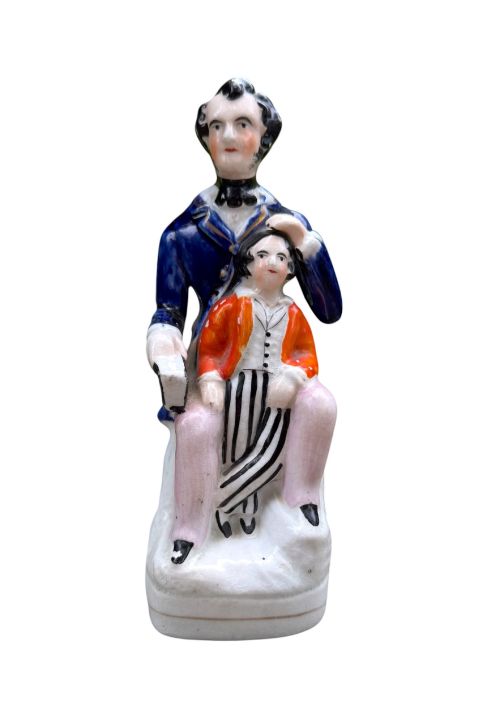
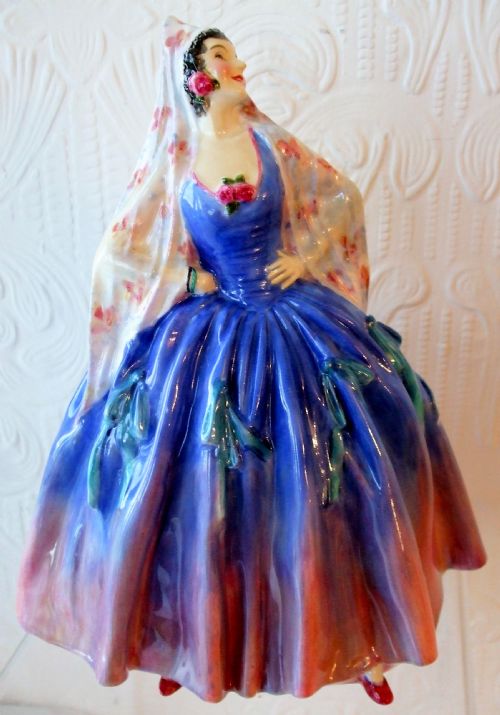
These blue glazed ceramic statuettes bring character to a room, ranging from Staffordshire pottery figures to porcelain groups.
Blue Glazed Ceramic Statuette
When you search for a blue glazed ceramic statuette, you are looking at figures and groups modelled in porcelain and earthenware, often finished with distinctive coloured glazes. The selection on this page includes Staffordshire pottery figures, Victorian flatbacks, and porcelain pairs from English and continental factories.
The forms span from historical and royal portrait subjects to decorative figures and figural table lamps. You will encounter nineteenth-century pieces alongside vintage examples from the twentieth century, reflecting varied tastes in domestic ornamentation.
How they were made
The makers of these statuettes shaped them from ceramic bodies such as porcelain and earthenware, applying glazes and enamel paint to colour the surfaces. Some examples incorporate lead glaze to achieve a glossy finish, while others feature touches of gold leaf.
Modelling and casting techniques varied according to the period and factory, with figures produced by Staffordshire potters, continental makers, and Japanese workshops. Each piece relied on kiln firing to set the ceramic body and fix the decorative glazes and enamels.
Blue Glazed Ceramic Statuette Retail Price Guide 2026
Typical asking prices for blue glazed ceramic statuette among the pieces listed under this phrase on Sellingantiques today, from the lower quarter to the upper quarter. They describe what is for sale here now, not the wider market.
A nineteenth-century group captures the dramatic moment of the capture of an infant triton.
What varies in quality
The application of enamel paint and gold leaf also distinguishes finer pieces from simpler works. Well-defined painting and uniform glaze coverage indicate greater skill in the workshop.
Royal Doulton·Royal Worcester·Meissen·Bloor Derby·Vion and Baury
The Blue Glazed Ceramic Statuette Glossary
- Earthenware
- A porous pottery body fired at lower temperatures than porcelain. It requires a glaze to become waterproof and forms the base for many nineteenth-century figures.
- Porcelain
- A dense, vitrified ceramic fired at high temperatures. It allows for finer detail and a smoother surface than earthenware.
- Flatback
- A style of figure designed to be placed against a wall or mantelpiece, where the rear is unmodelled or only partially finished.
- Lead glaze
- A glossy coating containing lead oxide applied to ceramics before firing. It produces a smooth, reflective surface across the piece.
- Enamel paint
- Vitreous pigments applied over the glaze of a fired ceramic and refired at a lower temperature. It provides bright surface colours on figures and groups.
Blue Glazed Ceramic Statuette: Frequently Asked Questions
How do I clean my ceramic statuette?
Dust the surface gently with a soft, dry brush to prevent the accumulation of dirt in crevices. Avoid using water or chemical cleaners, which can damage delicate enamel paint or gold leaf.
For stubborn dust, a slightly damp cloth may be used on glazed areas only, followed by immediate drying. Take care around unglazed parts of Staffordshire figures.
Where should I display these figures?
Place them on stable surfaces away from direct sunlight, which can fade enamel colours over time. Mantelpieces and enclosed cabinets offer suitable environments for protection.
Ensure figures are positioned out of high-traffic areas to prevent accidental knocks. Flatback pieces sit naturally against walls or the backs of shelves.
How do I tell Victorian figures apart?
Examine the base and the method of construction, as Staffordshire pottery figures often feature unglazed undersides and vent holes. Subject matter such as royal portraits or theatrical characters also points to the Victorian era.
Compare the depth of the modelling and the style of the glaze against known examples from the period. Victorian pieces frequently display hand-painted details over moulded earthenware.
Are these figures fragile?
Ceramic and porcelain statuettes are susceptible to chips and breaks if dropped or handled roughly. Thin extremities like fingers and props require particular care during moving.
Store and display them securely on level surfaces to minimise the risk of accidental falls. Inspect the base for stability before placement.