





Doulton Lady Figurine
A doulton lady figurine brings the character of early twentieth century English porcelain into a room through named character studies.
Doulton Lady Figurine
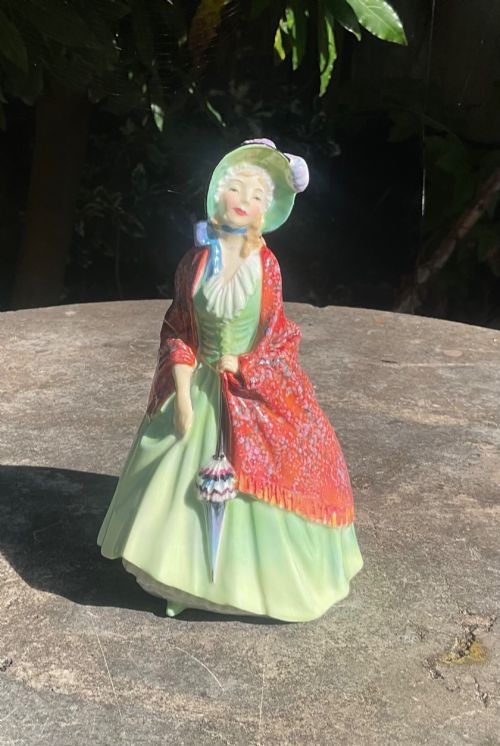
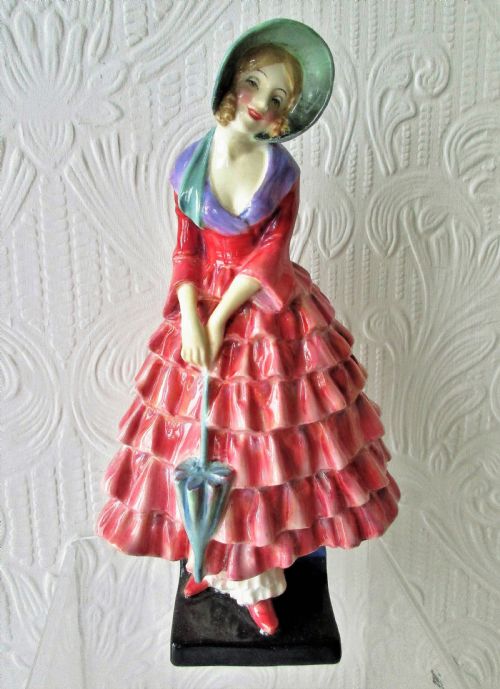
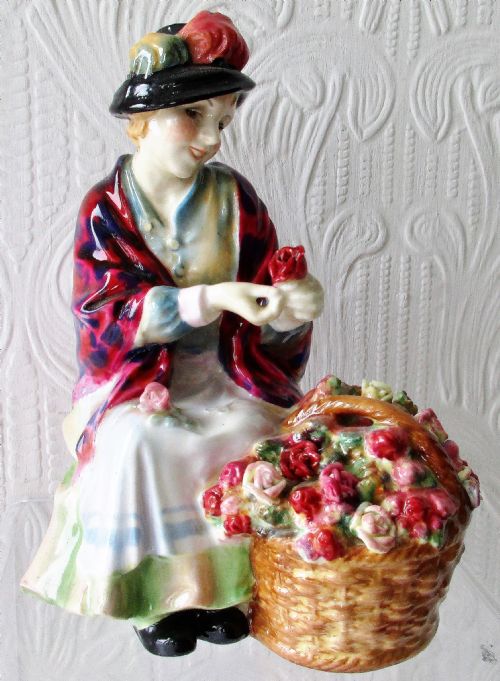
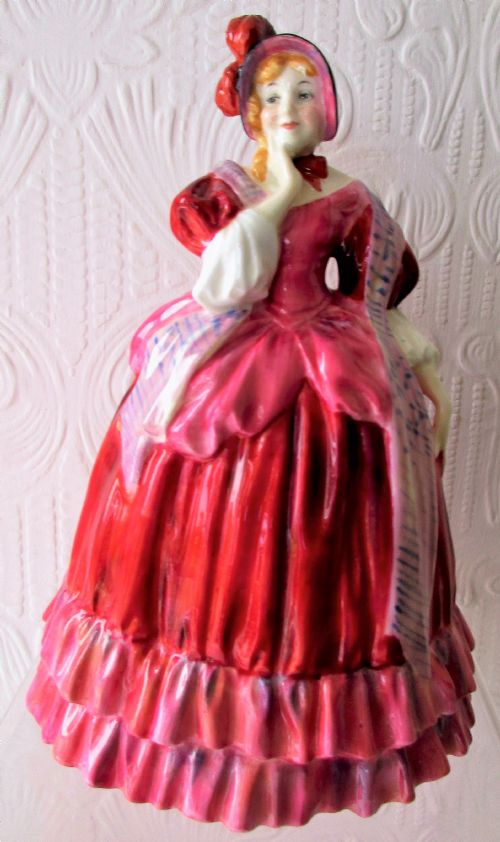
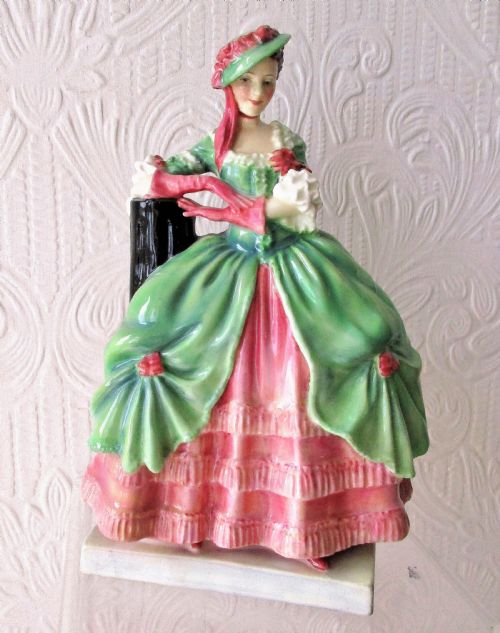
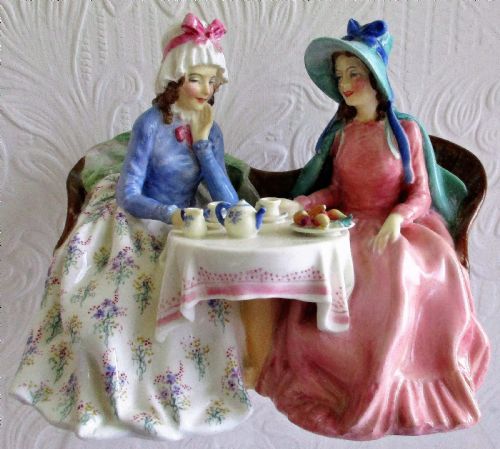
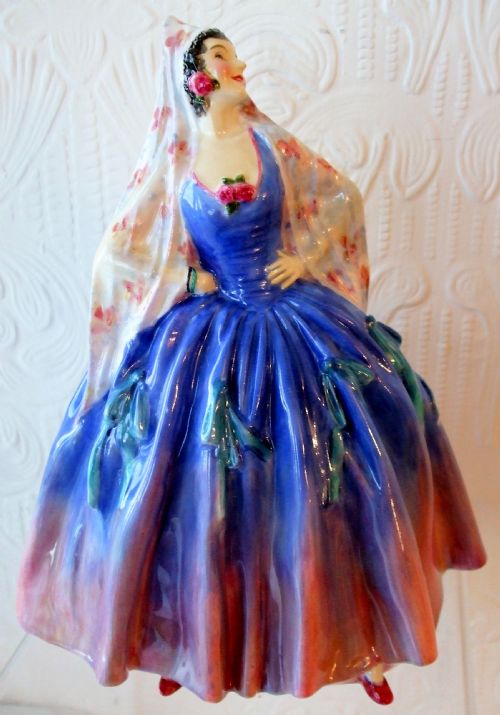
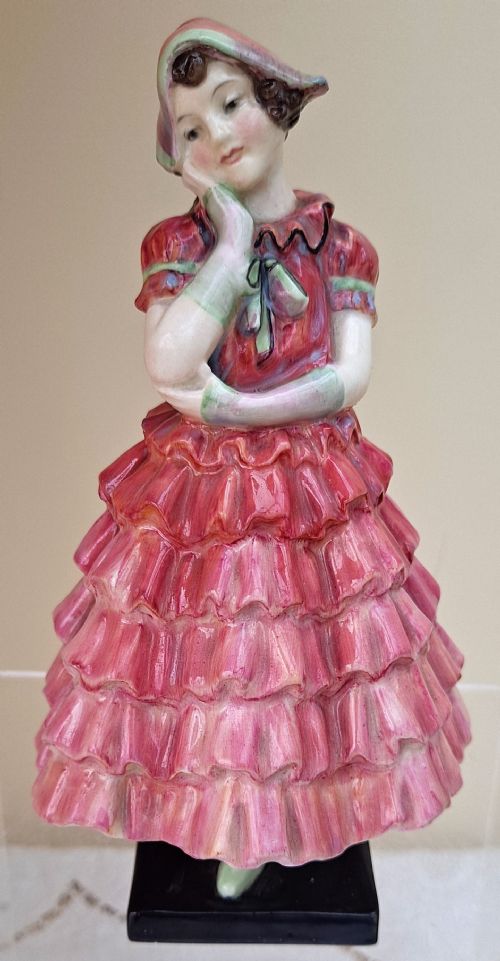
A doulton lady figurine represents a named character study modelled in bone china and porcelain, capturing named subjects like Chloe, Priscilla, and Sweet Lavender. These decorative figurines belong chiefly to the nineteen thirties and nineteen forties, reflecting the prevailing styles of early twentieth century English porcelain production. Collectors searching for a doulton lady figurine encounter specific named pieces carrying individual design numbers.
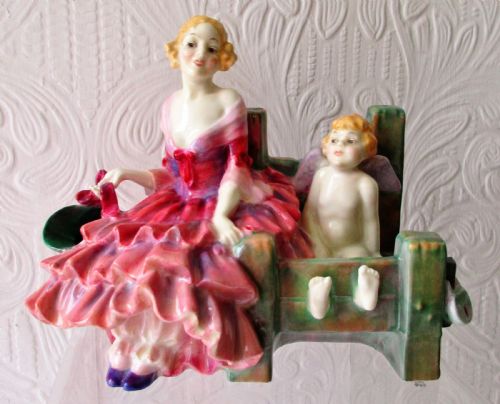
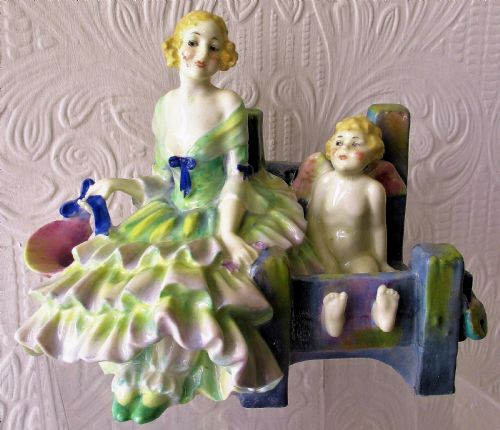
The forms span domestic scenes and historic character portrayals, including pieces such as Quality Street and In the Stocks. Most examples on this page date from the nineteen thirties, maintaining the distinct modelling standards of that decade. Each porcelain figurine records a specific female subject, dressed in period attire ranging from Regency Revival influences to Art Deco tastes.
How They Were Made
The combination of bone china and gloss glaze gives these figures their characteristic surface reflection. Enamel pigments were hand painted onto the fired porcelain body before a final kiln passage fused the colours.
Listings span the nineteen thirties and nineteen forties, utilising bone china, porcelain, and ceramic glaze.
What Varies in Quality
The application of the glaze and the registration of hand painted enamel colours distinguish finer examples from standard production. The preservation of surface detail on intricate elements like shawls and bonnets determines the standing of an individual piece.
Royal Doulton
The Doulton Lady Figurine Glossary
- Bone China
- A type of soft paste porcelain incorporating bone ash, providing strength and a bright white body suitable for detailed figurines.
- Ceramic Glaze
- A vitreous coating applied to biscuity fired porcelain, melted in a kiln to form a smooth and protective surface.
- Enamel
- Low melting point coloured glass fused onto the glazed surface of the porcelain during a secondary firing.
- Regency Revival
- An architectural and decorative style drawing inspiration from the British Regency period, seen in the costume details of certain figures.
- Art Deco
- A design movement prevalent in the interwar years, influencing the geometric patterns and stylised forms found on select pieces.
Doulton Lady Figurine: Frequently Asked Questions
What periods do these figurines date from?
The pieces seen here date primarily from the nineteen thirties and nineteen forties. This era encompasses distinct design phases within early twentieth century English ceramics.
Production methods remained consistent across these decades, though specific character models were introduced in particular years.
How do I identify a specific character?
Each figurine carries a titled name such as Chloe or Priscilla marked alongside an HN number. These numbers correspond to factory records identifying the specific model and its introduction year.
Examining the base often reveals both the character title and the individual HN registration code.
Are these pieces part of a series?
Many figures were issued as individual character studies rather than rigid sets, though certain themes group them together. Names like Quality Street and Afternoon Tea reflect literary and social inspirations of the period.
Each model stands as a distinct sculptural work released under its own unique design number.