

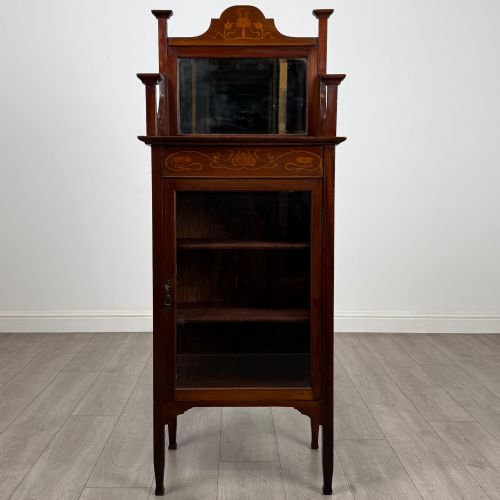
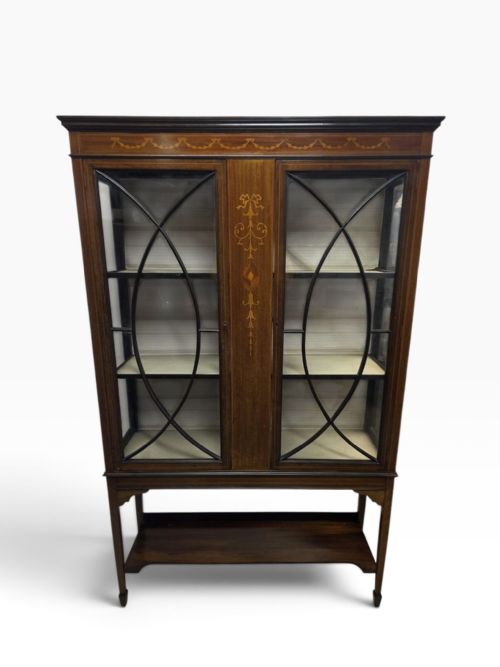
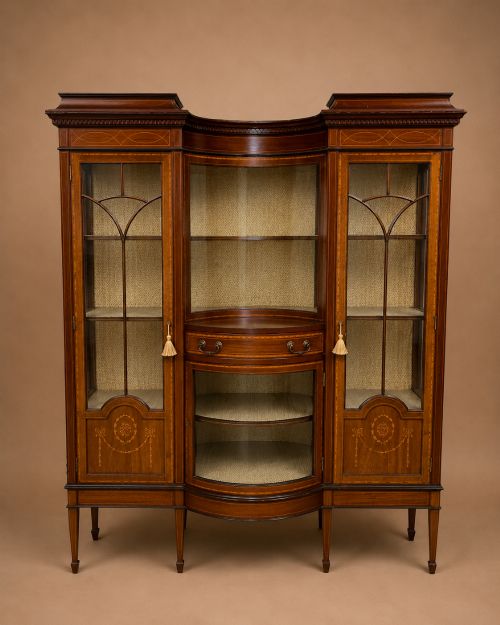
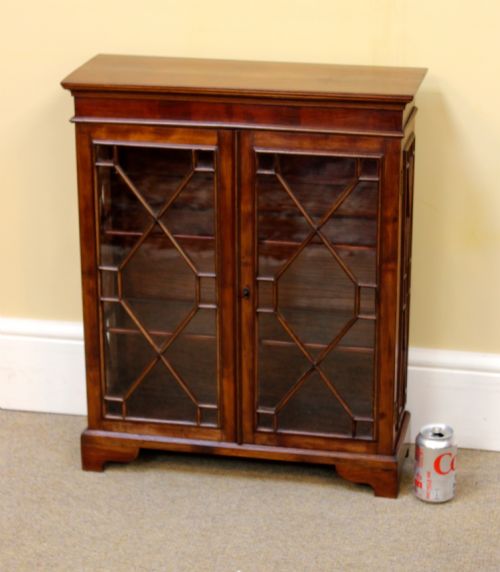
Glazed Mahogany Display Case
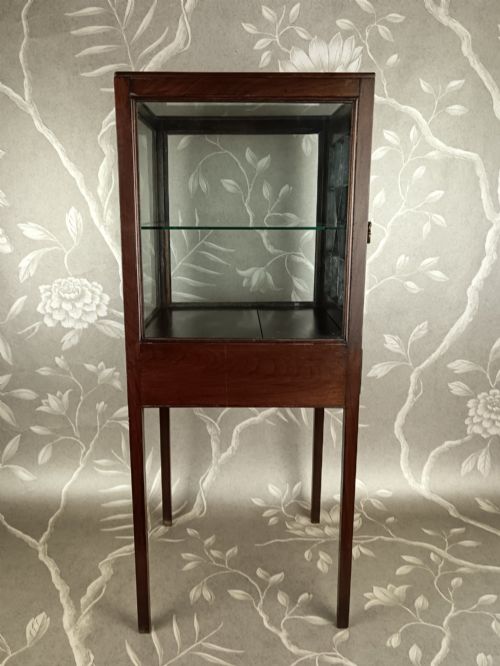
A glazed mahogany display case brings together rich cabinet timber and clear glass to showcase treasured objects in the home.
Glazed Mahogany Display Case
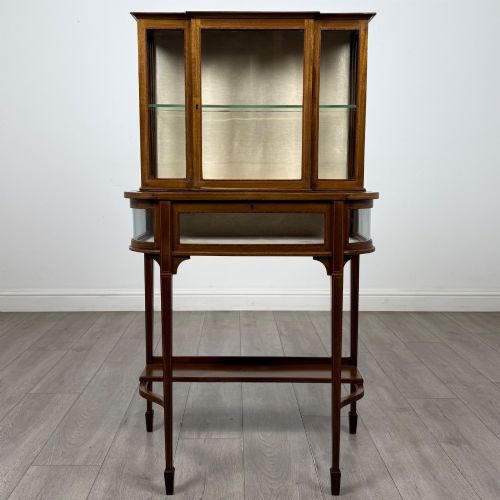
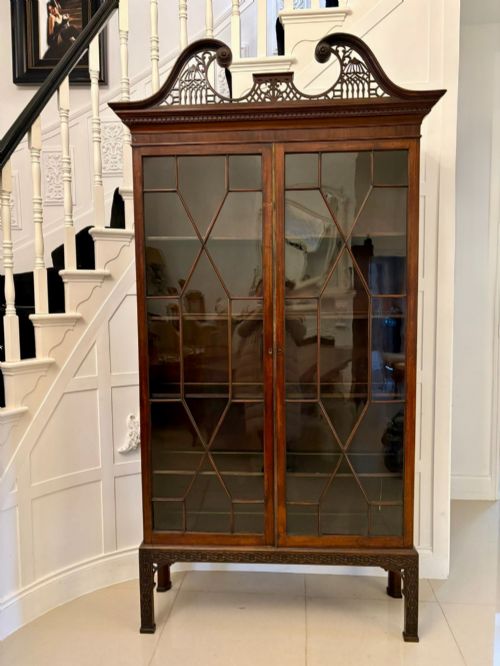
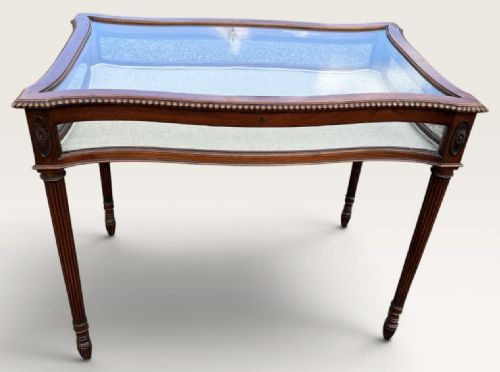
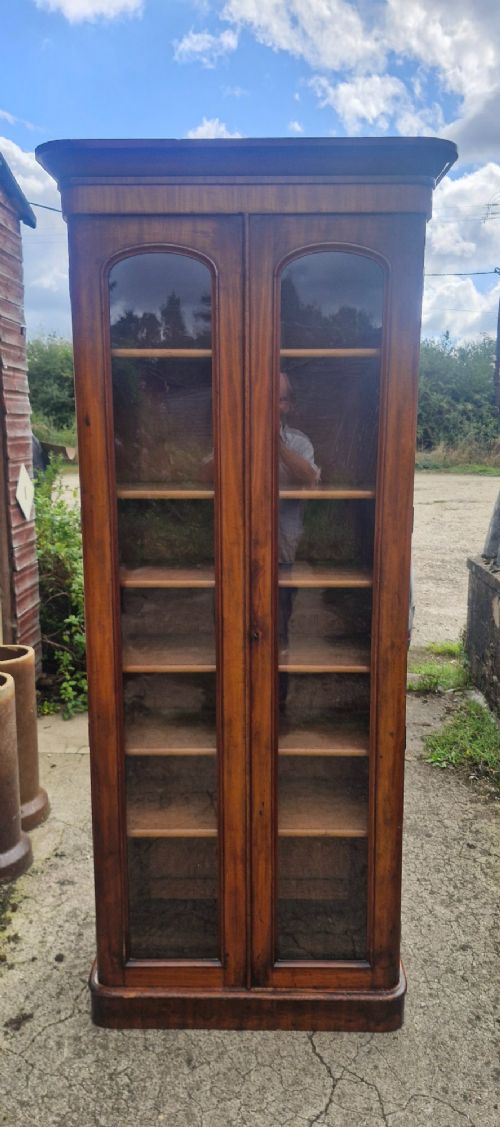
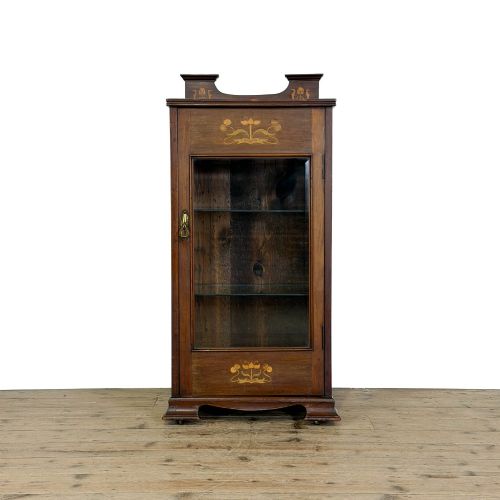
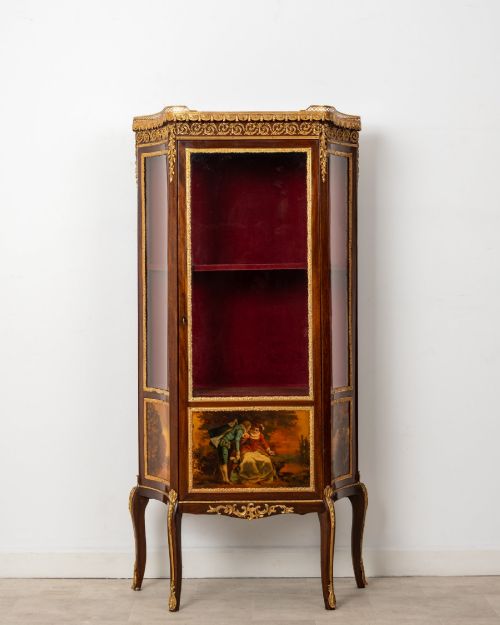
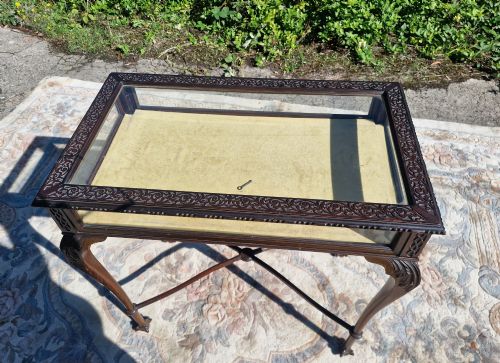
A glazed mahogany display case serves to protect and exhibit fine possessions, combining timber framework with transparent panels. Buyers searching this phrase encounter tall freestanding bookcases, narrow corner cabinets, and low tabletop bijouterie pieces.
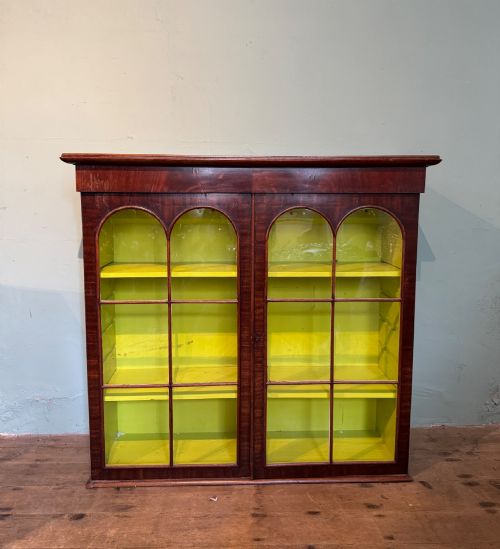
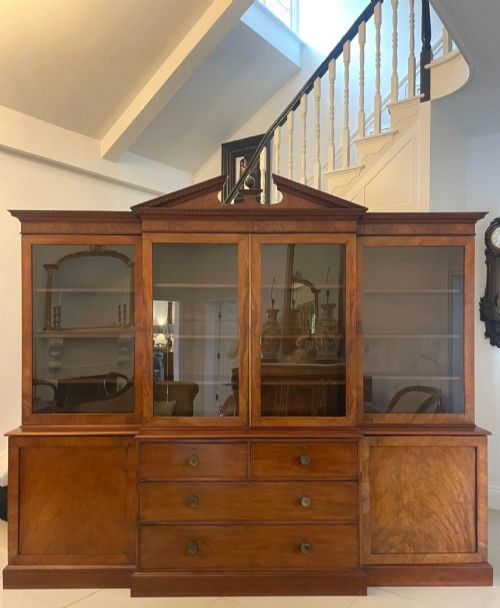
The pieces on this page span several periods, originating most frequently from the Georgian, Victorian, and Edwardian eras. Forms range from simple wall-hanging units and small miniature cabinets to large breakfront library bookcases.
Origins vary from domestic household furniture to retail shop display cabinets designed for commercial counters. Many incorporate lower wooden cupboards or drawers beneath the upper glazed shelving sections.
Materials and construction methods
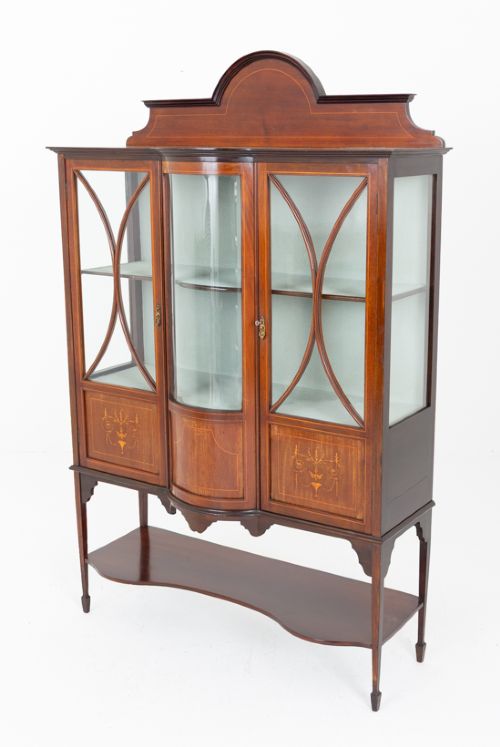
Makers built the primary structures from solid mahogany, frequently embellishing surfaces with satinwood inlay or marquetry details. Glass panels were secured within wooden frames, often using astragal bars to form geometric window patterns.
Interiors frequently featured adjustable wooden or glass shelving to accommodate items of varying heights. Brass hardware, velvet linings, and mirrored backs completed the interior presentation of the display spaces.
Certain specialised cabinets were built solely to house Victorian insect collections.
Factors determining the standard of pieces
The choice of timber grain defines much of the visual appeal, with flamed mahogany and fine satinwood inlay marking higher grades of cabinet work. The precision of the glazing bars and the weight of the glass indicate the care taken during manufacture.
Proportion and architectural detail separate standard utility furniture from finer items, particularly in breakfront forms and pieces featuring painted decoration or gilt metal mounts.
EDWARDS and ROBERTS
The Glazed Mahogany Display Case Glossary
- Astragal
- Wooden glazing bars that divide a glass window into smaller panes. They form delicate geometric patterns across the door fronts.
- Bijouterie
- A low table or cabinet with glass panels designed for displaying small precious objects and jewellery. These pieces often feature hinged lids and velvet interiors.
- Breakfront
- A cabinet design where the central section projects forward from the flanking wings. This architectural arrangement adds depth and formal presence to large bookcases.
- Marquetry
- Decorative woodwork where pieces of contrasting veneer are applied to form patterns. It frequently appears on Edwardian cabinet doors and friezes.
- Vitrine
- A glass-sided cabinet used for exhibiting porcelain and curiosities. The term originates from the French word for glass.
Glazed Mahogany Display Case: Frequently Asked Questions
What items go inside a display case?
These cabinets traditionally house collections of porcelain, glassware, books, and small curiosities. The inclusion of adjustable shelving allows for the arrangement of objects of varying heights.
Tabletop bijouterie versions are specifically suited for flat items, medals, and smaller decorative pieces placed beneath glass.
How do I date a mahogany cabinet?
Dating relies on observing construction methods, timber characteristics, and prevailing stylistic influences. Georgian pieces tend to exhibit heavier architectural proportions, while Edwardian examples often feature lighter satinwood inlay and Sheraton Revival motifs.
Secondary woods and the style of the glass panes also provide reliable clues to the decade of manufacture.
Are shelves usually adjustable?
Many of the larger bookcases and display cabinets feature adjustable wooden or glass shelving. This practical arrangement allowed owners to modify the interior space for books or tall decorative items.
Earlier pieces may have fixed shelving supported by traditional wooden bearers.
Where should I place a freestanding cabinet?
Freestanding units require stable floor space away from direct sunlight to protect both the mahogany timber and the items displayed within. Tall breakfront and two-door bookcases suit principal reception rooms and libraries.
Corner cabinets make efficient use of unallocated wall junctions in smaller rooms.