
Glazed Ceramic Pitcher
When you search for a glazed ceramic pitcher, you are looking at centuries of functional pouring vessels shaped from clay and finished with lustrous surface treatments.
Glazed Ceramic Pitcher
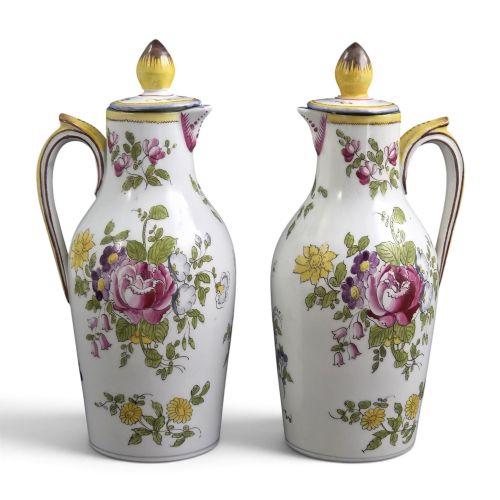
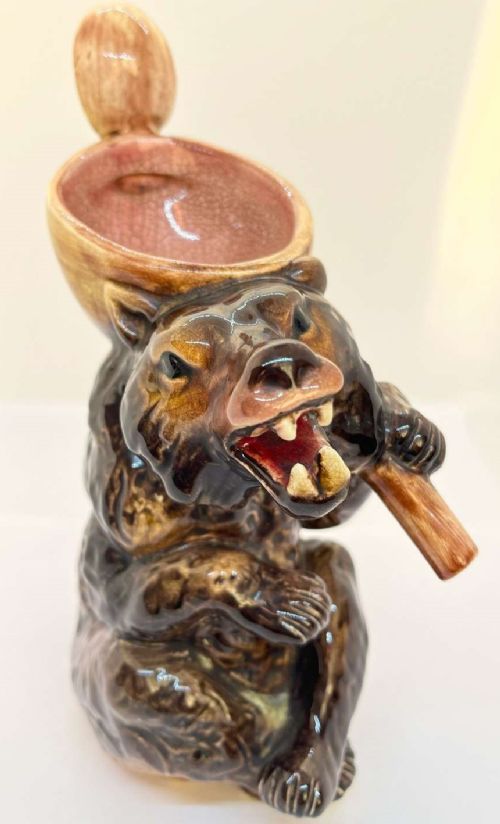
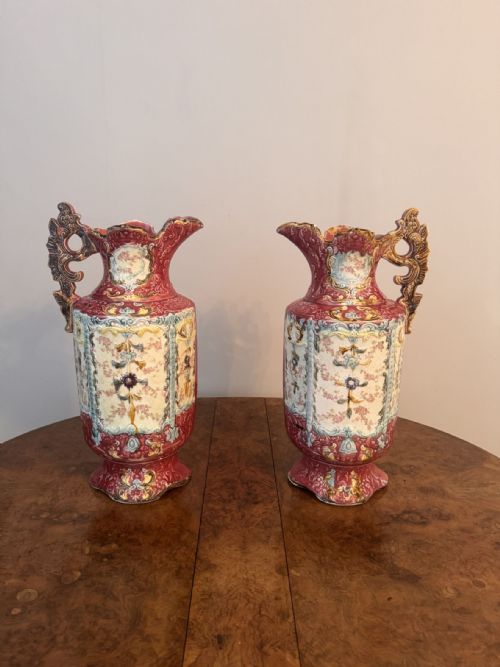
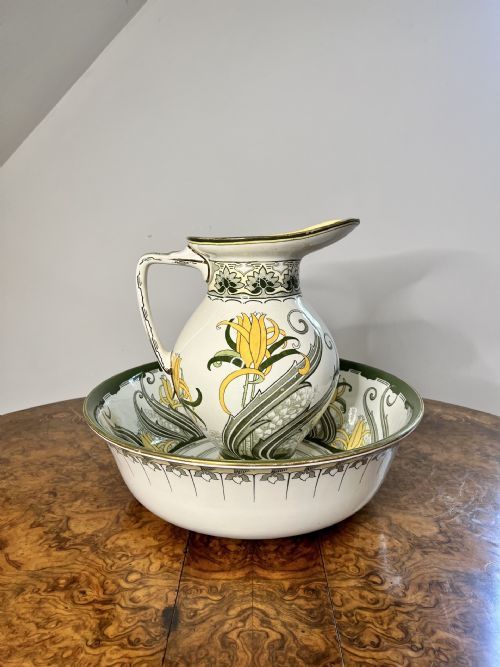
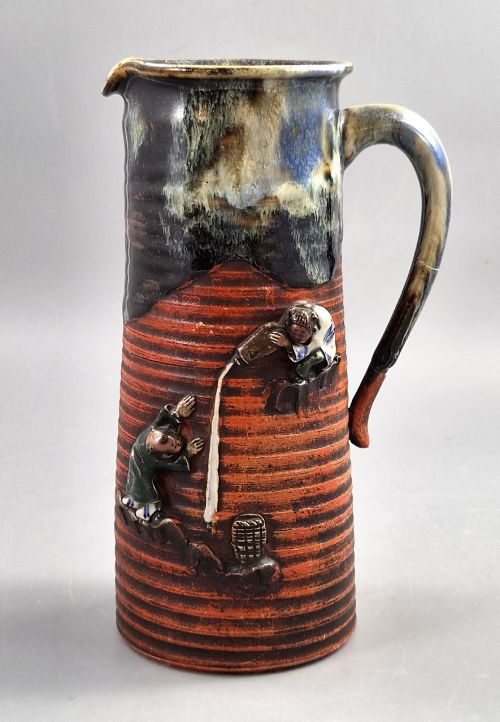
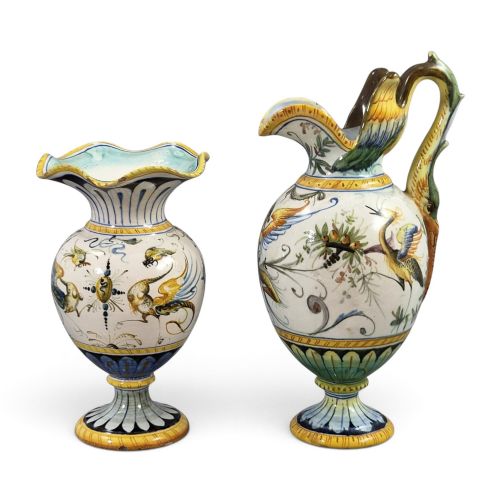
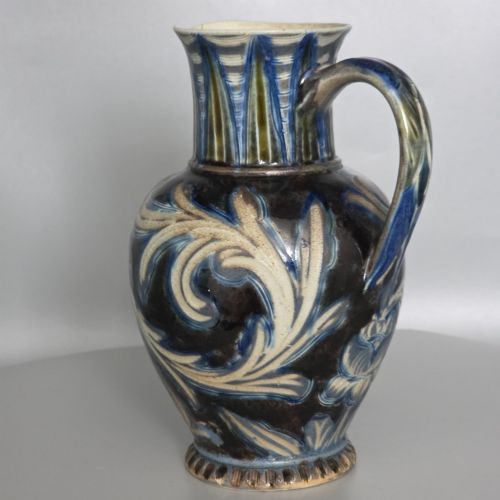
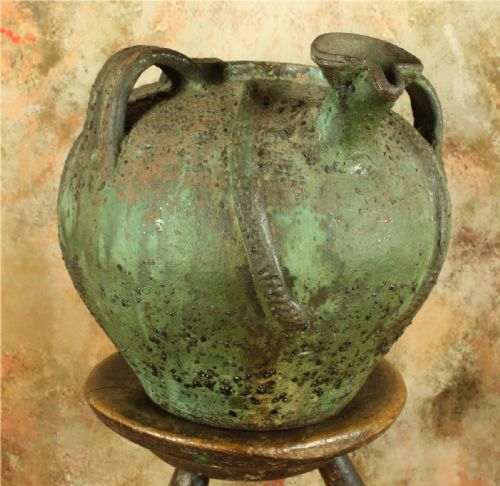
A glazed ceramic pitcher serves as a utilitarian or decorative vessel designed for holding liquids, appearing across domestic and display settings in numerous regional traditions. The selection spans earthenware, stoneware, and porcelain forms from British, European, and Asian workshops.
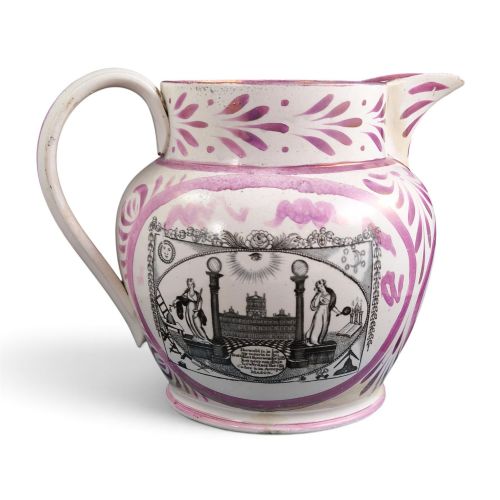
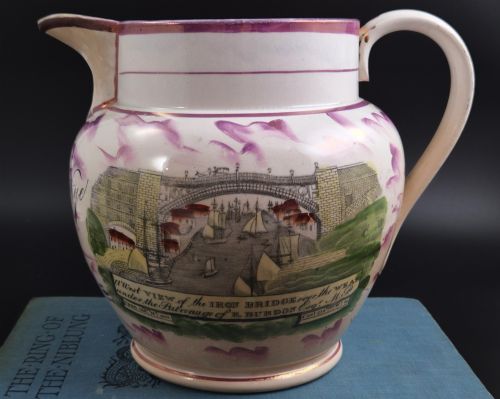
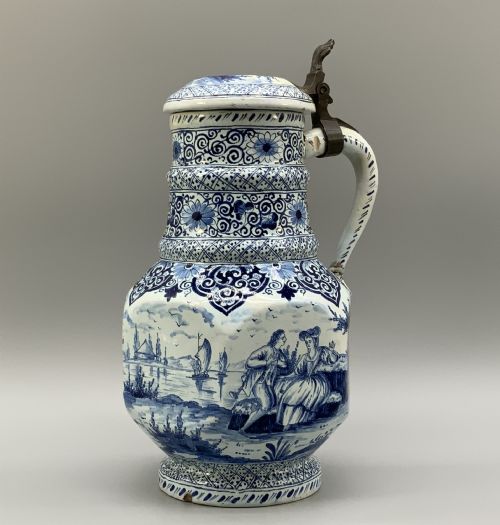
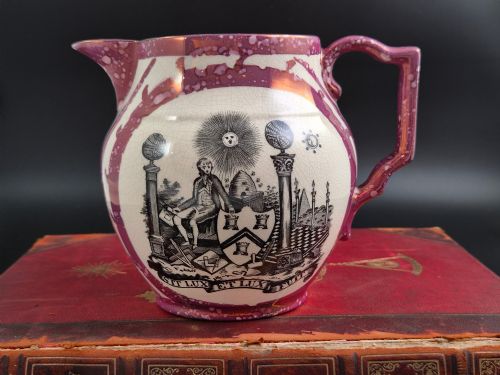
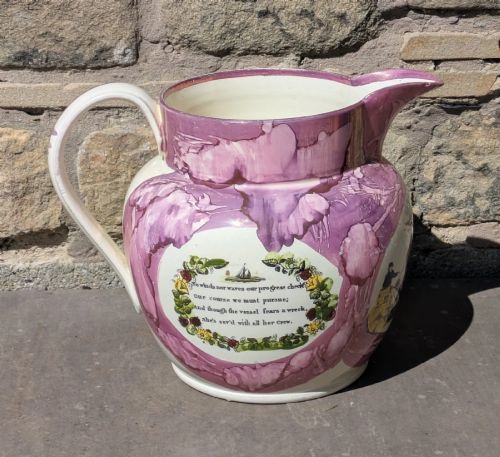
Makers shaped these containers for specific daily uses, from serving water and milk to storing oil and holding beer. Common iterations on this page include nineteenth-century Sunderland lustre ware, Dutch delftware, and salt-glazed German stoneware.
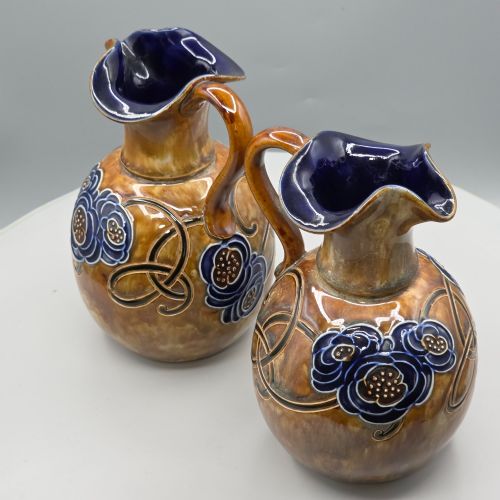
Domestic pieces from the Victorian era sit alongside eighteenth-century puzzle jugs and Japanese Meiji period examples. Each piece reflects the material culture and ceramic techniques of its respective period.
Materials and Methods
Potters shaped these vessels primarily from earthenware, stoneware, and clay, utilising hand-throwing on the wheel or press-moulding techniques. Relief moulding, incised decoration, and applied handles frequently structure the body before firing.
Surface treatments define the visual character, employing tin glaze, salt glaze, metallic lustres, and polychrome enamel colours. Firing processes fix these liquid-resistant coatings to the porous clay bodies.
One cheerful nineteenth-century cow creamer dispenses milk directly from its mouth.
Evaluating Quality
Quality depends upon the crispness of the relief moulding, the control of the glaze application, and the fineness of the painted or transferred decoration. Superior pieces display deliberate balance in the handle and spout construction.
The sophistication of the ceramic body and the depth of the lustre or cobalt blue pigment distinguish standard utility ware from ambitious studio and factory productions.
Doulton Lambeth·Sir Edmund Elton·Simon Peter Gerz
The Glazed Ceramic Pitcher Glossary
- Earthenware
- A porous pottery body fired at lower temperatures, requiring a vitreous glaze to hold liquids. It forms the foundation of much historic British and European domestic ware.
- Salt Glaze
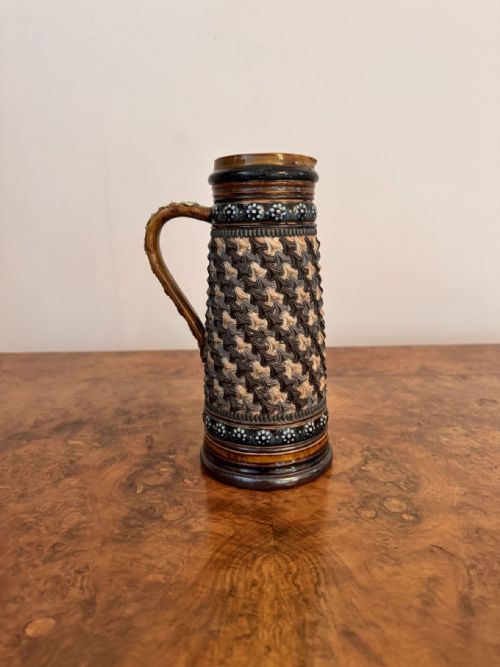
- A vitreous coating created by throwing common salt into the kiln during high-temperature firing, producing a characteristic orange-peel texture on stoneware. This technique is prominent in German Westerwald production.
- Lustreware
- Pottery decorated with a metallic film that produces an iridescent sheen, often associated with Sunderland pink splash and copper varieties. The metallic oxides reflect light across the surface.
- Delftware
- Tin-glazed earthenware originating in the Netherlands, typically decorated in blue and white with floral or narrative motifs. The opaque white glaze mimics Chinese porcelain.
- Toby Jug
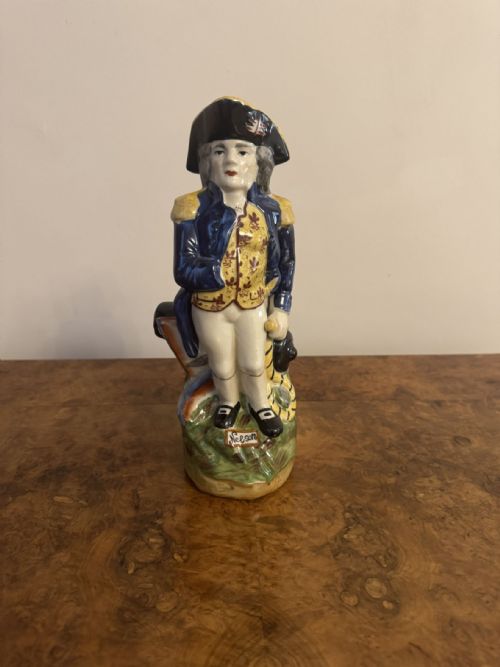
- A pottery jug modelled in the form of a seated eighteenth-century gentleman holding a mug and a pipe. These character jugs appear frequently in nineteenth-century Staffordshire production.
Glazed Ceramic Pitcher: Frequently Asked Questions
How do I clean an antique ceramic pitcher?
Wash the vessel gently by hand using lukewarm water and mild soap, avoiding harsh scrubbing or soaking that might damage historic glazes or lustre surfaces.
Dry the piece thoroughly with a soft cloth to protect any vulnerable areas of exposed earthenware or older repairs.
Can I still use these pitchers for serving drinks?
Many historic pitchers remain physically sound, but older glazes, particularly on nineteenth-century earthenware, may contain lead or absorb liquids over time.
Displaying them as decorative objects or dry flower containers is generally safer for preserving the glaze and preventing staining.
How do I distinguish stoneware from earthenware?
Stonerware is fired at much higher temperatures until the clay body vitrifies and becomes completely non-porous, even without a glaze. Earthenware remains permeable and softer, requiring a surface coating to hold water.
German Westerwald examples demonstrate stoneware, while Staffordshire and delftware pieces typically rely on earthenware.