




Gilt Porcelain Japanese Vases
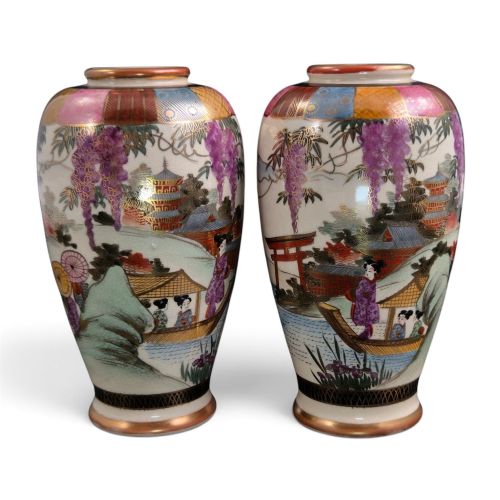
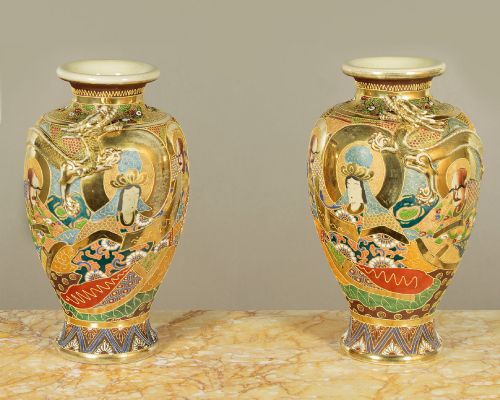
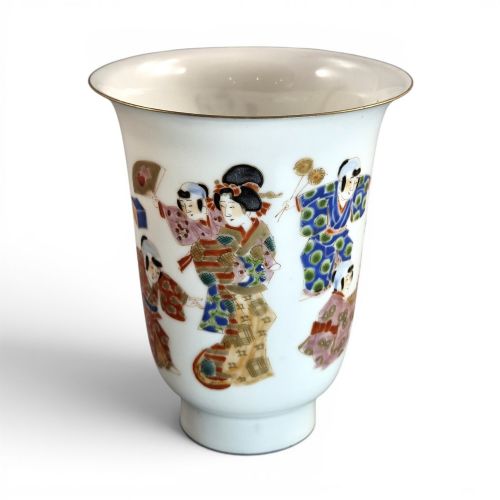
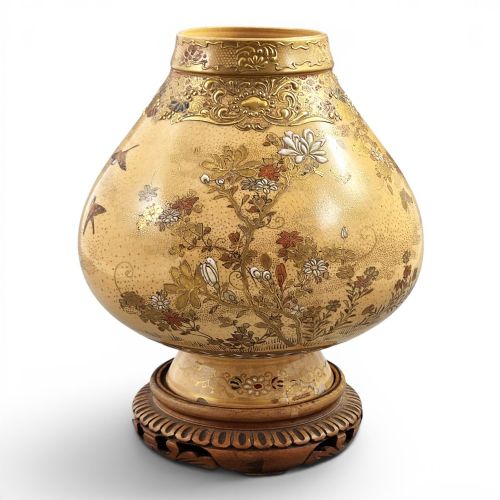
These gilt porcelain japanese vases combine traditional ceramic bodies with intricate gold leaf decoration and enamel detailing.

Gilt Porcelain Japanese Vases
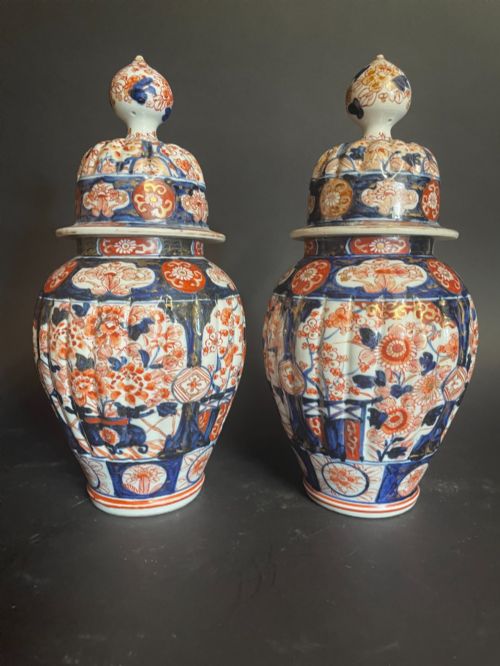
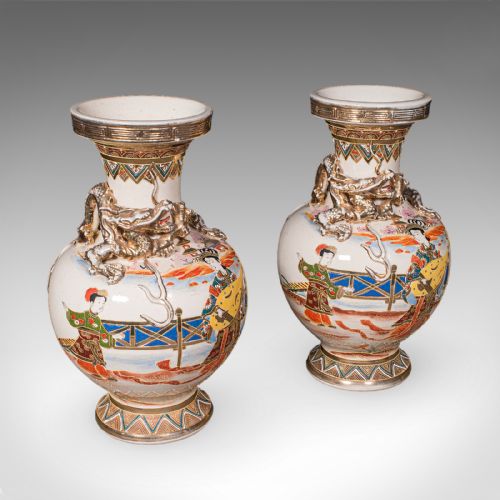
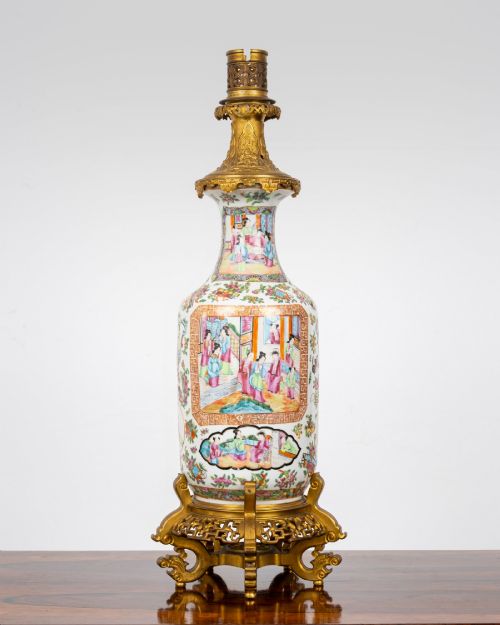
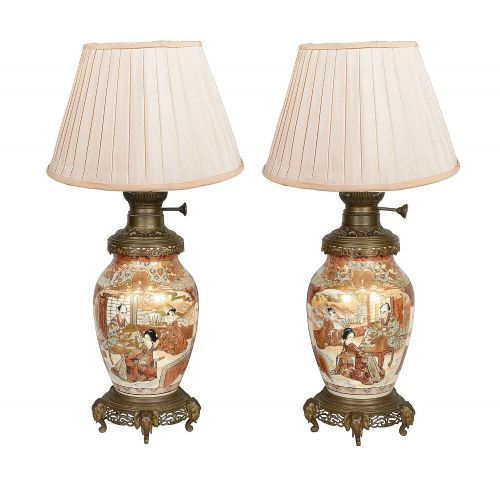
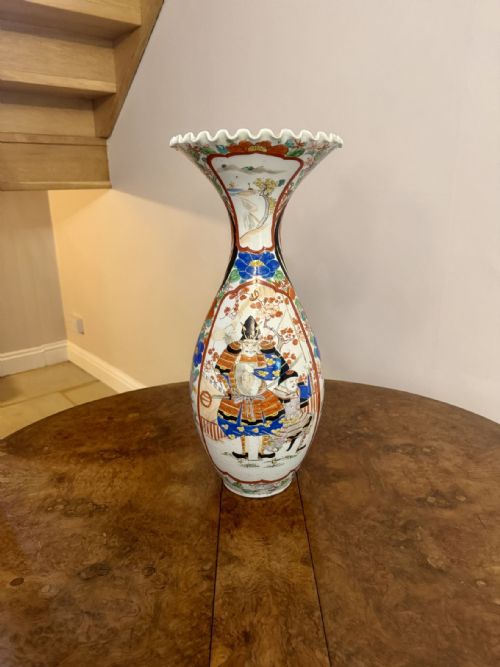
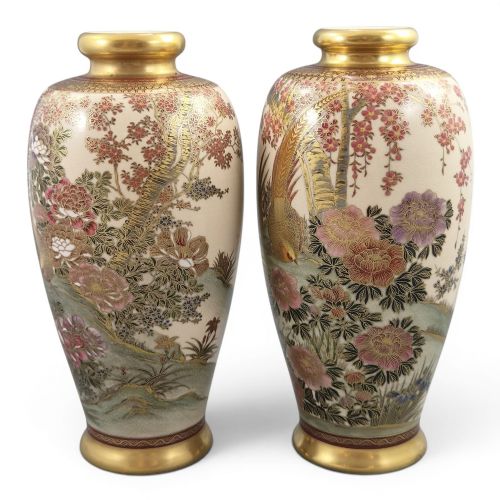
Gilt porcelain japanese vases encompass a rich variety of historic ceramic vessels, including globular jars, baluster forms, and lidded containers intended for display. Many of these pieces emerge from the Meiji period, featuring detailed depictions of court figures, landscapes, and temple scenes rendered in polychrome enamel and gold. The selection frequently includes Satsuma earthenware alongside Kutani and Imari porcelains, reflecting distinct regional aesthetics from workshops across Japan.
How They Were Made
Potters shaped high-fired porcelain and earthenware bodies on the wheel or pressed them into moulds, producing smooth baluster, cylindrical, and flared profiles. Artisans then applied underglaze cobalt or painted complex designs using mineral enamels before adding raised slip decoration known as moriage.
The application of gold leaf and liquid gold gilding formed the final embellishment, highlighting intricate borders, figural garments, and floral panels. Firing these decorated vessels in low or high kilns fixed the metallic lustre and vitreous pigments to the ceramic surface.
Some mischievous temple lions peer out from beneath centuries-old glazes, guarding quiet living rooms.
What Varies in Quality
The precision and density of the hand-painted brushwork separate ordinary production wares from pieces originating in celebrated workshops like Kinkōzan. Mastery is visible in the control of fine gold lines, the depth of the cobalt grounds, and the complexity of figural groupings.
The tactile quality of the moriage relief work and the preservation of the delicate gold leaf across high-relief surfaces indicate the original skill of the decorator. Signed pieces with documented studio marks from Kyoto or Kobe generally represent the higher tiers of period craftsmanship.
Manpei·Kinkōzan·Chosei·Nanzan·Seiko-en Chokei
The Gilt Porcelain Japanese Vases Glossary
- Satsuma
- A type of Japanese earthenware featuring an ivory-coloured, crackle-glazed body decorated with enamel and gold. It became particularly popular for export during the late nineteenth century.
- Moriage
- A decorative technique using clay slip applied in raised dots or lines before firing, creating a heavily textured surface that often receives heavy gilding.
- Imari
- A traditional style of Japanese porcelain characterised by a palette of underglaze blue, iron red, and abundant gold highlights. Production centred on the town of Arita.
- Kutani
- Japanese porcelain known for bold polychrome enamel designs, frequently incorporating vibrant greens, reds, and extensive gold detailing. These wares often depict narrative scenes and natural motifs.
- Koro
- A traditional Japanese incense burner, typically featuring a pierced cover and three or more feet. They appear in ceramic and bronze forms within historic collections.
Gilt Porcelain Japanese Vases: Frequently Asked Questions
What is Satsuma ware?
Satsuma ware is a distinct category of Japanese pottery characterised by a fine crackled glaze over an earthenware body. Artisans decorated these surfaces with detailed enamel paintings and rich gold leaf.
Originally produced for regional use, these ceramics evolved into major export items during the Meiji period. They are easily recognised by their warm cream background and elaborate figural or floral compositions.
How do I identify Meiji period pieces?
Meiji period items date from the reign of Emperor Meiji, spanning from eighteen sixty-eight to nineteen hundred and twelve. During this era, Japanese workshops produced highly intricate decorative arts specifically tailored for international exhibitions and Western markets.
Look for refined hand-painted details, artist signatures on the base, and dense gilt ornamentation. The technical proficiency in layering enamels and gold typically reaches its peak during these decades.
Were these vases made for export?
Many of the decorative ceramics found in Western collections were manufactured specifically for export following the opening of Japanese trade ports in the mid-nineteenth century. European and American buyers developed a strong appetite for traditional Japanese motifs and elaborate craftsmanship.
Export pieces often combined traditional iconography with forms that appealed to Western interiors, such as large mantel vases and converted lamp bases. Workshops in Kyoto, Tokyo, and Kobe catered directly to this international demand.
How should I display gilt porcelain?
Display these vessels in stable environments away from direct sunlight to protect the delicate enamel colours and applied gold leaf. Placing them on secure surfaces prevents accidental tipping, as many historic bodies have relatively narrow bases.
Keep them clear of high-moisture areas and handle them carefully by the body rather than delicate handles or raised relief elements. Gentle dusting with a soft, dry brush is sufficient for routine maintenance.