


Gold Painted Ceramic Vase
A gold painted ceramic vase brings a refined metallic gleam to a room, uniting delicate porcelain or earthenware forms with rich hand-applied gilding.
Gold Painted Ceramic Vase
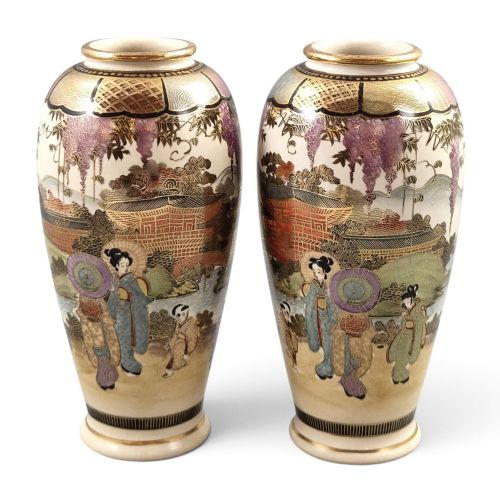
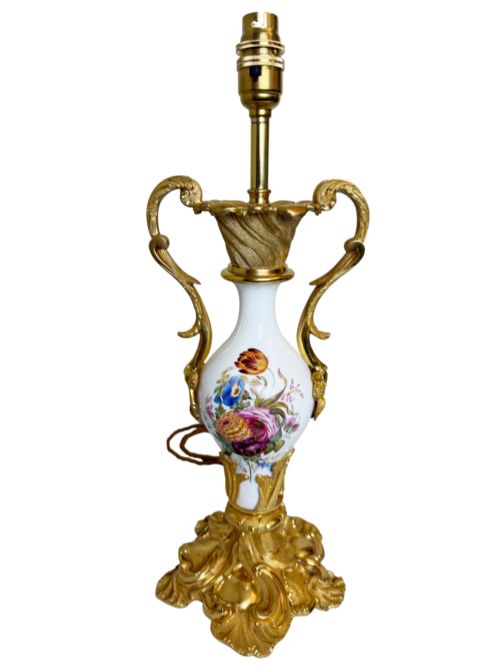
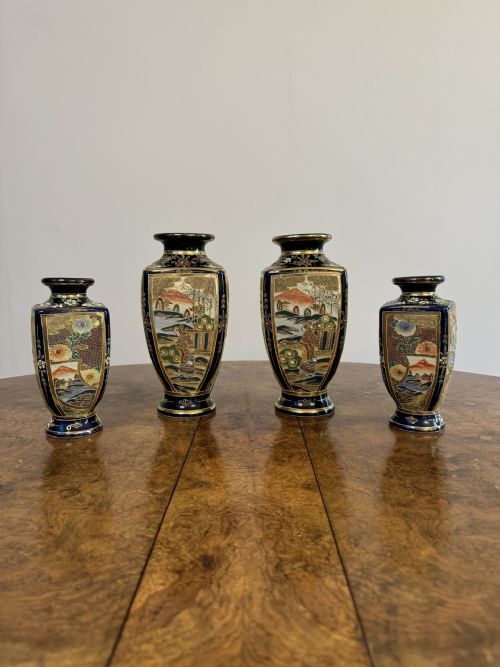
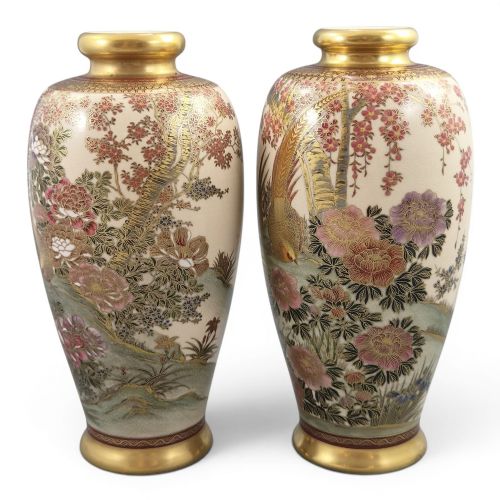
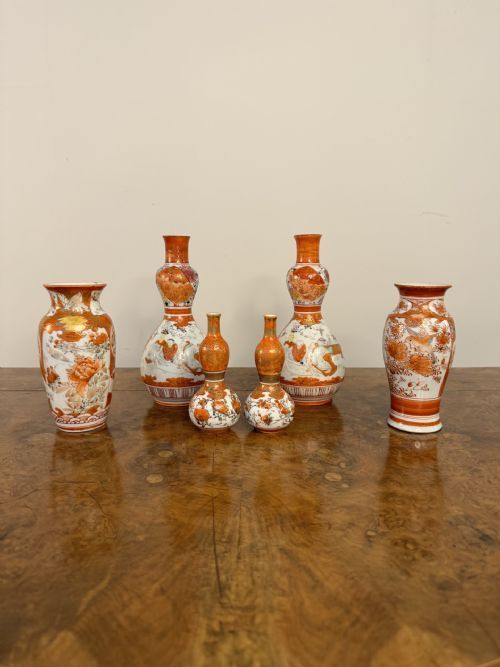
A gold painted ceramic vase spans several centuries of European and Japanese production, encompassing English porcelain, earthenware, and detailed earthenware forms. When searching for a gold painted ceramic vase, buyers encounter everything from Georgian Worcester and Derby porcelain to Japanese Satsuma and Kutani pieces from the Meiji period.
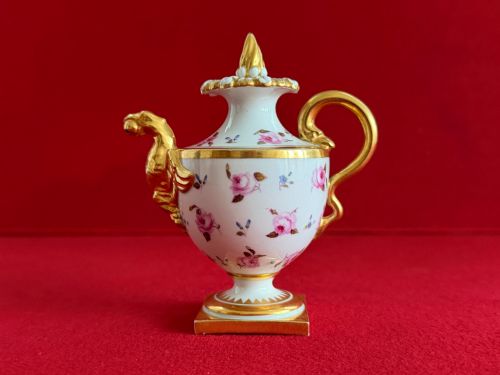
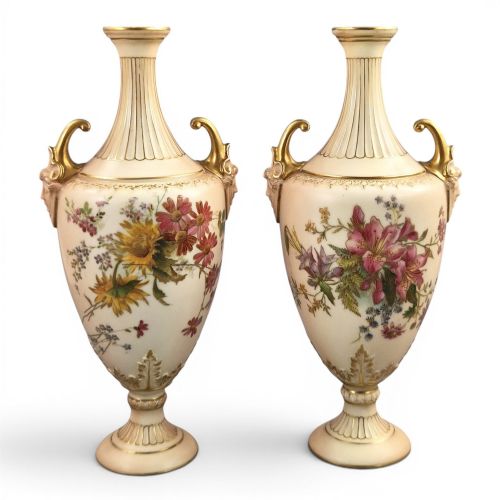
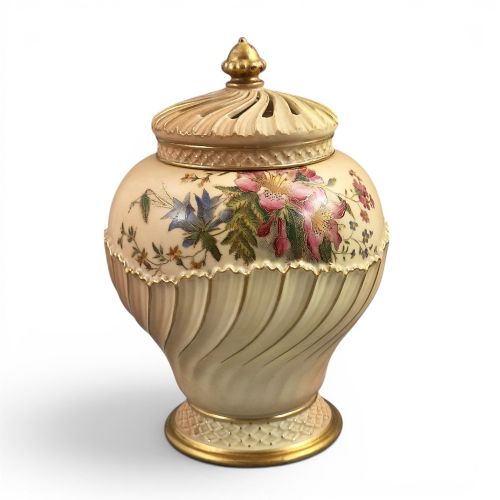
English factories like Royal Worcester, Coalport, and Spode contribute classical campagna urns, pot-pourri jars, and blush ivory vessels featuring hand-painted floral scenes alongside rich gilding. Alongside these sit Austrian art pottery, French Old Paris pieces, and elaborate Japanese garnitures intended for decorative display.
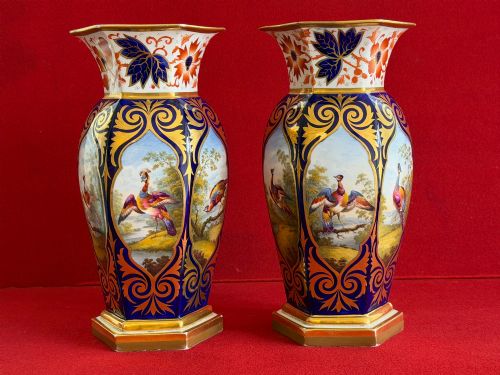
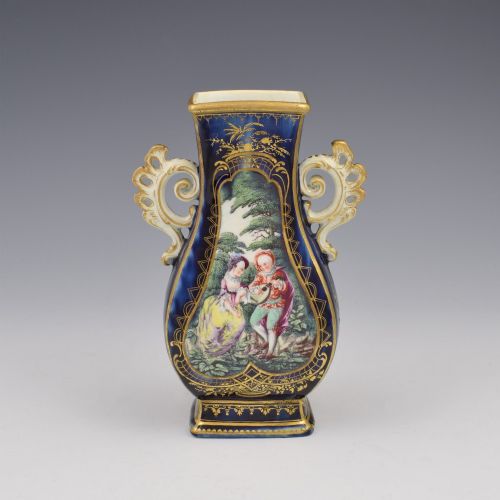
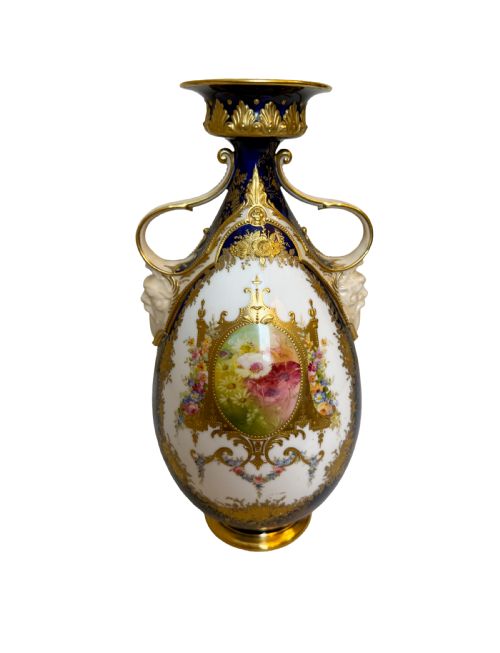
The selection ranges from cabinet miniatures to monumental palace vases, frequently incorporating painted reserves of birds, landscapes, and figural processions framed by gold leaf or enamel details.
Materials and methods
Potters shaped these vessels from high-fired porcelain, bone china, or earthenware before applying fluid glazes, enamel colours, and metallic leaf or paint. Artisans built up surface decoration through repeated kiln firings to set complex pictorial scenes alongside gold accents.
Gilding techniques varied from thick gold leaf and liquid gilding to intricate raised paste work that caught the light across the shoulders and rims of the vases.
Several miniature vases stand under ten centimetres tall, proving that grand palace presence can travel in miniature.
Assessing quality
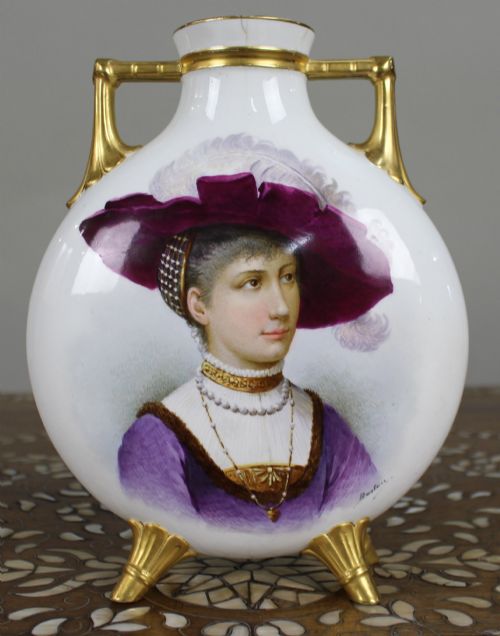
Quality rests primarily on the skill of the painting and the precision of the gilding, distinguishing factory-standard output from master-signed studio pieces. Fine portraiture, botanical precision, and detailed figural work by named artists elevate a vessel well above standard decorative production.
The crispness of the porcelain throwing, the weight of the ceramic body, and the preservation of the gold leaf without rubbing or restoration define the upper tier of the market.
Flight Barr And Barr·Royal Worcester·Kinkozan·Shozan·Coalport
The Gold Painted Ceramic Vase Glossary
- Satsuma
- Japanese earthenware pottery featuring a crackle-glaze ivory body heavily decorated with enamels and gold. It was widely produced for export during the Meiji period.
- Garniture
- A set of three or more matching vases or decorative jars designed to be displayed together on a mantelpiece or sideboard.
- Campagna Urn
- A classical bell-shaped vessel with a footed base and handles, popular in Regency and Victorian neoclassical interior design.
- Blush Ivory
- A specialised porcelain body developed by Royal Worcester featuring a creamy matte ground decorated with soft floral motifs and gilding.
- Reserve
- A distinct panel or cartouche left unpainted or framed against a coloured ground to highlight a central floral or figural scene.
Gold Painted Ceramic Vase: Frequently Asked Questions
How do I date an antique vase?
Dating relies heavily on factory backstamps, shape numbers, and painted registration marks recorded in ceramic archives. Stylistic cues such as aesthetic movement borders or art nouveau curves also narrow down the production decade.
Comparison with documented pieces by known decorators helps confirm the exact manufacturing period when marks are faint or worn.
Were these vases meant for flowers?
Many larger urns, garnitures, and pot-pourri jars served purely as decorative ornaments rather than functional water vessels. Specialised forms like rose water sprinklers and spill vases had specific domestic uses on writing desks or dressing tables.
Using delicate antique porcelain for holding water requires caution to prevent moisture damage to internal historic bodies or painted surfaces.
How do I care for antique gilding?
Gold leaf and hand-painted enamel decoration require gentle dusting with a dry, soft brush to avoid abrasion. Modern chemical cleaners and abrasive cloths will strip historic gilding permanently from the ceramic surface.
Keeping pieces away from direct, prolonged sunlight protects the underlying enamel colours from fading over time.
What is Satsuma ware?
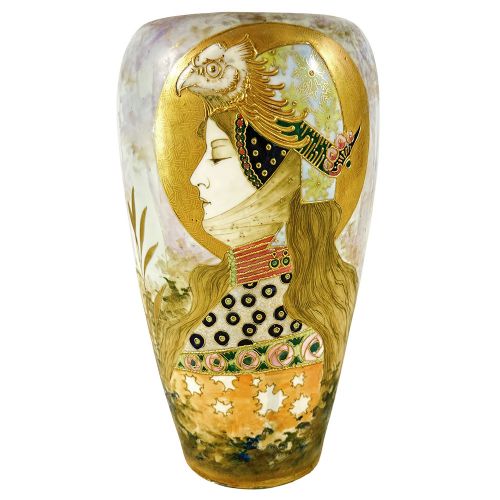
Satsuma ware originates from the Satsuma Province in Japan and is characterised by a distinctive cream-coloured earthenware body with a fine network of crackled glaze. The surface is typically adorned with dense polychrome enamels and generous gold highlights depicting historical or natural scenes.
Meiji period export pieces often bear signatures of master artists and studios such as Kinkozan or Chosei on the base.