


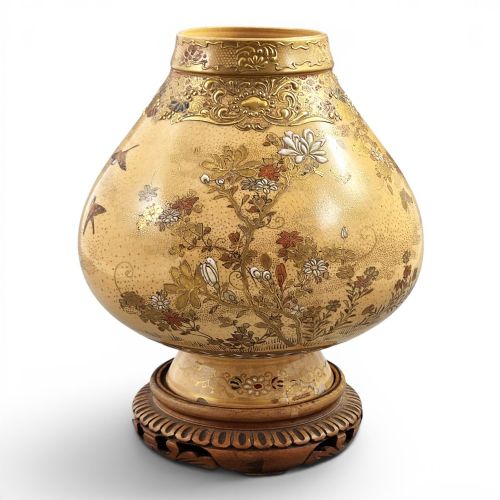
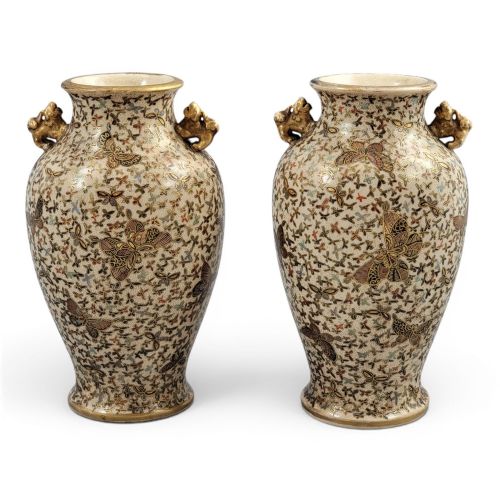


Cream Satsuma Ceramic Vase
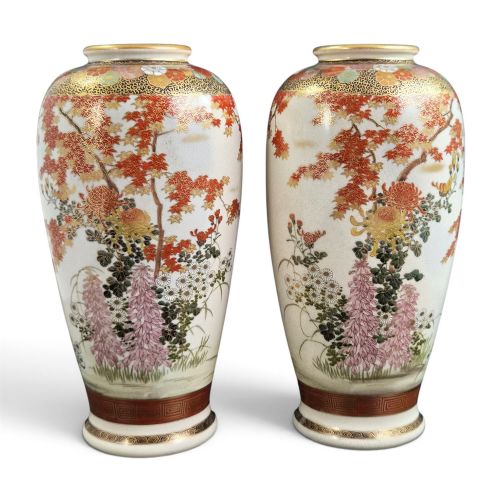
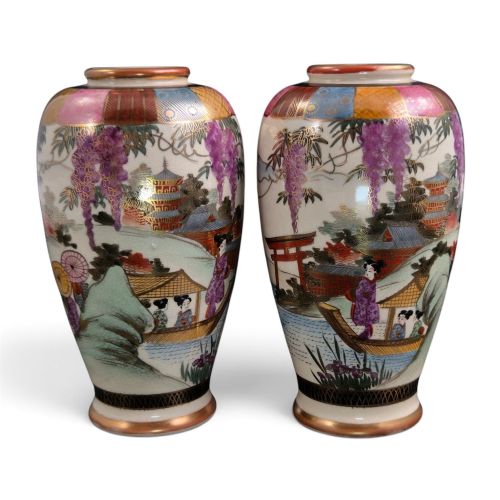
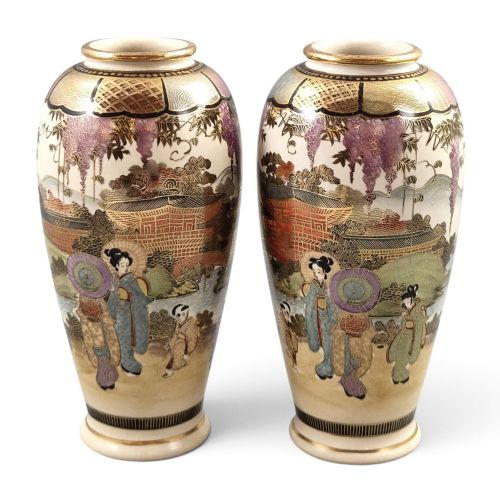
A cream satsuma ceramic vase brings intricate Japanese hand-painted storytelling and subtle crackle-glaze textures into any interior.
Cream Satsuma Ceramic Vase
When searching for a cream satsuma ceramic vase, collectors encounter pieces primarily originating from the Meiji and Taisho periods, alongside later Victorian and Edwardian interpretations. These vessels range from diminutive miniature vases to monumental exhibition pieces, baluster shapes, and tripod incense burners.
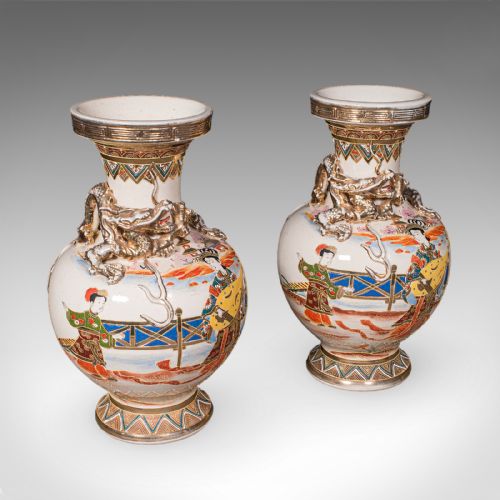
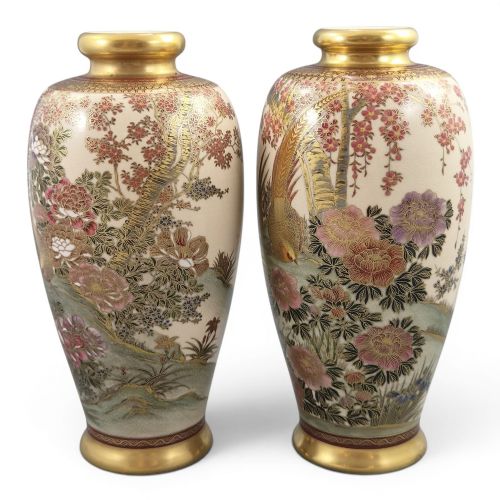
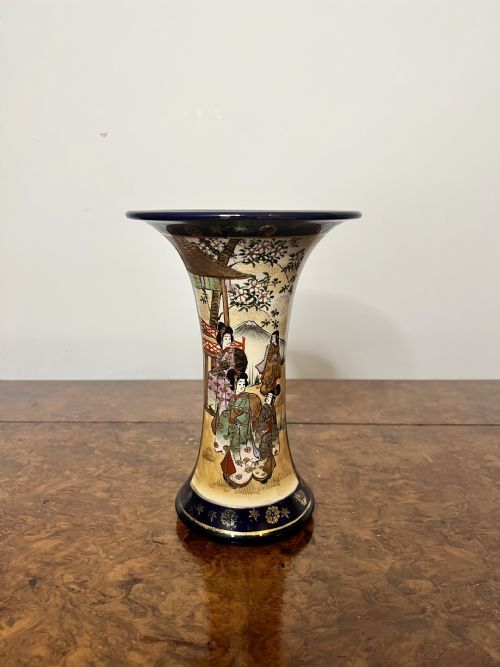
The aesthetic centres on a distinctive ivory or cream-coloured earthenware body covered in a finely crazed translucent glaze. Makers decorated these surfaces with elaborate scenes depicting figures, landscapes, wisteria, and butterflies, frequently heightened with gold leaf.
Materials and production methods
Potters shaped the ceramic or earthenware bodies by hand or mould before applying a characteristic glaze that develops an intricate network of fine cracks during firing. Artisans then painted detailed polychrome enamels directly onto this receptive surface.
Makers applied intricate gold leaf detailing to accentuate figures, garments, and floral motifs, often finishing the work with artist or workshop signatures inscribed on the base.
Several miniature vases are detailed enough to show tiny butterfly wings fluttering across a cream field no larger than an acorn.
Distinctions in craftsmanship
Quality rests in the precision and density of the hand-painted brushwork across the cream-coloured ground. Master workshops achieved remarkable delicacy in facial expressions, garment patterns, and landscape depth.
The refinement of the glaze crazing and the restraint or abundance of the gold leaf application further separate standard production items from exhibition-grade pieces signed by renowned makers.
Maruni Kobe·Shozan·Manpei·Kinkōzan·Kinzan·Hododa·Chosei·Shuzan·Seiko-en Chokei·Yamashu·Choshuzan·Jissei·Yoshisada·Hakusan·Tagawa·Tashiro·Hattori·Hayakawa
The Cream Satsuma Ceramic Vase Glossary
- Satsuma
- A type of Japanese earthenware featuring a soft, ivory-coloured, cracked glaze that serves as a canvas for polychrome and gilt decoration. Originating in Satsuma Province, production later flourished in major centres such as Kyoto and Kobe.
- Meiji Period
- The era of Japanese history spanning from 1868 to 1912, noted for a surge in decorative arts created for international export. Pieces from this time frequently display exceptional technical refinement.
- Koro
- A traditional Japanese incense burner, often supported on three feet and fitted with a pierced cover. These vessels appear frequently in Satsuma ceramic inventories.
- Mon
- A Japanese heraldic badge or crest used to identify families or clans. The Shimazu family crest appears regularly on Satsuma ceramics.
- Baluster
- A vase form characterised by a rounded body that tapers toward the base and swells into a distinct neck. This shape provides a balanced field for landscape and figural painting.
Cream Satsuma Ceramic Vase: Frequently Asked Questions
Where were these vases made?
While the style originated in the Satsuma Province of Kyushu, the majority of fine export pieces encountered today were produced in Kyoto and Kobe. Prominent workshops in these urban centres employed skilled painters to satisfy international demand during the late nineteenth and early twentieth centuries.
Kyoto became particularly famous for its refined miniature and landscape vessels created by master artists. Kobe workshops also exported substantial quantities of floral and figural vases.
Can I use these vases for fresh flowers?
Satsuma vessels are constructed from traditional earthenware with a porous clay body beneath the glazed surface. Placing water and fresh stems inside can risk moisture absorption through the crackled glaze.
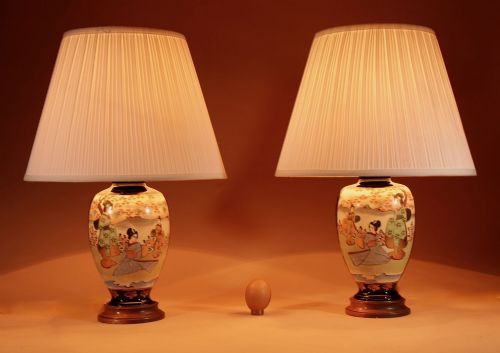
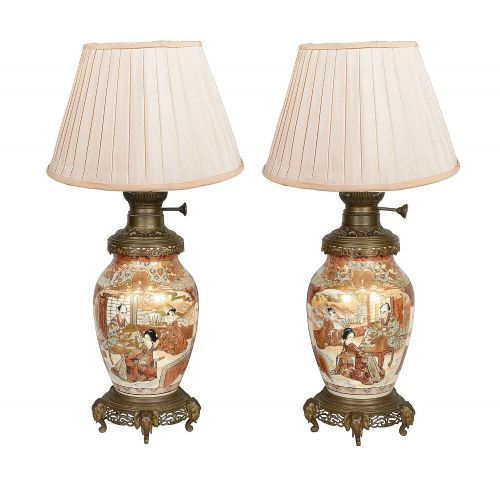
Collectors generally display them dry as decorative objects, lamp bases, or incense burners. If utilised for arrangements, inserting a discreet glass liner protects the historic ceramic fabric.
What is the Shimazu mon?
The Shimazu mon is a heraldic crest depicting a circle enclosing a cross, associated with the powerful lords who ruled the Satsuma Domain. This emblem appears on numerous export ceramics as a mark of heritage or quality.
Its presence connects the decorative object to the historical patronage of the Satsuma region. Makers incorporated the crest alongside intricate enamel painting.