


Oriental Ceramic Mantel Vases
Oriental ceramic mantel vases bring vibrant palettes and intricate hand-painted detail to a room, offering a rich historic presence.

Oriental Ceramic Mantel Vases
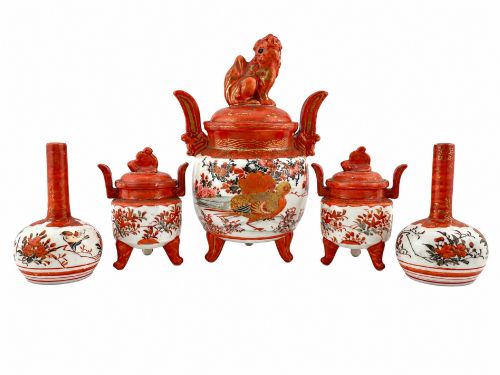
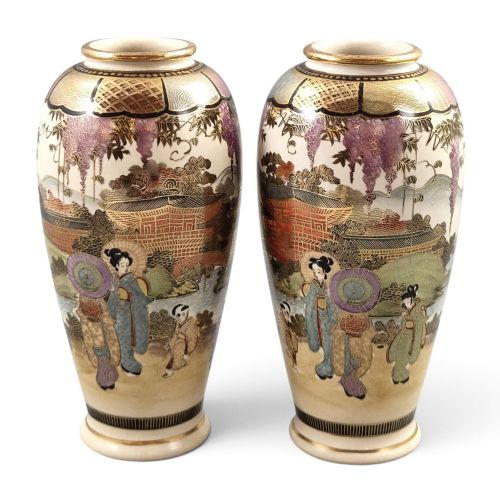
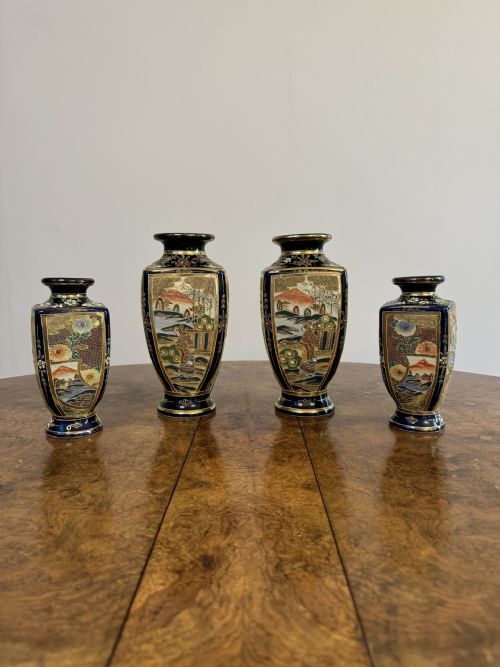
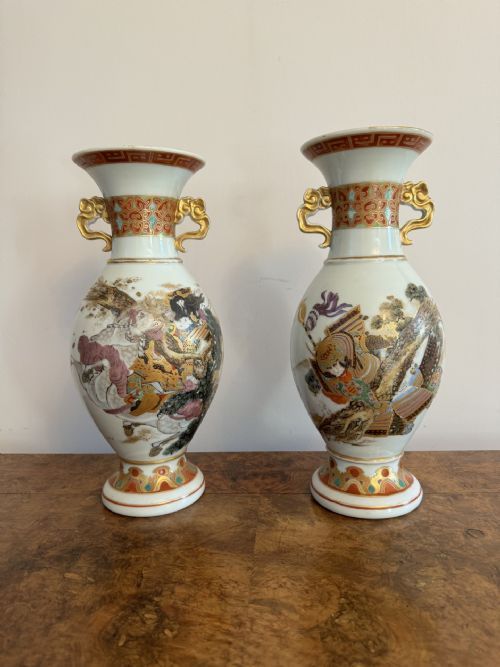
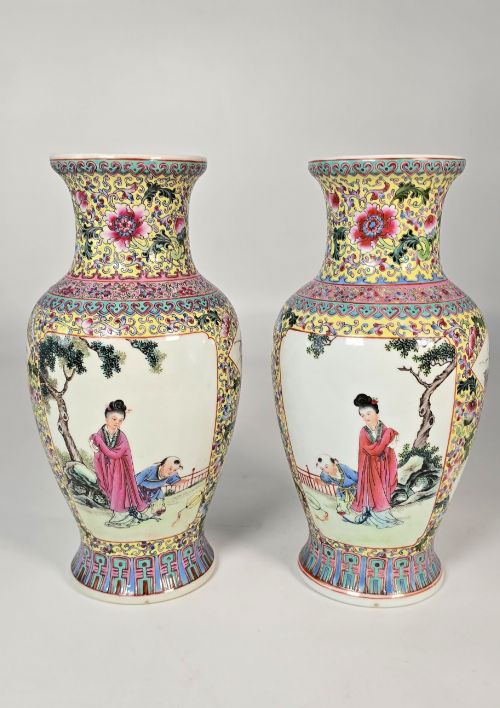
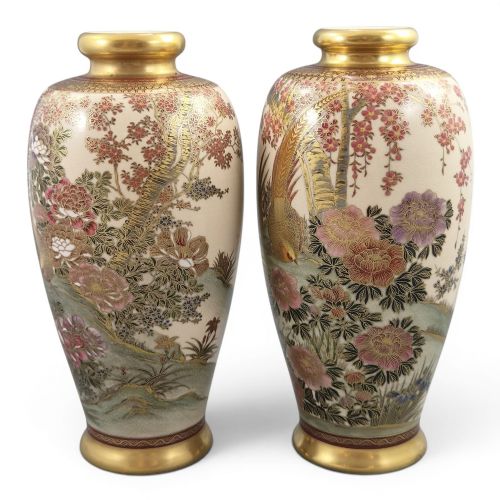
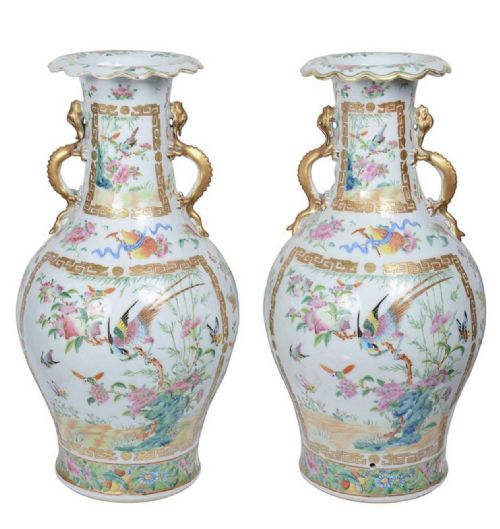
Oriental ceramic mantel vases comprise decorative vessels originating from Japan and China, designed to sit prominently on mantelpieces and shelves. The pieces appearing here span centuries of production, taking the form of pairs, garnitures, and individual decorative vases.
Japanese examples heavily feature Satsuma earthenware, Kutani porcelain, and Imari wares from the Edo, Meiji, and Showa periods. Chinese pieces include porcelain from the Qing Dynasty and the Chinese Republic period, showcasing classic famille verte and Rose Medallion designs.
Buyers will most frequently encounter pairs of vases and garniture sets decorated with hand-painted scenes, figures, and traditional motifs. These vessels reflect the diverse export markets and domestic tastes of their respective periods.
Distinguishing quality
The refinement of the hand-painted brushwork distinguishes finer vessels from standard production pieces, particularly in the rendering of facial expressions, garments, and natural foliage. Superior execution involves precise lines and a controlled application of enamel and gold leaf.
Completeness within garniture sets and pairs strongly influences the standing of the pieces, as matched groups require uniform firing and decoration across multiple vessels. The clarity of the glaze and the preservation of the gilding also mark the upper tier of the range.
Some nineteenth-century vases found a second life as Victorian lamps, having their ceramic bases drilled to accommodate electrical wiring.
Shozan·Manpei·Hododa
The Oriental Ceramic Mantel Vases Glossary
- Satsuma
- A type of Japanese earthenware featuring a crackled ivory glaze and detailed overglaze enamel and gilding. It was widely produced for export during the Meiji period.
- Imari
- A style of Japanese porcelain decorated in underglaze blue, iron red, and gold. This palette was imitated in various forms across different periods.
- Garniture
- A set of matching vases or vessels designed to be displayed together on a mantelpiece or cabinet. These sets typically consist of three or five pieces.
- Famille verte
- A Chinese porcelain palette dominated by green enamel colours, introduced during the Qing dynasty. It often depicts figures, landscapes, and floral motifs.
- Kutani
- Japanese porcelain or pottery characterised by bold colours and intricate pictorial designs. Production centres around Ishikawa Prefecture.
Oriental Ceramic Mantel Vases: Frequently Asked Questions
How do I display mantel vases?
Arrange pairs symmetrically or centre a garniture set of three on a wide mantelpiece to create visual balance.
Ensure the surrounding space allows the painted details and palette to remain the focal point of the room.
What is Satsuma ware?
Satsuma ware is a distinct type of Japanese earthenware characterised by a warm, ivory-coloured crackled glaze. Artisans decorated these surfaces with elaborate hand-painted scenes and raised gold.
Originating from Satsuma Province, production expanded significantly during the Meiji period to supply international collectors.
How do I identify Meiji period pieces?
Meiji period pieces date from the late nineteenth to the early twentieth century, aligning with the reign of Emperor Meiji. These items frequently display dense ornamentation, intricate gilding, and specific regional styles like Satsuma and Kutani.
Examining the base for signatures, potter marks, or exhibition labels can provide further confirmation of this era.
Are these vases waterproof?
Many antique ceramic mantel vases were created strictly for decorative display rather than holding water. Porous earthenware bodies or delicate overglaze enamels can suffer damage from moisture.
It is safest to use these vessels exclusively for dry displays or as standalone sculptural objects.