



Gilt Porcelain Figures
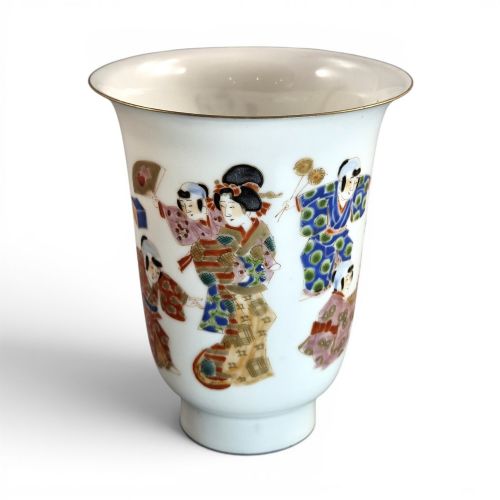
These gilt porcelain figures combine modelled ceramic bodies with gilding, bringing together European factory traditions and Japanese export ware from the eighteenth century onwards.
Gilt Porcelain Figures
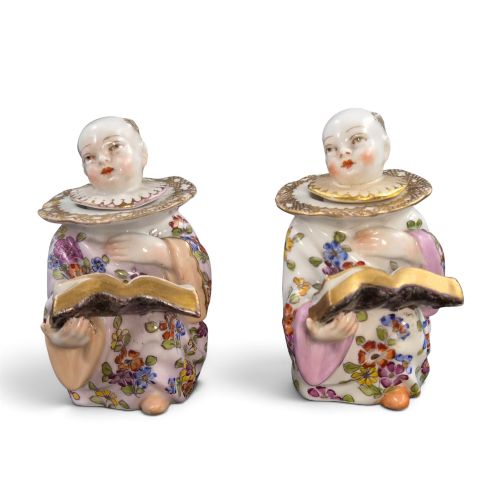
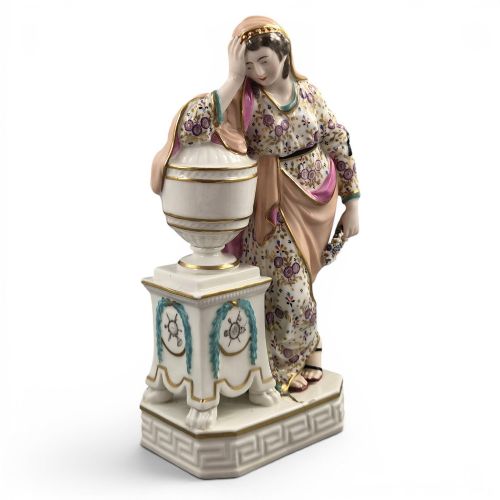
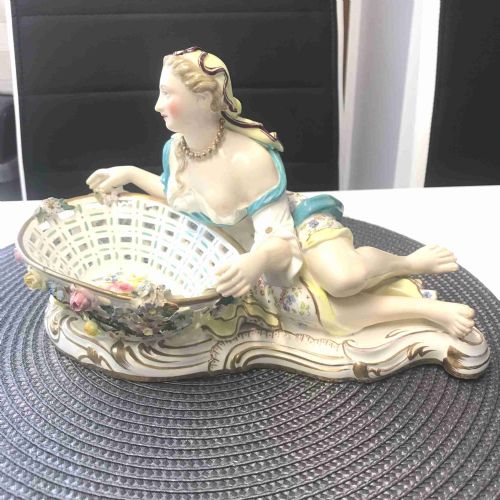
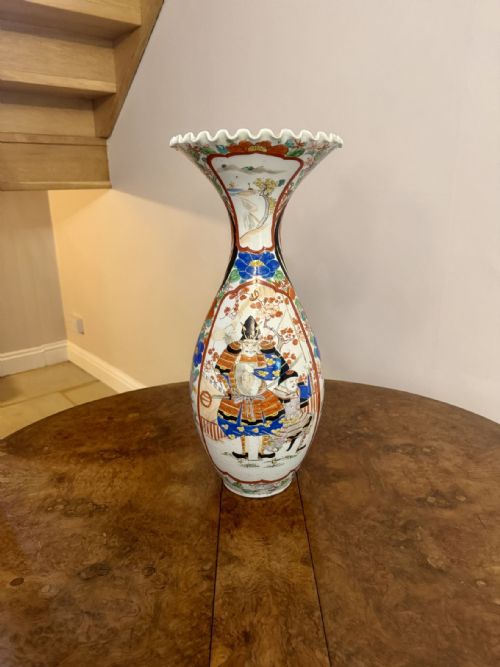
When searching for gilt porcelain figures, a buyer encounters a diverse range of objects spanning European factories and Japanese workshops. The selection includes eighteenth-century English figures from Derby and Bow, continental examples from Meissen and Samson, and Japanese Satsuma and Kutani wares.
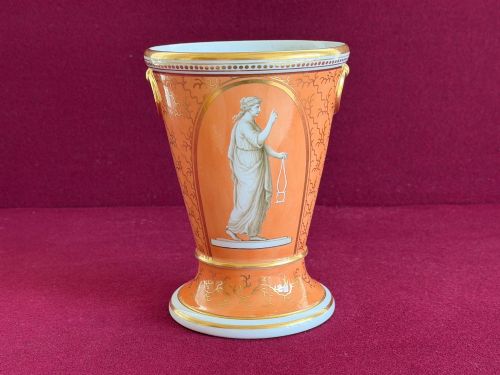
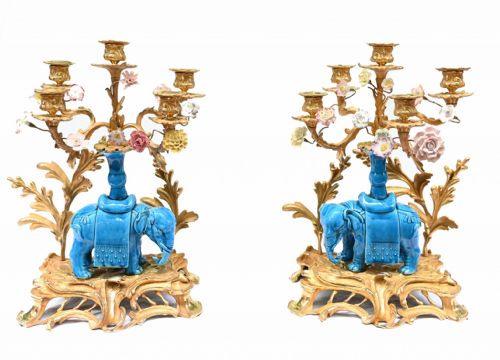
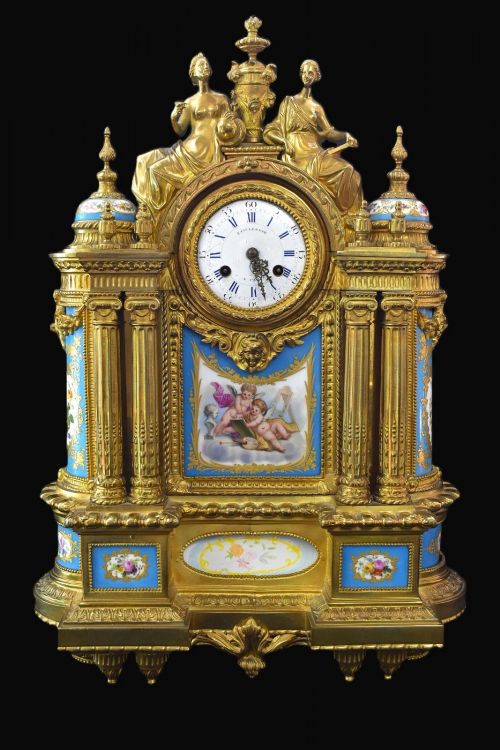
The forms extend from single figural sculptures and allegorical representations to complex table decorations, candelabras, and clock mounts. Most items combine painted ceramic bodies with gold leaf or metallic gilding applied to highlights, garments, and bases.
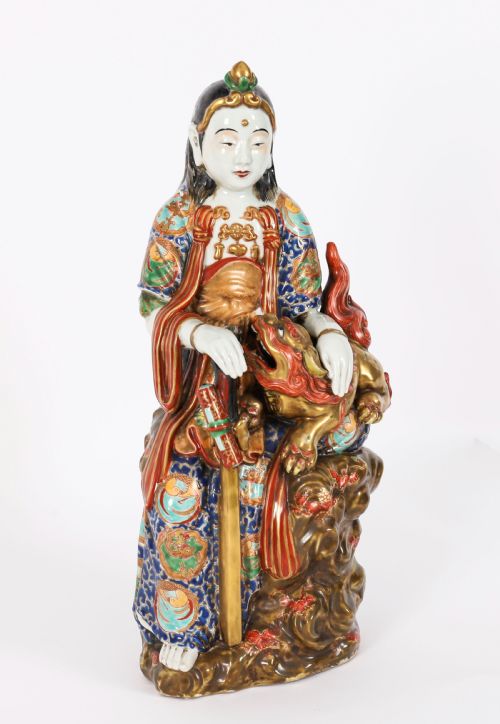
European pieces frequently depict classical deities, street traders, or musicians modelled in hard-paste porcelain. Japanese counterparts often feature court figures, deities such as Guanyin, and decorative okimono decorated with intricate moriage enamel and gilt detailing.
Materials and manufacture
The manufacturing process relies on hard-paste or soft-paste porcelain clay bodies shaped by moulding or hand-modelling, followed by high-temperature firing. Enamel paints and gold leaf or liquid gold gilding are subsequently applied and fixed in a muffle kiln.
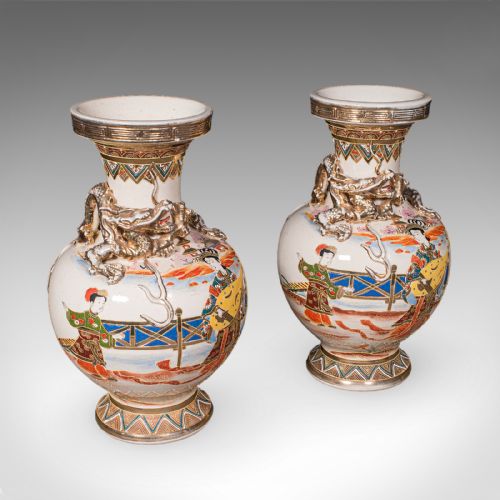
Many works incorporate additional mounts of ormolu, gilt bronze, or brass to frame the ceramic elements. Techniques such as moriage build up raised clay layers beneath the gilding to create textured decorative surfaces on Japanese ceramics.
Assessing quality and execution
Quality in these works is determined by the precision of the modelling and the fineness of the hand-painted details. Superior pieces display crisp facial expressions, delicate hand-modelled extremities, and clean application of enamel and gold leaf without blurring.
The weight and finish of accompanying metal mounts, such as ormolu bases or candelabra arms, indicate the standard of production. Early factory marks and signatures from established studios or makers also distinguish finer examples from later reproductions.
Flight And Barr Worcester·Edme Samson·Meissen·Royal Worcester·Volkstedt Richard Eckert
The Gilt Porcelain Figures Glossary
- Hard-paste porcelain
- A dense, vitrified ceramic composed of kaolin and petuntse fired at high temperatures. It resists scratching and presents a bright white body.
- Gilding
- The application of gold leaf or powdered gold to the surface of the porcelain or metal mount. It provides metallic highlights to garments, frames, and decorative borders.
- Moriage
- A Japanese ceramic technique using a clay slip trailed from a tip to build up raised decorative patterns. These raised areas are frequently painted and gilded.
- Ormolu
- Gilded bronze used as mounts, feet, or structural frames for porcelain vessels and figures. The technique involves applying a gold-mercury amalgam to bronze.
- Biscuit porcelain
- Unglazed ceramic fired to a matte, porous finish resembling marble. It is frequently utilised for neoclassical figures and portrait busts.
Gilt Porcelain Figures: Frequently Asked Questions
How do I clean antique gilt porcelain figures?
Dust these items gently with a soft, dry brush to prevent accumulation in crevices and modelled details. Avoid using water, abrasive cloths, or chemical solvents, as these can damage delicate enamel paints and wear away the gold leaf.
Check metal mounts periodically to ensure they remain stable. If deeper cleaning is required, consult a professional conservator rather than attempting DIY restoration.
What is the difference between European and Japanese figures?
European pieces from factories like Meissen or Derby typically feature moulded figural subjects derived from classical mythology, pastoral scenes, or allegorical themes. They rely on smooth hard-paste porcelain bodies with painted glazes and hand-applied gold highlights.
Japanese works, such as Satsuma and Kutani wares, often incorporate intricate multi-figure compositions, raised moriage decoration, and dense cobalt blue grounds. Their aesthetic focuses on traditional motifs, court figures, and decorative balance rather than theatrical narrative.
How can I tell an eighteenth-century figure from a nineteenth-century copy?
Examine the paste, glaze texture, and base construction under magnification to observe signs of age and wear. Eighteenth-century pieces often display characteristic firing flaws, unglazed kiln support marks, and hand-mixed pigments that differ from later industrial formulations.
Many nineteenth-century factories, such as Samson in Paris, produced intentional revival pieces that utilised earlier factory styles and marks. Comparing the weight, modelling crispness, and gilding technique against known reference examples helps clarify the period of production.
Where should I display gilt porcelain figures at home?
Place these delicate objects inside enclosed display cabinets or vitrines protected from direct sunlight and heavy foot traffic. Stable humidity and temperature levels prevent thermal shock and protect fragile appendages, fingers, and raised gilding from accidental damage.
Ensure that shelves are level and sturdy, particularly when displaying figures combined with heavy ormolu mounts or candelabras. Adequate interior lighting can highlight the fine painted details and metallic sheen of the gilding.