


Minton Bone China
Minton bone china pieces are remarkable ceramic works that bring sophisticated Victorian and Georgian craftsmanship directly into your home.
Minton Bone China
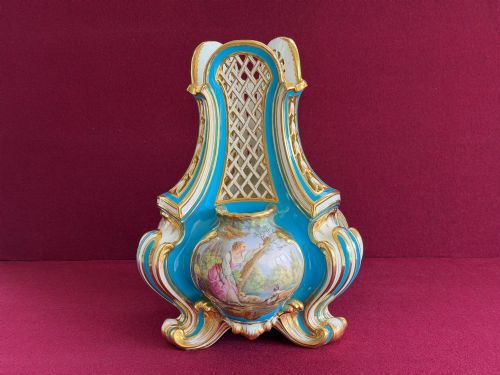
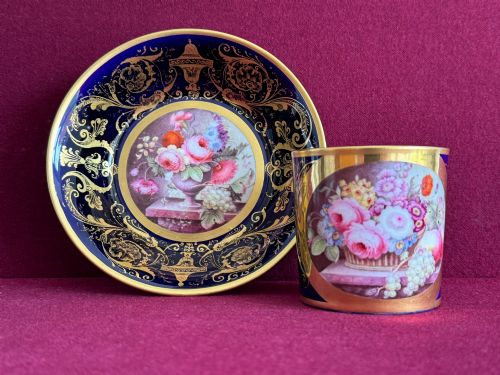
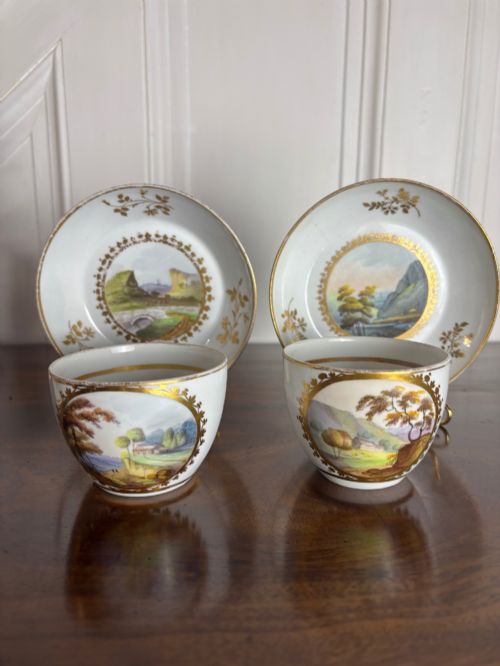
When you search for minton bone china, you encounter a diverse range of items spanning from the Georgian and Regency periods through the Victorian era. The selection encompasses cabinet plates, teacups and saucers, decorative plates, and porcelain figurines.
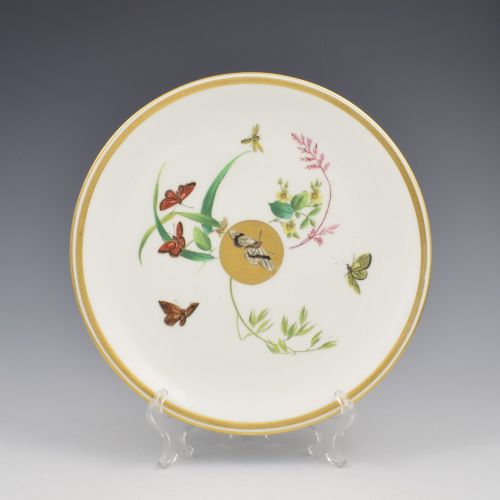
You are most likely to meet Victorian dessert plates and tea services on this page, often featuring elaborate hand-painted details or distinctive moulded forms. Pieces range from early nineteenth-century animal figures to later aesthetic movement designs.
The objects reflect changing tastes across the nineteenth century, moving from classical Regency patterns to vibrant Kakiemon revivals and intricate pate sur pate decorations. Each piece demonstrates the factory's versatility in producing both functional teaware and purely decorative cabinet items.
Materials and manufacture
Minton bone china pieces are formed from refined ceramic paste incorporating bone ash, which creates a durable yet delicate body capable of holding crisp moulded details like basketweave textures. Artisans then applied smooth glazes to provide a glossy, uniform surface for subsequent decoration.
Decoration relied heavily on meticulous hand-painting, often enhanced with enamel glaze colours and generous applications of gold leaf and gilding. Specialised techniques such as pate sur pate involved building up layers of liquid white porcelain paste over a coloured background to create low-relief cameos.
Object forms range from functional tea services and coffee cans to purely decorative cabinet plates and porcelain animal figures.
Assessing quality and execution
The standard of Minton bone china is determined by the precision of the modelling and the skill involved in the hand-painted decoration. Finer examples display delicate brushwork by named artists or specialised workshops, alongside crisp, well-defined moulding on basketweave and figural pieces.
Gilding execution also separates the ranges, with superior items featuring hand-chased or heavily burnished gold leaf rather than flat, plain metallic applications. The complexity of the palette, from vibrant enamel glazes to subtle landscape scenes, dictates the overall sophistication of the piece.
Thomas Steel
The Minton Bone China Glossary
- Bone china
- A type of soft-paste porcelain strengthened with bone ash. It offers a bright white body and translucency.
- Pate sur pate
- A ceramic technique where successive layers of white slip are built up to form a cameo relief. The method requires immense skill to achieve subtle gradations of translucency.
- Kakiemon
- A style of Japanese enamelled porcelain featuring asymmetrical arrangements of flowers, birds, and tigers. Minton adopted these vibrant palettes during the nineteenth century.
- Coffee can
- A straight-sided cylindrical porcelain cup used for drinking coffee during the Regency and Georgian periods. These often featured delicate handle designs and painted landscapes.
- Gilding
- The application of gold leaf or gold powder to ceramic surfaces for decorative emphasis. Burnished applications reflect light more effectively than flat finishes.
Minton Bone China: Frequently Asked Questions
How do I date Minton bone china?
Dating Minton pieces relies on stylistic cues, pattern numbers, and the character of the paste and glazes. Georgian and Regency examples often feature crisp botanical or landscape painting, while Victorian pieces embrace revivalist styles or aesthetic movement asymmetry.
Changes in factory marks across the nineteenth century also help narrow down the period of production. Comparing pattern numbers with historical archives provides further chronological precision.
Can I use Minton teaware daily?
Using antique bone china for dining requires careful handling due to the delicate nature of nineteenth-century glazes and gilding. Hand washing is essential to preserve the hand-painted enamel details and gold leaf.
Sudden temperature changes should be avoided to prevent thermal shock to the ceramic body. Many collectors prefer to reserve these pieces for occasional display or gentle use.
What is pate sur pate decoration?
Pate sur pate translates to paste on paste, involving the gradual buildup of liquid porcelain layers on a darker clay body. This creates a translucent cameo effect with remarkable depth and shadow.
Minton became particularly celebrated for this painstaking technique during the Victorian era. The finest examples showcase incredible sculptural detail within miniature reliefs.
What are Kakiemon patterns?
Kakiemon designs are Japanese-inspired decorative schemes characterised by distinctive enamel colours including iron red, yellow, and turquoise. Minton utilised these motifs on tea sets and plates during the mid-nineteenth century.
These patterns typically feature asymmetrical compositions of tigers, dragons, and flowering branches. They reflect the period's fascination with Eastern aesthetics.