




Antique Ceramic Display
When seeking an antique ceramic display, you find plates, chargers, and bowls shaped by centuries of earthenware and porcelain traditions.
Antique Ceramic Display
An antique ceramic display centres on decorative plates, cabinet plates, chargers, and large bowls created for visual presentation rather than daily dining. These vessels originate from English factories, continental European kilns, and East Asian workshops spanning the eighteenth, nineteenth, and early twentieth centuries.
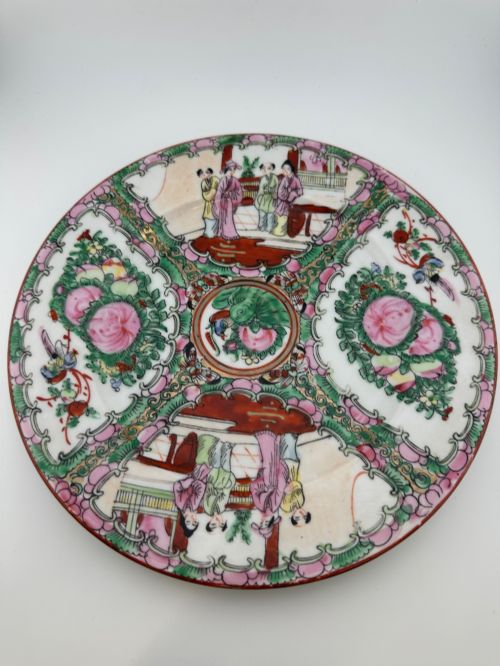
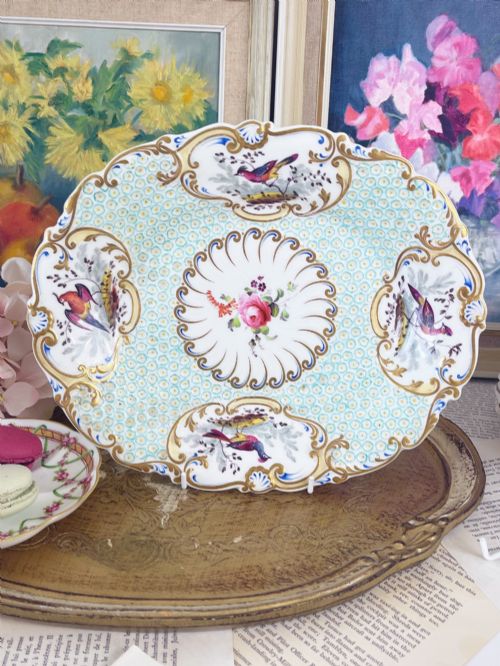
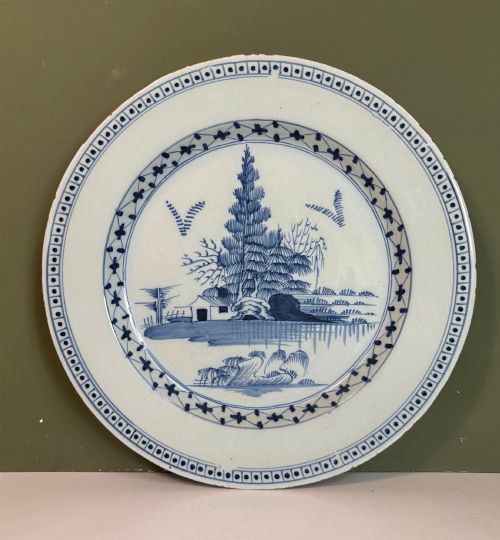
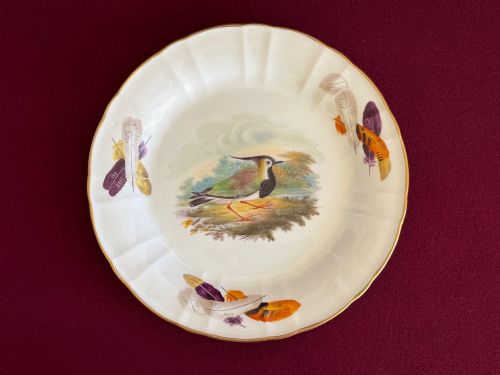
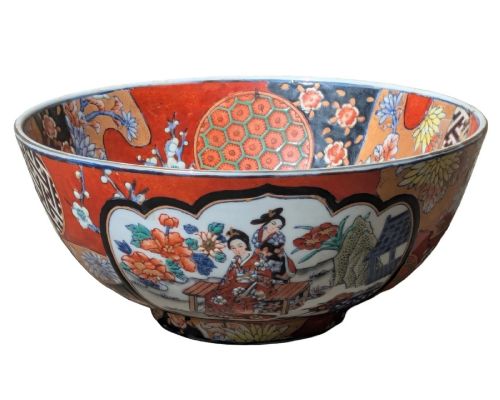
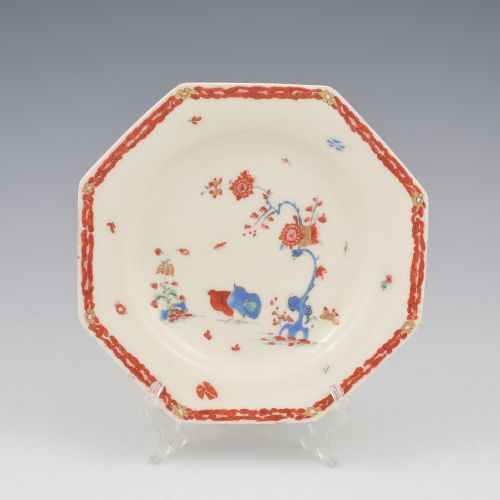
Buyers most frequently encounter large Japanese Imari chargers, English bone china cabinet plates from makers like Royal Worcester, and tin-glazed earthenware dishes from earlier periods. Forms range from octagonal plates and deep punch bowls to topographical cups and large vases designed to sit on furniture surfaces.
The selection reflects both domestic manufacturing centres in Staffordshire and Derby alongside export wares from China and Japan. Each piece carries the stylistic markers of periods such as the Georgian, Victorian, Edwardian, and Qing eras.
Materials and Technique
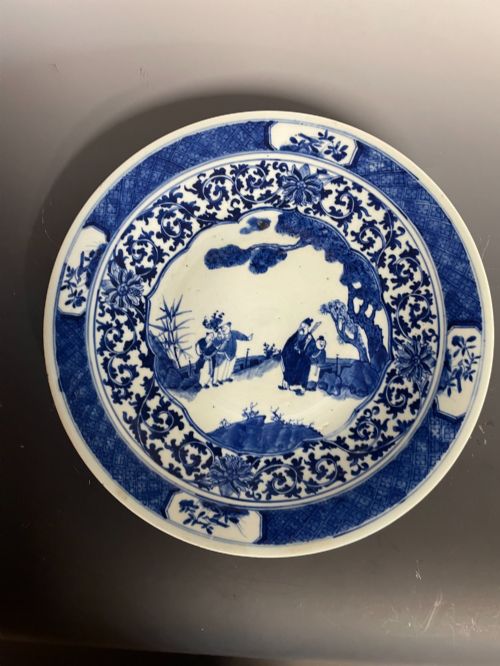
Potters utilised porcelain, bone china, earthenware, ironstone, and tin glaze, applying pigments directly onto the clay body or over opaque white surfaces. Cobalt blue underglaze, enamel colours, and gilt highlights define the decorative schemes across European and Asian traditions alike.
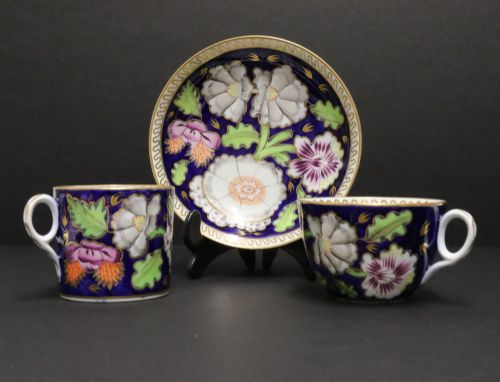
Techniques combine wheel throwing and mould pressing with meticulous handpainting, transfer printing, and polychrome enamel work. Kiln firing fixed the mineral pigments, often requiring multiple firings when gold leaf, iron-red, or intricate millefleurs patterns were added.
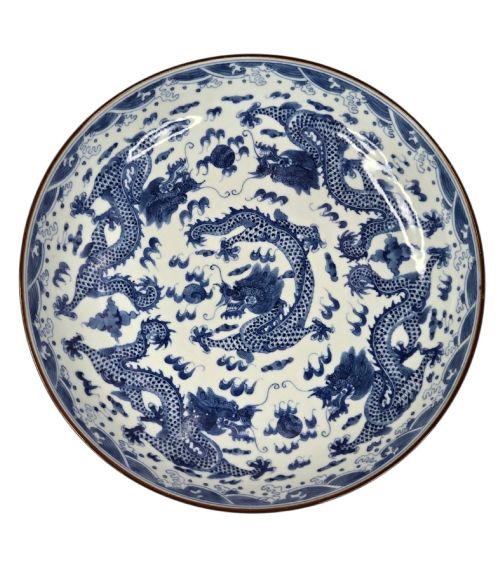
The selection includes Japanese Imari chargers, Chinese export porcelain, and English cabinet plates from Staffordshire potteries.
Judging Quality
Quality rests upon the precision of the brushwork, the crispness of the moulded form, and the purity of the ceramic body. Handpainted details by documented artists display a depth and control that mass transfer-printed items simply do not reach.
The stability of the glaze, the brilliance of the enamel colours, and the preservation of gilt leaf over centuries dictate the standing of a piece. Superior examples maintain their original vibrancy without heavy rubbing or restoration to the clay body.
Royal Crown Derby·Royal Worcester·Meissen·H & R Daniel·Wedgwood·Spode·Bow·Newhall
The Antique Ceramic Display Glossary
- Charger
- A large decorative plate or dish, typically exceeding twelve inches in diameter, meant for display on a wall or dresser rather than table service.
- Cabinet Plate
- A fine ceramic plate produced primarily for visual display within a glass-fronted cabinet rather than practical dining use.
- Imari
- A style of Japanese porcelain featuring a distinct palette of underglaze blue, iron red, and gilt, widely exported to Europe.
- Bone China
- A type of soft-paste porcelain incorporating animal bone ash, resulting in a strong, milky-white body suited to delicate painted designs.
- Tin Glaze
- An opaque white glaze containing tin oxide, applied to earthenware to create a smooth surface for painted decoration, seen on Delftware and maiolica.
Antique Ceramic Display: Frequently Asked Questions
How were antique ceramic display pieces used?
These vessels served primarily as decorative items in reception rooms, dining parlors, and cabinets. Large chargers hung on walls or stood on sideboards, while cabinet plates highlighted the wealth and taste of the household.
Unlike everyday tableware, display ceramics remained protected from heavy use, preserving their handpainted enamel surfaces and gilded borders for future generations.
How do I identify a Japanese Imari charger?
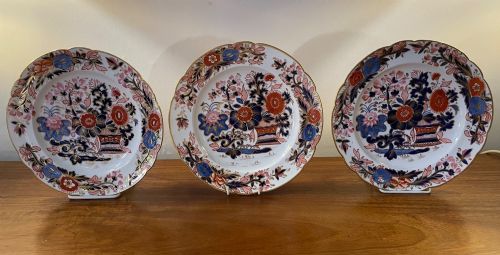
Japanese Imari pieces typically feature a dense composition utilising underglaze cobalt blue combined with rust-red enamel and gold highlights. Motifs often include floral arrangements, birds, and brocade patterns.
Originating from the Arita region, these export wares date heavily from the Meiji period and late nineteenth century, displaying a characteristic weight and resonant porcelain ring.
What is the difference between earthenware and porcelain?
Earthenware is a porous, opaque ceramic fired at lower temperatures, requiring a glaze such as tin or lead to remain watertight. Porcelain is a dense, vitreous ceramic fired at high heat, often translucent when held to light.
While early Delftware and Staffordshire pieces utilise earthenware bodies, fine cabinet plates and oriental vessels rely on hard-paste porcelain or bone china.
How should I display antique plates safely?
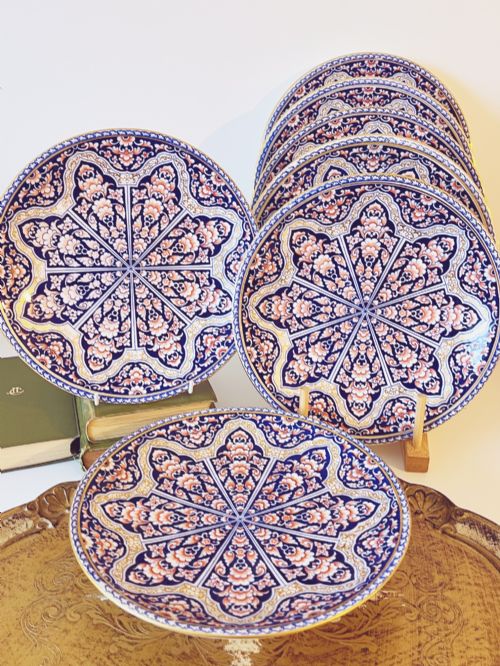
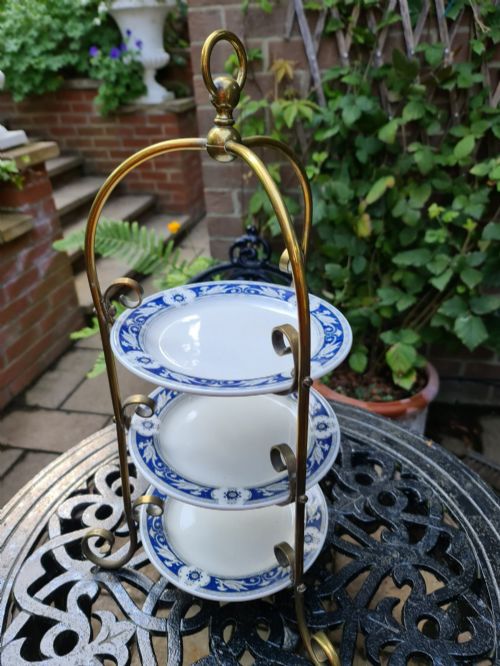
Plates designed for display require secure wall hangers with protective rubber tips or stable vertical plate stands that distribute weight evenly. Avoid direct sunlight to prevent enamel fading.
When placing pieces on open shelving or furniture tops, ensure the surface is level and free from vibration to protect fragile edges and historical glazes.