





Early Twentieth Century Figurines
Early twentieth century figurines capture the spirit of their era in bronze, porcelain, and terracotta, offering enduring appeal for collectors.
Early Twentieth Century Figurines
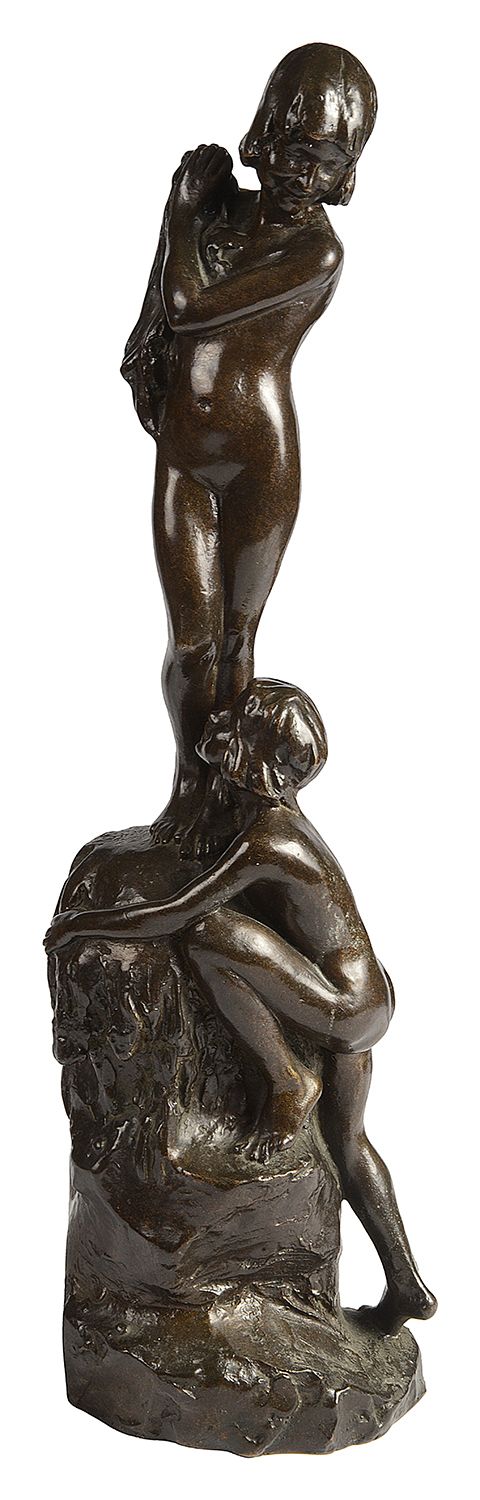
Early twentieth century figurines comprise small sculptural works executed in materials such as bronze, porcelain, and terracotta, reflecting diverse artistic movements. These objects encompass animalier studies, human figures, and figural planters produced during the Edwardian period and the early decades of the twentieth century.
Buyers seeking early twentieth century figurines encounter varied subjects ranging from realistic wildlife and domestic animals to mythological figures and human characters. The selection includes works created in European workshops alongside pieces originating from China and America.
How they were made
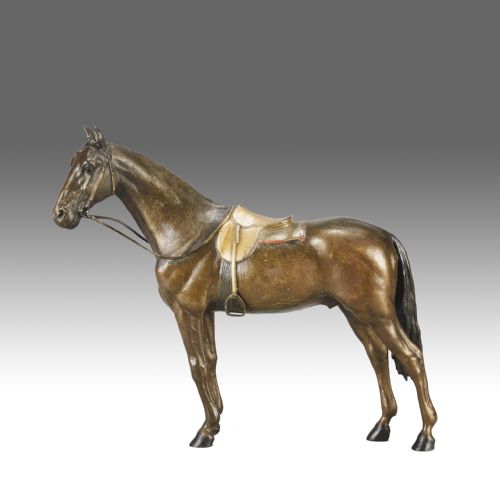
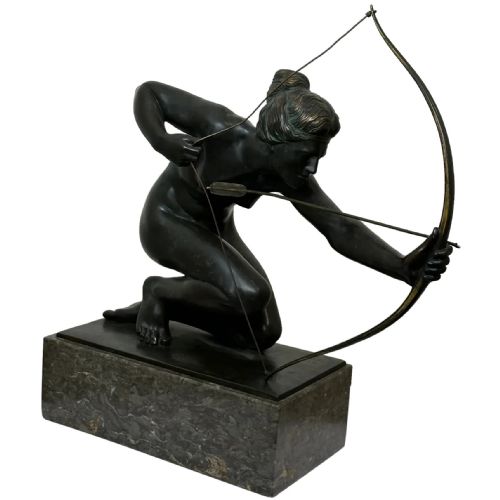
Many early twentieth century figurines utilise the lost-wax casting method for bronze works, allowing for intricate detail in subjects like animals and human forms. Artisans then applied cold-painted finishes directly onto the metal surface to add colour and realism.
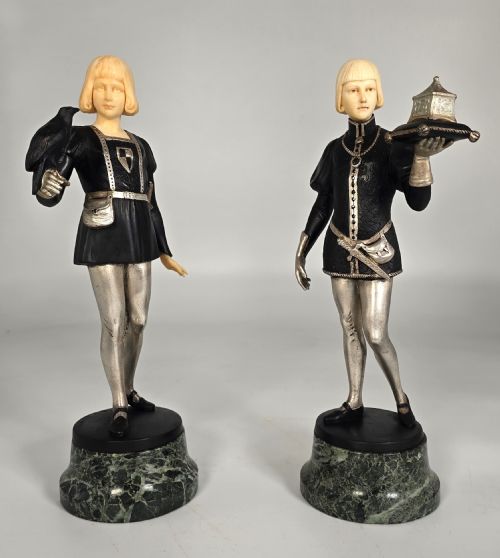
Other examples employ porcelain or terracotta moulded and fired in kilns, followed by hand-painting and glazing. Combined with materials like carved ivory or mounted marble bases, these techniques defined the physical character of the period's output.
Listings feature bronze, porcelain, and terracotta materials across Edwardian and early twentieth century periods.
What varies in quality
The standard of an early twentieth century figurine depends heavily upon the crispness of the casting and the preservation of any cold-painted or glazed surface decoration. Finer examples display meticulous attention to anatomical detail and subtle tonal variation in the colouring.
Signatures, foundry marks, and the quality of secondary materials such as ivory or marble plinths further distinguish exceptional pieces from standard commercial production.
Franz Bergman·Gotthilf Jaeger·Clovis Masson·P J Mêne·Jennings Brothers
The Early Twentieth Century Figurines Glossary
- Cold-Painted Bronze
- Bronze sculpture decorated with non-fired paint applied directly to the metal surface. This technique was widely utilised by Austrian foundries.
- Animalier
- A nineteenth and early twentieth century artistic style focusing on the realistic depiction of animals. Sculptors in this tradition studied animal anatomy closely.
- Vienna Bronze
- Small bronze sculptures produced in Vienna, typically characterised by detailed cold-painted finishes. These pieces often depicted animals, human figures, or humorous scenes.
- Terracotta
- Fired clay used for sculptural works and utilitarian objects such as planters. The material allows for expressive modelling before the firing process.
Early Twentieth Century Figurines: Frequently Asked Questions
What materials were used?
Figurines from this period were cast in bronze or moulded in porcelain and terracotta, sometimes incorporating carved ivory and mounted on marble bases.
Surfaces were frequently finished with cold-applied paint, glazes, or patination to enhance the visual detail.
How do I identify periods?
Dating relies on stylistic markers such as Art Nouveau curves, Art Deco geometry, or Edwardian realism, alongside any foundry marks and signatures.
Examining the casting technique and the wear on painted surfaces also helps determine the age of the piece.
Where were they made?
Production spanned across European foundries in Austria, France, and Bohemia, as well as workshops in America and China.
Each region contributed distinct stylistic traditions and material preferences to the market.
How do I care for them?
Bronze pieces require gentle dusting and occasional light waxing to protect metal patinas, while cold-painted surfaces must be kept away from moisture and direct sunlight.
Porcelain and terracotta figures need careful handling to avoid chipping delicate extremities or glaze.