



German Art Deco Sculpture
German art deco sculpture captures the sleek lines and modern spirit of the interwar years through striking figures and decorative objects.
German Art Deco Sculpture
When you search for german art deco sculpture, you encounter figures, mantel clock sets, and table lamps that define the aesthetic of the period. These works originate predominantly from the 1920s and 1930s, capturing the dynamic energy of the era through stylised human forms and animals.
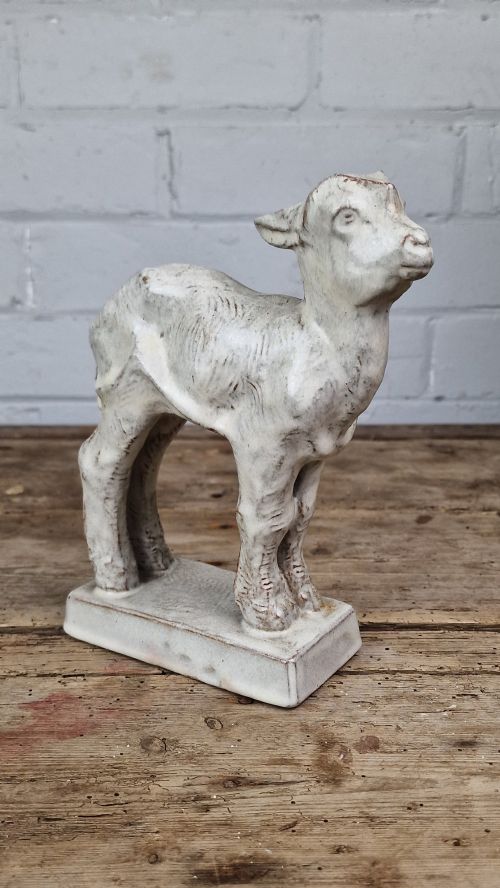
The objects on this page range from cold painted bronze studies to delicate porcelain figures and terracotta models. Many pieces reflect the popular motifs of the time, including dancers, greyhounds, and German shepherd dogs.
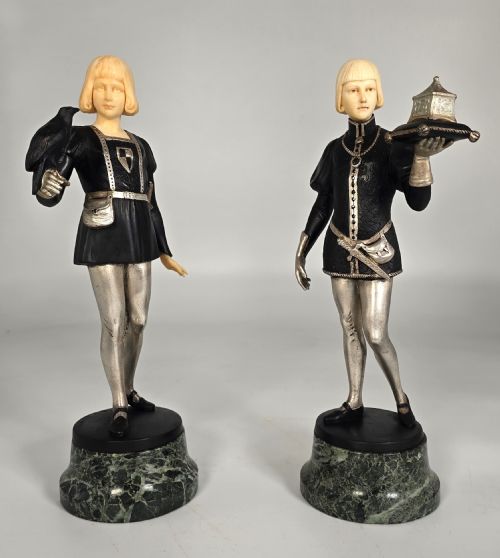
Makers and modellers from this era utilised a variety of materials to achieve striking visual contrasts. You frequently find combinations of bronze and ivory, or porcelain figures mounted on marble bases.
How they were made
Makers combined traditional casting methods with modern styling, utilising bronze for figures and mounting them on marble plinths. Cold painting and gilding added surface detail to bronzes, while enamels brought colour to ceramics.
Porcelain works relied on precise moulding and specialist glaze techniques, seen in blanc de Chine and green dress figures. Terracotta models were cast and finished with detailed hand-painting to capture realistic animal textures.
Watch for alert Alsatians glowing gently on marble as night lights.
What varies in quality
Material combinations also influence the standing of a piece, particularly the quality of the marble bases and the preservation of original cold painting, gilding, or enamel work. Sculptures bearing the clear signature of a known modeller generally demonstrate superior artistry.
Ferdinand Preiss·Paul Scheurich·Gotthilf Jaeger·Rosenthal·Theo Voss·Albert Hussmann·Michel Decoux·Karl Tutter·Gustav Adolf Daumiller
The German Art Deco Sculpture Glossary
- Cold painted
- A bronze finishing technique where paint is applied without heat, making it delicate and prone to wear over time. This method allowed for vibrant coloration on interwar figures.
- Blanc de Chine
- A white porcelain glaze originating from China that European factories adopted for figures and sculptural groups. It creates a smooth, uniform surface that highlights sculptural contours.
- Garniture
- A set of ornamental objects for a mantelpiece, often comprising a clock flanked by matching decorative figures. In art deco settings, these frequently incorporate cast animal sculptures.
- Terracotta
- Fired clay used for sculptural models and figures before glazing or painting. It allowed artists to produce detailed animal and human forms relatively quickly.
- Night light
- A functional decorative lamp designed to emit a soft glow, often featuring sculptural animal figures mounted on marble. These combined ambient lighting with art deco styling.
German Art Deco Sculpture: Frequently Asked Questions
What materials are used in german art deco sculpture?
These works feature a diverse range of materials, including bronze, marble, terracotta, and porcelain. Many pieces also incorporate elements of ivory, gilding, enamel, and specialised glazes.
Makers often combined these substances, such as mounting bronze figures on heavy marble bases or pairing porcelain with hand-painted details to enhance the visual impact of the design.
How do I identify a period german art deco sculpture?
Look for characteristic design motifs of the 1920s and 1930s, such as stylised human figures, sleek animal forms, and geometric bases. Signatures or factory marks stamped into the bronze or glazed onto the porcelain base also help confirm authenticity.
Many pieces reflect the fashion and culture of the interwar years, depicting dancers, modern dog breeds like German shepherds and greyhounds, or mythological subjects treated in a contemporary manner.
How were these sculptures used originally?
Most of these objects served as decorative items for the home, displayed on mantelpieces, side tables, or desks. Some pieces, such as mantel clock sets and night lights, served a dual purpose of telling time or providing ambient illumination.
Figurines and sculptural groups were prized as modern art objects that reflected the sophisticated tastes of their owners during the Edwardian period and the interwar decades.
How should I care for art deco bronze and porcelain?
Bronze sculptures require gentle dusting with a soft cloth and should be kept away from excessive moisture to protect any cold-painted surfaces or gilding. Marble bases benefit from dry cleaning without harsh chemical polishes.
Porcelain and ceramic figures can be cleaned with a damp cloth if unglazed, but glazed surfaces need careful handling to avoid chipping delicate extremities like fingers or animal ears.