
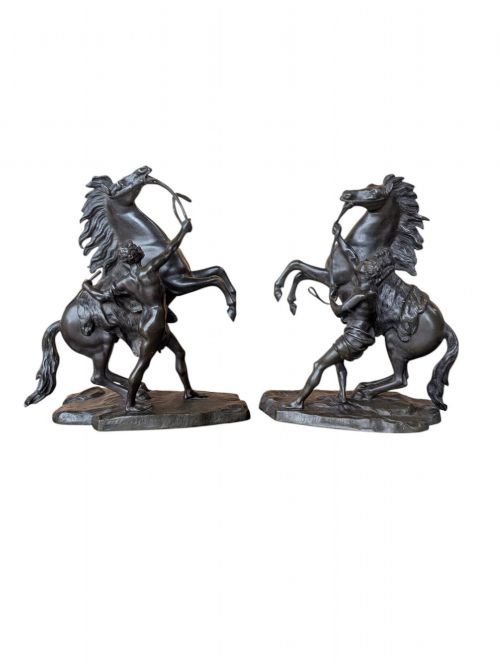


Classic Bronze Figurines
Classic bronze figurines bring expressive sculptural form into a room, offering tactile metalwork from the nineteenth and early twentieth centuries.
Classic Bronze Figurines
Classic bronze figurines encompass small-scale sculptures, animalier studies, and character busts produced across the nineteenth and early twentieth centuries.
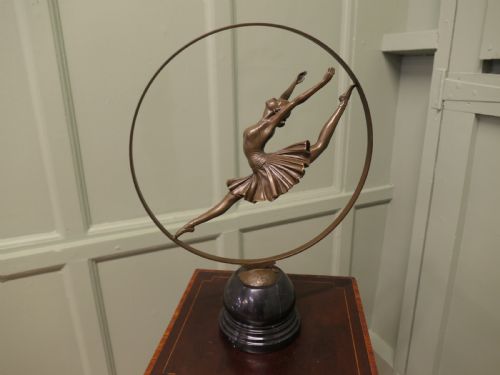
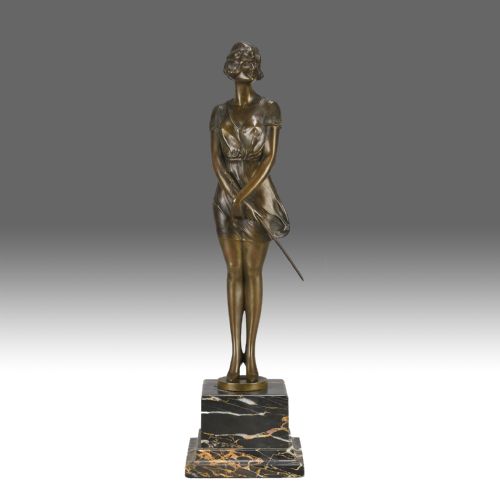
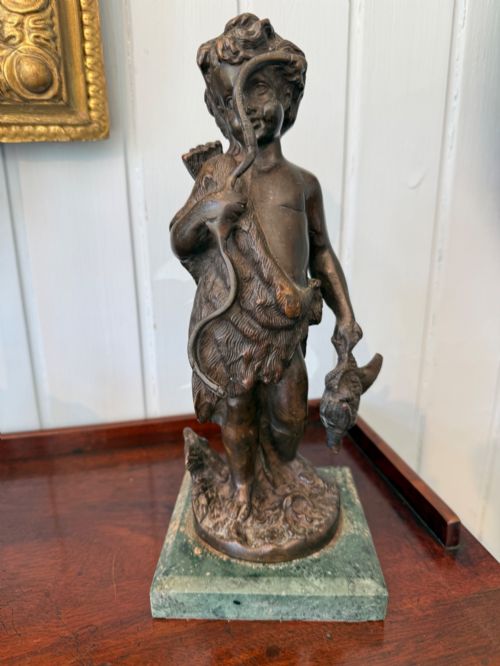
A buyer searching for classic bronze figurines will encounter subjects ranging from mythological cherubs and classical lions to Art Deco dancers and animal studies.
The selections span distinct historical movements including Neoclassical, Victorian, Art Nouveau, and Art Deco styles.
Materials and construction
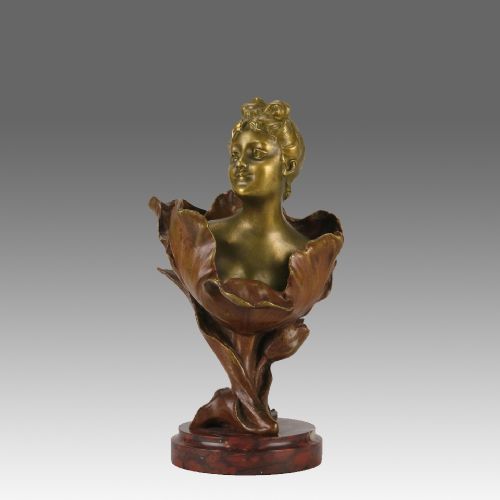
Makers utilised cast bronze, often finished with a dark patina, painted surfaces, or gilt applications to accentuate the metallic contours.
Many figures incorporate secondary materials, mounting heavy bronze sculptures onto carved marble bases or integrating them with glass beads and fabric elements.
Foundries employed traditional casting methods, resulting in substantial metal objects that were frequently signed by the sculptor or foundry.
One cheerful automotive touch includes a bronze poodle dog fashioned specifically as a classic car mascot.
Evaluating sculptural quality
Sculptural refinement depends upon the crispness of the casting detail and the expressive execution of the human or animal form by the artist.
The quality of the patination and the integration of the bronze figure with its supporting marble base significantly influence the visual impact of the piece.
Bruno Zach·Henri Godet·Auguste Nicholas Cain·Ferdinand Preiss·Barbedienne·Francisque Joseph Duret
The Classic Bronze Figurines Glossary
- Bronze
- An alloy of copper and tin traditionally used for durable metal casting. It develops an attractive surface oxidation over time.
- Patina
- The chemical or natural surface coloration applied to bronze. It enhances the depth and visual texture of the metal.
- Animalier
- A nineteenth-century artistic style focusing on realistic depictions of animals. These sculptures capture creatures in natural or dramatic poses.
- Grand Tour
- Souvenirs and classical replicas acquired by travellers in Europe during the nineteenth century. They often reference ancient sculptural works.
Classic Bronze Figurines: Frequently Asked Questions
How do I identify a genuine bronze figurine?
Examine the weight, temperature, and surface texture of the object. Bronze feels cold to the touch and possesses a dense, heavy quality distinct from resin or plated substitutes.
Look for casting seams, artist signatures, and foundry marks rather than uniform machine finishes. A genuine patina develops naturally or via controlled chemical application, showing subtle tonal variations.
What periods do these figurines come from?
These sculptures originate predominantly from the nineteenth century through the early twentieth century. Common periods include the Victorian era alongside Art Nouveau and Art Deco movements.
Stylistic markers such as classical drapery, naturalistic animal anatomy, or geometric modernist lines help distinguish the specific decade of production.
How should I clean bronze sculptures?
Dust the metal gently with a soft, dry brush to prevent accumulation in recessed details. Avoid using abrasive cloths, water, or chemical polishes that can strip the historic patina.
Applying a microcrystalline wax periodically helps protect the metal surface from atmospheric moisture and handling oils.
Why are some figures mounted on marble?
Marble bases provide structural stability for heavy metal sculptures and add a decorative architectural element. Nineteenth-century and Art Deco makers frequently paired dark patinated bronze with contrasting coloured marble plinths.
This mounting technique also elevates the artwork, framing the figurine clearly when displayed on a table or mantelpiece.