




Vintage Bronze Mantel Statues
These vintage bronze mantel statues bring figurative grace and animalier movement directly to a room, cast in heavy metal and stone.
Vintage Bronze Mantel Statues
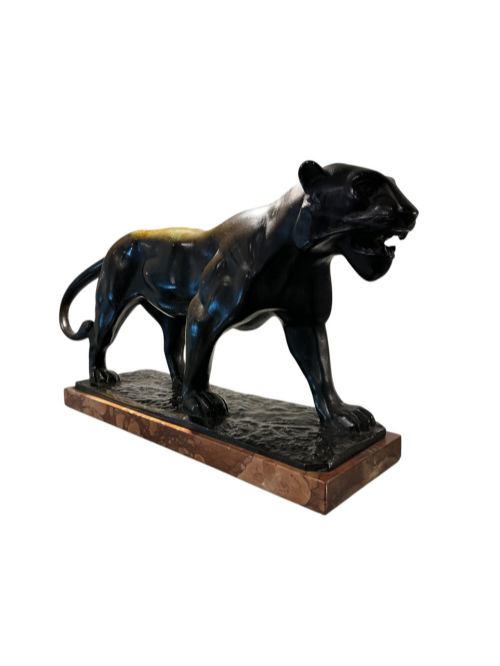
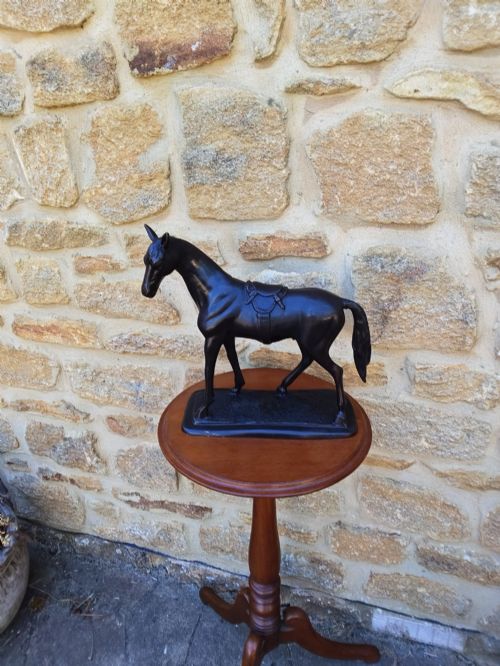
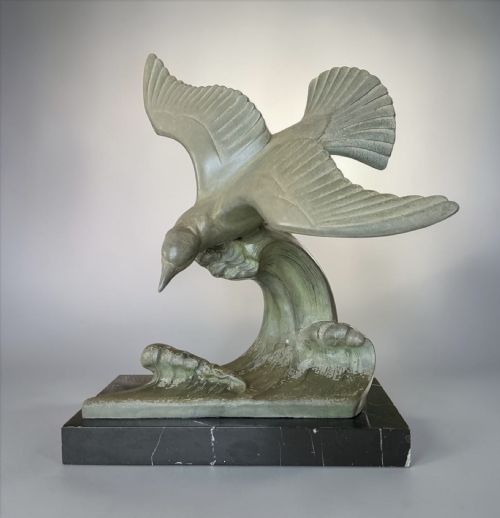
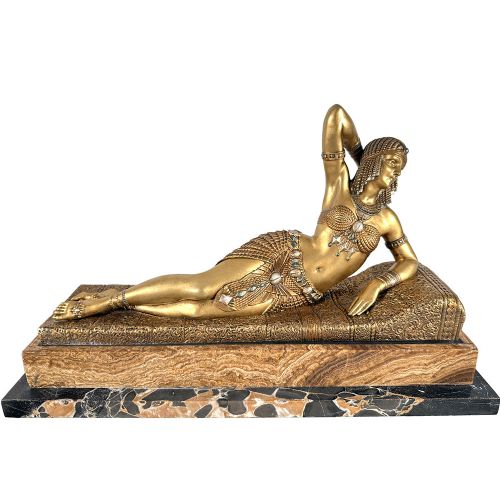
Vintage bronze mantel statues encompass a wide range of sculptural figures, animals, and decorative objects designed to sit upon a fireplace shelf or side furniture. When searching for vintage bronze mantel statues, buyers encounter dancers, gladiators, hunters, and wild beasts captured in dynamic or resting poses.
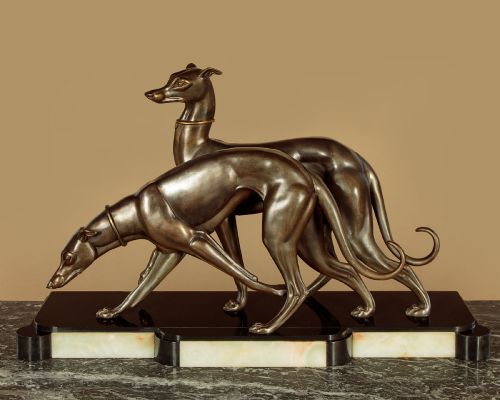
The selection leans heavily toward early twentieth-century creations, particularly Art Deco figures and animalier studies. Many pieces pair metal with bases of marble, onyx, or alabaster to anchor the weight and provide a contrasting plinth for the sculpture.
Materials and Technique
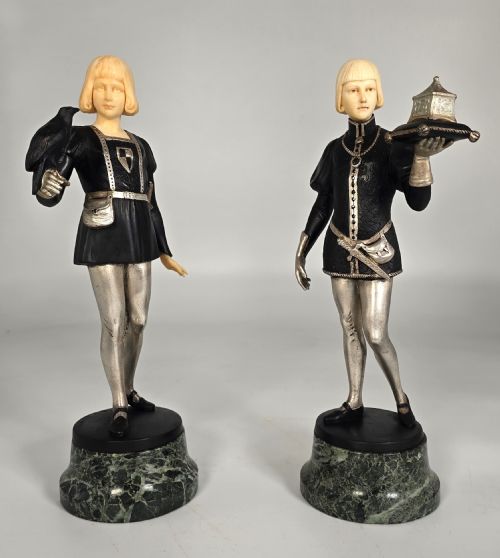
Foundry work relies on casting metal, predominantly bronze or alternative alloys like spelter and patinated metal, often finished with silvering or gilding. Chryselephantine pieces integrate carved ivory alongside metal casting to render faces, hands, and garments with distinct textural contrast.
Plinths and bases utilise heavy natural stones such as marble, alabaster, and onyx, cut and polished to support the metal figures. Many sculptures bear signatures, foundry marks, or patination that indicate the specific handling of the surface during the finishing process.
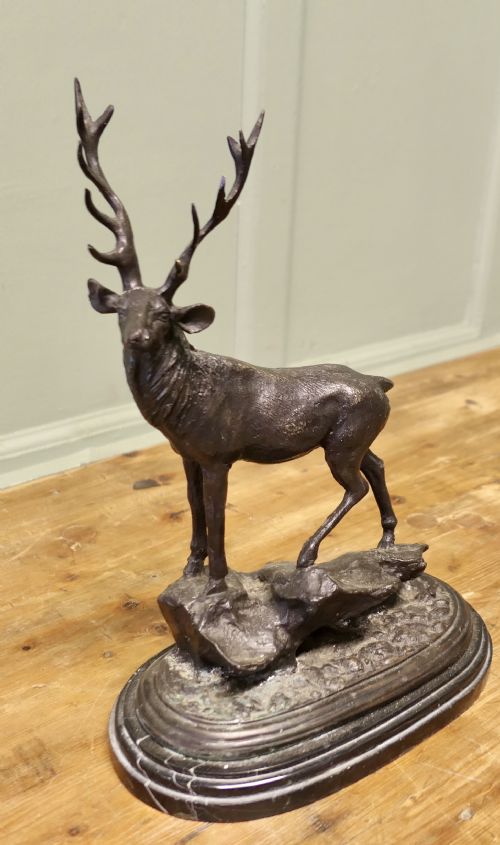
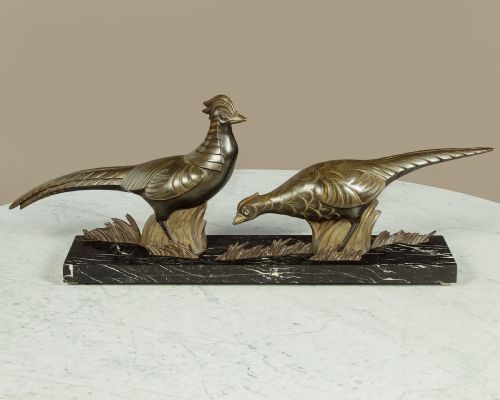
Stags, golden pheasants, and rearing bulls share the mantelpiece with dancers and clock-crowned cherubs in this menagerie.
Assessing Quality
Quality rests in the crispness of the casting detail, where hair, drapery, and musculature remain sharp rather than softened by worn moulds. The integration between the metal figure and its stone base demonstrates the care taken in original assembly.
The depth and preservation of the original patination dictate visual success, alongside the presence of artist signatures or recognised foundry marks. Heavier, more substantial metalwork combined with dense marble or onyx plinths indicates superior production standards.
Josef Lorenzl·Demetre Chiparus·Pierre Le Faguays·P J Mêne·Franz Bergman
The Vintage Bronze Mantel Statues Glossary
- Animalier
- A term for nineteenth and twentieth-century art featuring realistic depictions of animals, particularly wild beasts in motion or repose. These sculptures often focus on anatomical precision and natural behaviour.
- Chryselephantine
- A technique combining bronze with carved ivory, frequently utilised in Art Deco figures to render flesh and clothing in distinct materials. This method requires expert jointing between the metal armature and organic elements.
- Spelter
- A zinc-based alloy commonly used as a cost-effective alternative to bronze in decorative figures and lamps. It accepts patination and paint finishes that mimic heavier metals.
- Patination
- The surface coloration and chemical finish applied to metal sculpture over time or through artificial means. A stable patina protects the underlying alloy and defines the visual tone.
- Garniture
- A set of ornamental objects, typically comprising a mantel clock flanked by matching vases or sculptural figures. These matched groups decorated fireplace mantelpieces in period interiors.
Vintage Bronze Mantel Statues: Frequently Asked Questions
What is the difference between bronze and spelter?
Bronze is a durable alloy of copper and tin that yields a heavy, crisp casting capable of holding fine detail over centuries. Spelter is a softer zinc-based alloy that was frequently utilised as an economical alternative during the Art Deco period.
Objects cast in spelter generally feel lighter and require more careful handling to prevent surface damage or stress fractures at weight-bearing points.
How should I clean a patinated metal statue?
Dusting gently with a dry, soft brush or microfiber cloth is sufficient for routine maintenance. Avoid using water, household detergents, or metal polishes, as these chemical agents strip away the historic patina.
Preserving the original surface finish maintains both the visual character and the historical integrity of the sculpture.
Why are many figures mounted on marble bases?
Marble and onyx plinths provide essential structural weight to anchor cantilevered or dynamic figures safely on a mantelpiece. The dense stone also creates a formal visual boundary between the sculpture and the furniture beneath it.
Different colours and grains of marble were selected to complement the patination of the metal above.
How do I identify Art Deco pieces?
Art Deco sculptures typically feature streamlined geometry, stylised drapery, and modern subjects such as dancers, athletes, and sleek animals like panthers. The poses emphasise kinetic energy and clean vertical or horizontal lines.
Signatures from makers active in Paris during the interwar decades often appear directly on the bronze or on the stone plinth.