




Silvered Bronze Statuette
A silvered bronze statuette captures the elegance of the early twentieth century through gleaming metal finishes and dynamic poses.
Silvered Bronze Statuette
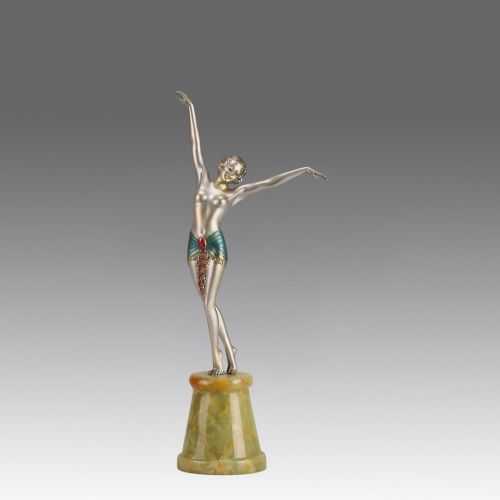
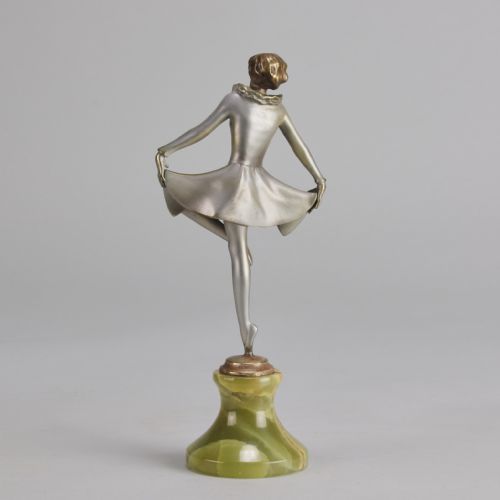
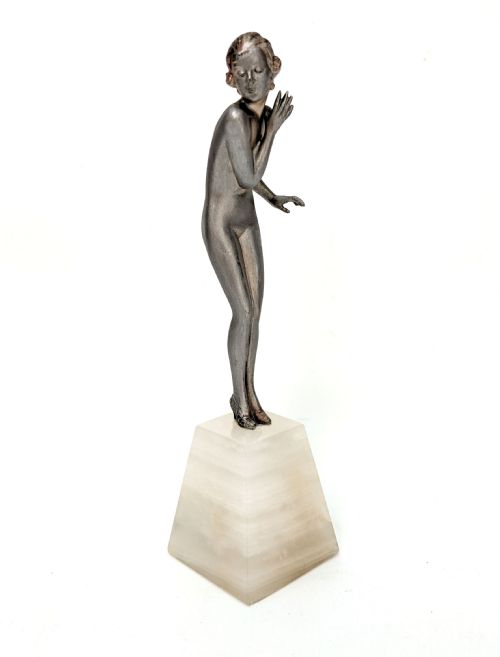
A silvered bronze statuette represents figures and animals from the early twentieth century, particularly emerging during the nineteen twenties and nineteen thirties. These works frequently embody the Art Deco style, capturing dancers, nudes, and animal subjects with distinct modernity.
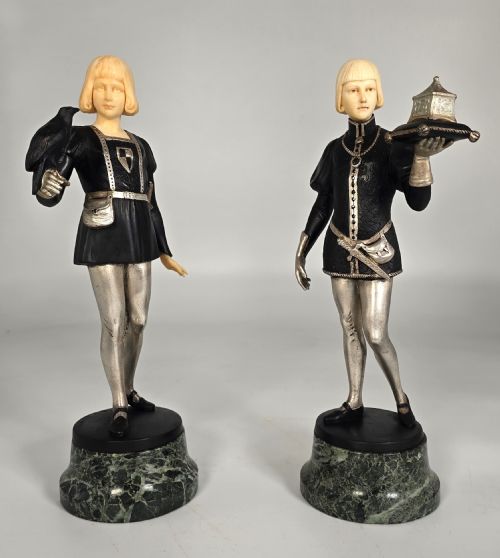
The objects take the form of sculptures, figurines, and statuettes often mounted on bases of marble or onyx. Buyers encounter depictions of human dancers, mythological figures, and wildlife such as foxes and panthers.
Most examples originate from the interwar decades, reflecting the artistic currents of European workshops and sculptors working in bronze, silvered bronze, and spelter. These pieces serve as decorative focal points that embody the aesthetic preoccupations of the period.
How they were made
Maker utilise bronze casting techniques to create the core form of each statuette before applying a silvered finish to the metal surface. Cold-painted details and enamel sometimes complement the metallic sheen.
Listings feature works from the nineteen twenties and nineteen thirties, combining bronze, silvered bronze, and spelter on marble and onyx bases.
What varies in quality
The choice of base material and the preservation of the silvered bronze or cold-painted surface influence the overall integrity of the object. Weight, proportion, and the harmony between the metal figure and its marble or onyx plinth distinguish finer examples.
Ferdinand Preiss·Josef Lorenzl·Gotthilf Jaeger·Claire Jeanne Roberte Colinet·Demetre Chiparus·Michel Decoux·Pierre le Faguays
The Silvered Bronze Statuette Glossary
- Silvered bronze
- A bronze alloy treated with a silver coating to provide a bright, reflective surface finish. This treatment was popular in modernist sculpture to catch the light.
- Art Deco
- A design style dominant in the nineteen twenties and nineteen thirties characterised by sleek lines, stylised forms, and geometric symmetry. It heavily influences the posture and dress of figurative statuettes.
- Cold-painted bronze
- Bronze sculpture painted with oil-based paints that are not fired in a kiln. This technique allows for vibrant polychrome details on garments and skin.
- Spelter
- A zinc alloy frequently utilised as a cost-effective alternative to bronze in interwar figural casting. It provides a lighter base for metallic finishes.
- Animalier
- The realistic depiction of animals in sculpture, capturing natural movement and anatomy. This genre is well represented by studies of foxes and panthers.
Silvered Bronze Statuette: Frequently Asked Questions
What periods do these statuettes come from?
The listed pieces originate primarily from the early twentieth century, specifically spanning the nineteen twenties and nineteen thirties. These decades coincide with the height of the Art Deco movement.
Craftsmen and artists working during this interwar period produced sculptural works that reflect contemporary aesthetics, fashion, and dance.
What materials are used in these sculptures?
Bronze and silvered bronze form the primary metallic medium for the figures, often paired with bases made of marble or onyx. Some pieces incorporate ivory, enamel, or cold-painted details.
Alternative works utilise spelter as a metal base for figural representations instead of traditional bronze.
How should I display a statuette at home?
These sculptures suit stable, flat surfaces such as sideboards, mantels, or dedicated display cabinets where their forms can be viewed from multiple angles. Ensuring the marble or onyx base rests securely prevents accidental tipping.
Keep the statuettes away from direct heat sources and excessive moisture to protect the silvered bronze and cold-painted finishes.
How do I distinguish bronze from spelter?
Bronze offers a heavier weight and a more resonant feel, whereas spelter is a softer, lighter zinc alloy that may show a different texture beneath worn finishes. Examining the underside or unpolished areas often reveals the base metal.
Documentation and artist signatures frequently accompany authentic bronze castings from the period.