
Gilt Bronze Vases
These gilt bronze vases bring weight and a rich metallic gleam to a room, combining classical form with meticulous nineteenth-century metalwork.
Understanding Gilt Bronze Vases
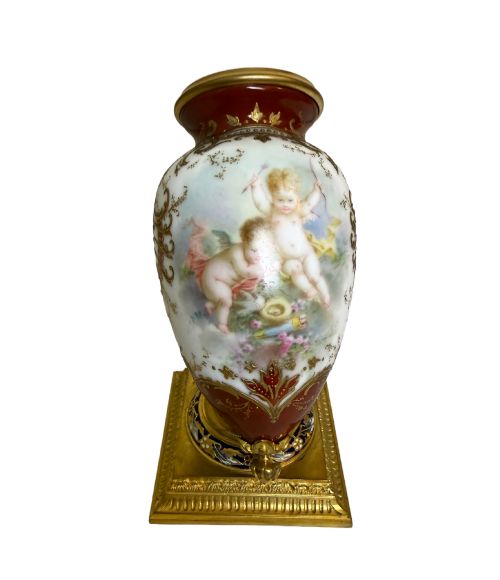
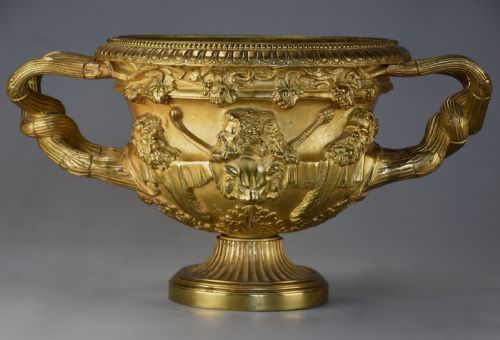
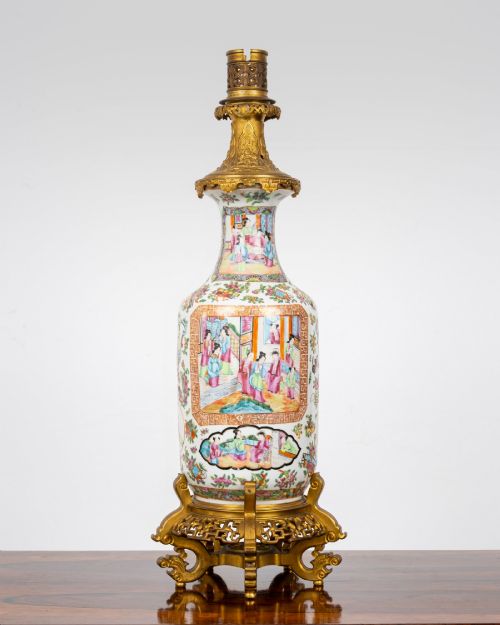
Gilt bronze vases combine cast metal forms with a golden surface layer, appearing frequently as nineteenth-century French, Chinese, and Japanese decorative pieces. Buyers examining this page encounter grand tour souvenirs, classical urns, and champleve enamel designs suited to formal mantelpieces and display tables.
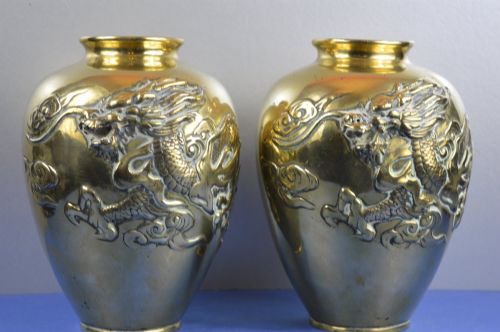
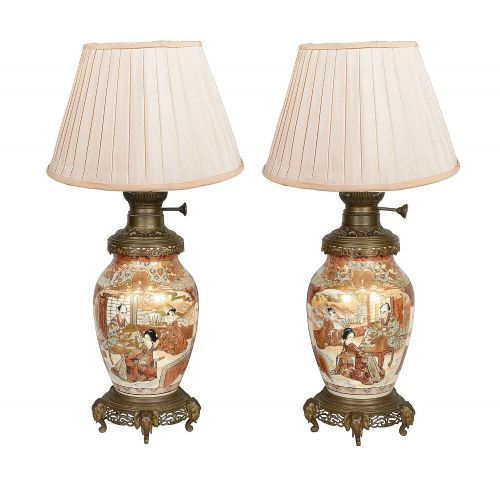
The selection ranges from French Empire Restauration pairs to Meiji period Japanese bronzes and Late Qing dynasty dragon vases. Many incorporate contrasting materials such as marble, cobalt glass, onyx, and ceramic bodies alongside the primary metalwork.
Materials and Construction
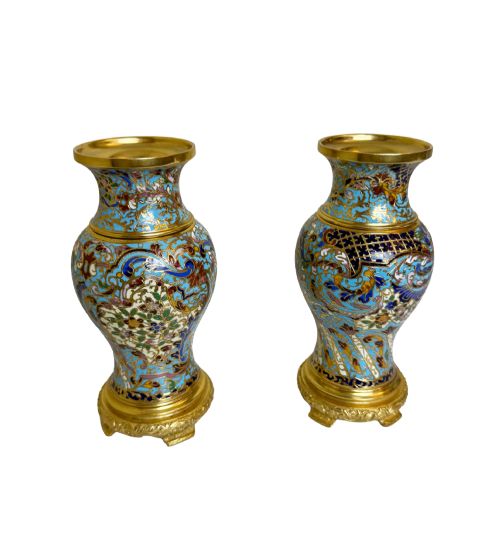
Craftsmen cast the core structure in bronze, brass, or gilt metal before applying surface gilding, ormolu, and silvered finishes. Details often emerge through raised metalwork, champleve enamelling, and mixed metal techniques on Japanese and Chinese items.
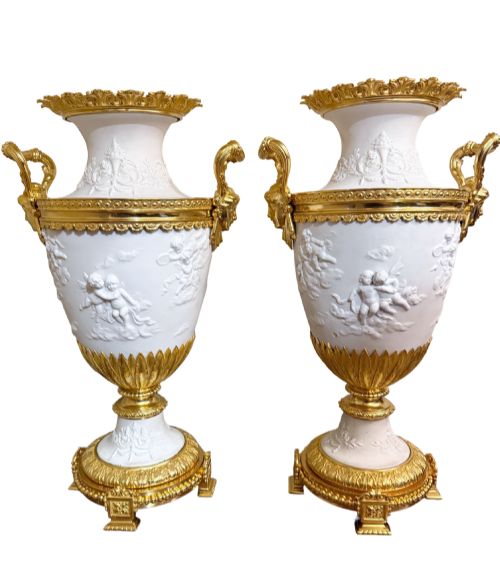
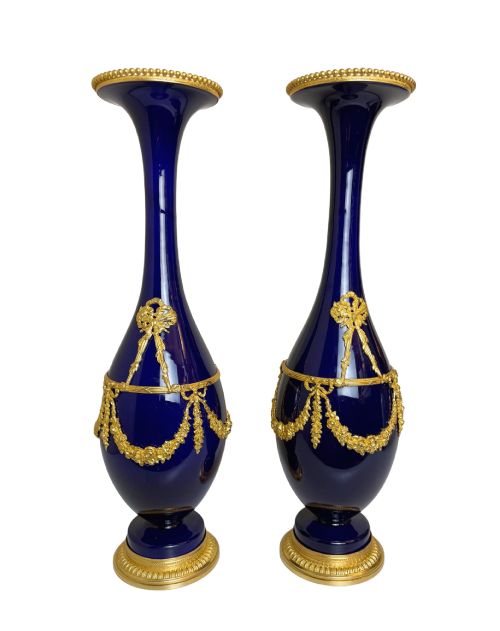
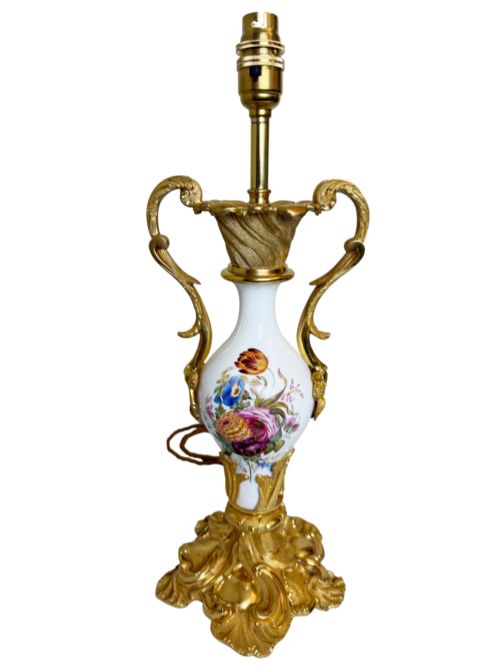
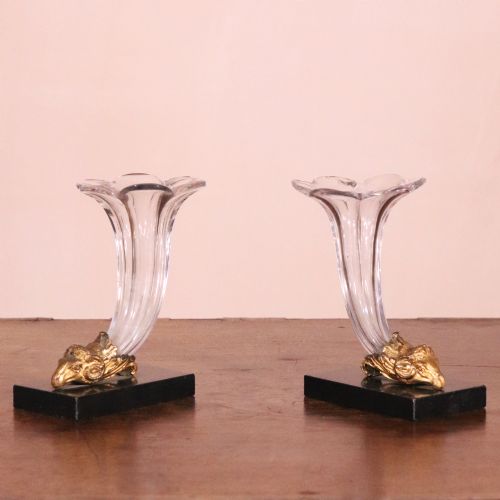
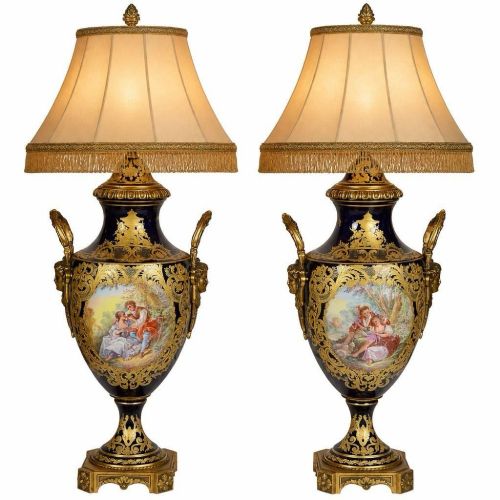
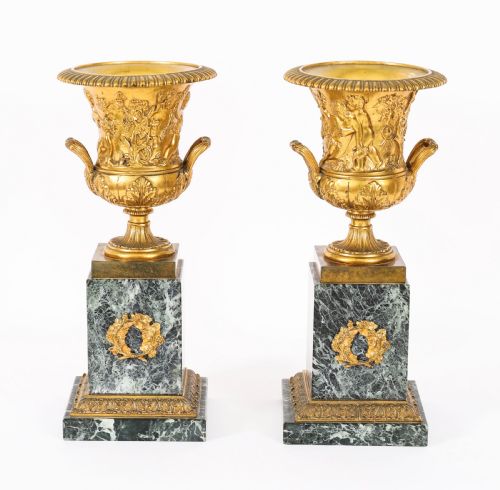
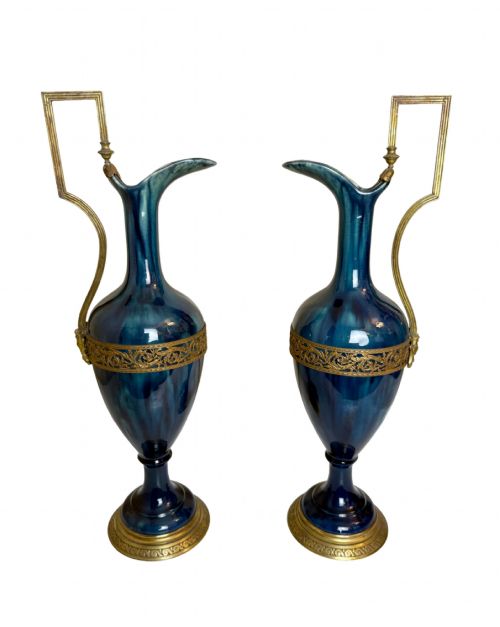
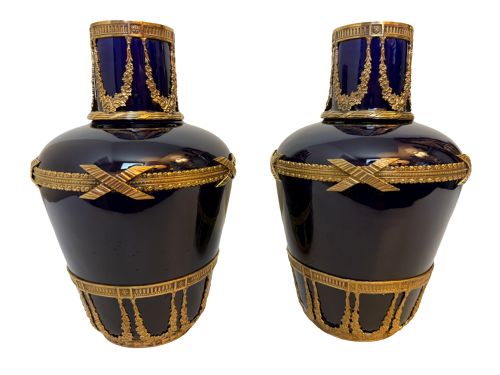
Many designs integrate stone and glass elements, mounting bronze and gilt bronze mounts onto green marble, antico verde, onyx, and blue or cobalt glass bodies. Wedgwood basalt and pottery components also form the central bodies of specific classical Revival examples.
Retail Price Guide 2026
Typical UK retail prices for gilt bronze vases, calculated from the Sellingantiques database of over a million retail prices indexed since 2003. This retail price guide relies exclusively on Sellingantiques data; no external sources or auction records are used, so the figures do not describe the wider market.
Some heavy Chinese dragon vases tip the scales at five kilograms of solid metal.
Assessing Quality and Execution
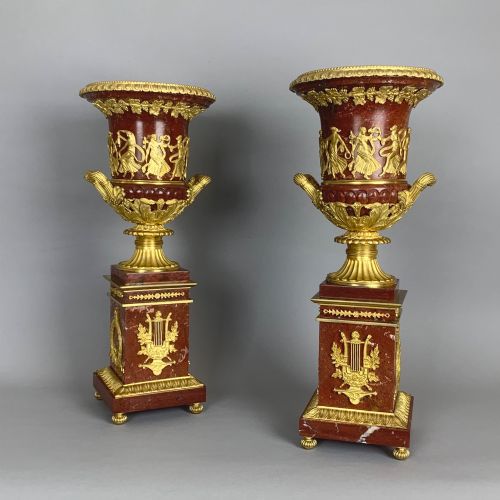
Superior examples demonstrate crisp, deep chasing in the bronze casting, where foliage, figures, and classical motifs retain sharp definition rather than soft edges. The quality of the gilding or ormolu determines the depth of the metallic lustre and its preservation over time.
The integration of secondary materials defines the ambition of the piece, distinguishing standard decorative objects from finely mounted grand tour items and heavy mixed metal creations. Heavier casts and balanced combinations of marble, enamel, and bronze indicate superior workshop production.
The Gilt Bronze Vases Glossary
- Gilt Bronze
- Bronze that has been coated with a layer of gold or a gold-coloured metallic finish. This technique provides a permanent golden sheen without the vulnerability of solid gold.
- Ormolu
- Finely ground high-carat gold mercury-gilded to a bronze object. It was extensively utilised in eighteenth and nineteenth-century French furniture and decorative metalwork.
- Champleve
- An enamelling technique where troughs or cells are carved into the metal surface and filled with vitreous enamel before firing. The surrounding metal lines frame the vibrant coloured designs.
- Grand Tour
- Eighteenth and nineteenth-century travel souvenirs purchased by affluent travellers in Europe. These decorative vases and urns replicate classical antiquities seen in Italy and Greece.
- Medici Vase
- A monumental bell-shaped classical krater dating from antiquity, frequently reproduced in bronze and marble during the nineteenth century. These urns typically feature relief scenes around the rounded body.
Frequently Asked Questions
How do I clean gilt bronze vases?
Dust the surface gently with a soft, dry brush to prevent accumulation in the recessed cast details. Avoid harsh chemical cleaners and metal polishes that can strip away the original gilding or patina.
Moisture should be kept away from mixed media pieces, particularly where metal meets marble, glass, or ceramic bodies. Professional conservation is recommended if deeper cleaning is required.
What is the difference between bronze and ormolu?
Bronze is an alloy of copper and tin used as the structural base metal for casting these decorative objects. Ormolu refers specifically to the applied gold-mercury finish that gives the bronze its bright golden appearance.
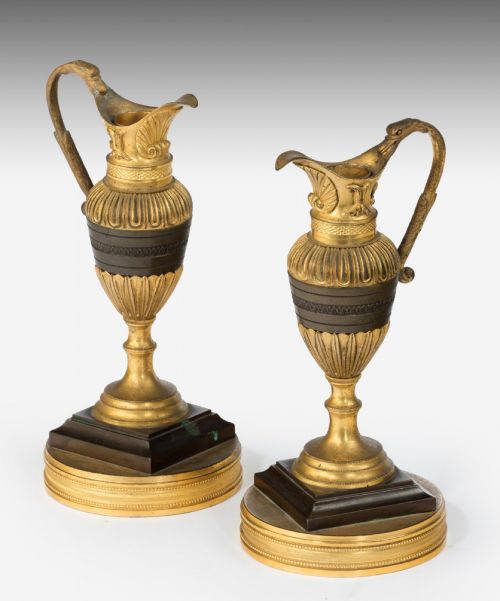
Many pieces combine areas of dark patinated bronze with polished ormolu highlights to create visual contrast.
How can I tell a grand tour vase from later copies?
Nineteenth-century grand tour pieces exhibit the heavy casting, patination, and hand-chasing characteristic of European foundry work from that era. They often incorporate authentic stone bases such as antico verde or white marble.
Examination of the underside and interior fixings reveals period construction methods, threaded pins, and hand-cut screws rather than modern machine-tooled fittings.