
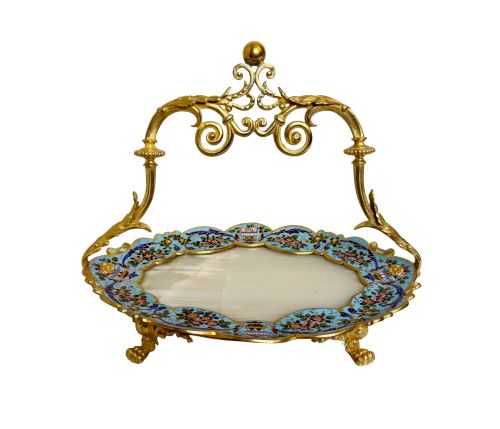
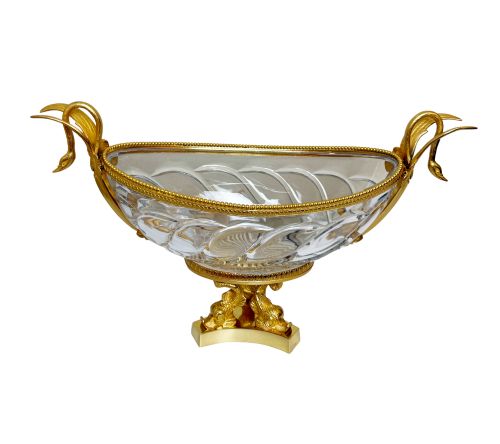
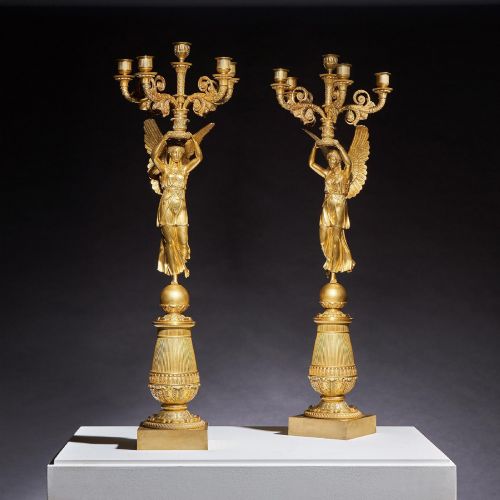
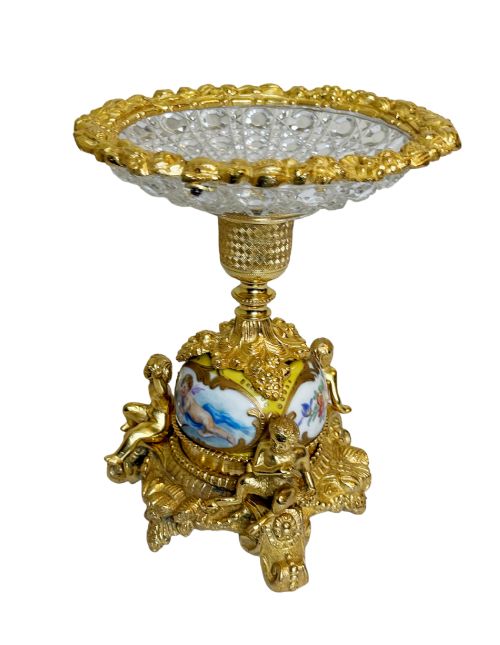
Gilt Bronze Centerpiece
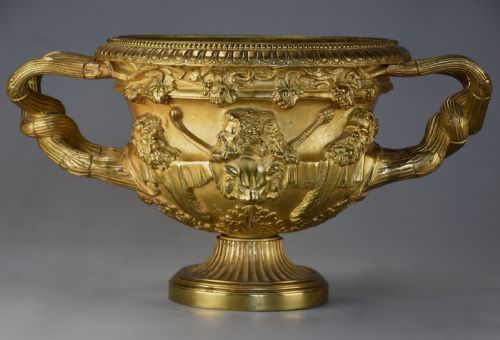
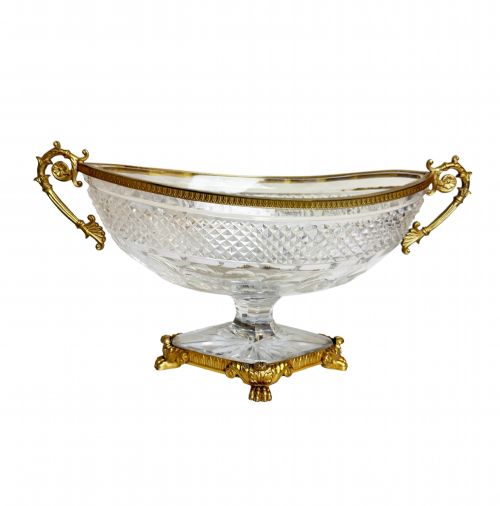
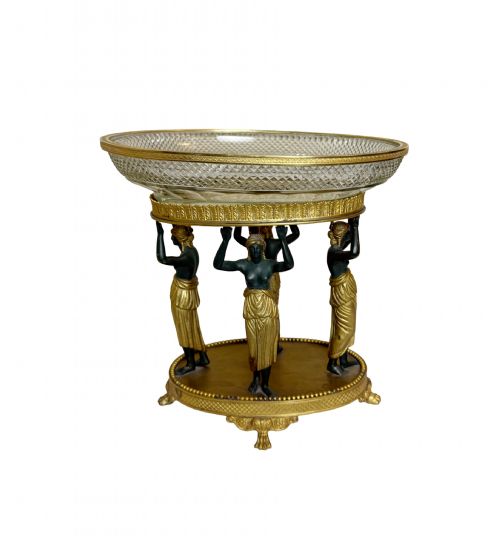
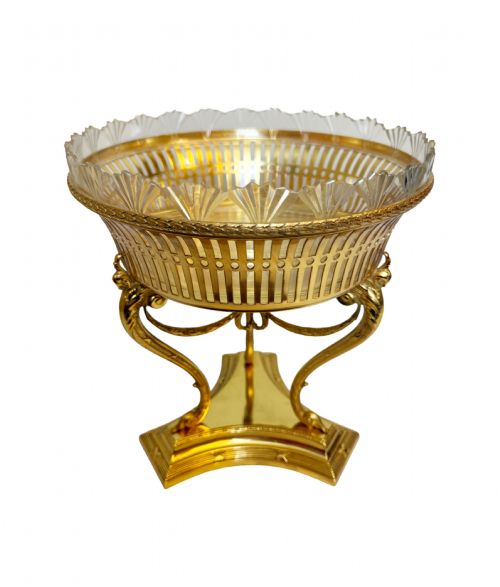
When you search for a gilt bronze centerpiece, you are looking at substantial table focal points designed to hold fruit, flowers, or light.
Gilt Bronze Centerpiece
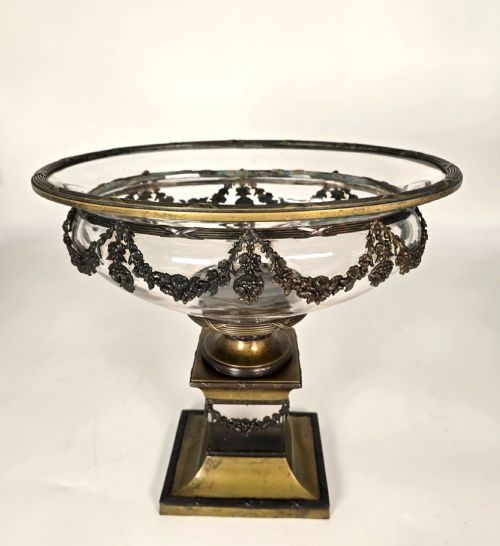
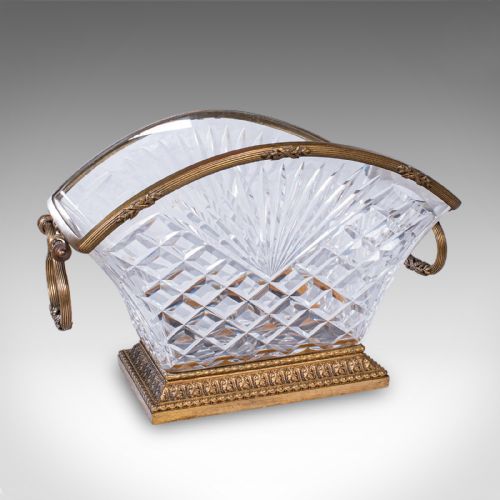
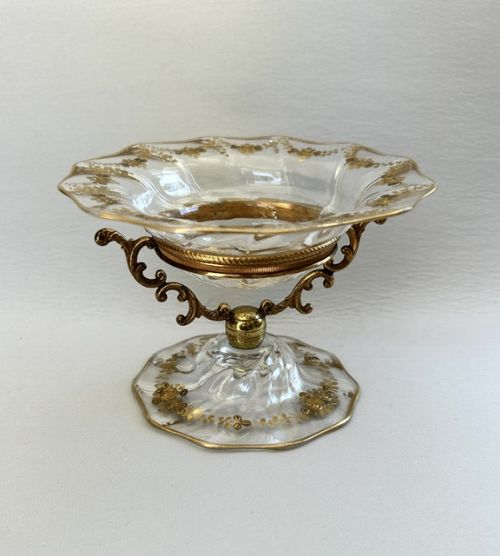
A gilt bronze centerpiece sits on a dining table or sideboard, functioning as a decorative vessel or candelabrum that draws the eye across the room. These objects include open bowls, tazzas, jardinières, and multi-branched candelabra intended to anchor a formal interior scheme.
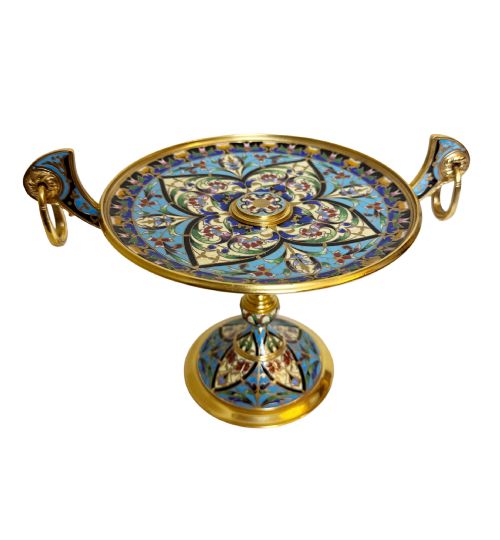
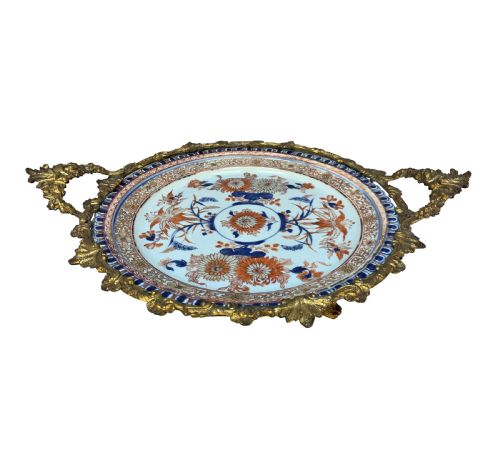
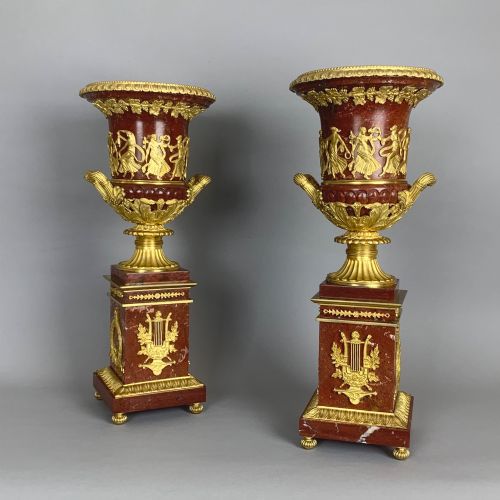
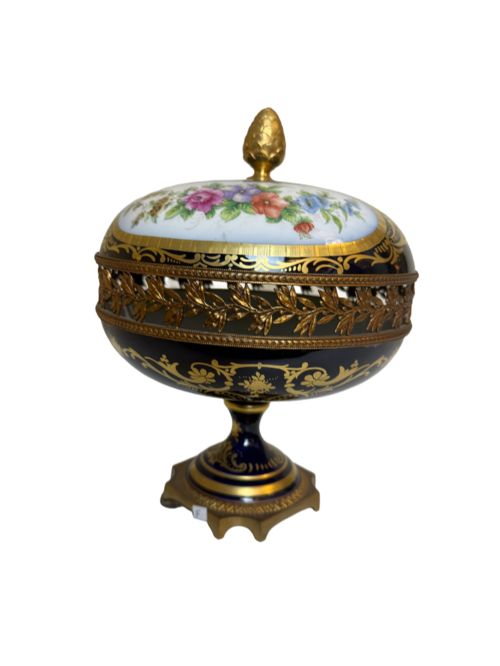
You will most commonly meet pieces from the nineteenth century, particularly items reflecting French Empire, Rococo Revival, and Regency styles. These domestic metalwork pieces frequently incorporate contrasting materials such as cut crystal, Sevres porcelain, or champlevé enamel.
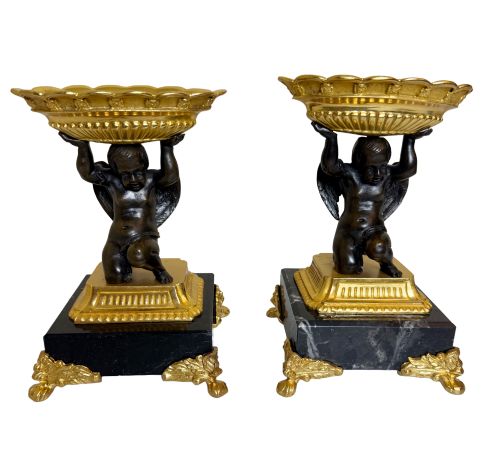
The form spans straightforward pedestal dishes to elaborate figural compositions featuring cherubs, mermen, or classical mounts. Many examples survive from the Victorian era and the Grand Tour period, maintaining their utility as display pieces.
How they were made
Makers cast the primary framework in bronze before applying a layer of gold through fire gilding or ormolu techniques to achieve a durable metallic sheen. This metal structure often serves as an architectural mount for delicate inserts made from blown glass, crystal, or porcelain.
Craftsmen integrated supplementary decorative elements like champlevé enamel fields, carved marble bases, and patinated bronze figures directly into the cast bronze framework. Mechanical components appear in adjustable candelabra arms and fitted hardware joining glass bowls to metal pedestals.
Listings combine gilt bronze with materials including champlevé enamel, Sevres-style porcelain, cut crystal, and white marble across nineteenth-century forms.
What varies in quality
The choice of secondary materials dictates the overall standing of the piece, with hand-painted Sevres porcelain plaques or heavy cut crystal inserts indicating higher workshop standards. The integrity of the original mercury gilding or ormolu surface, preserved without modern over-cleaning, maintains the visual weight intended by the maker.
Pierre Philippe Thomire·Ferdinand Preiss
The Gilt Bronze Centerpiece Glossary
- Ormolu
- A gold-coloured alloy of copper, zinc, and tin applied to bronze objects through a mercury amalgamation process. This technique gives nineteenth-century metalwork its characteristic warm, deep lustre.
- Tazza
- A shallow saucer-like dish mounted on a stem and foot used for serving fruit or sweets. These pedestal vessels frequently feature decorative cast rims and contrasting stone or glass bowls.
- Champlevé
- An enamelling technique where artists hollow out troughs in the metal surface and fill them with coloured glass paste before firing. The resulting enamel cells sit flush with the surrounding gilt bronze frame.
- Jardiniere
- An ornamental container designed to hold potted plants or cut floral arrangements. They typically feature waterproof metal or ceramic liners enclosed by pierced bronze mounts.
- Grand Tour
- A cultural journey undertaken by wealthy Europeans through France and Italy to collect classical antiquities and souvenirs. Pieces from this context often reproduce famous monuments, such as the Warwick Vase, in reduced scale.
Gilt Bronze Centerpiece: Frequently Asked Questions
How were these centerpieces used?
Dining rooms utilised these large metal vessels for holding fresh fruit, sweetmeats, or floral displays during formal meals. They sat centrally on the dining table to impress guests and reflect candlelight.
Beyond the dining table, drawing rooms used matching pairs of candelabra and tazze on sideboards and mantelpieces. Their presence added colour and reflected light into darker corners of Victorian interiors.
How do I clean gilt bronze?
Dusting gently with a soft, dry brush removes surface particles without disturbing the underlying metal finish. Avoid all commercial metal polishes and harsh chemical solvents because they strip the thin layer of gold.
Glass or ceramic inserts lift out of their metal frames for separate washing in warm soapy water. Dry these removable bowls thoroughly before placing them back into the bronze mount.
What is the difference between ormolu and gilt bronze?
Ormolu specifically describes the historical French process of applying finely ground gold mercury amalgam to a bronze base. This technique creates a distinctive, satin-like golden surface that differs from modern electroplating.
Collectors and dealers often use ormolu and gilt bronze interchangeably when discussing nineteenth-century decorative metalwork. Both terms refer to gilded copper-alloy objects designed for interior display.
How can I tell a Regency piece from a Victorian one?
Regency designs lean heavily on strict classical restraint, drawing inspiration from ancient Greek, Roman, and Egyptian motifs. You will notice clean architectural lines, patinated dark bronze contrasts, and sparse, deliberate gilding. Candelabra and tazze from the Victorian era embrace more exuberant revival styles, including Rococo and Renaissance influences. These later pieces mix a wider array of materials like champlevé enamel, green onyx, and coloured glass within a single object.