



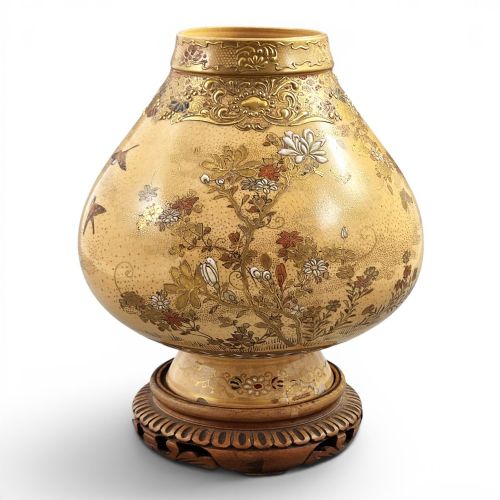


Gilded Japanese Porcelain Urn
These pieces of gilded japanese porcelain urn craftsmanship combine intricate ceramic forms with rich surface gilding.
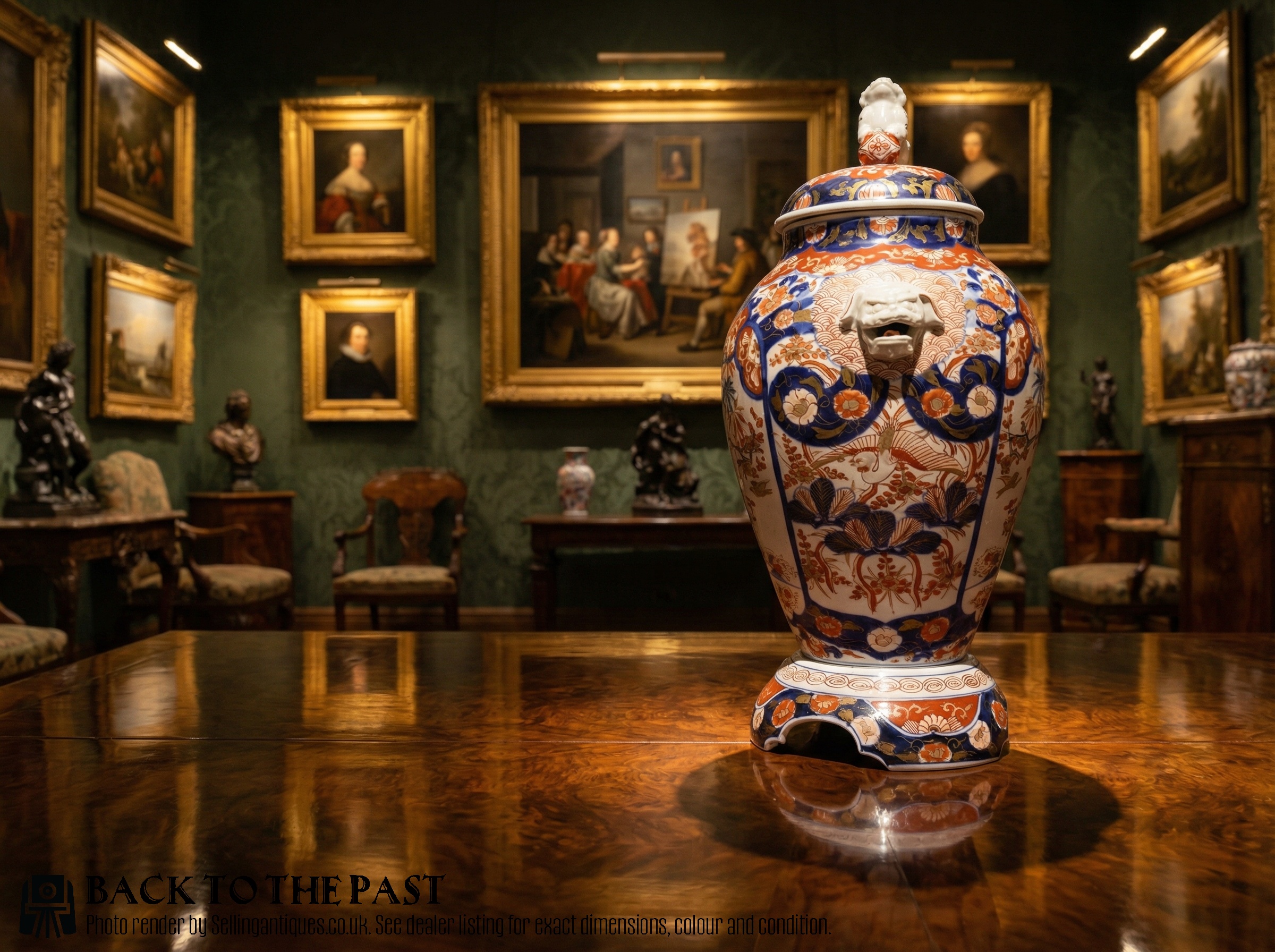
Gilded Japanese Porcelain Urn
A gilded japanese porcelain urn brings together traditional ceramic forms and decorative metal leaf applied across various vessel types. Buyers searching this phrase will find a selection originating predominantly from the nineteenth and early twentieth centuries, spanning the Meiji, Edwardian, and Victorian eras.
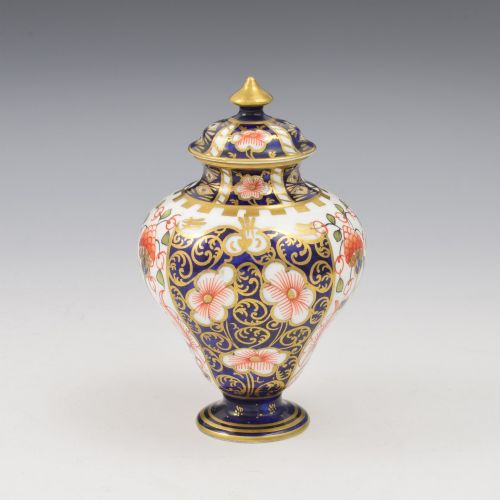
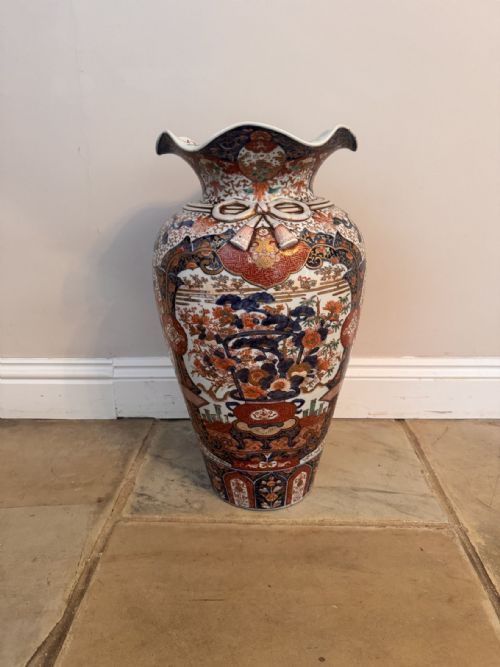
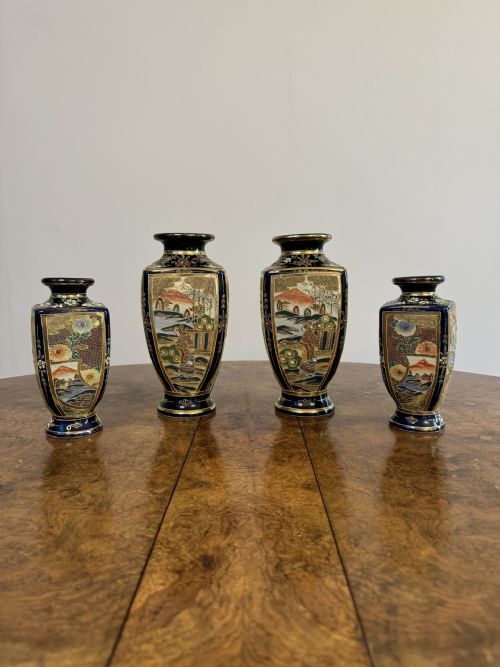
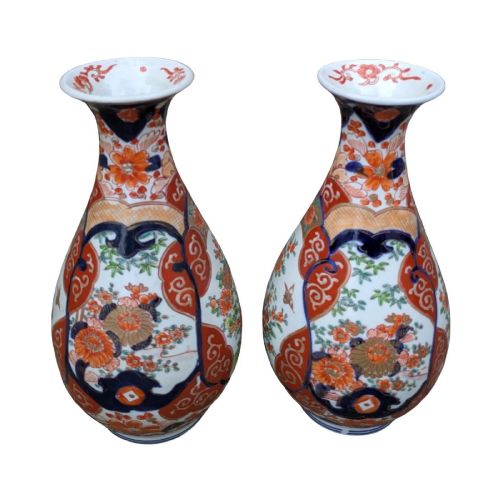
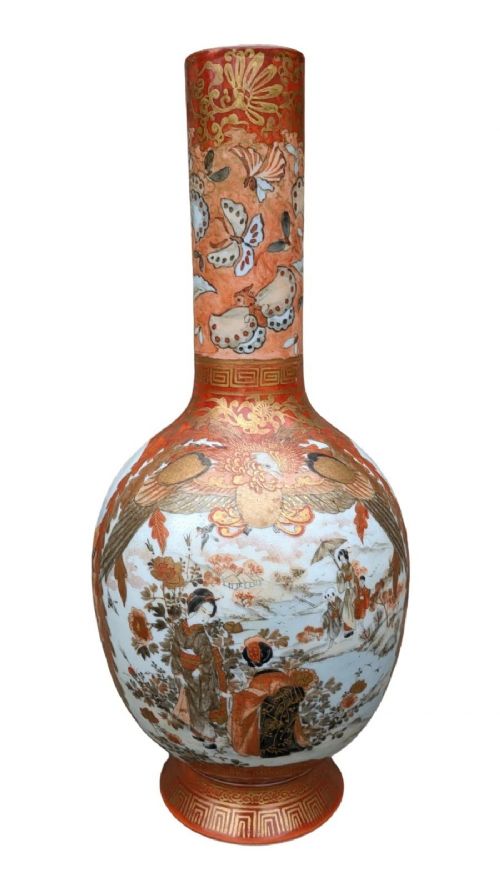
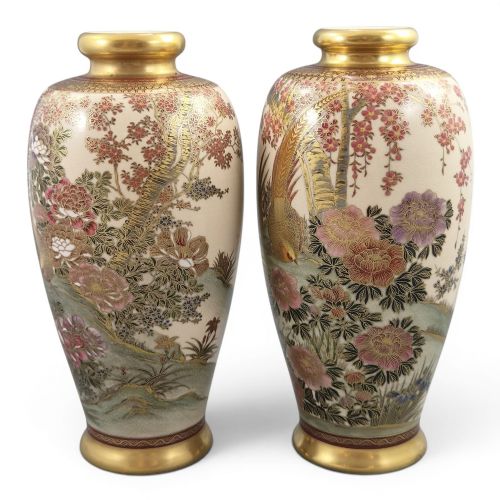
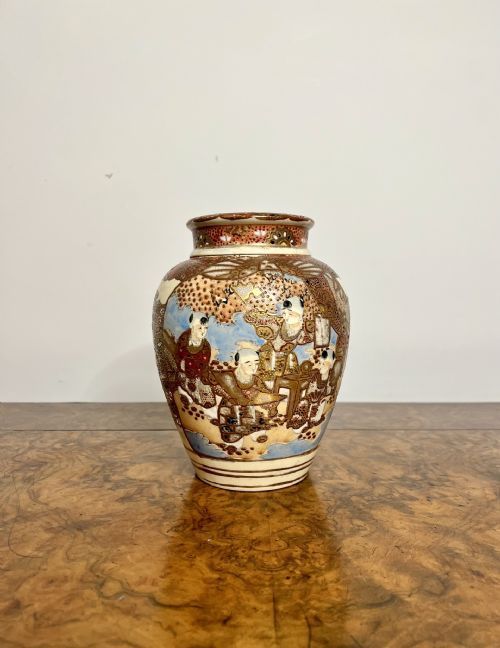
The objects take many shapes, including floor standing vases, lidded jars, ginger jars, garnitures, and table lamps. Pieces decorated in the Imari palette and Satsuma style dominate the available selection, alongside Kutani and Seto examples.
Most items date from the Meiji period through to the early Showa period, showcasing the diverse decorative techniques exported from Japan during those decades. Alongside these, occasional European interpretations influenced by Japanese aesthetics appear in the listings.
How they were made
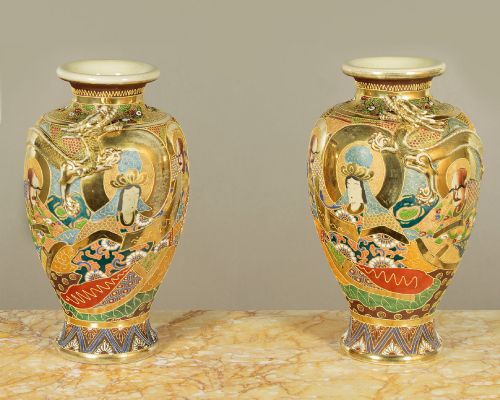
Makers shaped porcelain and earthenware bodies on the wheel or in moulds before applying glazes and detailed overglaze enamel decoration. Artisans then introduced gold leaf, gilt, and raised moriage work to accentuate specific motifs such as court figures, dragons, and landscapes.
Kiln firing set the underlying ceramic body and colours, while delicate gilding work required careful secondary firing or precise cold application. Workshops in Kyoto, Kobe, and Seto employed specialised painters and gilders to achieve the intricate patterns seen on signed and crest-marked pieces.
Listings feature 19th century and early 20th century pieces, encompassing the Meiji, Victorian, Edwardian, and Showa periods.
What varies in quality
The distinction between standard commercial output and exhibition quality lies in the precision of the brushwork and the density of the gilding. Master workshops employed artists who rendered complex scenes, such as thousands of arhats, with extraordinary detail across curved ceramic surfaces.
The presence of recognised workshop signatures, artist marks, or noble crests elevates an object within the period. Furthermore, the crispness of the moulded relief work and the intact preservation of the gold leaf across intricate handles, covers, and stands determine the upper tier of the range.
Manpei·Kinkōzan·Hotoda·Kato Sanhei·Chosei·Seiko-en Chokei·Yamashu·Kizan·Tagawa·Tashiro
The Gilded Japanese Porcelain Urn Glossary
- Imari
- A style of Japanese porcelain decorated in underglaze blue and iron red, frequently enhanced with supplementary gold leaf. This palette became immensely popular across Europe during the export periods.
- Satsuma
- A type of Japanese earthenware characterised by a crackled ivory glaze and detailed polychrome enamel and gilt decoration. It encompasses delicate miniature vases as well as monumental floor pieces.
- Moriage
- A decorative technique using raised slip or enamel to create textured relief patterns on ceramics. It frequently frames figures and floral motifs before the application of gilding.
- Koro
- A traditional Japanese incense burner featuring a perforated cover and supported by feet. These ceramic vessels often bear workshop signatures and crests.
- Garniture
- A set of matching vases or jars designed to be displayed together on a mantelpiece or sideboard. They typically comprise three or more graduated pieces.
Gilded Japanese Porcelain Urn: Frequently Asked Questions
What is a Satsuma vase?
A Satsuma vase is a ceramic vessel made with an ivory-coloured, crackled earthenware glaze that serves as a canvas for intricate enamel and gilt paintings. These pieces often depict traditional court scenes, landscapes, and floral arrangements.
Originally produced in the Satsuma province, the style expanded to major workshops in Kyoto and Kobe during the Meiji period. They were created primarily for export to Western markets, satisfying a strong Victorian appetite for decorative Japanese arts.
Are these pieces signed by artists?
Many Japanese export pieces carry painted, impressed, or gold-scripted signatures on the base identifying the maker, studio, or decorator. Signatures from renowned workshops like Kinkōzan or individual artists such as Kizan indicate high-level production.
Alongside personal signatures, some items feature family crests, such as the Shimazu mon, which link the piece to specific historical lineages or exhibition standards. These marks help collectors attribute pieces to specific regional centres active in the nineteenth and twentieth centuries.
What is the Imari palette?
The Imari palette refers to a distinct colour scheme combining cobalt blue under the glaze with iron red and abundant gold overglaze. This striking combination created a rich, decorative surface that caught the light in European drawing rooms.
While originating in Japan through export ports, the style proved so influential that European factories subsequently imitated the aesthetic. Pieces decorated in this manner display a strong visual contrast between the deep blues, vibrant reds, and glittering gilt highlights.