





Gilded Japanese Porcelain Plates
These gilded japanese porcelain plates bring vibrant palette and rich metallic finish to any interior.
Gilded Japanese Porcelain Plates
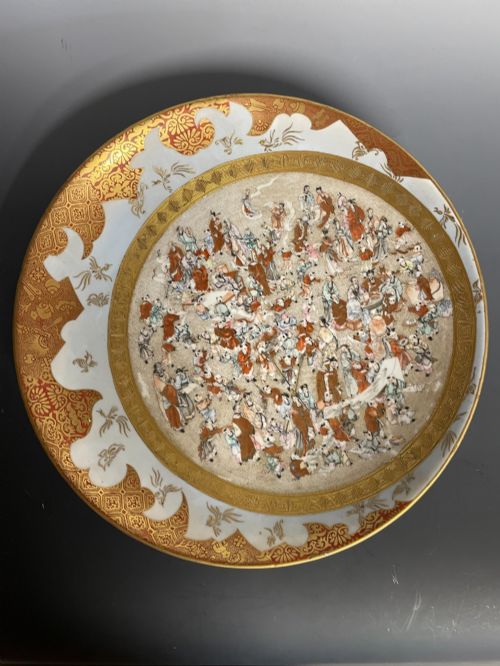
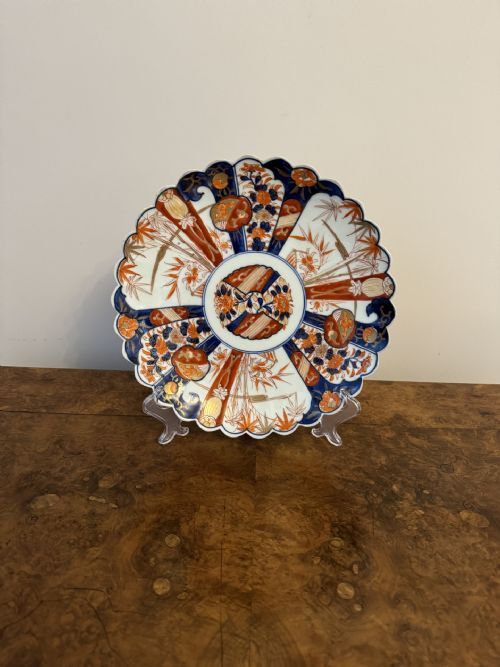
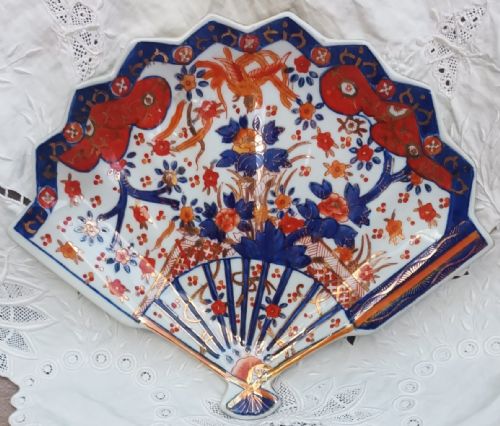
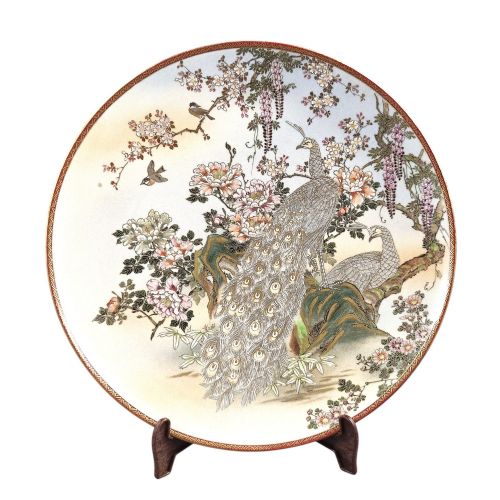
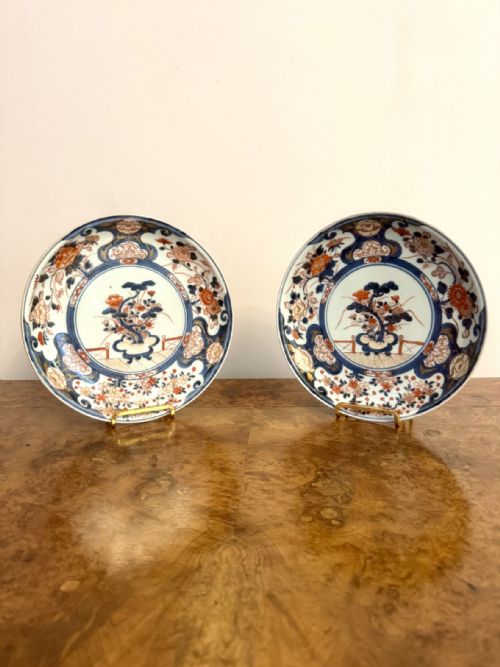
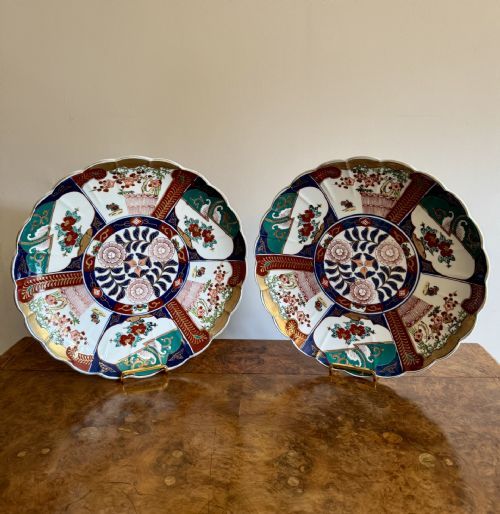
When you search for gilded japanese porcelain plates, you encounter pieces designed for display and service originating from the 18th century through to the early 20th century. The selection leans heavily toward Imari patterns, alongside Satsuma, Kutani, and Arita wares.
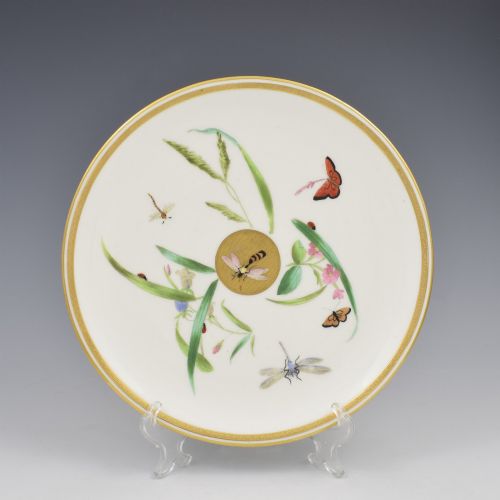
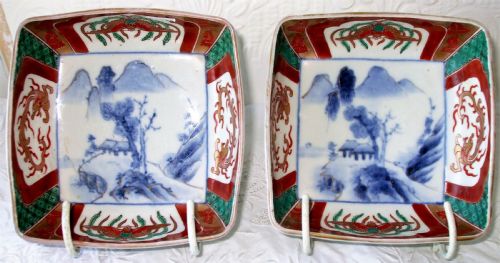
You find various forms spanning standard circular plates, large chargers, and unusual shapes including fan, shell, square, and octagonal formats. The periods represented include the Edo and Meiji eras, as well as Victorian European interpretations influenced by Japanese design.
Most examples you meet on this page date from the late 19th century and the Meiji period, reflecting the surge in export production during that era. These pieces combine traditional eastern forms with the decorative weight demanded by contemporary collectors.
Materials and Construction
Potters shaped fine porcelain and earthenware bodies by hand or on a wheel before applying initial underglaze pigments. Artisans then added overglaze enamel colours alongside gold leaf, gilt, and gilding to create metallic highlights across the design.
Firin processes fixed the mineral pigments and the gold elements to the glazed surface. Hand painted details incorporated floral, bird, and figural motifs, complemented by moriage relief work on specific Satsuma pieces.
The listings span from the 18th century through the Victorian era to 1920, utilising porcelain, earthenware, enamel, and gold leaf.
Judging Quality
Quality rests upon the precision of the hand painted brushwork and the complexity of the composition across the surface. Pieces featuring crisp outlines and well preserved gold leaf demonstrate superior workshop standards.
The weight of the porcelain body and the crispness of shaped edges, such as scalloped or fan profiles, separate standard production items from finer cabinet pieces. The integration of the gilding with the underlying enamel colours determines the visual balance of the object.
Koshida·Minton
The Gilded Japanese Porcelain Plates Glossary
- Imari
- A traditional style of Japanese porcelain featuring a distinctive palette of underglaze blue, iron red, and gilt. These wares were heavily exported to Europe.
- Charger
- A large decorative plate intended for display on a wall or dresser rather than for serving food at the table.
- Meiji Period
- The era in Japanese history spanning from 1868 to 1912, characterised by extensive trade and the production of decorative arts for export.
- Satsuma
- A type of earthenware with a crackled ivory glaze, typically decorated with polychrome enamels and raised gold details.
- Arita
- The Japanese town and surrounding region long associated with the production of porcelain wares.
Gilded Japanese Porcelain Plates: Frequently Asked Questions
How do I hang a large charger safely?
Wall chargers require specific spring loaded brass hangers that grip the rim securely without scratching the porcelain body.
Ensure the wall fixing uses a solid anchor to support the substantial weight of 19th century ceramics.
Were these plates used for dining?
While standard plates saw service on dining tables, large chargers were primarily ornamental items designed for display on sideboards.
Many surviving pieces retain pristine gilding because owners kept them as cabinet or wall pieces from the start.
How do I clean gilded porcelain?
Dust the surface gently with a soft dry brush to remove particles without disturbing the delicate overglaze enamels and gold leaf.
Avoid chemical cleaning agents and water immersion, as moisture can damage aged gilding and historic glaze surfaces.
How can I tell Meiji pieces apart?
Meiji period items often display dense, intricate hand painted motifs reflecting the high output of export workshops between 1868 and 1912.
Earlier Edo period wares typically show simpler compositions with heavier porcelain bodies and distinct iron red tones.