



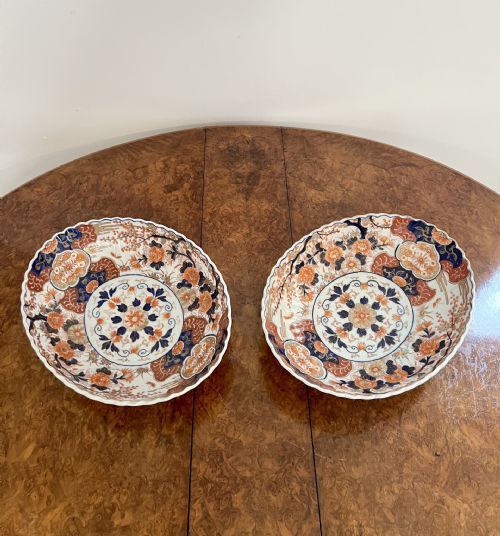


Gilded Imari Porcelain Dish
A gilded imari porcelain dish brings together traditional Japanese designs and European adaptations across periods from the Edo to the Victorian.
Gilded Imari Porcelain Dish
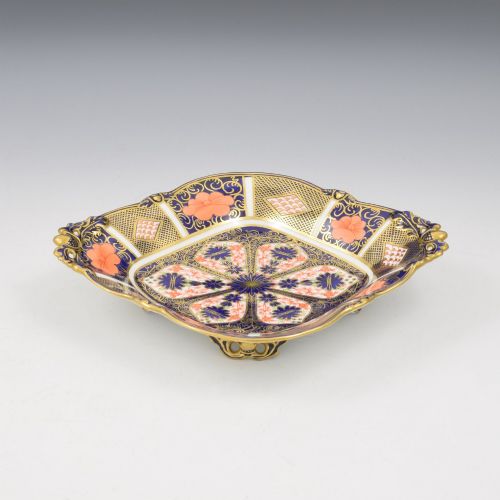
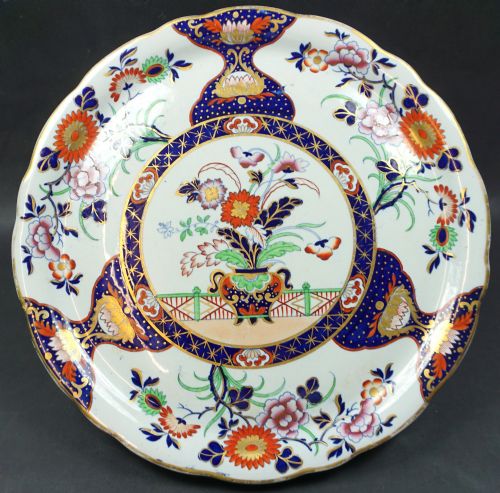
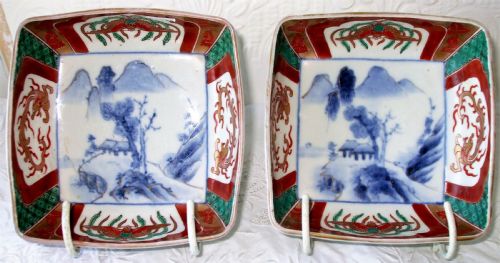
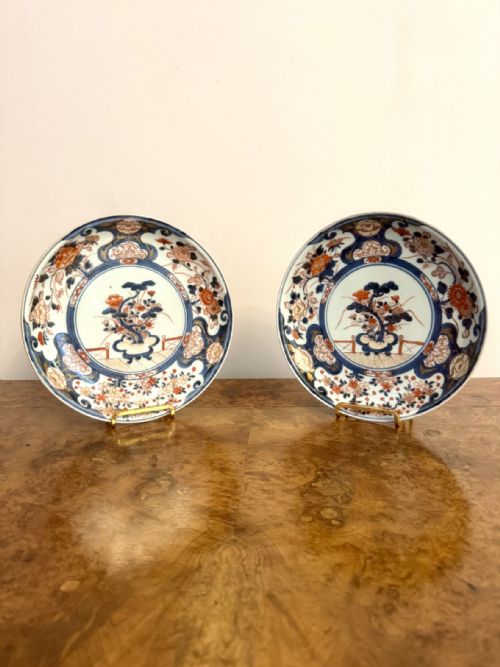
When you search for a gilded imari porcelain dish, you find a selection spanning Japanese export wares and British interpretations, including plates, chargers, bowls, and serving dishes. The items range from the Edo and Meiji periods to the nineteenth and early twentieth centuries, reflecting diverse manufacturing traditions.
Japanese examples predominate, often featuring hand-painted floral and bird designs on ceramic surfaces. British makers also appear with ironstone and porcelain variations produced during the Georgian and Victorian eras.
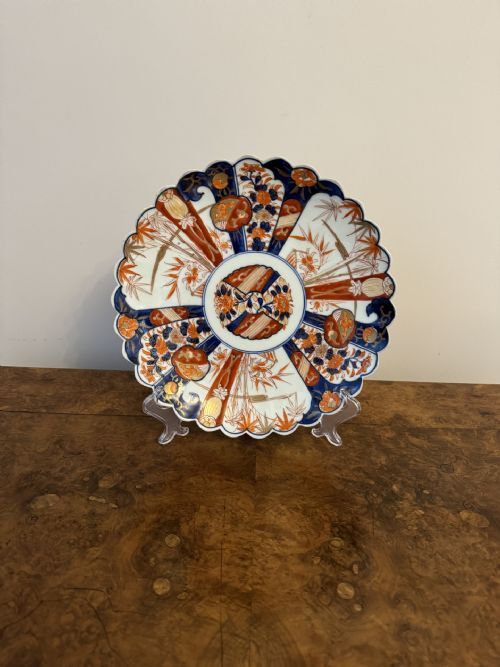
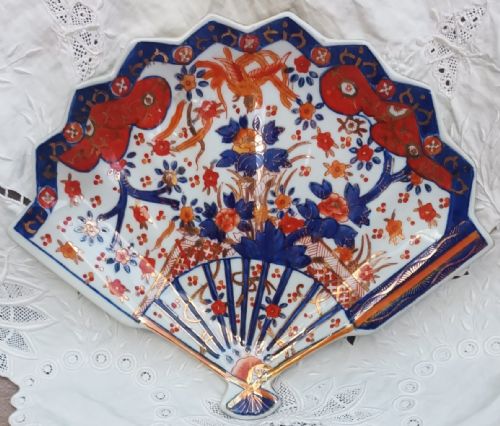
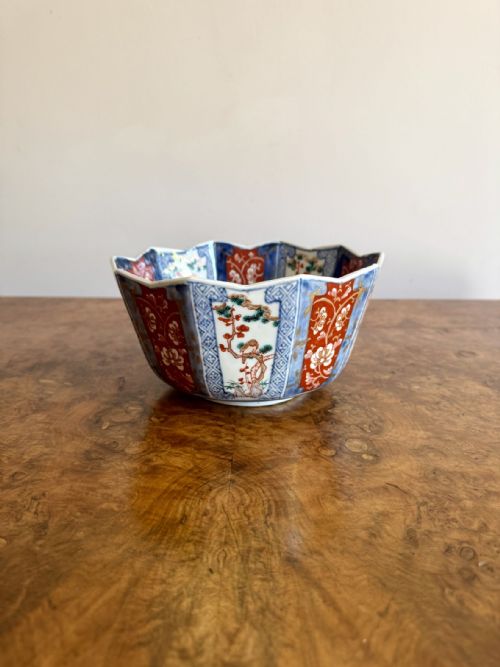
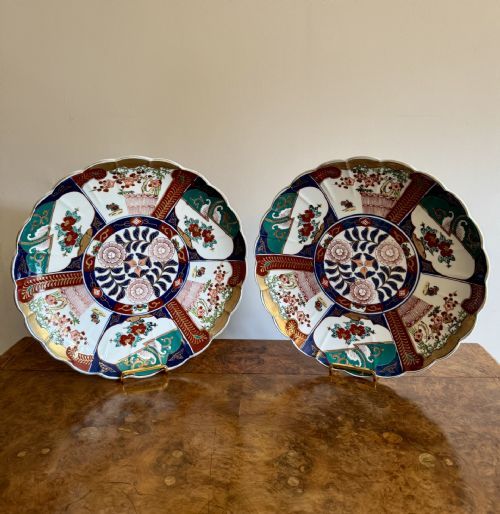
The assortment includes unusual shapes such as scalloped edges, fan designs, shell motifs, and square forms alongside standard round chargers and plates.
How they were made
These items utilise ceramic bodies such as porcelain and ironstone, shaped into plates, bowls, and chargers. Makers applied glaze to the ceramic base before firing in kilns to achieve a durable finish.
Decoration relied on hand-painting using enamel colours alongside gold leaf, gilt, or gilding to highlight intricate patterns. Japanese Meiji and Edo pieces combined underglaze blue with overglaze red and gold, while British counterparts incorporated hand-coloured transfers and enamels.
Some nineteenth-century makers fashioned plates into the shape of folded Japanese fans, proving that dinnerware could double as origami.
What varies in quality
Quality depends upon the precision of the hand-painted details and the complexity of the design, such as floral and bird motifs or compartmentalised patterns. Superior pieces display crisp brushwork and well-preserved gilding that remains bright against the enamel ground.
The form itself influences standing, with uncommon shapes like fan, shell, or scalloped edges demonstrating greater ambition in the ceramic moulding than simple round plates.
Royal Crown Derby·Hicks and Meigh·Flight Barr and Barr·Chamberlain Worcester
The Gilded Imari Porcelain Dish Glossary
- Imari
- A style of Japanese export porcelain originating from the port of Arita, traditionally decorated in underglaze blue, iron red, and gold. This palette became widely imitated by European potteries during the eighteenth and nineteenth centuries.
- Meiji Period
- The era in Japanese history spanning from 1868 to 1912, characterised by extensive international trade and high volumes of decorative arts exported to the West.
- Ironstone
- A type of heavy earthenware patented in the nineteenth century by British manufacturers as a durable alternative to porcelain. It takes enamel and gilt decoration readily.
- Charger
- A large decorative plate or dish, typically intended for display rather than for serving food at the table. These pieces often feature the most elaborate hand-painted compositions in a collection.
Gilded Imari Porcelain Dish: Frequently Asked Questions
How do I date an imari dish?
Dating relies on identifying the period characteristics, such as Edo, Meiji, or Victorian stylistic traits, alongside any maker marks present on the base. Japanese export pieces often lack factory stamps, requiring assessment of the paste, glaze, and enamel palette.
British interpretations generally bear printed or painted factory marks specific to firms active during the Georgian and nineteenth centuries, helping to narrow the decade of production.
Were these dishes used for food?
Many larger chargers and decorative plates were intended primarily for display on sideboards or walls, showcasing the intricate gilding and enamel work. Smaller plates and serving dishes saw practical use at the dining table for dessert or presentation.
Over time, function often shifted from daily dining service to ornamental display as the pieces aged and collectors sought to preserve them.
How do I care for gilded porcelain?
Cleaning requires gentle hand washing in lukewarm water with mild soap, avoiding abrasive sponges that can wear away the delicate gold leaf and overglaze enamels. Dishwashers must be strictly avoided.
Displaying the items away from direct sunlight helps prevent the enamel colours and gilding from fading over prolonged periods.
What is the difference between Japanese and British imari?
Japanese examples originated in Arita and relied on traditional Eastern motifs like birds, flowers, and brocade patterns executed in iron red, blue, and gold. British potteries adapted these colour schemes onto their own ironstone and porcelain bodies.
British versions often incorporated local shapes and European floral arrangements while retaining the distinctive red and gold palette of the original imports.