




Antique Chinese Imari Dish
An antique chinese imari dish brings together vibrant cobalt and rust-red enamels on hard-paste ceramic, offering a striking centrepiece for any traditional table.
Antique Chinese Imari Dish
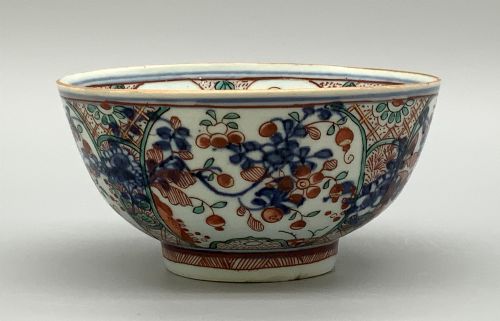
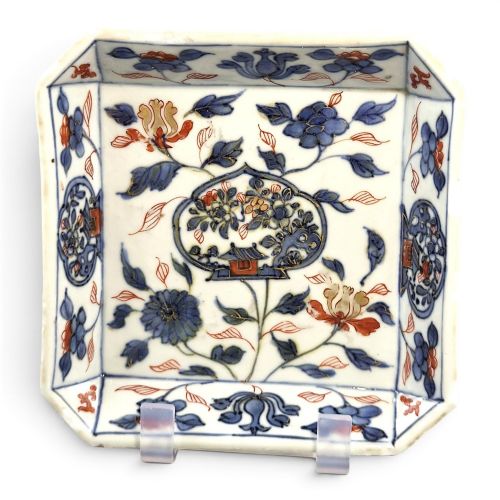
An antique chinese imari dish represents a fusion of Eastern porcelain production and Western decorative tastes, predominantly emerging during the eighteenth century. Buyers seeking this phrase typically encounter circular plates, large chargers, and square bowls decorated in characteristic palettes.
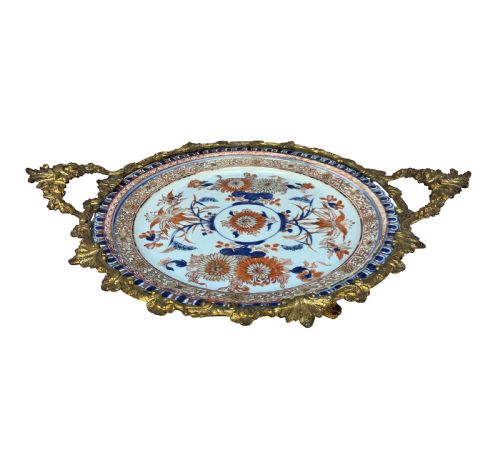
The material record spans the eighteenth century through to later periods around nineteen hundred, covering the Kangxi and Qianlong dynasties. Forms range from simple decorative plates to pairs mounted in ormolu and gilt bronze.
Export wares dominate the selection, shaped by the demands of international trade markets. Collectors find both individual plates and matched sets showing standard floral and geometric motifs.
How they were made
Potters shaped these objects from high-fired ceramic and porcelain, applying cobalt pigment beneath a translucent glaze for the blue elements. Artisans then added iron-red enamel and gilt details over the glaze before a second, lower-temperature firing.
Mounting practices sometimes involved framing the finished ceramic body in ormolu or gilt bronze, particularly for pieces destined for French rococo interiors. This metalwork required precision casting and mechanical attachment to secure the porcelain dish.
Antique Chinese Imari Dish Retail Price Guide 2026
Typical asking prices for chinese imari dish among the pieces listed under this phrase on Sellingantiques today, from the lower quarter to the upper quarter. They describe what is for sale here now, not the wider market.
Materials recorded on this page include ceramic, porcelain, cobalt pigment, enamel, glaze, ormolu, and gilt bronze.
What varies in quality
The richness and stability of the enamel pigments distinguish superior examples from ordinary production. Crisp cobalt underglaze work combined with evenly preserved red enamel and gilt highlights indicates careful kiln control.
The sophistication of any supplementary metal mount also dictates the overall standard of the piece. Cleanly chased ormolu mounts securely fitted to the porcelain body elevate the decorative ambition of the ceramic dish.
The Antique Chinese Imari Dish Glossary
- Imari
- A style of ceramic decoration originating in Japan and later emulated in China, characterised by a palette of underglaze blue, iron-red enamel, and gold. This distinct colour scheme became immensely popular across European export markets during the eighteenth century.
- Porcelain
- A ceramic material made by heating raw materials, generally including kaolin, in a kiln to a high temperature. The resulting body is white, hard, and non-porous.
- Ormolu
- Finely ground high-carat gold applied to a bronze base using a mercury amalgamation process. Eighteenth-century makers utilised this technique to adorn porcelain bowls and plates with decorative metal mounts.
- Kangxi Period
- The era of the Kangxi Emperor lasting from sixteen sixty-two to seventeen twenty-two, noted for technical excellence in porcelain manufacture. Wares from this time display particularly refined potting and vivid cobalt pigment.
- Qianlong Dynasty
- The period of the Qianlong Emperor spanning the eighteenth century, associated with ambitious decorative arts. Pieces from this dynasty often feature intricate enamel work and varied geometric forms.
Antique Chinese Imari Dish: Frequently Asked Questions
What is a chinese imari dish?
A chinese imari dish is an export porcelain ceramic decorated with cobalt blue, iron-red enamel, and gilt highlights. These pieces were produced in China primarily for international trade during the eighteenth century.
They combine traditional Eastern potting techniques with the visual preferences of European buyers. The palette remains instantly recognisable by its contrasting blue and red tones.
How were these dishes used?
Many of these plates and chargers served as decorative display items in grand houses rather than functional tableware. Their vibrant enamels made them suitable for mounting on walls or placing on sideboards.
Some examples also received ormolu mounts to integrate them into European decorative schemes. They functioned as symbols of global trade and refined taste.
How do I care for antique porcelain?
Care involves keeping the ceramic object away from direct sunlight and temperature fluctuations that might stress the glaze. Dusting with a soft, dry cloth prevents the accumulation of grime on the enamel surfaces.
Avoid using water or cleaning agents, particularly on gilded or ormolu-mounted sections. Proper placement on stable surfaces ensures the porcelain remains secure.