

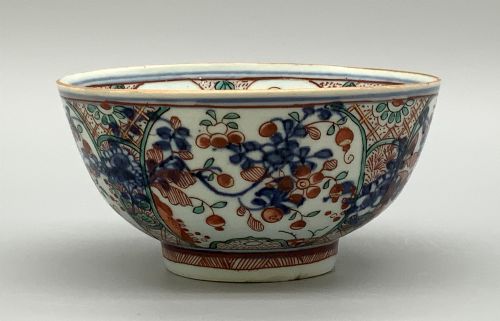

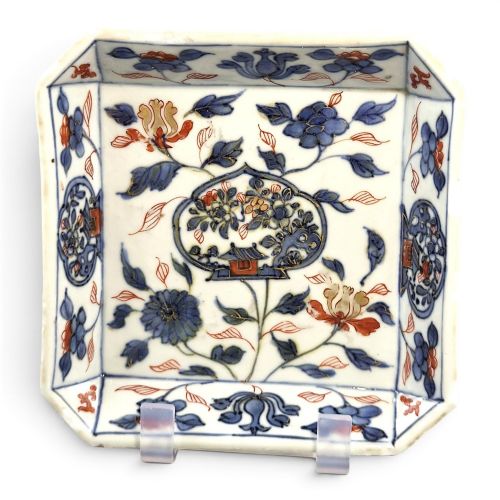


Qing Dynasty Imari Dish
A qing dynasty imari dish brings together rich cobalt blue and iron red ironwork on crisp porcelain, offering a vibrant focal point for any room.
Qing Dynasty Imari Dish
A qing dynasty imari dish is a ceramic vessel created during the Qing period, utilising a distinctive palette of cobalt blue underglaze combined with iron red and gold enamel overglaze. The pieces seen across these listings span decorative plates, chargers, and bowls, reflecting centuries of skilled potting.
Most examples originate from the 18th century, with several pieces linked directly to the Kangxi and Qianlong periods or grouped under Chinese Export styles. Buyers frequently encounter plates and chargers measuring large proportions, often showcasing traditional floral and geometric panel designs.
Regional variations also appear in the archive and current stock, including Japanese Arita imari chargers alongside Chinese porcelain. This mix illustrates the wide reach of the imari aesthetic across Asian export markets during the Georgian era and beyond.
How they were made
Makers shaped ceramic bodies from fine porcelain clay before applying cobalt pigment beneath a clear glaze for the initial blue underglaze decoration. This first layer required high-temperature firing in a kiln to fix the deep blue tones into the ceramic body.
After the initial glaze firing, artisans added iron red enamel and gold leaf highlights to the surface, followed by a secondary, lower-temperature firing to bond the overglaze colours. Metal fittings occasionally complemented these ceramic forms, though the primary medium remained painted porcelain.
Qing Dynasty Imari Dish Retail Price Guide 2026
Typical asking prices for qing dynasty imari dish among the pieces listed under this phrase on Sellingantiques today, from the lower quarter to the upper quarter. They describe what is for sale here now, not the wider market.
Early export potters occasionally painted intricate garden panels so densely that finding every hidden butterfly became a game for Georgian dinner guests.
What varies in quality
The precision of the cobalt pigment painting and the crispness of the underglaze separation set the finer plates apart from standard production. Superior examples maintain sharp delineation in the panel borders without blurring or running in the kiln.
The preservation of the overglaze red enamel and gold leaf significantly influences the visual strength of a dish. Pieces retaining their original metallic lustre and bright iron red tones demonstrate careful handling since their original manufacture.
The Qing Dynasty Imari Dish Glossary
- Imari
- A style of ceramic decoration originating in Japan and later imitated in China, characterised by a palette of cobalt blue, iron red, and gold. This distinct colour combination became immensely popular for export markets across Europe.
- Underglaze
- Pigment applied to the ceramic body before the application of a clear glaze and subsequent firing. Cobalt pigment is the most common underglaze medium found on these dishes.
- Overglaze
- Enamels or metallic leaf applied on top of the fired glaze, requiring a softer secondary heating. Iron red and gold leaf are typically applied as overglaze elements.
- Charger
- A large decorative plate intended for display rather than routine dining. These wide vessels often command attention due to their expansive painted surfaces.
- Export
- Goods produced in Asia specifically for trade and sale to Western markets. Much of the porcelain recorded here falls into this category.
Qing Dynasty Imari Dish: Frequently Asked Questions
How were these dishes used?
These pieces served primarily as decorative items for display on walls, cabinets, or large dining tables during the Georgian period and earlier.
While robust enough for occasional service, their rich overglaze enamel decoration meant many were kept for visual presentation in formal interiors.
How do I care for an imari dish?
Wash the porcelain gently by hand using mild soap and lukewarm water, avoiding abrasive sponges that might scratch the surface.
Keep the dish away from direct sunlight to protect the iron red enamel and gold leaf from fading over extended periods.
How can I tell the Kangxi period apart?
Kangxi period ceramics often display particularly vibrant cobalt blue pigment under a brilliant, clear glaze finish.
They frequently feature specific reign marks or distinct brushwork styles that separate them from later 19th-century export items.
What is Chinese Export imari?
Chinese Export imari refers to porcelain made in China specifically to satisfy European demand for Japanese-style imari designs.
These pieces combine Chinese potting techniques with the characteristic blue, red, and gold palette popular among Western collectors.