
Gilded Ceramic Urn
These gilded ceramic urn pieces combine fired clay and precious metal leaf to bring classical form and decorative weight into domestic rooms.
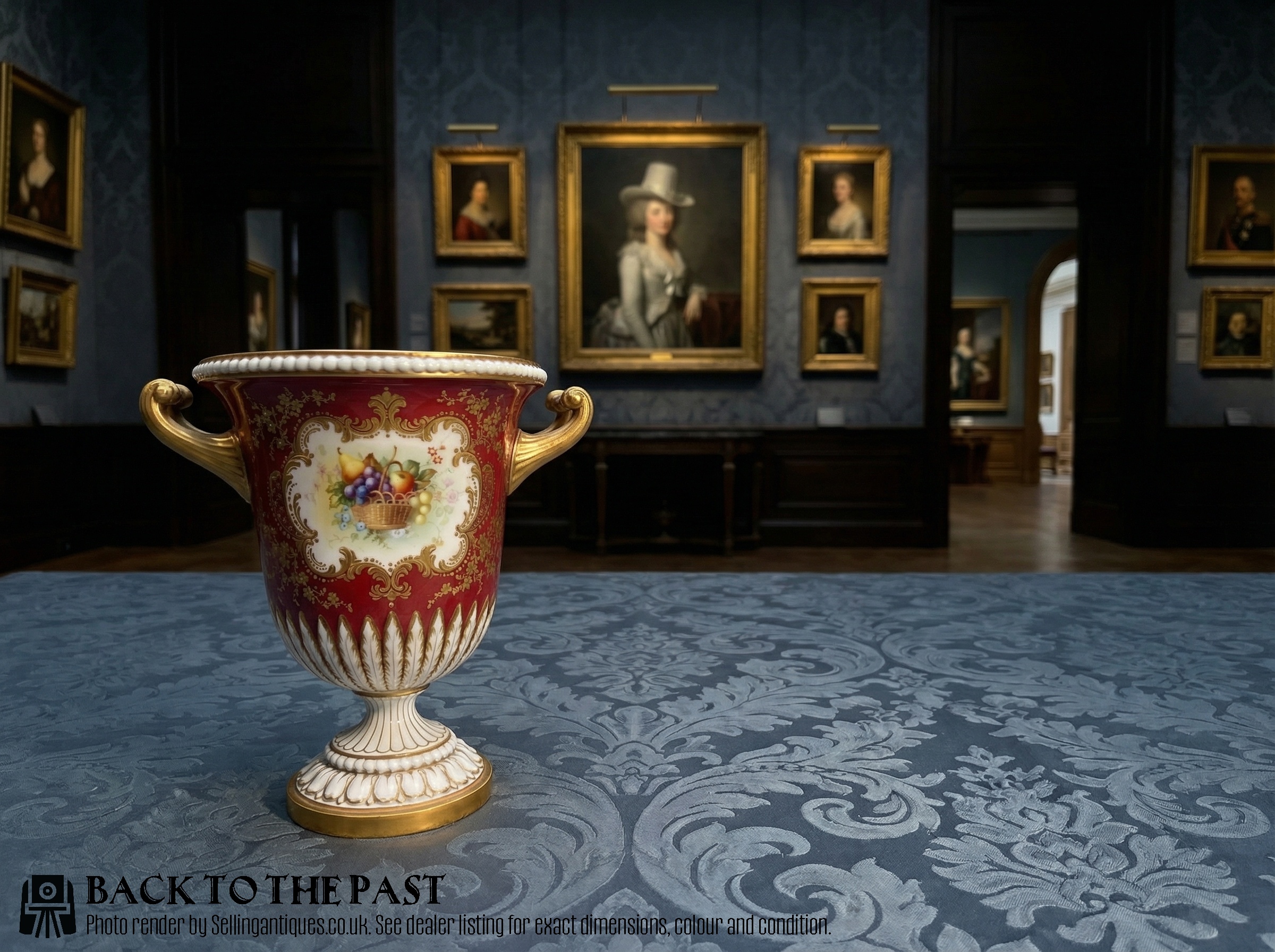
Gilded Ceramic Urn
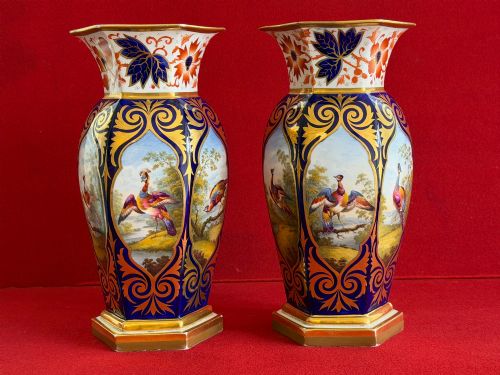
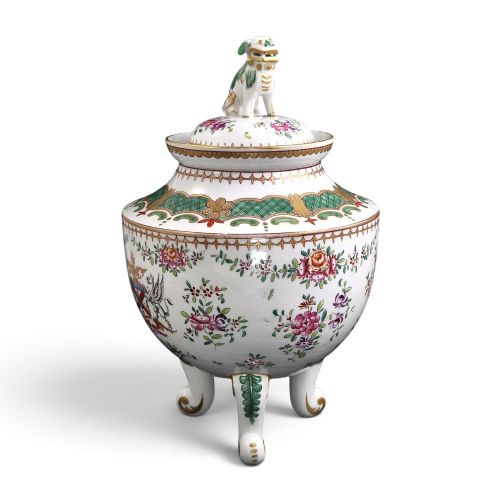
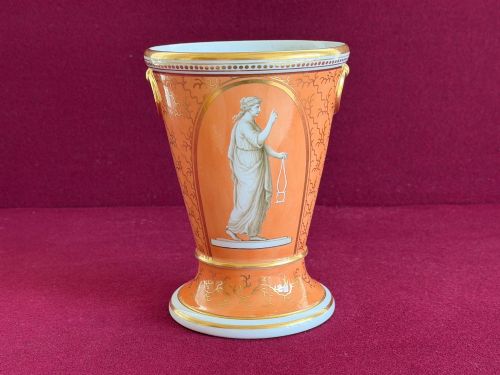
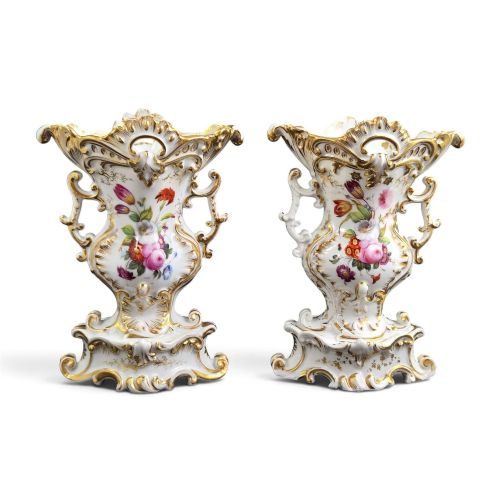
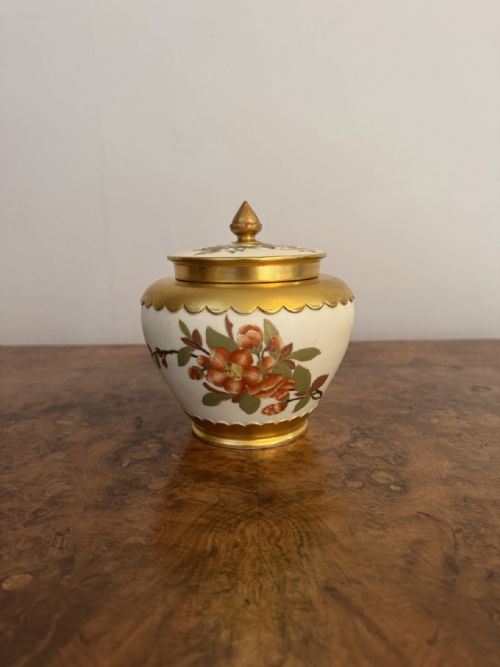
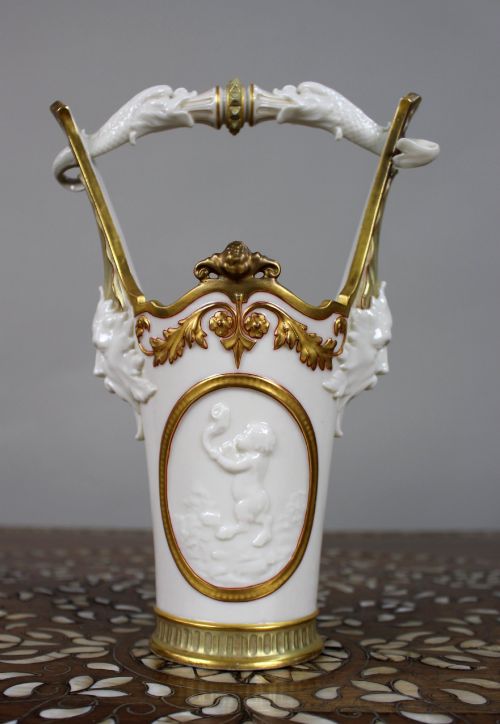
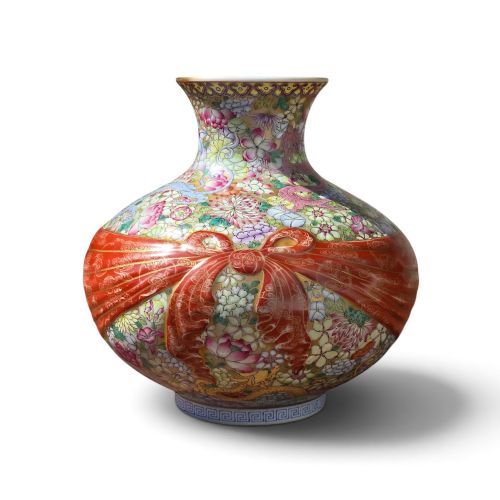
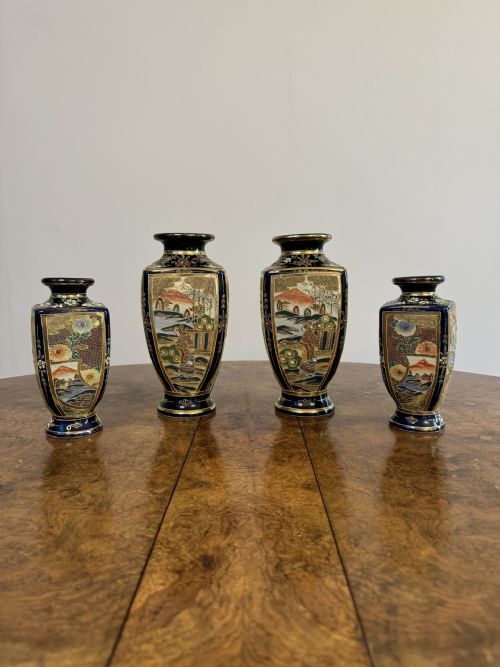
A gilded ceramic urn gathers vessels and decorative objects from the Georgian, Victorian, and Edwardian eras alongside continental and Asian workshops. Buyers encounter porcelain, earthenware, and ironstone forms shaped as vases, jardinières, potpourri pots, and ice pails.
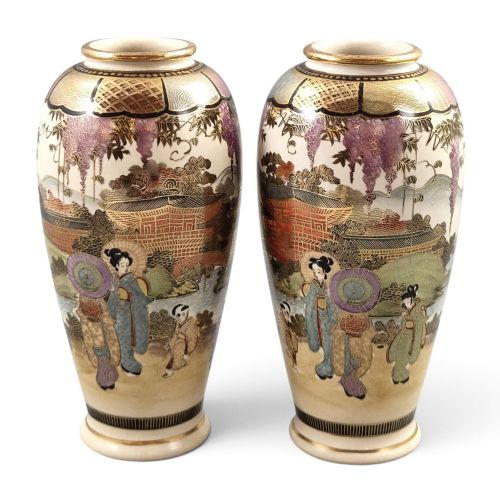
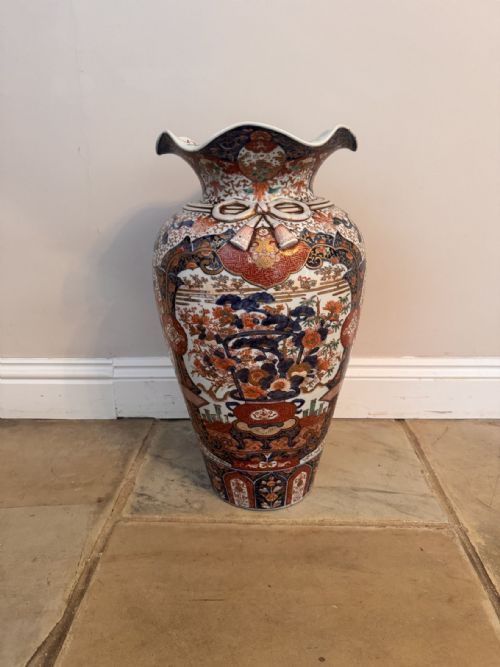
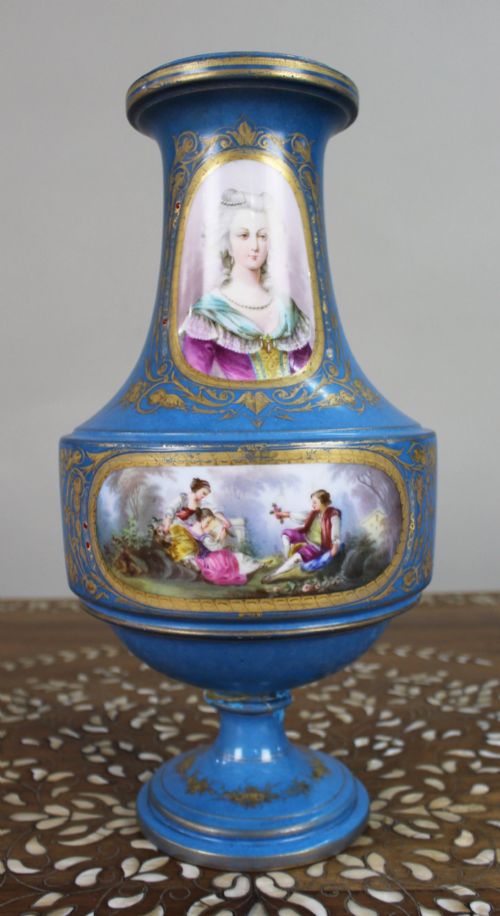
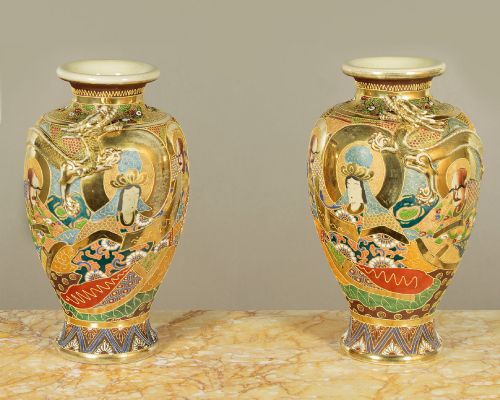
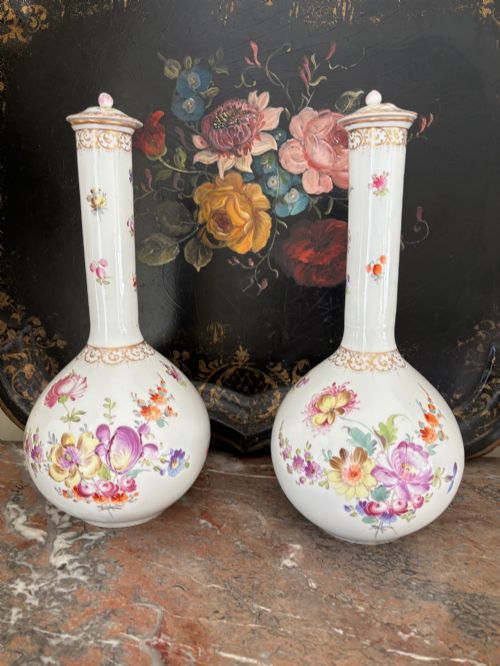
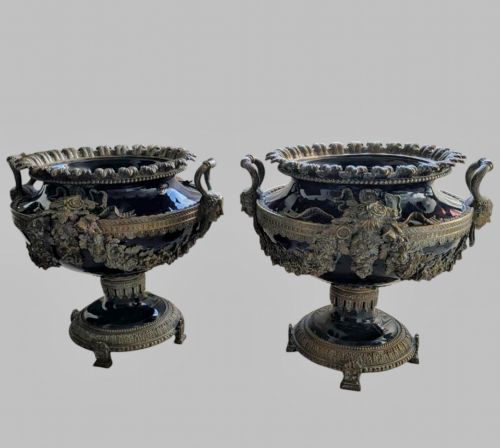
English manufactories such as Worcester, Derby, and Spode sit alongside French Sèvres-style works, Japanese Satsuma and Imari pieces, and Austrian porcelain. These items frequently arrive in matched pairs, designed to sit symmetrically on mantelpieces, consoles, and tables.
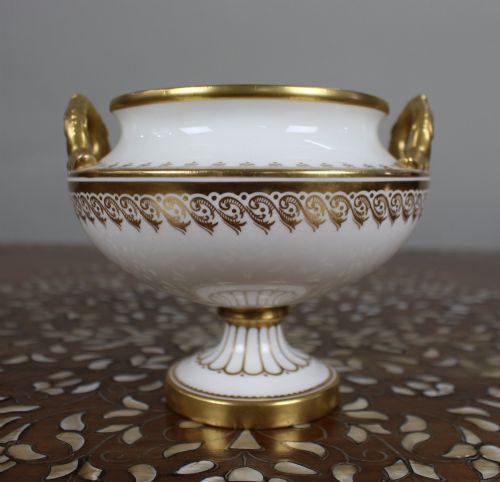
The decorative schemes span hand-painted floral motifs, armorial designs, Chinoiserie scenes, and blue and gold ground treatments. Many incorporate twin handles, covers, and structural mounts that elevate the ceramic body into a display centrepiece.

Materials and methods
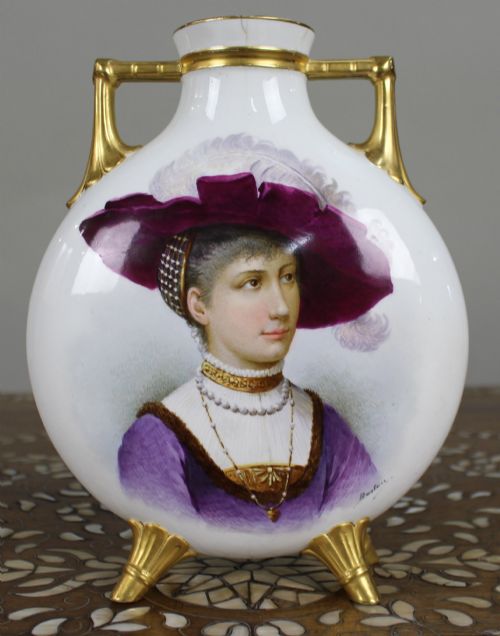
Potters shaped fine porcelain, earthenware, and ironstone on the wheel or pressed the clay into moulds to create bulbous, campana, and moon flask profiles. Artisans then applied glazes, ranging from white and blue grounds to blush ivory and bleu céleste.
Workers added surface enrichment through hand-painted polychrome pigments, iron-red details, and enamel work before applying gold leaf and gilt highlights. Firing in kilns set the colours and bonded the metallic gilding to the ceramic surface.
Gilded Ceramic Urn Retail Price Guide 2026
Typical asking prices for gilded ceramic urn among the pieces listed under this phrase on Sellingantiques today, from the lower quarter to the upper quarter. They describe what is for sale here now, not the wider market.
Listings feature items spanning the Georgian, Regency, Victorian, Edwardian, and 1900 periods, constructed from porcelain, earthenware, and ironstone.
Distinctions in standard
The fineness of the hand-painted brushwork distinguishes standard production from exceptional studio outputs, particularly in facial details on figural scenes and botanical precision in floral panels. Artisans who executed signed works achieved greater definition in their motifs.
The application and preservation of the gilding mark the upper tier of pieces, where gold leaf retains its dense lustre without rubbing or patchy loss. The crispness of the ceramic moulding and the survival of matching covers and original bases also define the better examples.
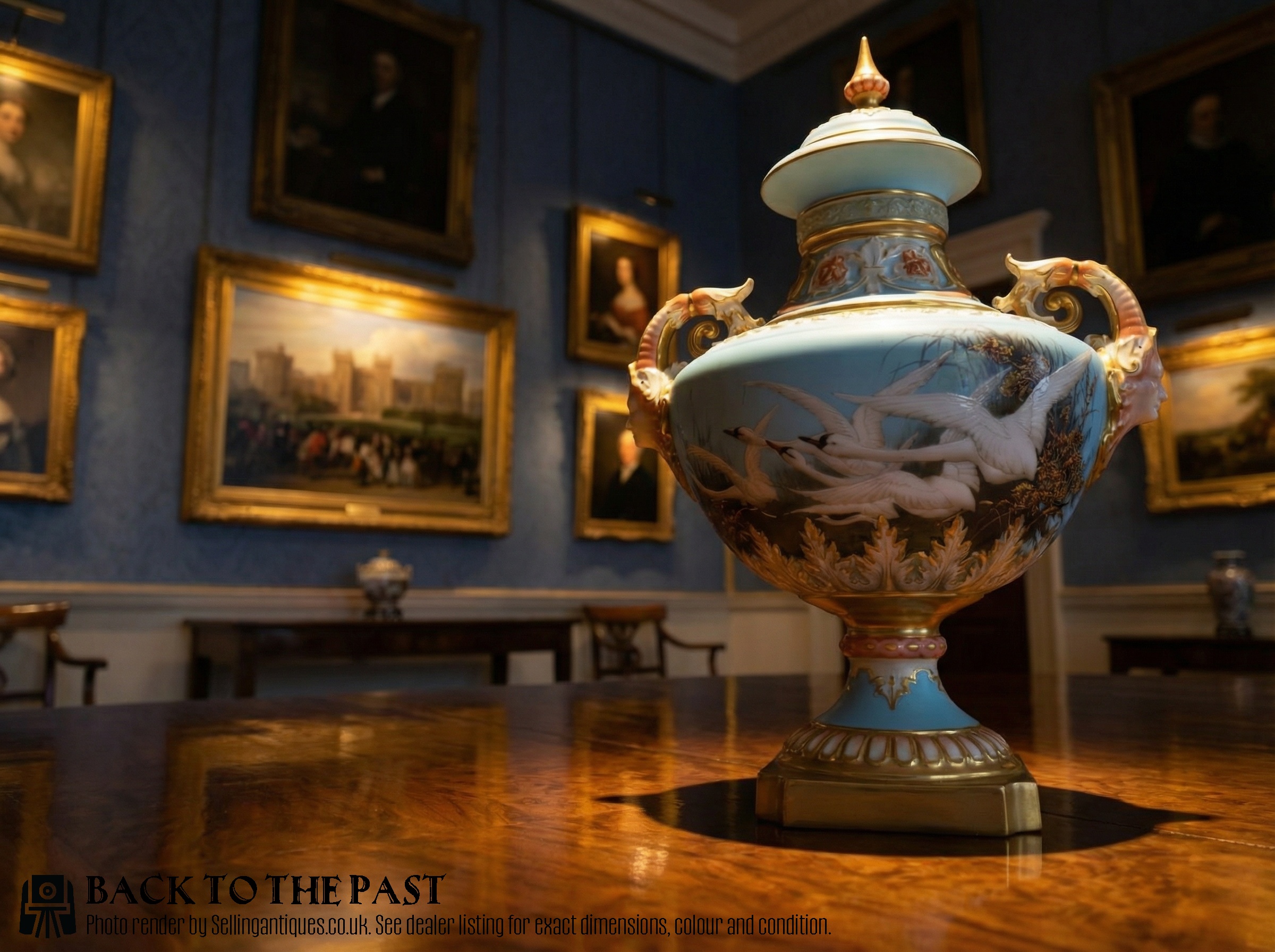
Flight, Barr and Barr·Flight and Barr·Jacob Petit·Royal Worcester·Samson Paris·Royal Crown Derby·Sitzendorf·Spode·Helena Wolfsohn·Reissner Stellmacher and Kessel
The Gilded Ceramic Urn Glossary
- Campana
- A bell-shaped vessel with a flared rim and foot, frequently utilised for classical urns.
- Jardinière
- A decorative ceramic pot or container designed to hold plants or floral arrangements.
- Imari
- A Japanese export porcelain style characterised by underglaze blue, iron-red, and gilt decoration.
- Blush ivory
- A matte cream ceramic ground developed by Royal Worcester, shaded with pale pink and gold.
- Bleu céleste
- A bright turquoise-blue enamel ground popularised by the Sèvres porcelain factory.
Gilded Ceramic Urn: Frequently Asked Questions
How were these urns used historically?
These vessels functioned as decorative centrepieces in grand rooms, sometimes containing potpourri to scent the air or holding ice at dining tables. Many served purely to display the wealth and aesthetic taste of the household on mantelpieces and side tables.
Over time, certain forms transitioned into domestic lighting when converted into table lamps, while others remained strictly ornamental statements within period interiors.
Are these pieces suitable for fresh flowers?
While many items possess watertight ceramic bodies and glazed interiors designed for liquid, the presence of delicate enamel work and antique gilding advises caution. Repeated exposure to water and moisture can risk damaging fragile hand-painted surfaces and historical finishes.
Using a discreet liner inside the vessel protects the interior from mineral deposits and moisture, preserving the structural integrity of the ceramic body for display.
How do I identify a Sèvres-style piece?
Sèvres-style items emulate the distinctive palette, gilding techniques, and rich ground colours developed by the French royal factory, particularly the characteristic turquoise bleu céleste. Workshops in Paris and England frequently adopted these aesthetic traits during the nineteenth century.
Examining the paste, weight, and secondary markings helps distinguish direct studio copies and continental interpretations from the original French royal production.