



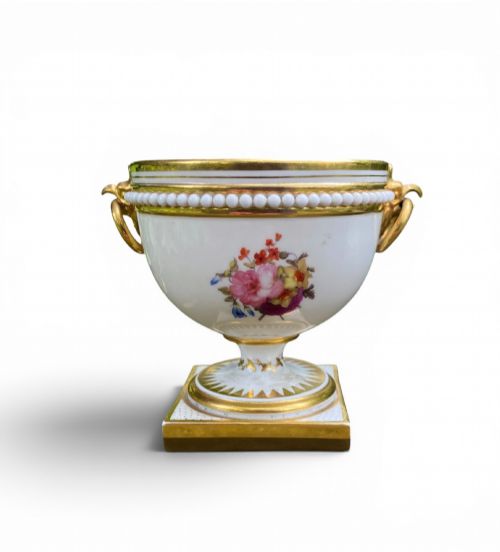


Georgian Worcester Vase
A georgian worcester vase brings the refined hand of late eighteenth and early nineteenth century ceramicists directly into your room.
Georgian Worcester Vase
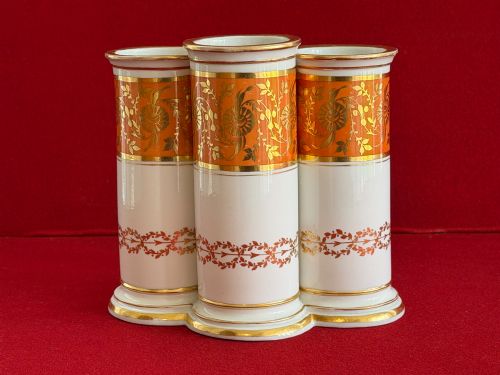
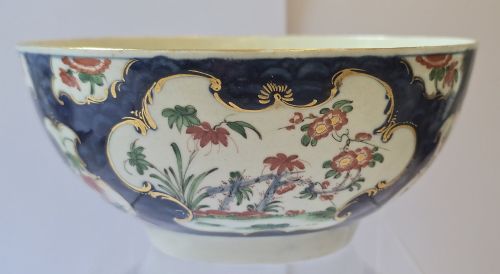
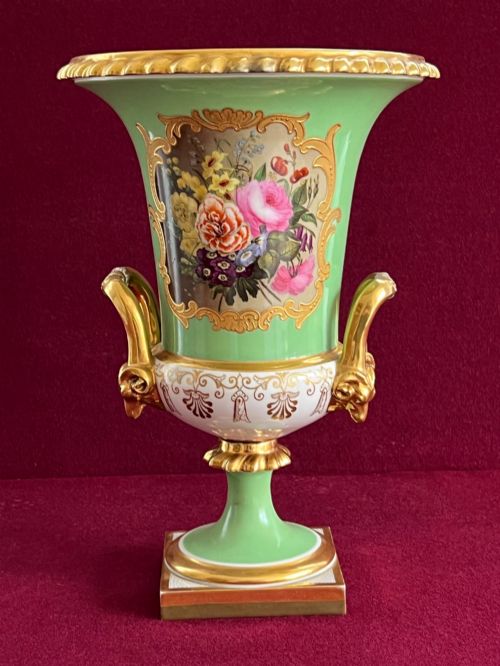
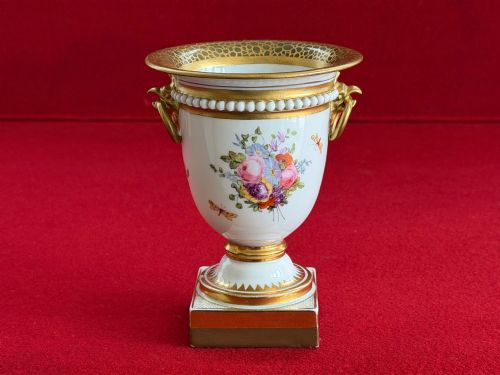
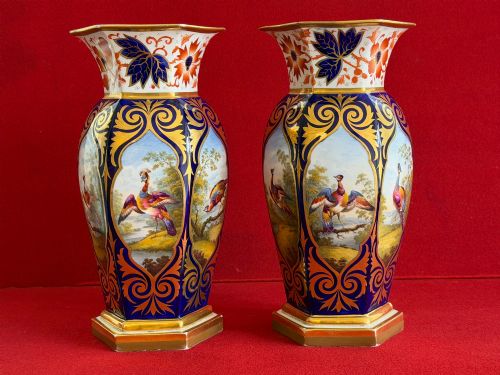
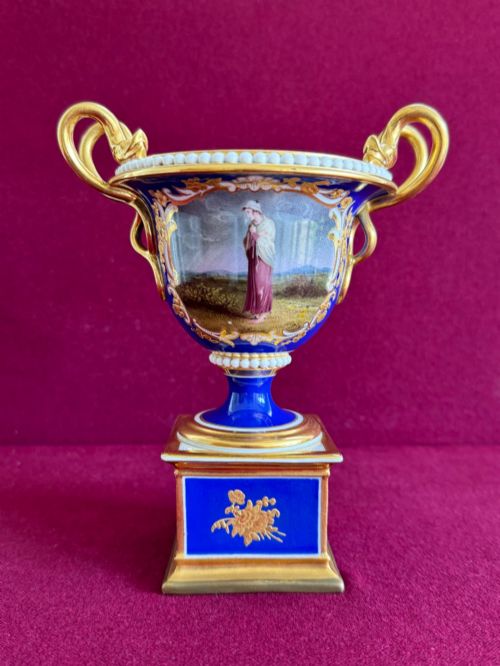
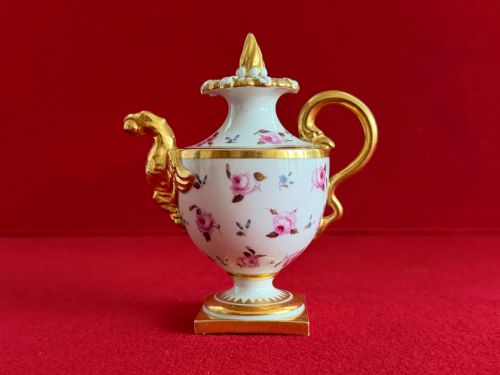
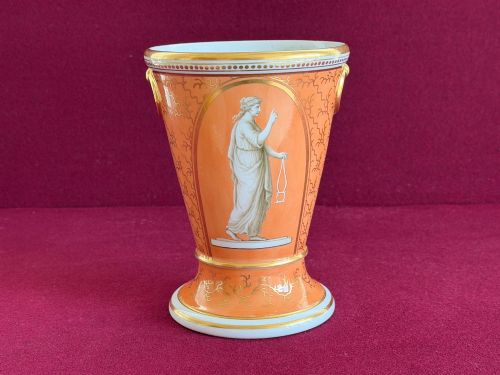
When you search for a georgian worcester vase, you are looking at decorative porcelain vessels created in Worcestershire during the Georgian and Regency periods. The forms range from campana shapes and pedestal urns to jardinieres and pommanders.
You are most likely to meet pieces bearing the marks of Flight, Barr and Barr or Chamberlain Worcester, spanning the turn of the nineteenth century. These objects served primarily as decorative focal points for polite interiors rather than for holding cut flowers.
How they were made
Potters shaped fine porcelain on the wheel or in moulds before firing, creating smooth, uniform bodies ready for decoration. Artisans then applied enamel paint by hand to render intricate botanical motifs, landscapes and heraldic designs.
Makers enriched the surfaces with gold leaf and detailed gilding, often framing hand-painted panels or highlighting handles and rims. Subsequent firings bonded the metallic leaf and enamel to the porcelain glaze.
Georgian Worcester Vase Retail Price Guide 2026
Typical asking prices for georgian worcester vase among the pieces listed under this phrase on Sellingantiques today, from the lower quarter to the upper quarter. They describe what is for sale here now, not the wider market.
The listings span the late eighteenth century through the Regency period, featuring porcelain decorated with enamel paint and gold leaf.
What varies in quality
The distinction between ordinary and exceptional work rests on the ambition of the hand-painted decoration and the crispness of the gilding. Top-tier pieces feature detailed topographical scenes or botanical studies executed with precision by skilled factory artists.
Form and proportion also divide the range, as well-balanced campana urns and matched garnitures demand greater technical mastery during firing than simpler vessels. The weight of the porcelain and the richness of the applied gold leaf further signal the standing of the piece.
Flight Barr and Barr·Flight and Barr·Barr Flight and Barr·Chamberlain Worcester
The Georgian Worcester Vase Glossary
- Campana
- A bell-shaped vessel with a flaring rim and a pedestal foot, often associated with classical antiquity. These forms were frequently utilised for large decorative vases.
- Gilding
- The application of gold leaf or powdered gold to the surface of the porcelain. This technique added rich metallic accents to handles, rims and borders.
- Jardiniere
- A large ornamental pot designed to hold plants or flowers. In Worcester ceramics, these vessels often featured twin handles and footed bases.
- Enamel
- A glass-based paint fused to the porcelain body through firing. It allowed makers to introduce vibrant colour to floral and landscape scenes.
- Garniture
- A set of matched vases or urns designed to be displayed together on a mantelpiece or sideboard. They typically comprise a central larger vessel flanked by smaller matching pieces.
Georgian Worcester Vase: Frequently Asked Questions
What is a campana shape?
A campana shape refers to an inverted bell profile common in classical urns and vases from the period. This design provides a wide mouth that tapers gracefully down to a narrow stem and foot.
Potters favoured this silhouette for its classical harmony and stability when displaying painted scenes across the body.
How do I care for gilt porcelain?
Gilt porcelain requires gentle treatment to protect the delicate gold leaf and enamel painted surfaces from abrasion. Dusting with a soft, dry cloth is sufficient for routine maintenance.
Keep these vessels away from direct sunlight and moisture to preserve the integrity of the glaze and metallic detailing over time.
Were these vases used for flowers?
Many pieces were created primarily as ornaments for display on mantelpieces, side tables and cabinets rather than for holding water and stems. Some specialised forms, such as rose water sprinklers, served specific social rituals.
Using them as dry decorative vessels protects the interior glaze and any sensitive enamel work from potential water damage.
How are Regency pieces different?
Regency era ceramics often display bolder neoclassical influences, heavier gilding and more saturated enamel colours compared to earlier eighteenth-century wares. The forms lean towards architectural symmetry and classical antiquity.
This stylistic shift reflects changing tastes in interior decoration during the early decades of the nineteenth century.