



Regency Period Decorative Porcelain
Regency period decorative porcelain brings striking classical forms and vibrant hand-painted details into a room, offering genuine early nineteenth-century elegance.
Regency Period Decorative Porcelain
When buyers search for regency period decorative porcelain, they encounter refined vessels and plates produced during the early nineteenth century and the wider Georgian era. These items encompass tea wares, dessert services, and ornamental vases created for display in formal interiors.
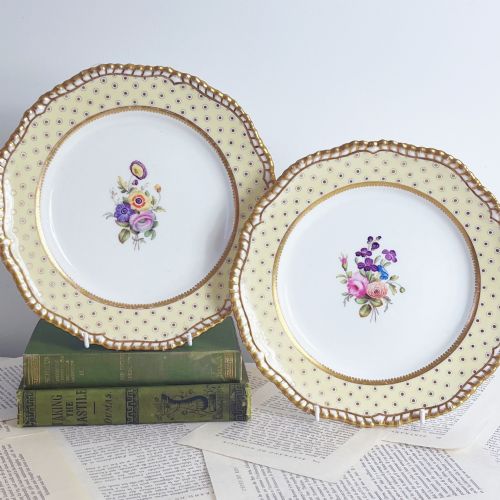
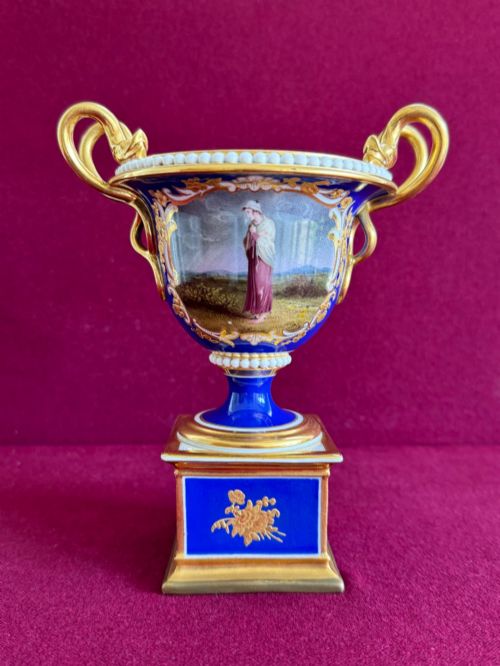
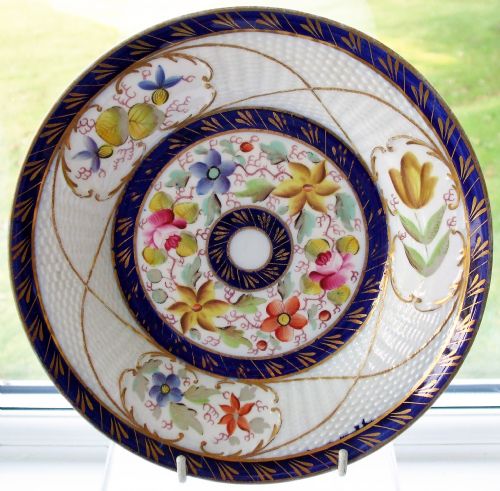
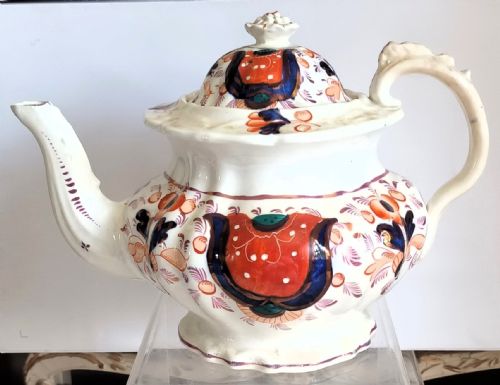
The pieces on this page span the Regency, Georgian, and nineteenth-century periods, showcasing distinct forms like the Warwick vase, the porringer, and topographical dessert plates. Makers such as Worcester, Spode, and Minton dominate the selection, often featuring hand-painted botanical scenes or chinoiserie patterns.
Most items reflect the aesthetic preferences of the Regency style and Grand Regency taste, sometimes incorporating later nineteenth-century interpretations. Buyers frequently meet decorative plates, teapots, and urns that demonstrate the shift from traditional Georgian restraint toward bolder Victorian influences.
How they were made
The physical construction relies on porcelain, bone china, ironstone, and earthenware, shaped into vases, dishes, and teapots. Manufacturers utilised specialised bodies like felspar porcelain and stone china to achieve durable yet elegant domestic objects.
Surface decoration frequently combines hand-painted enamel colours with gold leaf and rich gilding. Artisans applied lustre glaze and detailed topographical or floral motifs directly onto the fired body before secondary firing.
Regency Period Decorative Porcelain Retail Price Guide 2026
Typical asking prices for regency period decorative porcelain among the pieces listed under this phrase on Sellingantiques today, from the lower quarter to the upper quarter. They describe what is for sale here now, not the wider market.
Listings feature porcelain, bone china, and ironstone objects from the nineteenth century, Georgian, and Regency periods.
What varies in quality
Quality separates through the precision of the hand-painted brushwork and the clarity of the enamel colours across different pieces. Superior examples display meticulous detail in botanical studies, topographical views, and figural scenes executed by named or highly skilled decorators.
The application and preservation of gold leaf and gilding also divide standard wares from finer productions. Rich, burnished gold accents and complex body formulations like felspar porcelain denote higher workmanship and greater manufacturing ambition.
Flight Barr And Barr·Spode·New Hall·Minton·C J Mason
The Regency Period Decorative Porcelain Glossary
- Porcelain
- A white, vitrified ceramic material fired at high temperatures to achieve translucency and strength. It serves as the primary substrate for fine Regency decorative objects.
- Bone china
- A type of porcelain incorporating bone ash for enhanced durability and a warm, milky appearance. This composition allowed makers to produce thinner, more refined vessels.
- Ironstone
- A heavy, durable earthenware developed to rival true porcelain in domestic utility. It provides a sturdy body for richly patterned plates and porringers.
- Gilding
- The application of gold leaf or gold paint to ceramic surfaces for decorative emphasis. It highlights rims, handles, and painted borders on fine dining and display wares.
- Lustre glaze
- A metallic film applied to ceramics to create an iridescent sheen. It adds reflective qualities to nineteenth-century decorative pieces.
Regency Period Decorative Porcelain: Frequently Asked Questions
What is regency period decorative porcelain?
Regency period decorative porcelain comprises ceramic items made during the early nineteenth century, encompassing ornamental vases, dessert plates, and teapots. These pieces reflect the artistic tastes of the Regency and Georgian eras through hand-painted scenes and classical shapes.
The selection includes specialised bodies like ironstone and bone china created by prominent English potteries. They were designed for both practical dining use and formal interior display.
How were these porcelain pieces used?
These ceramic items served both functional roles in dining and decorative purposes in formal drawing rooms. Dessert plates and teapots were employed during formal afternoon or evening gatherings.
Vases and urns functioned primarily as decorative centerpieces on mantelpieces and side tables. Their detailed hand-painted designs offered visual interest in affluent interiors.
How do I identify a Regency porcelain piece?
Identification relies on observing classical forms, specific paste types like felspar porcelain, and characteristic decorative motifs such as topographical scenes. Many items exhibit early nineteenth-century aesthetic markers associated with the Regency style.
Examining the underside for maker marks or pattern numbers provides further confirmation of origin. The presence of hand-painted enamel and rich gilding also helps distinguish the period.
How do I care for antique porcelain?
Antique porcelain requires gentle handling and should be washed by hand in lukewarm water with mild soap. Avoid soaking pieces with delicate overglaze enamel or gold leaf to prevent surface wear.
Display them away from direct sunlight and areas subject to temperature fluctuations. Secure stable placement for vases and plates to avoid accidental impact.