



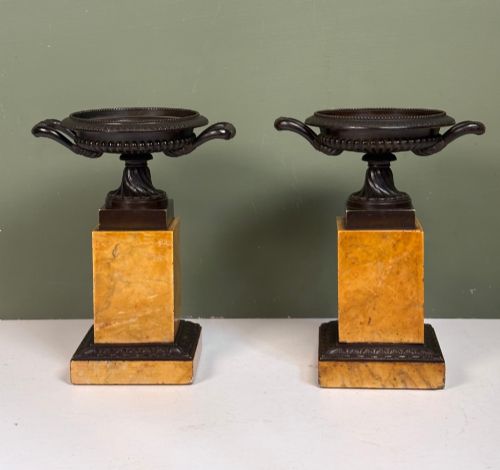
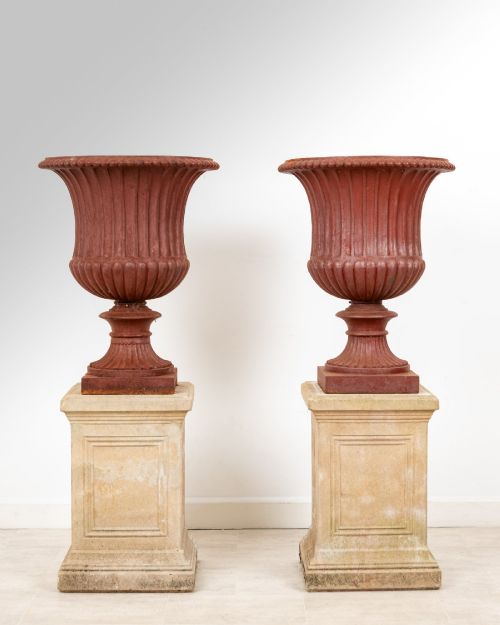
Pedestal Urn Vases
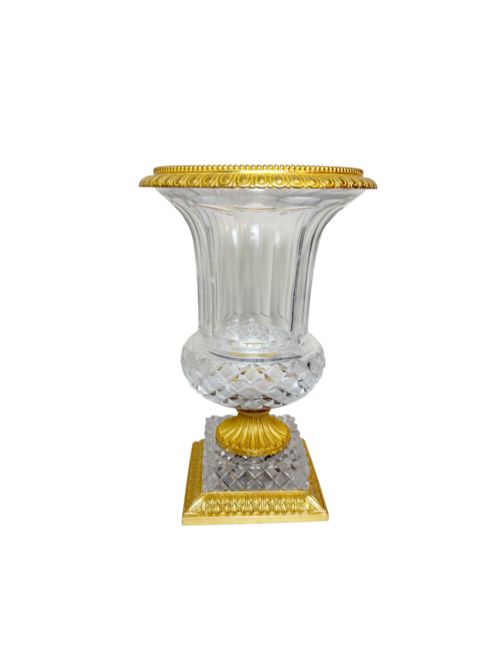
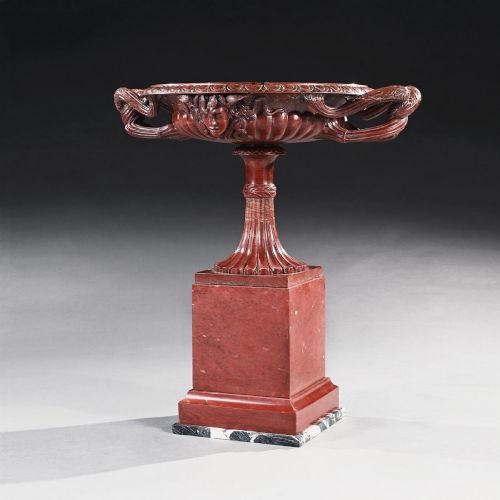
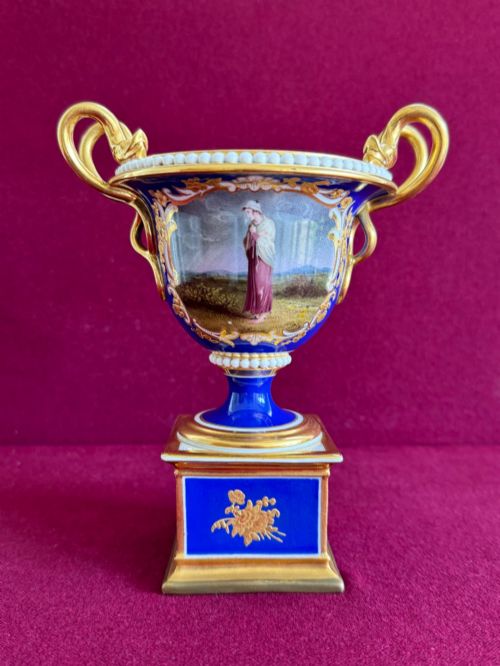
Pedestal urn vases bring classical proportion and substantial presence to a room, uniting sculptural vessels with elevated stands.
Pedestal Urn Vases
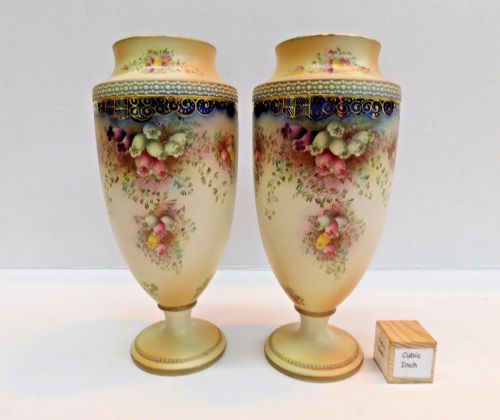
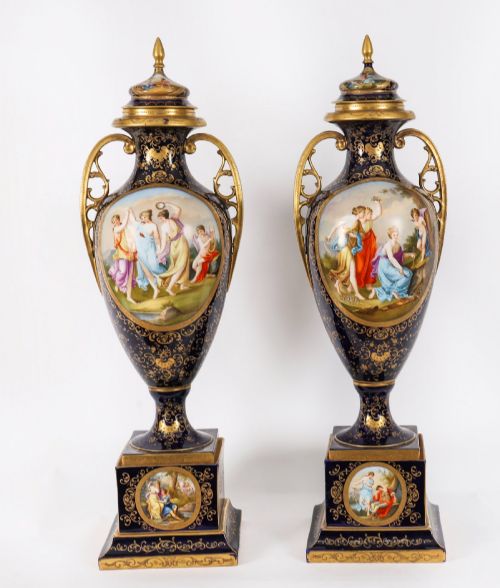
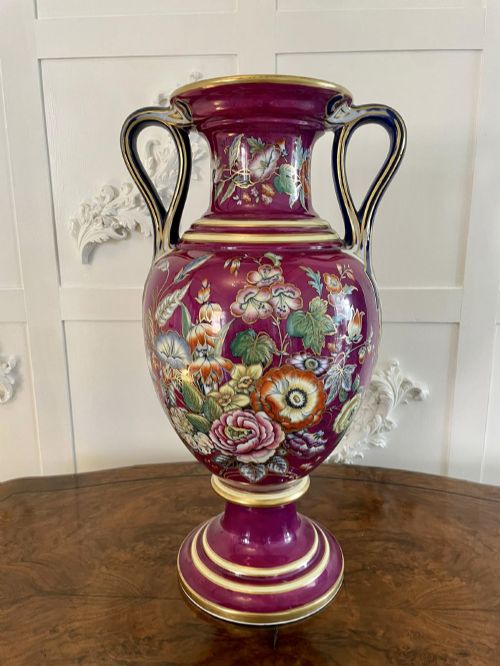
Pedestal urn vases combine decorative vessel forms with dedicated stands or plinths, drawing heavily on classical antiquity and the Grand Tour aesthetic. You will most frequently meet 19th-century examples, particularly cast iron campana urns and porcelain vases produced in Victorian workshops.
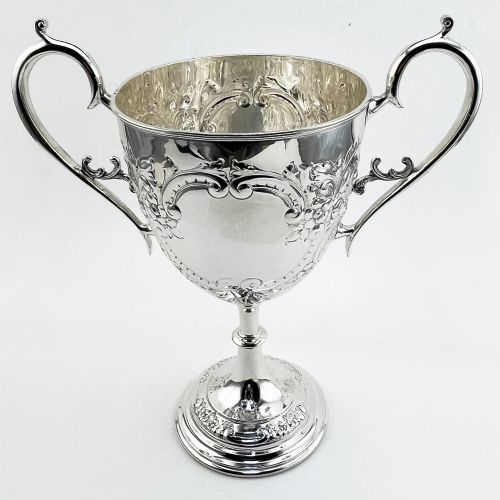
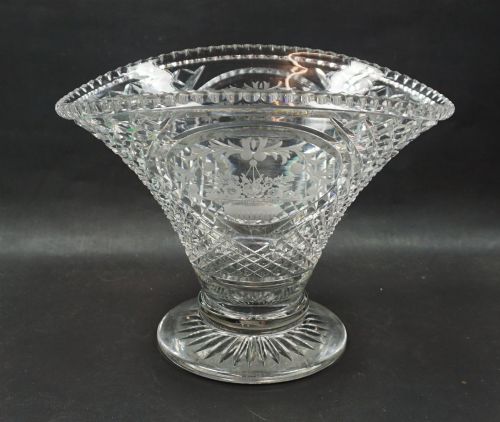
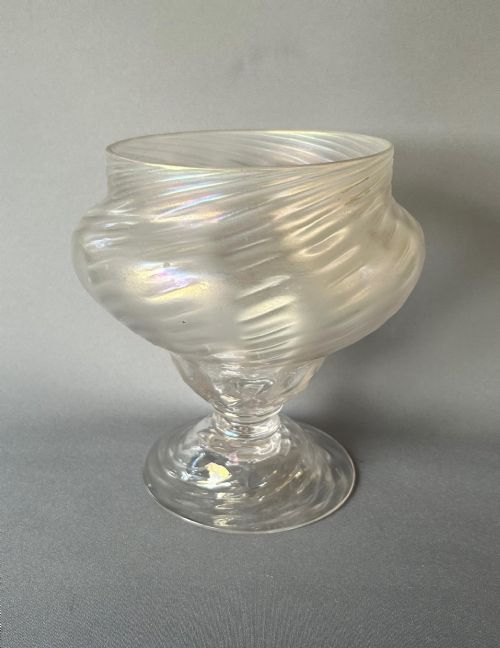
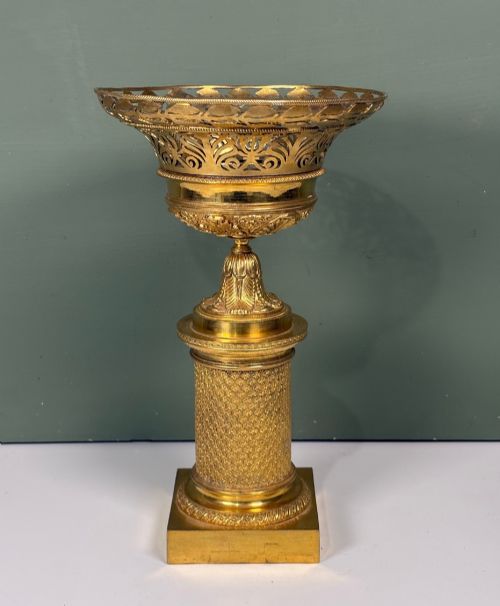
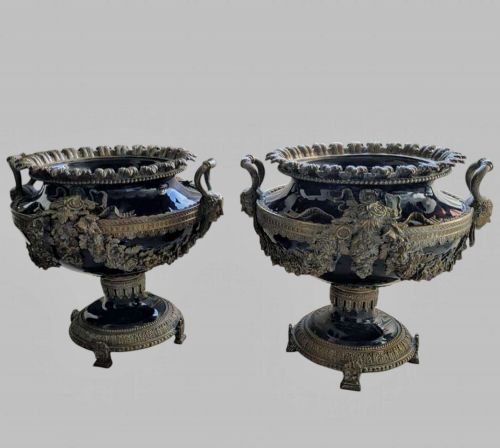
The selection ranges from heavy garden ironwork to refined porcelain and bronze table pieces, often styled in the Neoclassical, Empire, or Rococo Revival manner. Many items incorporate matching pedestals or stepped bases designed to elevate the display of plants, flowers, or decorative arrangements.
How they were made
Foundries utilised traditional casting techniques for iron and bronze pieces, shaping heavy metal into campana silhouettes and finishing surfaces with patination, gilding, or paint. Potters shaped porcelain and terracotta on wheels or in moulds before applying hand-painted glazes, enamel, and bas-relief details.
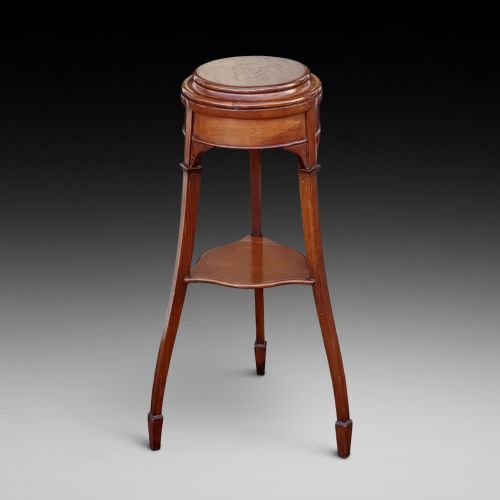
Cabinetmakers constructed wooden plant stands and tables from hardwoods, frequently incorporating marble inserts to support heavy stone or ceramic vessels. Artisans combined media such as ormolu mounts with bronze bodies, relying on precise metalwork and joinery to achieve structural balance.
Pedestal Urn Vases Retail Price Guide 2026
Typical asking prices for pedestal urn vases among the pieces listed under this phrase on Sellingantiques today, from the lower quarter to the upper quarter. They describe what is for sale here now, not the wider market.
Current listings feature porcelain, bronze, cast iron, and marble pedestal urn vases spanning the Georgian, Victorian, and Edwardian periods.
What varies in quality
The refinement of the casting and modelling separates standard production wares from exceptional studio pieces, visible in the crispness of acanthus leaves and figural reliefs. Superior examples display careful attention to surface finish, whether through fine hand-painting on porcelain or meticulous chasing on bronze.
Material selection and structural integrity dictate the standing of a piece, with heavy marbles, solid bronzes, and high-fired porcelains commanding greater architectural presence. The harmony between the urn vessel and its pedestal base determines the overall proportion and visual success of the ensemble.
Coalbrookdale·Helena Wolfsohn Dresden·Ridgeways·Meissen·Wedgwood·Doulton Burslem·Minton·Cantagalli
The Pedestal Urn Vases Glossary
- Campana
- A bell-shaped vessel with a flared rim, a deep bowl, and a foot resting on a plinth. This classical form originates from ancient pottery and bronze models.
- Grand Tour
- A traditional trip through Europe undertaken by upper-class scholars and collectors during the eighteenth and nineteenth centuries. Souvenirs from these journeys typically include bronze and marble antiquities.
- Ormolu
- Gilded bronze utilised for decorative mounts and furniture embellishments. The technique involves applying a gold amalgam to a bronze base and heating it.
- Jardiniere
- An ornamental pot or stand designed to hold plants or floral displays. These objects appear in ceramic, terracotta, and cast iron.
- Bas-relief
- A sculptural technique where figures and motifs project slightly from a flat background. This method appears frequently on jasperware and cast metal surfaces.
Pedestal Urn Vases: Frequently Asked Questions
What is a campana urn?
A campana urn is a bell-shaped decorative vessel that flares outward at the rim, resting on a stem and foot. Makers modelled these classical forms on ancient Roman garden vessels.
In period settings, these urns served as ornamental centerpieces or plant containers. They bring a distinct architectural gravity to both interior rooms and garden terraces.
How were Grand Tour urns used?
Nineteenth-century travellers collected bronze and marble urns as souvenirs of their travels through Italy and France. These miniature monuments commemorated classical antiquity for home display.
Collectors placed them on mantelpieces, tables, or specialised pedestals to demonstrate cultural erudition. They remain prized for their fine patination and historical associations.
Where do pedestal stands come from?
Pedestal stands developed to elevate heavy ceramic and metal vases for better visibility in a room. Cabinetmakers produced these supports in hardwoods, marble, and cast iron.
They function alongside planters to create vertical focal points in hallways and drawing rooms. The pairing of vessel and stand provides balanced proportions.
How do you date 19th-century cast iron urns?
Nineteenth-century cast iron urns display distinct foundry marks, heavy wall thicknesses, and classical revival motifs. Victorian manufacturers reproduced ancient campana and krater shapes using sand-casting methods.
Examining the paint layers, weathering patterns, and bolt construction helps distinguish Victorian production from later reproductions. These outdoor pieces develop stable patinas over decades.