
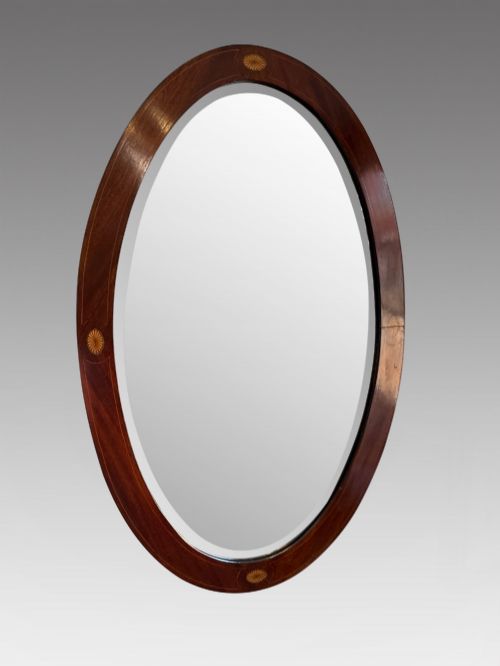
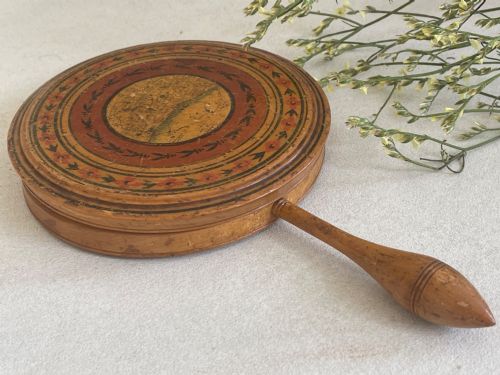
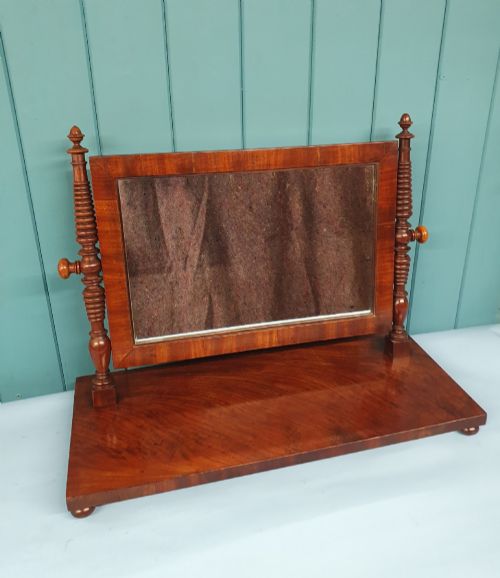
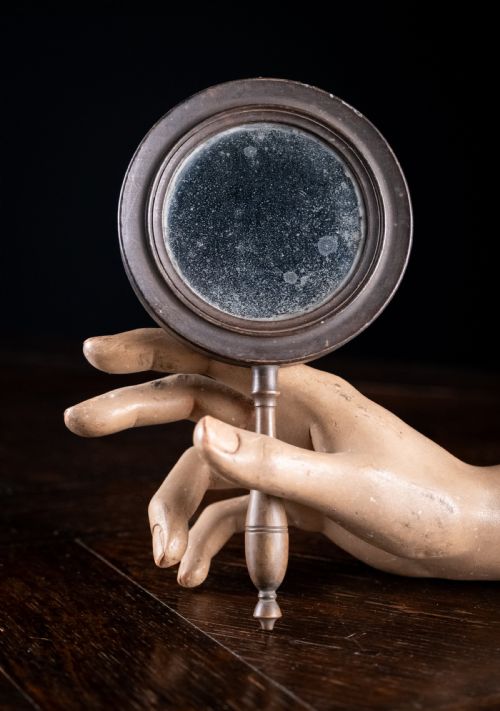

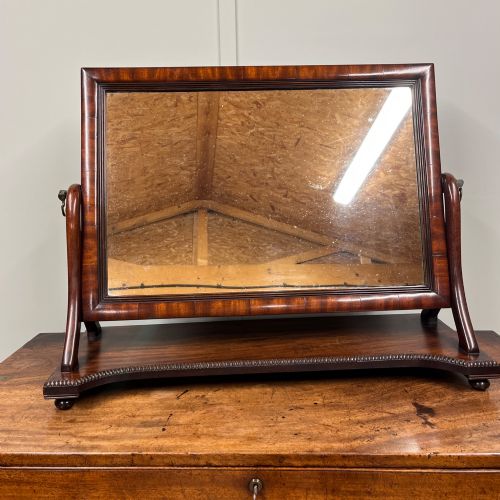


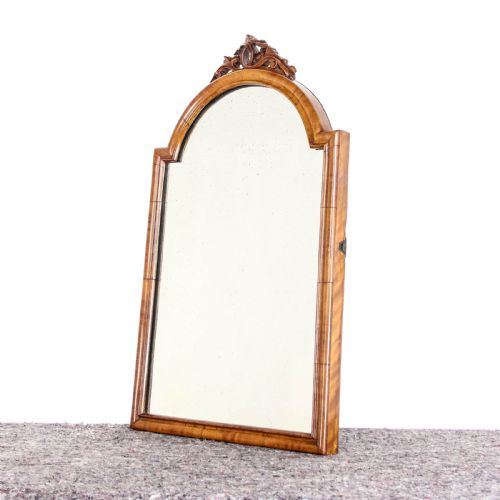

Georgian Wooden Vanity Mirror
A georgian wooden vanity mirror offers practical tabletop reflection housed in rich timber, bringing period character to a modern dressing space.
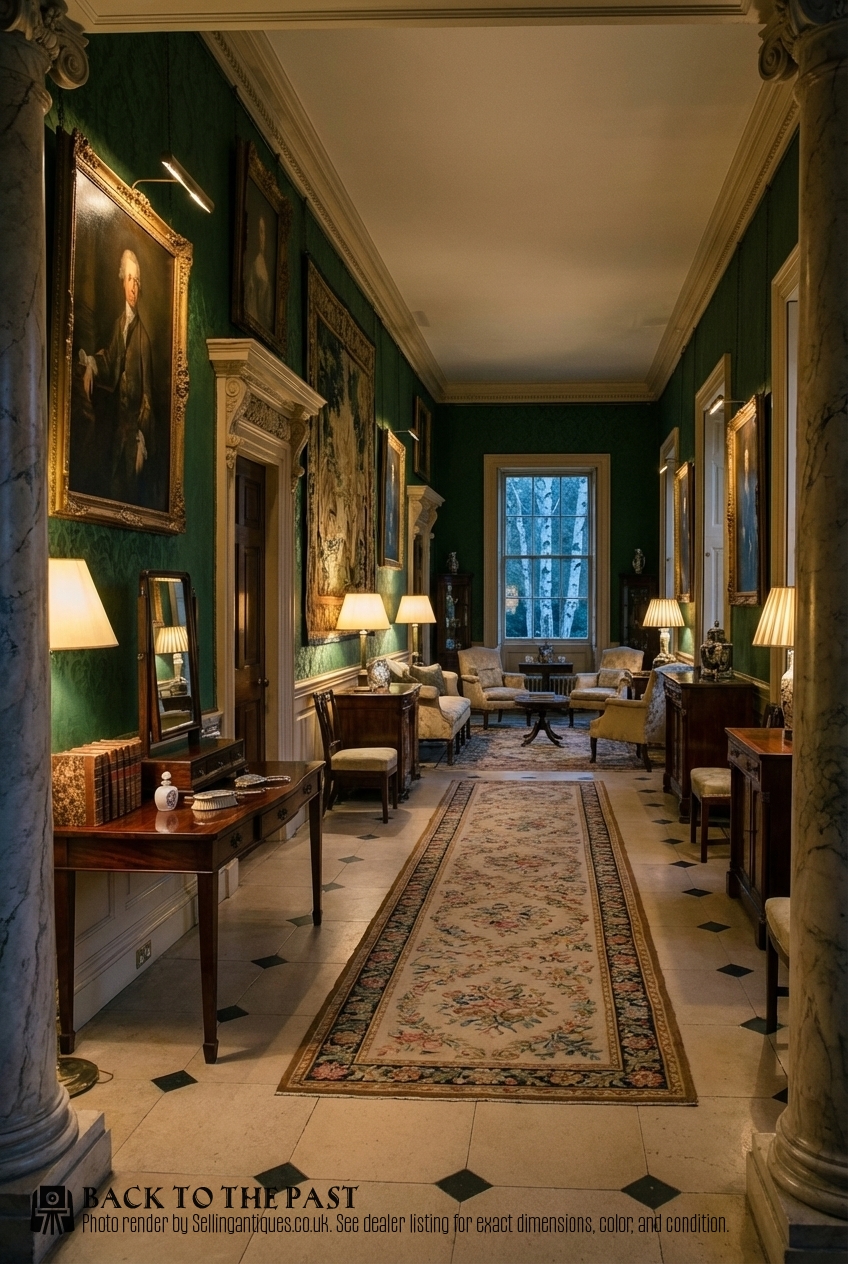
Georgian Wooden Vanity Mirror
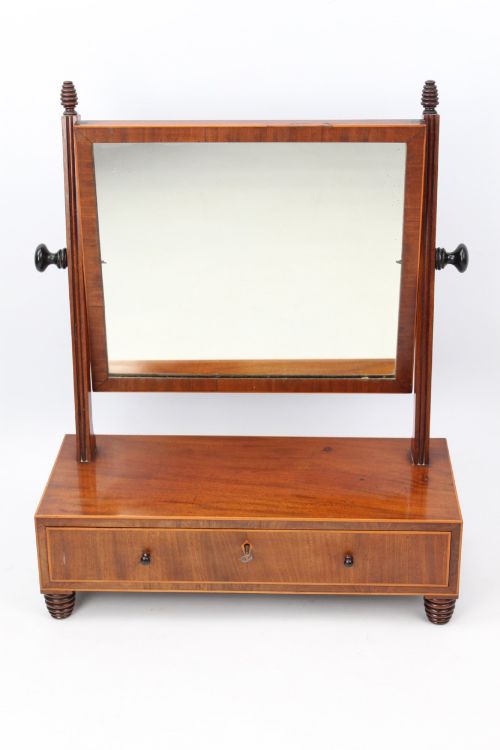
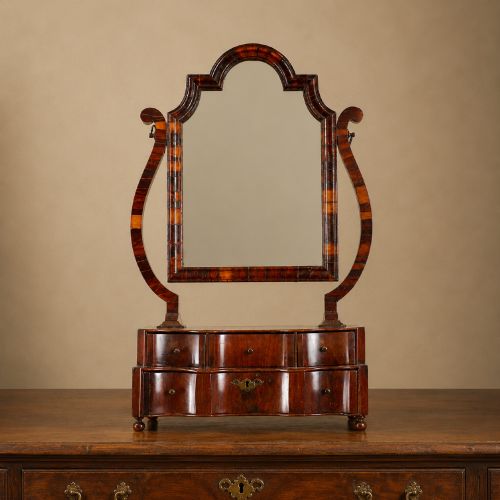
When you search for a georgian wooden vanity mirror, you are looking at portable dressing, toilet and table mirrors designed to sit on top of a chest or table. These pieces span the eighteenth century and the Regency period, though later revivals also appear.
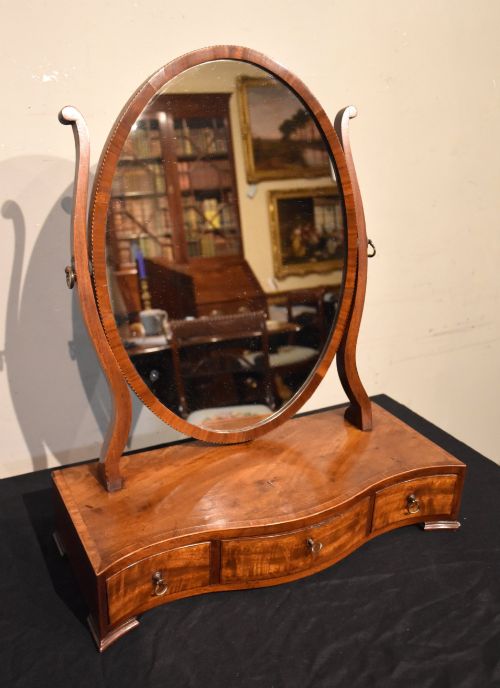
The inventory on this page relies heavily on mahogany and walnut frames, frequently housing pivoting mirror glass above small box bases fitted with drawers. Forms range from simple rectangular table models to serpentine fronts and portable campaign variants.
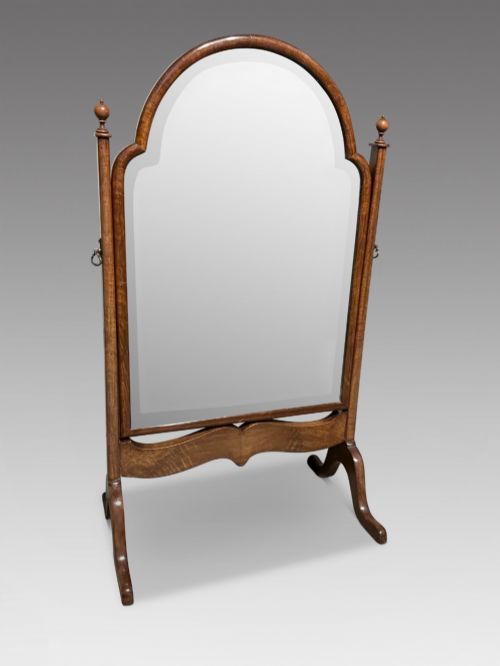
While many examples date directly to the Georgian and Regency eras, the listings also include pieces from the nineteenth and early twentieth centuries built in earlier styles. Collectors encounter both freestanding dressing glasses and wall-hanging formats grouped under this heading.
Materials and construction
Cabinetmakers constructed these frames using dense hardwoods like mahogany and walnut, often accentuating the surfaces with burr veneers, laburnum, satinwood or boxwood stringing. Timber selection dictated both the weight and the formal elegance of the dressing glass.
Makers set the mirror plates into pivoting wooden frames supported by upright arms, allowing the user to adjust the angle of reflection. Brass screw caps, side finials and small escutcheons provided both structural movement and metallic contrast against the dark wood.
One travelling mirror comes complete with an old label, preserving a tiny fragment of its long journey through time.
Variations in quality
Quality in a georgian wooden vanity mirror reveals itself in the handling of the timber and the subtlety of the proportions. Finer examples display carefully selected grain patterns, such as figured mahogany or burr walnut, matched symmetrically across the base drawers.
Construction details also separate standard workshop output from superior pieces, particularly in the precision of the drawer dovetails and the turning of the support uprights. The presence of secondary woods, original brass hardware and untouched mirror plates elevates a piece's standing.
The Georgian Wooden Vanity Mirror Glossary
- Toilet mirror
- A small mirror designed for placement on a dressing table or chest of drawers. These typically incorporate a set of small drawers in the base.
- Serpentine
- A curved shape featuring a convex centre flanked by two concave sweeps. This profile is frequently seen on the drawer fronts of finer dressing glasses.
- Campaign mirror
- A portable mirror constructed for travel, often featuring folding elements or secure travelling cases. These were utilised by officers on the move.
- Stringing
- Thin inlaid lines of a contrasting wood used to decorate the edges of drawers and frames. Boxwood was a common choice for this delicate inlay work.
- Pivoting glass
- A mirror plate hung on horizontal side screws or pins that allow it to tilt forward and backward. The supporting arms attach to the main base structure.
Georgian Wooden Vanity Mirror: Frequently Asked Questions
Where did people put these mirrors?
These mirrors sat upon dressing tables, tallboys or chests of drawers in bedrooms and dressing rooms. Their portable nature meant users could shift them to catch the best morning light.
Today, they function well on modern dressing tables, sideboards or mantelpieces. They provide functional reflection while adding traditional timber warmth to a room.
What is a campaign vanity mirror?
A campaign mirror was built for travel, designed to pack down securely for military officers or gentlemen on the move. They often feature robust woods and protective travelling enclosures.
These pieces offer a utilitarian yet refined aesthetic suited to compact spaces. Their clever construction reflects the practical demands of nineteenth-century travel.
How do I spot a later revival piece?
Later revival pieces often show up in twentieth-century dates while adopting eighteenth-century stylistic traits like Queen Anne walnut or Sheraton inlay. Examining the construction timber and drawer joints helps clarify the true age.
Cabinetmaking techniques and secondary woods evolved over time, separating Georgian originals from later interpretations. Labels and old hardware can also offer clues to the actual period of manufacture.
What are the base drawers used for?
The small drawers fitted into the plinth of a toilet mirror held trinkets, cosmetics and grooming tools. This kept dressing surfaces neat and personal items close at hand.
In modern use, these compartments remain practical for storing small accessories. They add architectural interest to the base while preserving the original purpose of the furniture.