
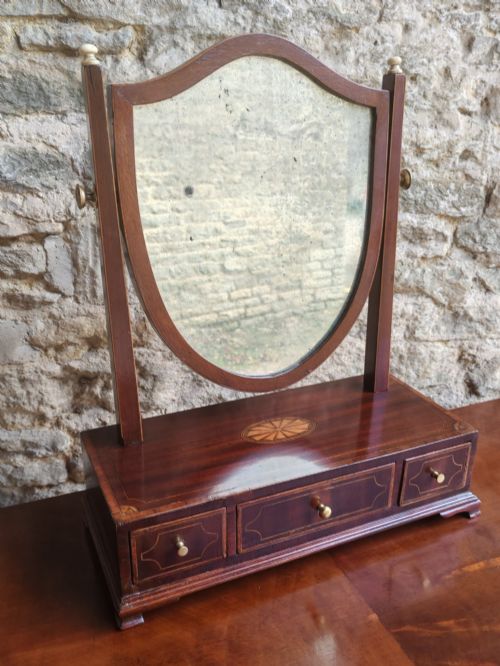


Georgian Mahogany Mirror Drawers
Georgian mahogany mirror drawers bring period charm to a dressing table, combining practical reflection with small storage compartments for daily essentials.
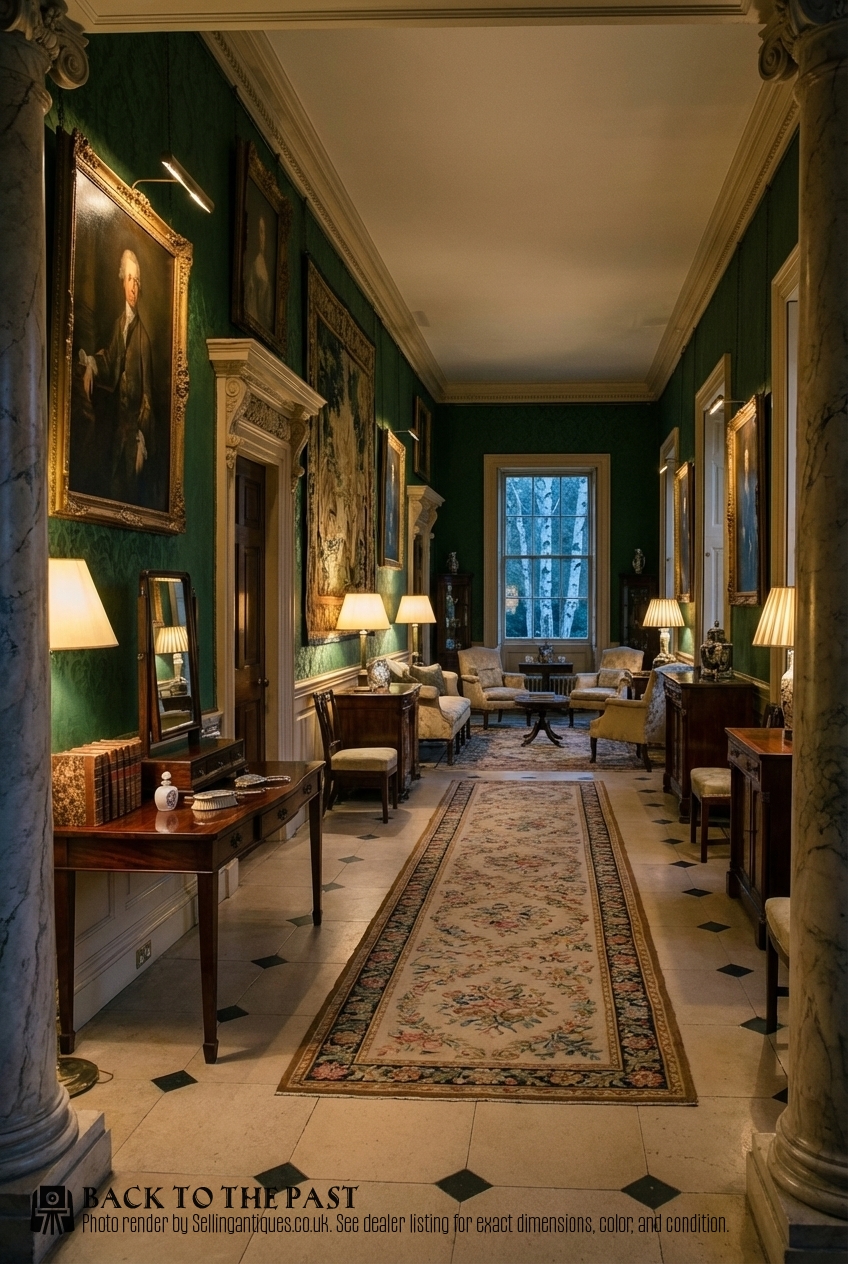
Georgian Mahogany Mirror Drawers
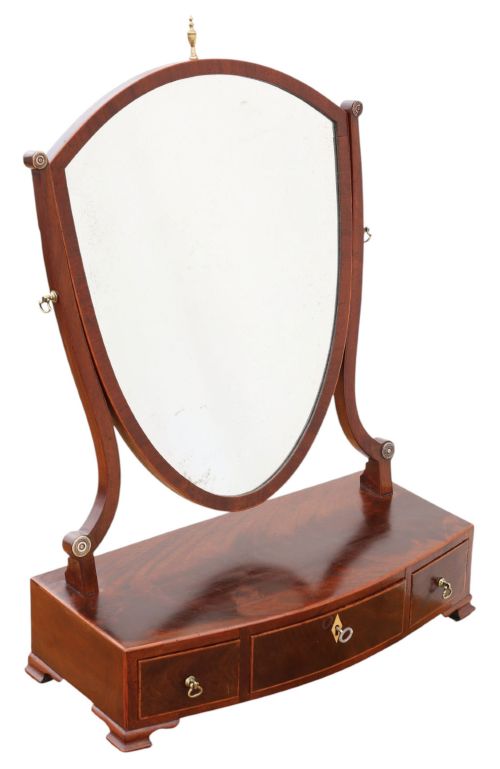
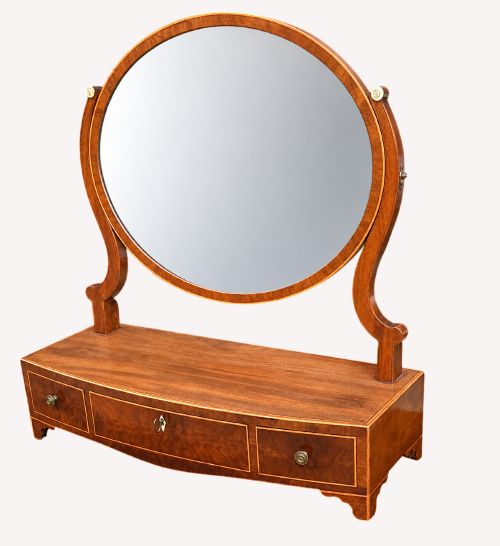
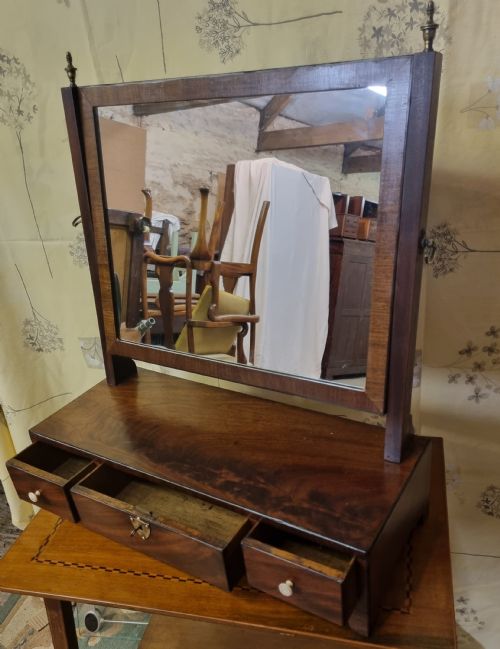
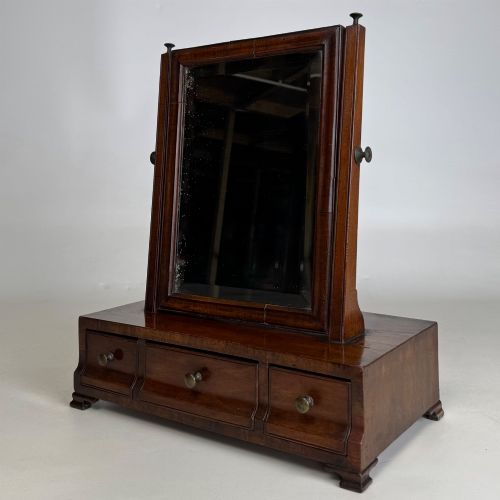
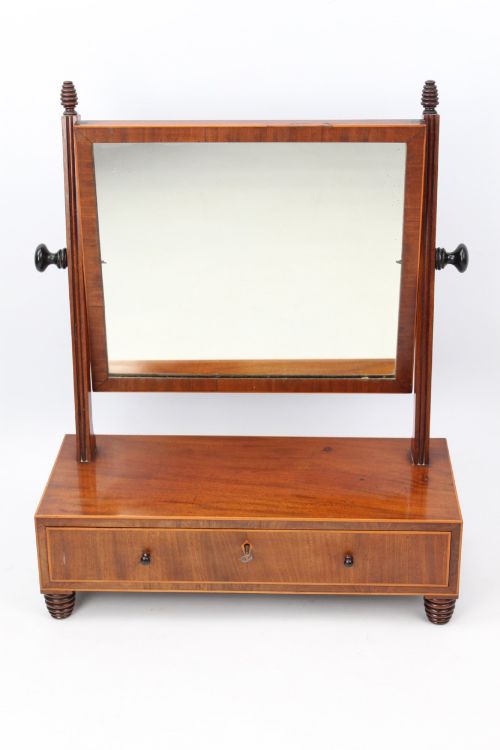
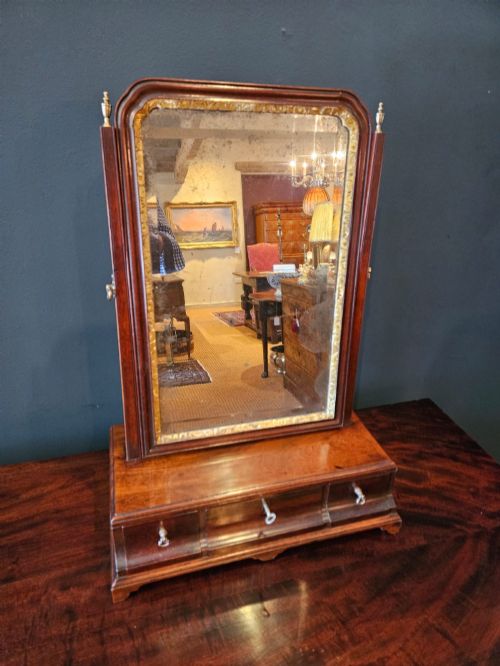
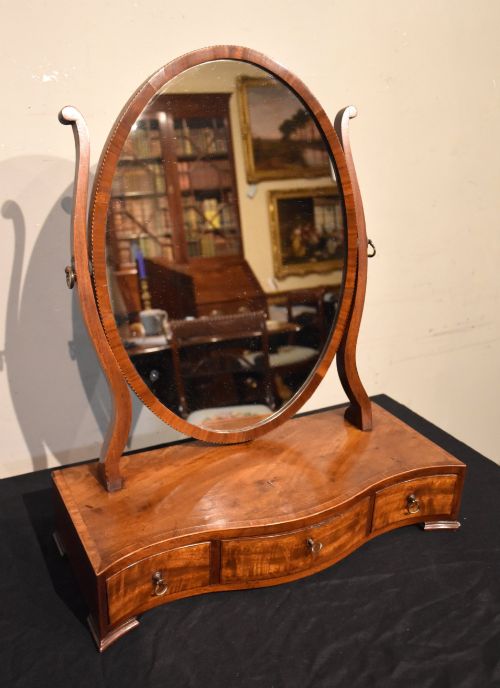
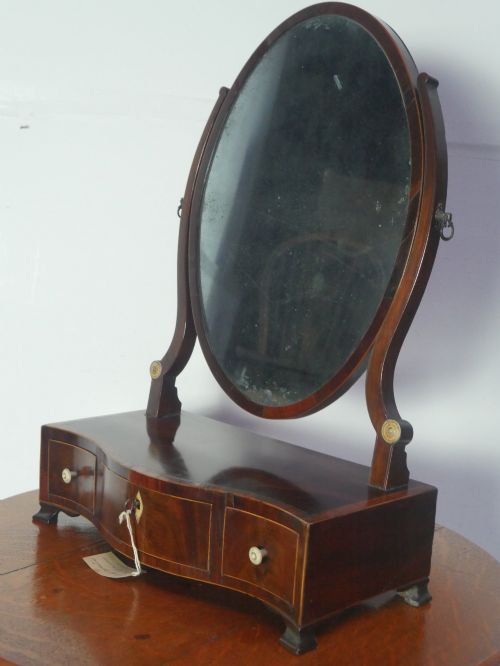
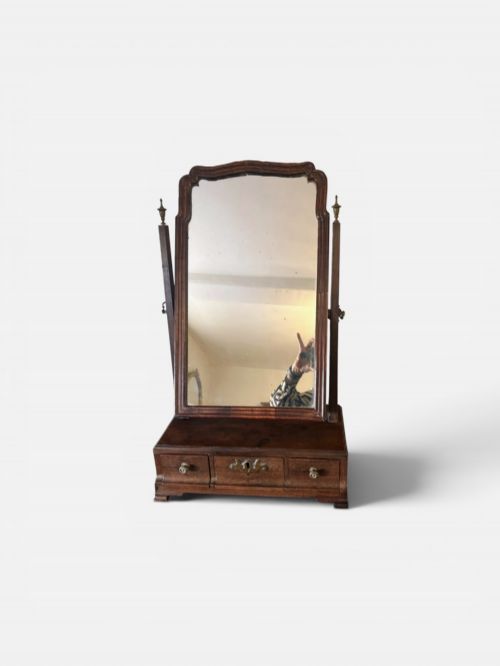
When you search for georgian mahogany mirror drawers, you encounter table-top dressing pieces designed to sit upon chests or dedicated dressing tables. These items primarily date from the eighteenth and nineteenth centuries, spanning George II, George III, Regency, and Victorian periods.
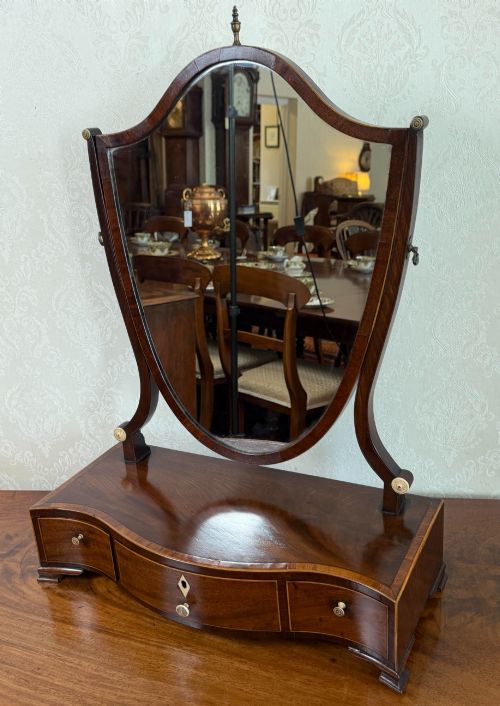
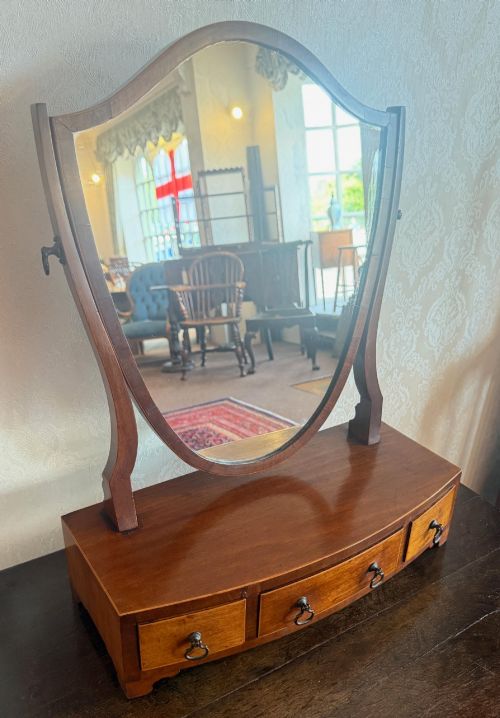
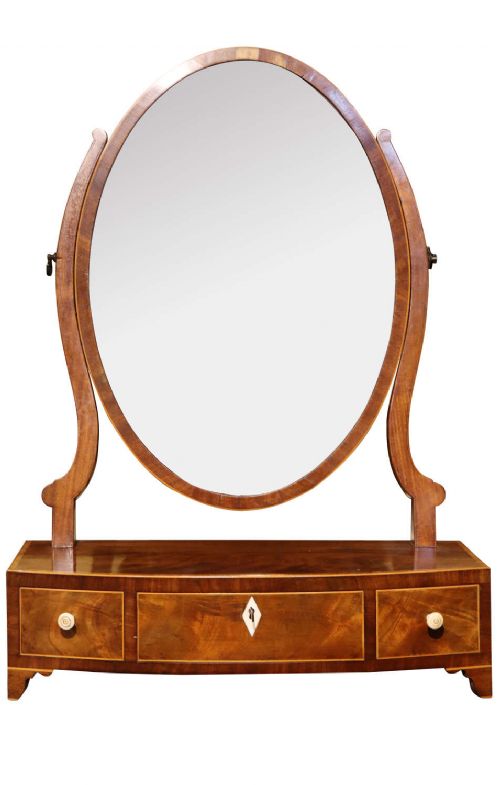
The most common formats on this page include toilet mirrors, swing mirrors, and dressing table mirrors featuring small integrated storage bases. Formats range from simple rectangular boxes to serpentine, bow-front, and shield shapes.
Makers and craftsmen of these pieces utilised rich timbers and fitted them with functional compartments beneath the swinging glass plates. Their origins stem predominantly from British cabinet-making traditions of the Georgian era.
Factors of Quality
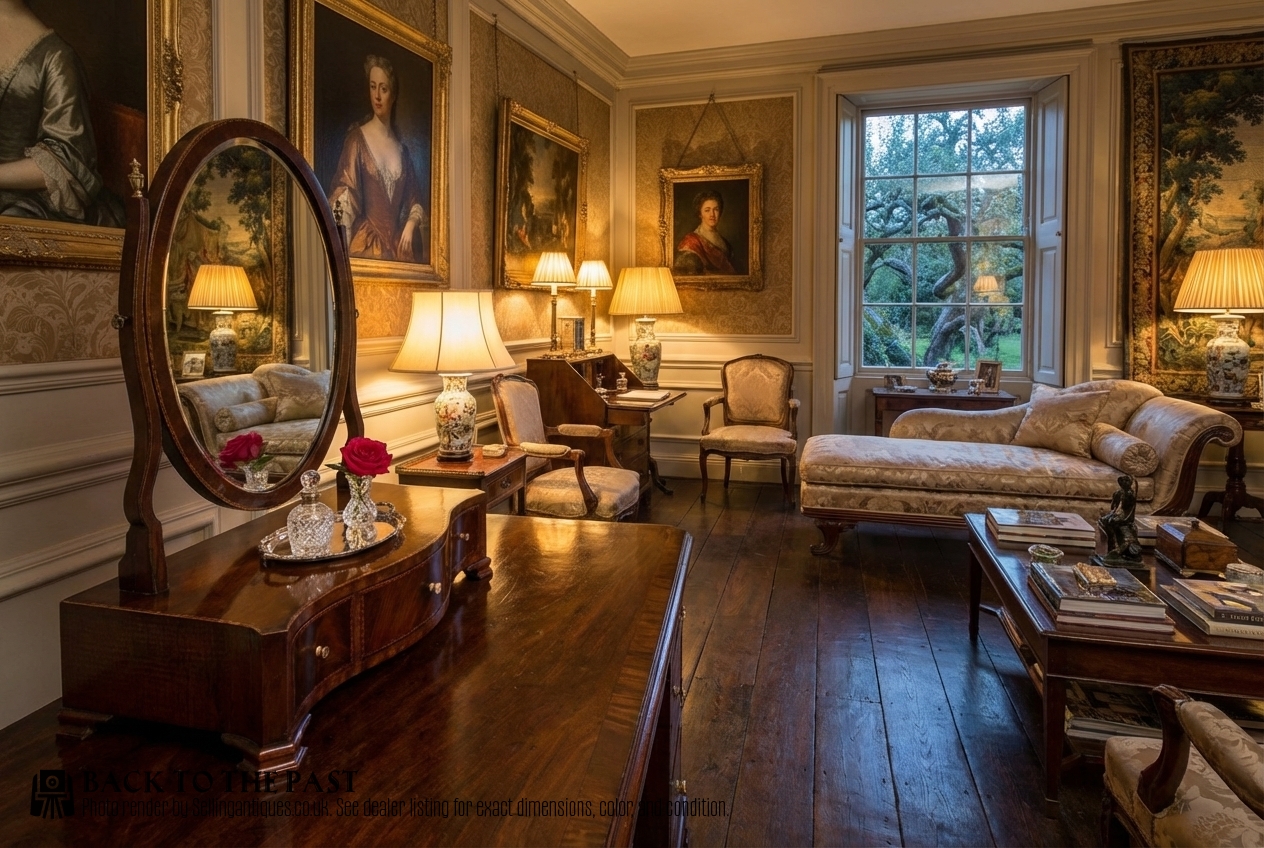
The distinction between standard and superior pieces rests on the choice of timber and the crispness of the cabinet work. Finely figured mahogany and balanced proportions elevate certain mirrors above simpler utilitarian items.
Originality of components plays a major role, particularly the retention of the original mirror glass, brass hardware, and secondary wood linings in the drawers. Subtle details like shaped serpentine fronts and neat crossbanding indicate careful workshop execution.
Some miniature drawers retain traces of historical powder and rouge left behind by eighteenth-century users.
The Georgian Mahogany Mirror Drawers Glossary
- Toilet mirror
- A small portable mirror designed to sit on a table or dressing chest, equipped with small drawers in the base.
- Shield mirror
- A dressing mirror featuring a glass plate shaped like a heraldic shield, popular during the eighteenth century.
- Serpentine
- A front profile curving outward in the centre and inward at the sides, frequently seen on the drawer bases of better mirrors.
- Crossbanding
- A border of veneer laid around the edge of a panel with the grain running perpendicular to the centre, enhancing visual contrast.
- Swing mirror
- A mirror plate mounted on pivots between two upright arms, allowing the user to adjust the angle of reflection.
Georgian Mahogany Mirror Drawers: Frequently Asked Questions
Where were these mirrors placed?
These pieces sat upon dressing chests, side tables, or dedicated lowboys in bedrooms and dressing rooms.
They provided a stable surface and reflection for personal grooming before the era of fitted wall mirrors and freestanding dressing tables.
How do I identify a Georgian mirror?
Look for construction traits such as hand-cut dovetails in the small drawers and traditional timber choices like solid mahogany.
Period pieces often display subtle signs of age in the mirror plate and timber oxidation rather than modern machine finishing.
What went into the drawer base?
The small drawers held personal items such as rings, pins, cosmetics, and small grooming accessories.
Their shallow depth kept everyday items organised and close to hand on the dressing surface.