
Antique Wooden Dressing Mirror
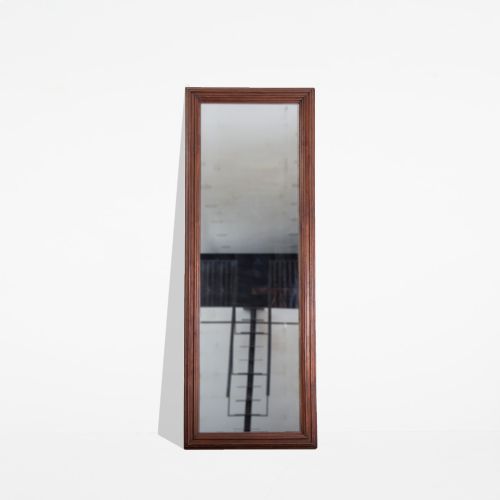
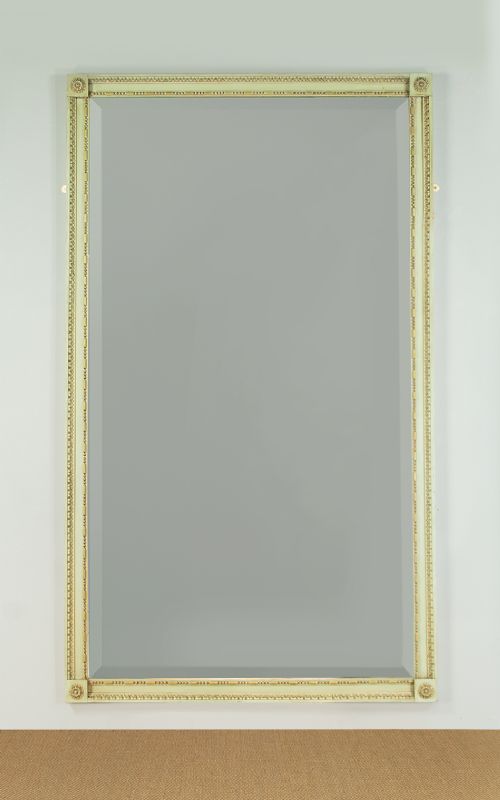
An antique wooden dressing mirror sits upon a chest or stands tall on the floor, offering a clear reflection framed in period timber.
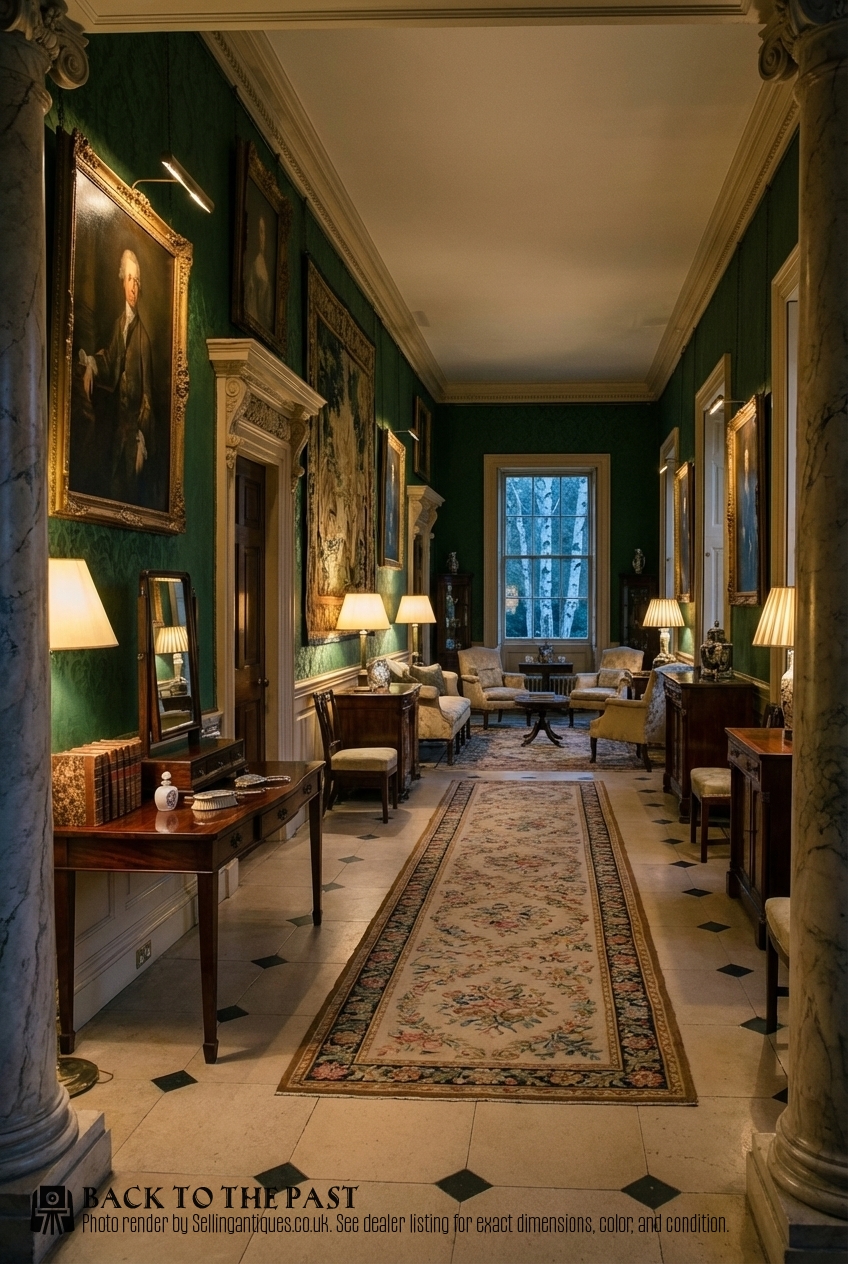
Antique Wooden Dressing Mirror
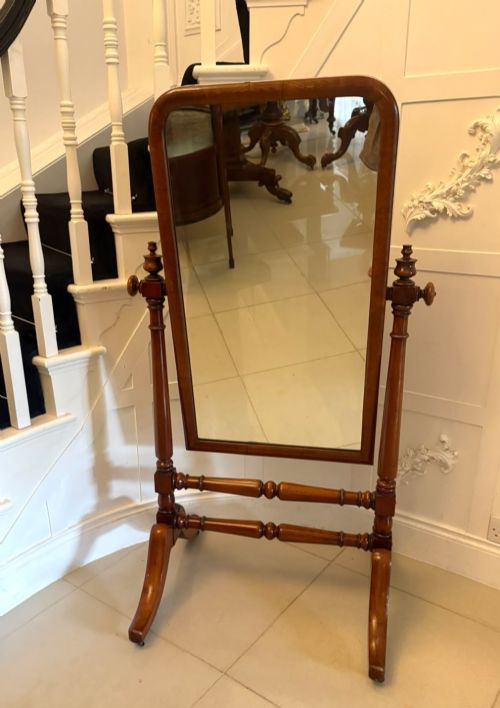
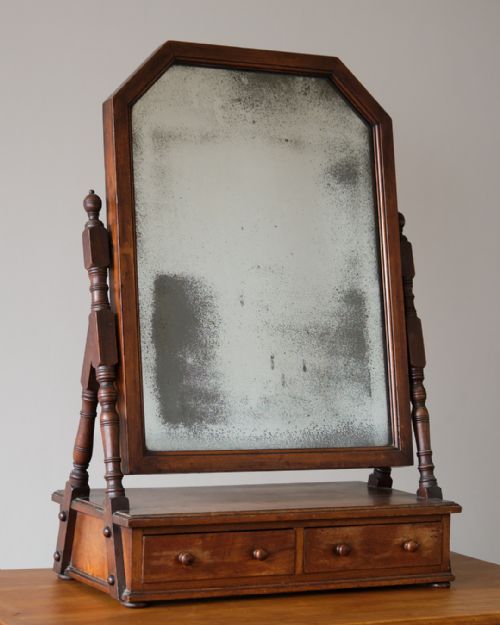
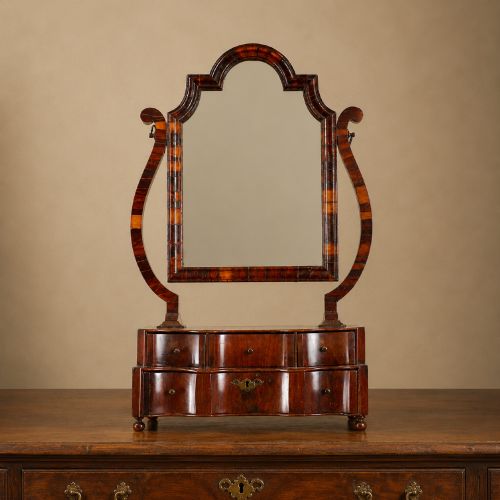
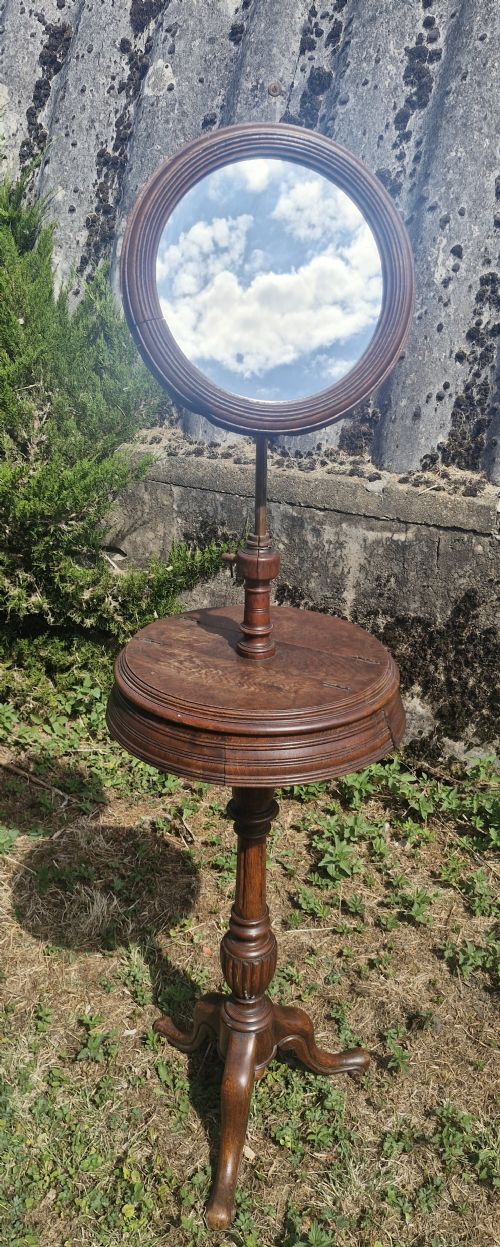
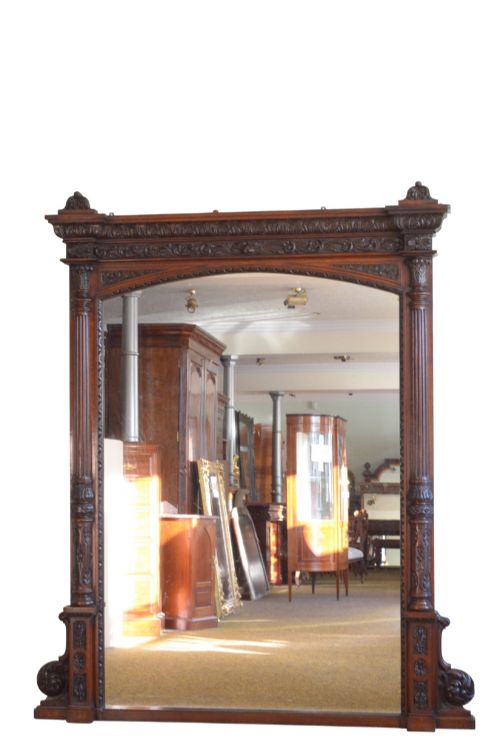
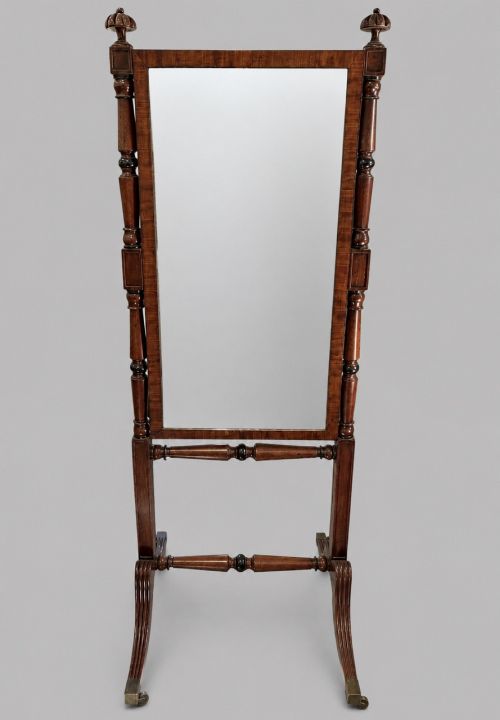
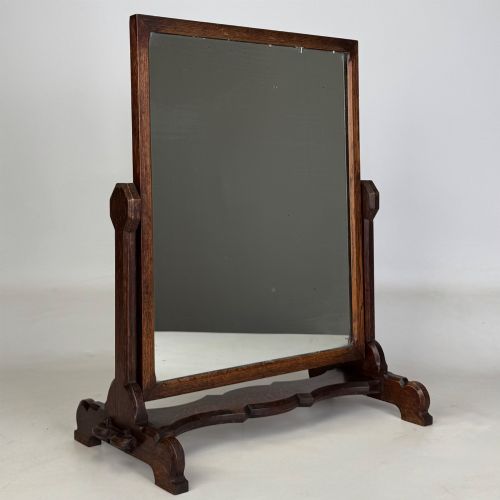
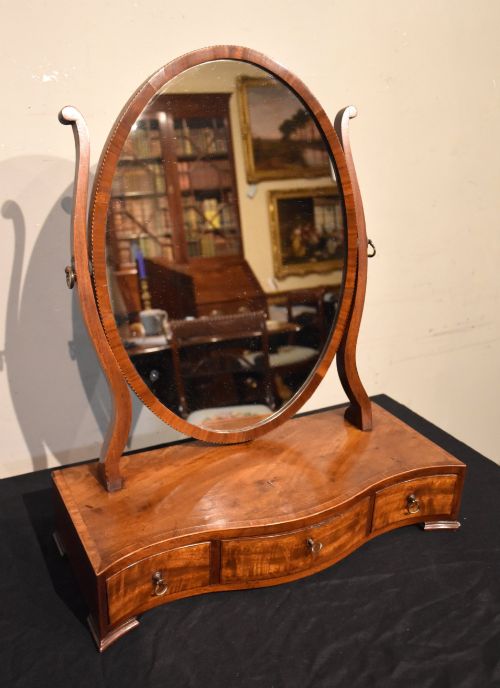
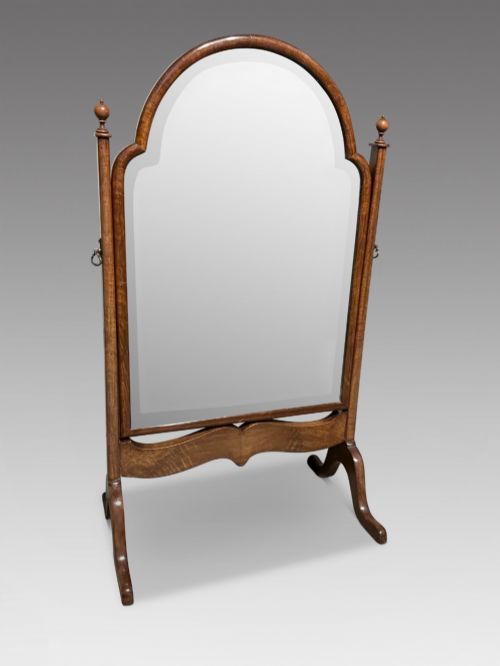
An antique wooden dressing mirror is a functional piece designed for personal grooming, appearing in formats ranging from small table-top toilet glasses to large floor-standing cheval mirrors.
The pieces encountered on this page span several eras, with nineteenth-century Victorian and Georgian examples appearing frequently alongside Edwardian and earlier eighteenth-century designs.
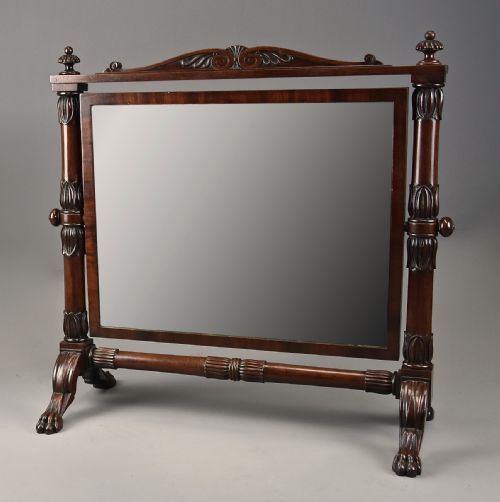
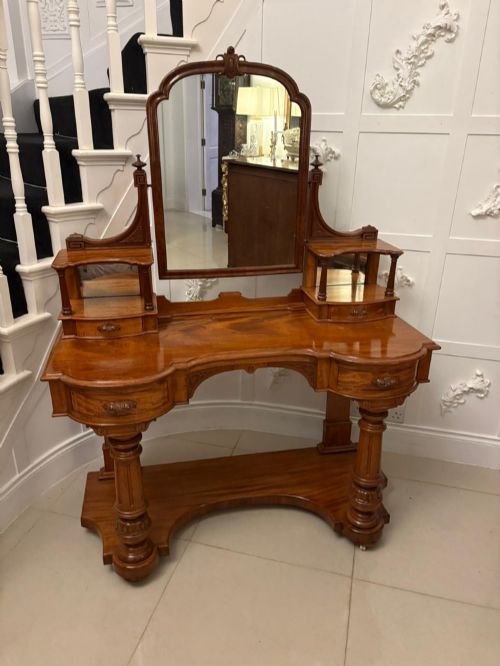
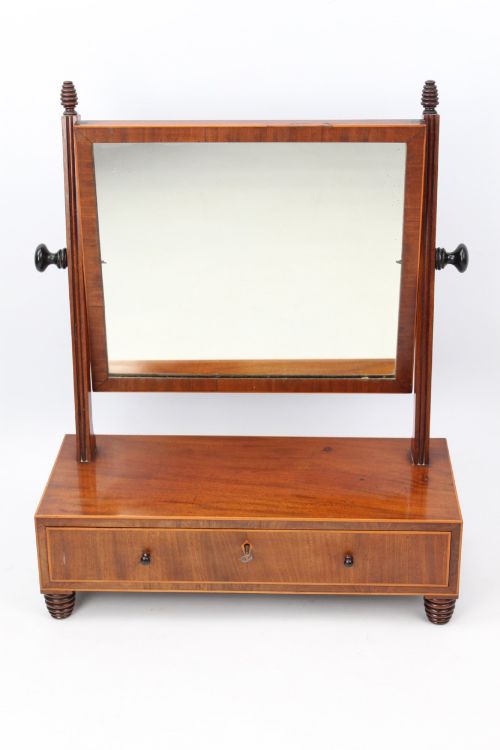
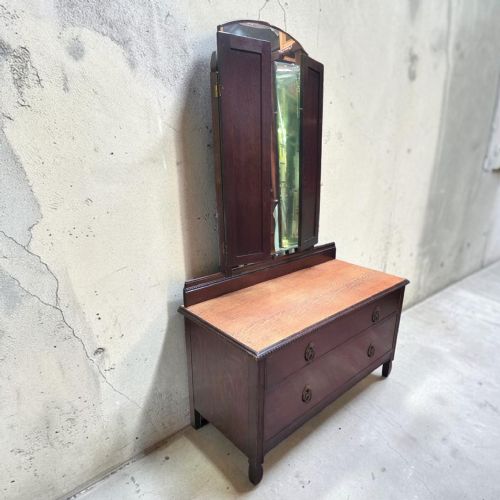
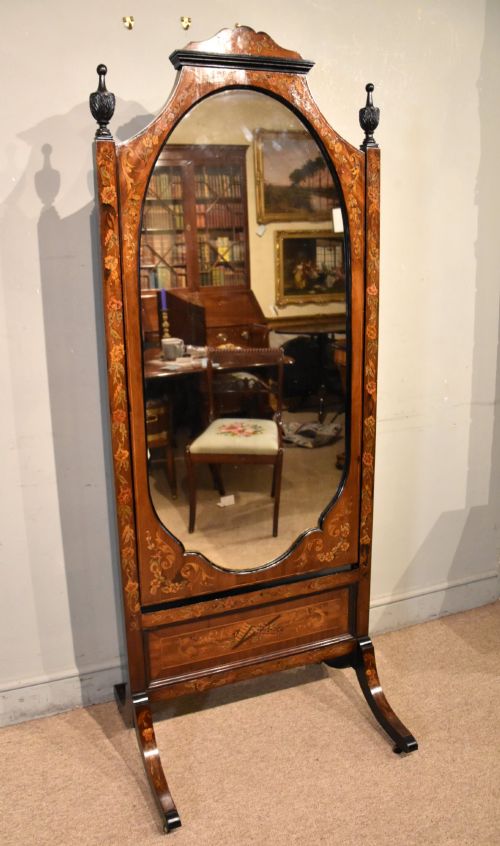
Formations include simple swivel toilet mirrors on box bases, tall cheval mirrors supported by side pivots, and dressing chests fitted with integrated mirror plates.
How they were made
Cabinetmakers constructed these frames using dense hardwoods like mahogany, walnut, and oak, often selecting figured veneers such as burr walnut or Cuban mahogany for decorative effect.
Glass plates were silvered and held within wooden rabbets, sometimes secured with backboards, while brass pivots, candle sconces, and adjustable brackets provided mechanical movement.
Carved details, gesso, inlay, and barley twist supports were utilised by makers to embellish the wooden frames according to the prevailing style of the period.
Some Regency hand mirrors offered double-sided reflection for checking hats from every possible angle.
What varies in quality
The standard of timber selection and the precision of the cabinetwork largely determine the distinction between ordinary and superior examples.
Original mirror glass with correct bevelling and foxing indicates untouched authenticity, whereas replacement glass alters the historical integrity of the object.
The refinement of the turning on supports, the crispness of hand-carved ornamentation, and the survival of original brass hardware separate basic utility items from high-status pieces.
Heal & Sons·P & MA Nicholson
The Antique Wooden Dressing Mirror Glossary
- Cheval mirror
- A full-length dressing mirror suspended on a vertical frame with side pivots allowing the glass to tilt. This freestanding form became popular in the Regency and Victorian periods.
- Toilet mirror
- A smaller dressing mirror designed to sit upon a table, desk, or dressing chest. These often incorporate small drawers in the base box.
- Gesso
- A plaster-based material applied to wood surfaces and moulded or carved before gilding or silvering. It appears on decorative nineteenth-century frames.
- Barley twist
- A spiral turning technique used on wooden table supports and uprights. This decorative turning is frequently seen on Victorian examples.
- Serpentine front
- A furniture front characterised by a concave central section flanked by two convex curves. It is encountered on finer Georgian dressing mirror bases.
Antique Wooden Dressing Mirror: Frequently Asked Questions
How do I clean the wood and glass?
Dust the wooden frame gently with a dry, soft cloth and avoid modern silicone polishes that build up over time. Use a mild glass cleaner applied to a cloth rather than directly on the mirror plate to protect the old silvering.
Ensure moisture does not seep behind the mirror plate edges where the backing meets the wooden frame. Regular gentle care preserves both the timber patina and the vulnerable silvered glass.
Can I adjust a loose swivel mirror?
Most pivoting dressing mirrors use brass screw caps, nuts, or tension pins inserted into the side upright supports. Tightening these carefully restores the friction needed to hold the mirror angle in place.
If the original hardware is missing or worn, consult a restorer rather than forcing modern screws into old wood holes. Preserving original brass components maintains the structural integrity of the piece.
Where should I place a cheval mirror?
Freestanding cheval mirrors require a stable floor space away from direct sunlight and damp exterior walls. Positioning them perpendicular to a window captures natural light while protecting the timber from fading.
Ensure the floor surface is level so the heavy wooden frame does not strain the side pivots unevenly. Adequate clearance allows the mirror to tilt fully without striking nearby furniture.
How do I date a dressing mirror?
Examine the construction methods of the wooden base, the thickness of the backboards, and the type of screw heads used. Hand-cut dovetails and secondary woods often point towards Georgian or earlier origins.
Compare the overall style, such as Regency scroll supports or Victorian barley twists, with documented period designs. Labels or stamps left by makers like Heal & Sons provide definitive chronological markers.