
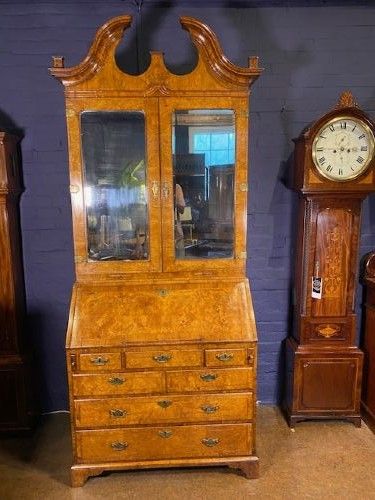
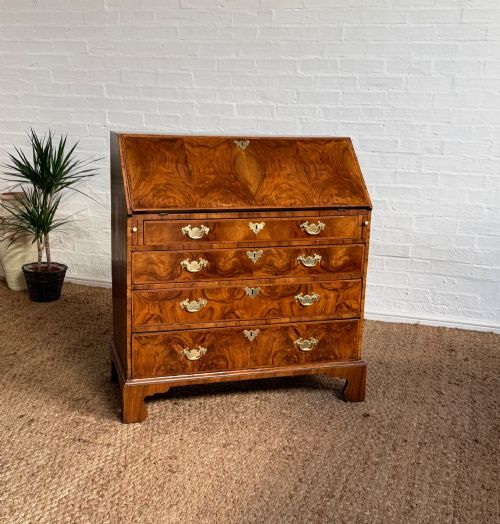
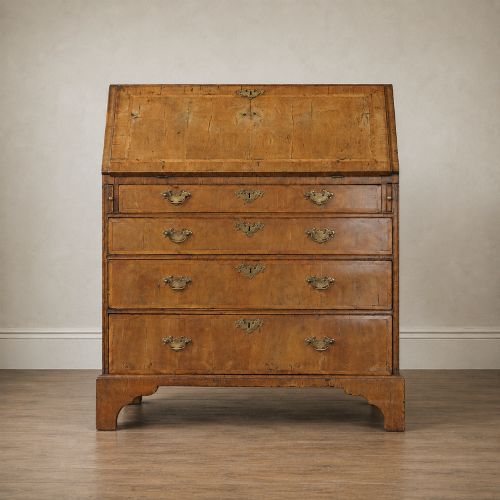
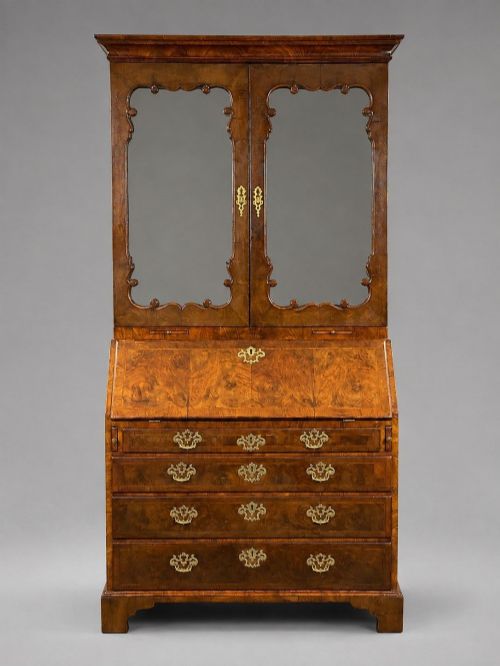
Georgian Walnut Bureau Cabinet
A georgian walnut bureau cabinet combines a fall-front writing space with a glazed upper bookcase, offering warmth and storage in one striking form.
Georgian Walnut Bureau Cabinet
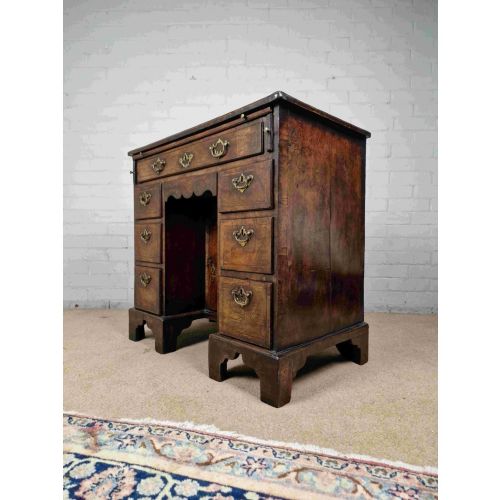
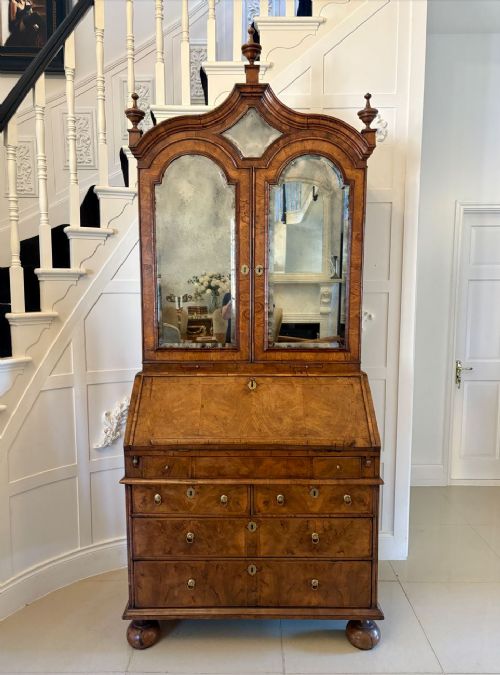
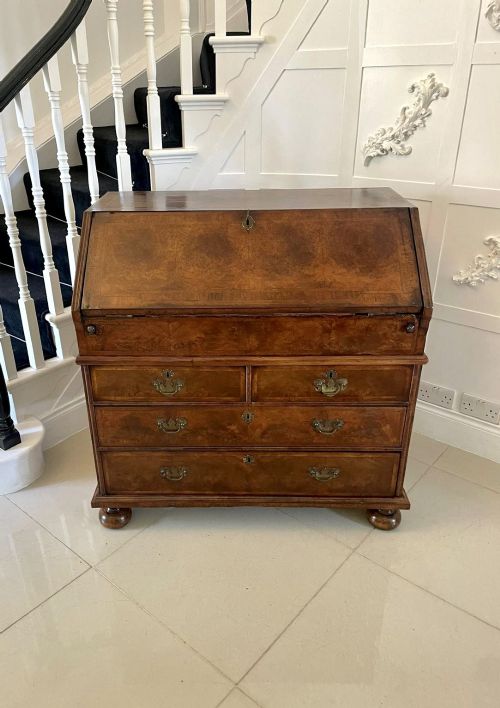
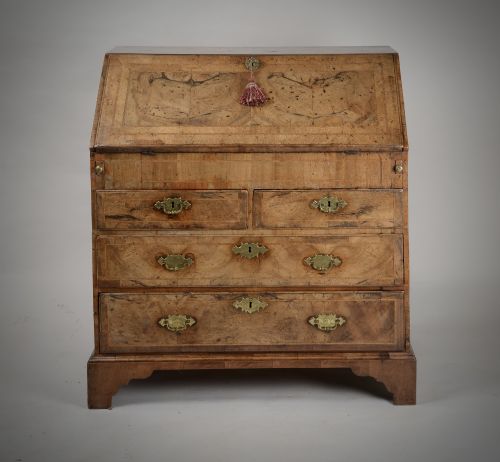
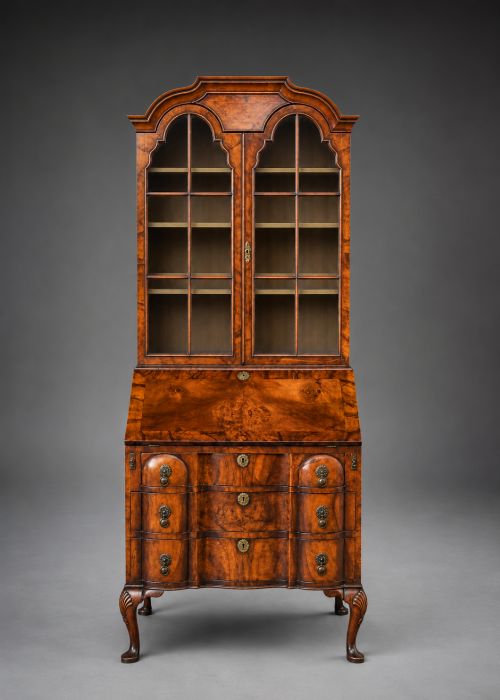
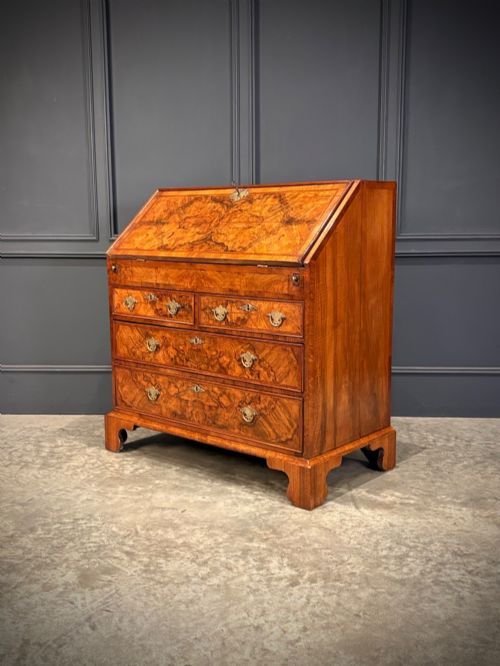
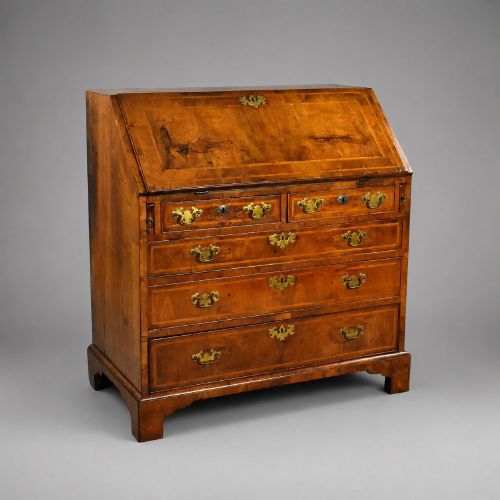
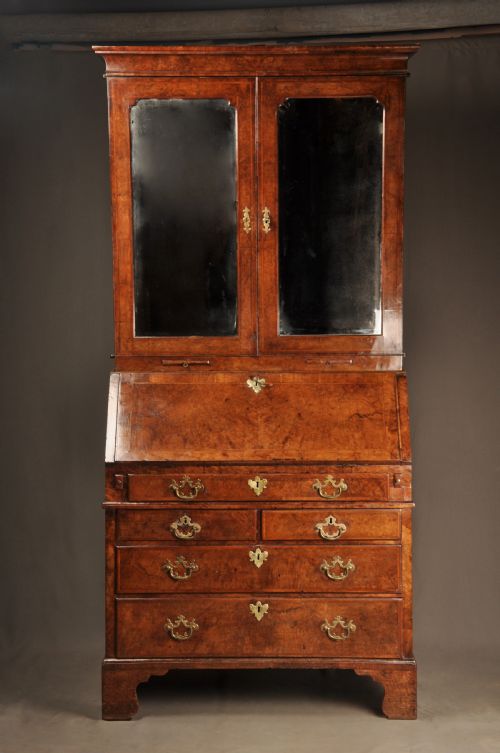
A georgian walnut bureau cabinet is a substantial writing and storage furniture piece typically featuring a sloping fall-front desk over drawers, often surmounted by a glazed upper bookcase cabinet section. These pieces appear frequently in styles from the Queen Anne, George I, and George II periods, dating predominantly from the eighteenth century.
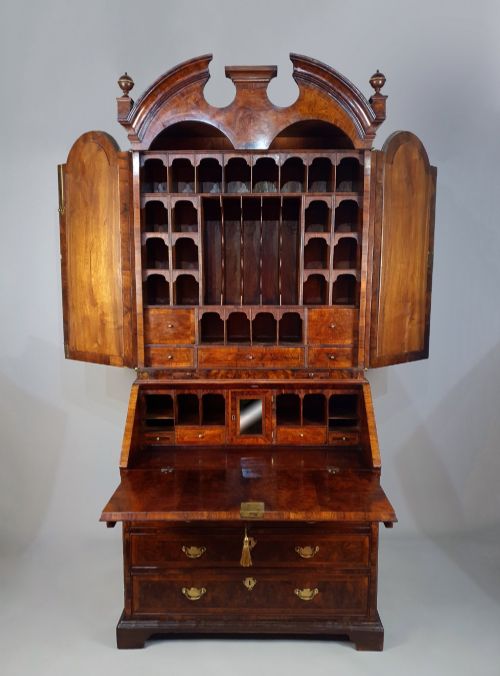
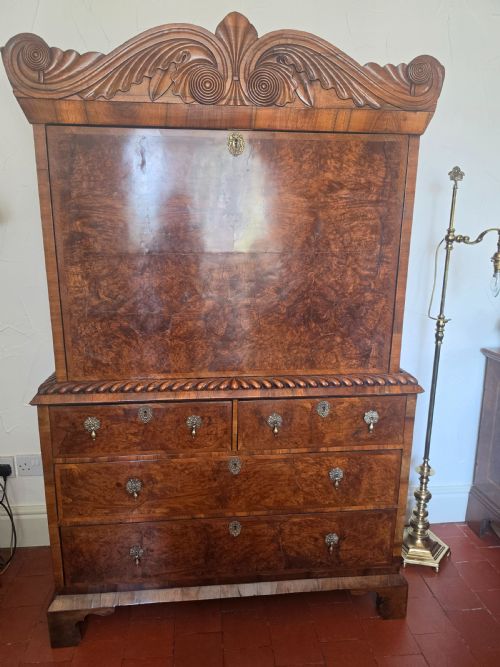
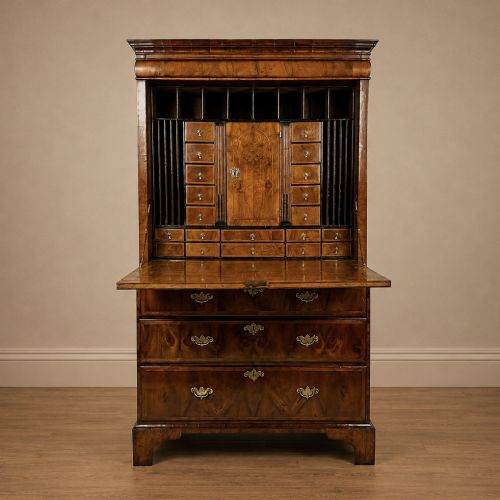
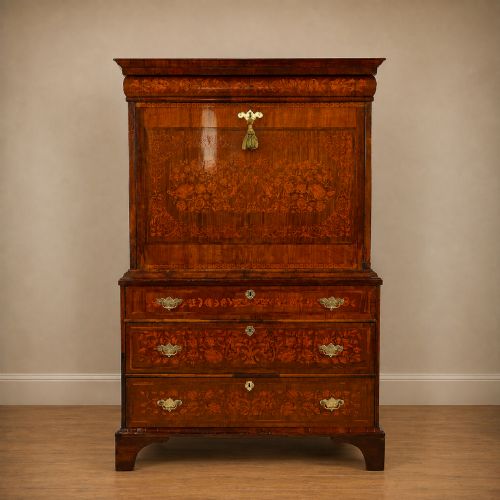
The layout commonly includes a fitted interior with small drawers and pigeonholes behind the fall-front, sometimes accompanied by candle slides beneath the upper doors. Buyers encounter both two-part and three-section configurations, alongside related forms such as escritoires, kneehole desks, and secretaire chests on chest.
How they were made
Cabinetmakers utilised solid walnut and burr walnut veneer applied to secondary woods like oak, enriching the exterior figures with decorative techniques such as featherbanding and herringbone inlay. Marquetry featuring floral motifs and Dutch Baroque influences also appears across select pieces.
Glazed panels set into upper cabinet doors, leather writing surfaces, and brass hardware complete the construction of these cabinets. Joinery relies on traditional methods appropriate to the seventeenth, eighteenth, and early twentieth centuries.
Some early walnut bureaus hide tiny secret compartments behind dummy drawer fronts, built for concealing private letters and hidden treasures.
What varies in quality
Quality rests upon the selection and matching of the walnut veneers, where intricate burr figuring and crisp featherbanding elevate the visual impact of the piece. The depth and execution of marquetry inlay, along with the retention of original patination, further distinguish finer examples.
Proportion and structural integrity define the higher tiers of the range, particularly in the balance between the lower bureau and the upper glazed cabinet. The complexity of the internal fittings and the retention of original mirror glass or brass hardware also influence distinction.
The Georgian Walnut Bureau Cabinet Glossary
- Bureau cabinet
- A combined writing desk with a sloping fall front and an upper shelved bookcase section enclosed by doors. This dual-purpose form provides both workspace and display storage.
- Burr walnut
- Wood taken from a walnut tree outgrowth, producing intricate, swirling grain patterns highly prized for veneer work. It creates a decorative surface texture across the fall front and drawer panels.
- Featherbanding
- A type of inlay using small pieces of veneer arranged in a herringbone or V-shape pattern to frame drawer edges and panels. This technique adds subtle linear contrast to walnut furniture.
- Escritoire
- A tall writing cabinet featuring a drop-front writing flap that conceals an arrangement of small drawers and pigeonholes. It serves as a precursor to the standard bureau.
- Marquetry
- The art of applying pieces of veneer to a structure to form decorative patterns or pictorial designs. Floral and scrollwork motifs frequently decorate Dutch-influenced examples.
Georgian Walnut Bureau Cabinet: Frequently Asked Questions
How do I identify a George I bureau cabinet?
George I bureau cabinets date from the early eighteenth century and frequently display highly figured burr walnut veneers paired with featherbanded borders. They often incorporate upper glazed bookcase sections and fitted internal compartments with secret drawers.
Stylistic markers include subdued ornamentation that relies on the natural grain of the walnut rather than heavy carving, reflecting the transition from William and Mary designs toward Georgian restraint.
Where were walnut bureau cabinets placed in a home?
These cabinets served as functional writing desks and secure storage spaces for correspondence, documents, and valuables in primary rooms of a residence. The upper glazed section allowed owners to display valued books or porcelain collections.
They functioned primarily in studies, parlours, or private dressing rooms where literacy and estate management took place.
How do I care for a walnut veneer surface?
Walnut veneer requires stable indoor humidity and protection from direct sunlight to prevent the wood from drying out or the veneer from lifting. Gentle dusting with a dry cloth preserves the finish without stripping the historical patination.
Harsh chemical cleaners should be avoided in favour of traditional waxes applied sparingly to maintain the natural sheen of the timber.