



Georgian Tall Stand
A georgian tall stand brings vertical presence to a room, rising in mahogany, oak, or walnut to support a light, clock, or plant.
Georgian Tall Stand
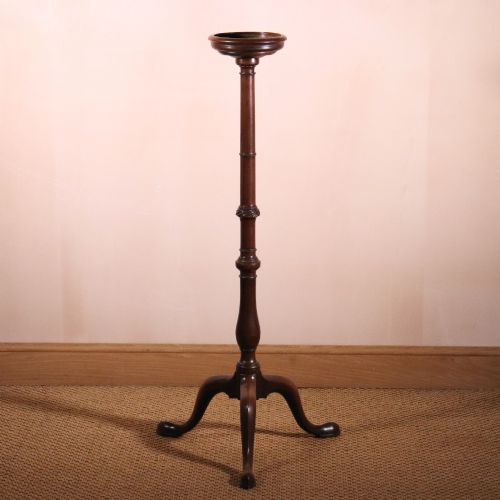
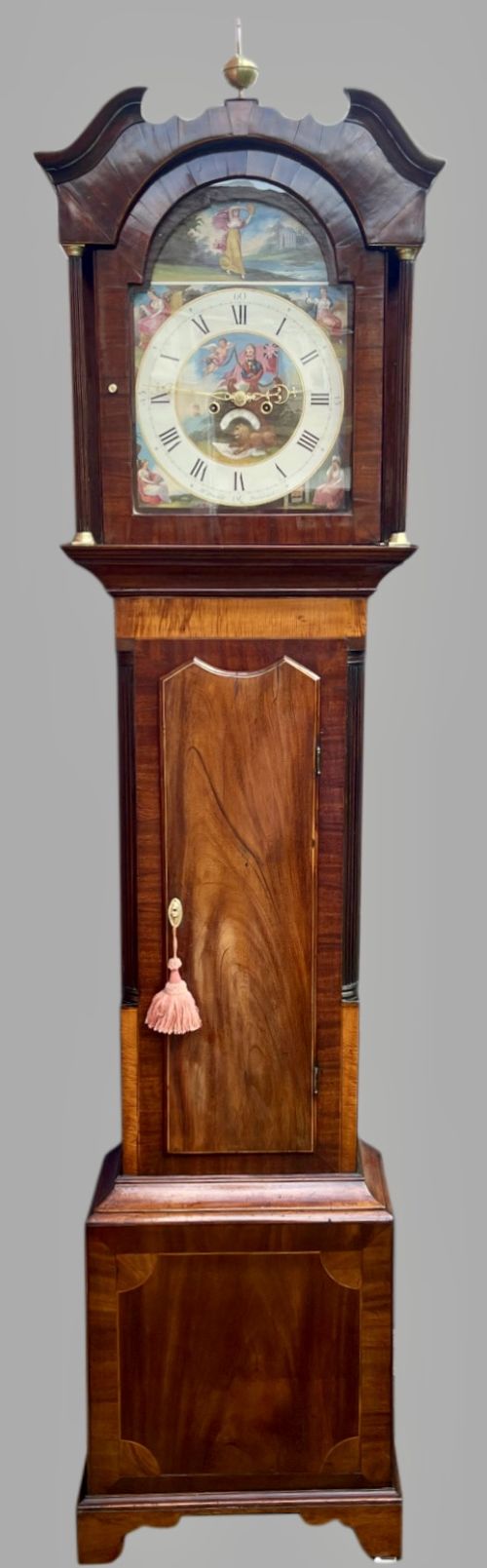
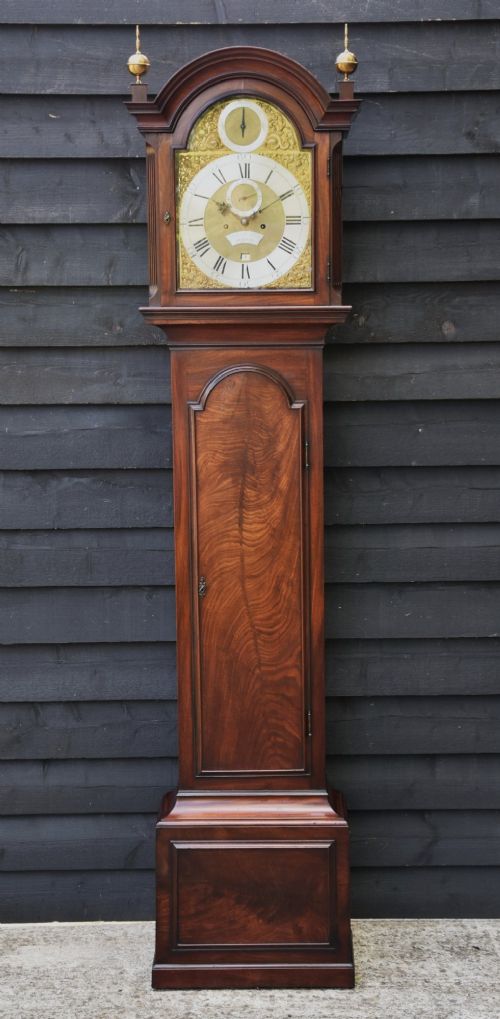
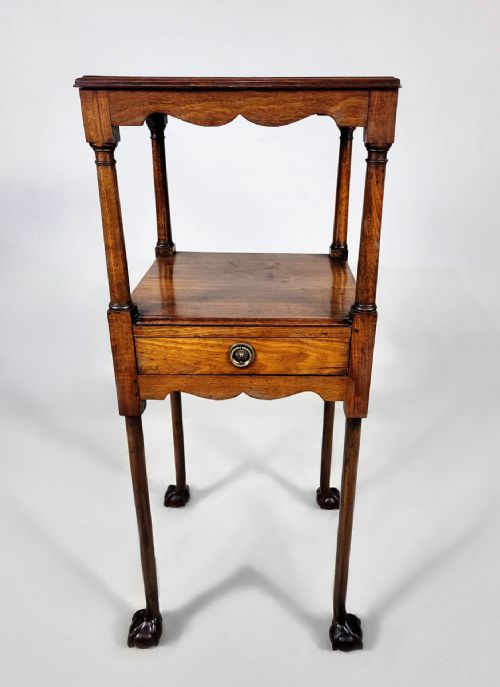
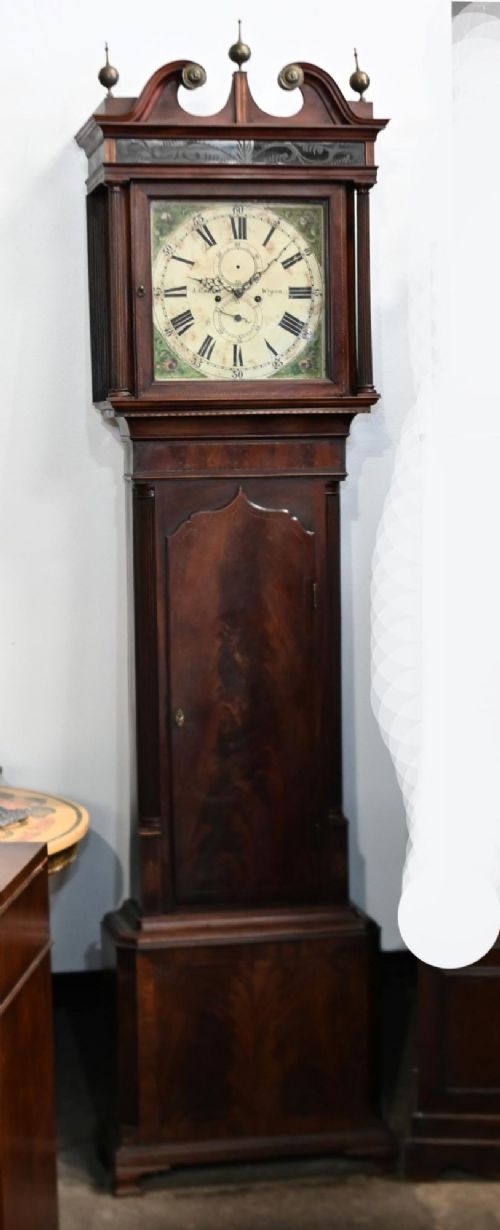
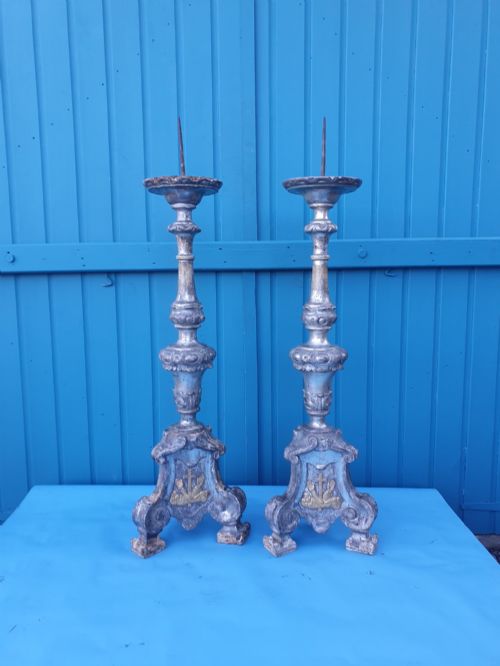
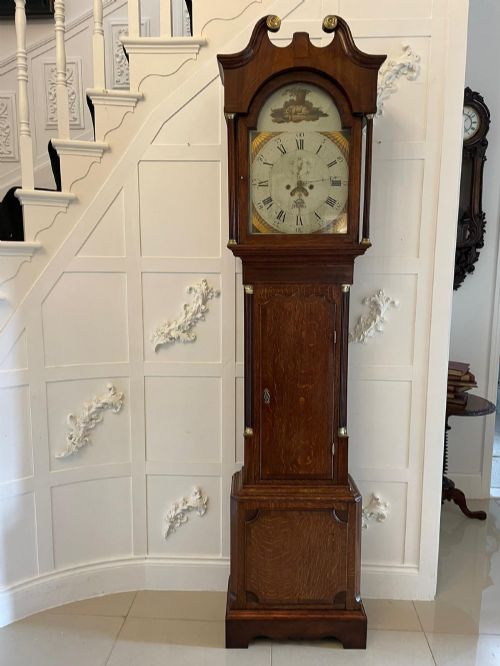
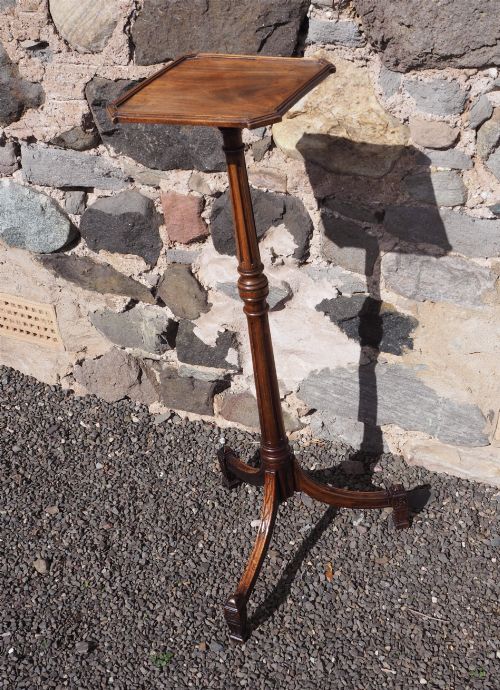
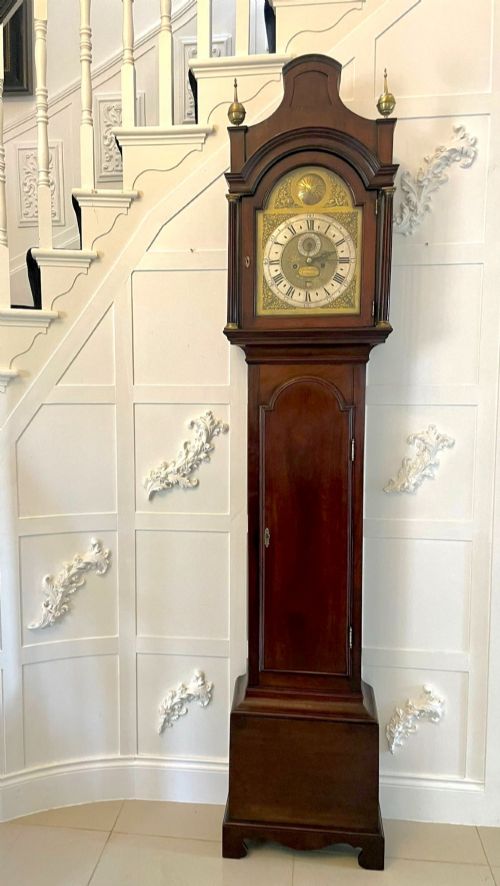
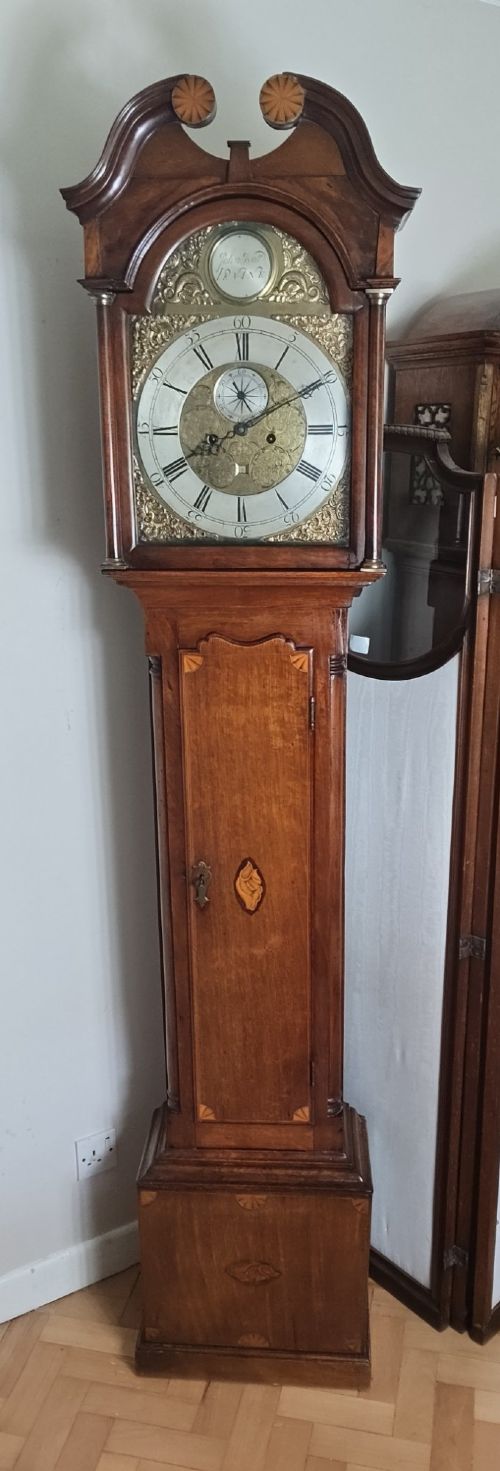
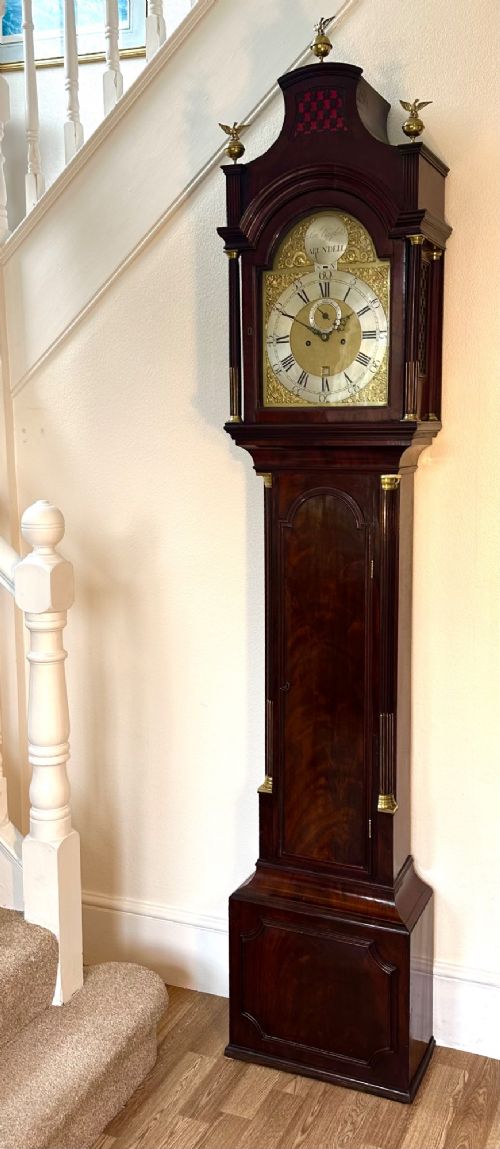
A georgian tall stand encompasses several distinct forms designed to elevate items off the ground, most notably longcase clocks, torcheres, and tall plant stands. Buyers looking for these pieces encounter tall wooden furniture built during the eighteenth and nineteenth centuries, alongside later revivals.
Materials and Construction
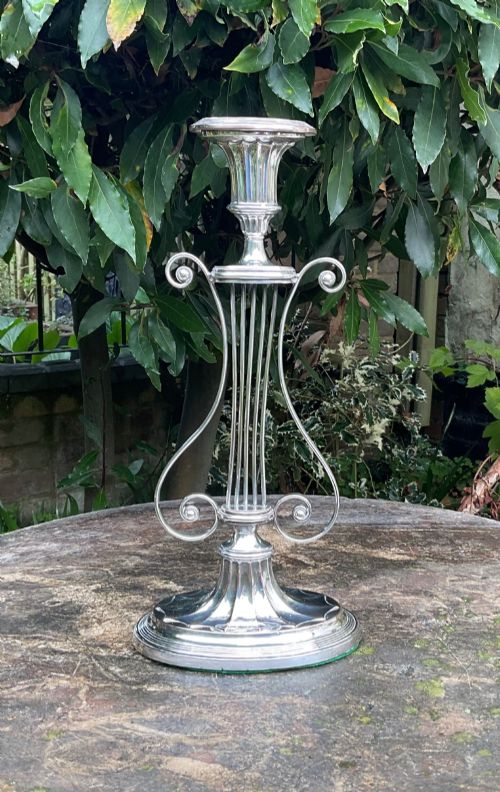
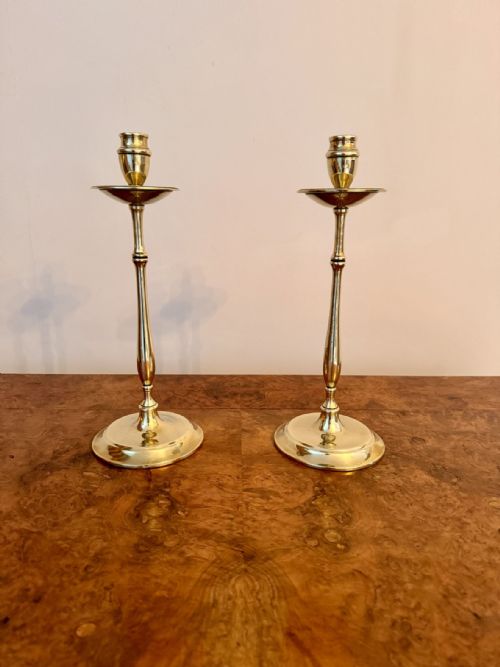
Cabinet makers relied primarily on dense timbers such as mahogany, oak, and walnut, frequently selecting Cuban mahogany for its rich grain and weight. Candlesticks and floor lamps introduced brass and silver plating into the repertoire of tall vertical furnishings.
Joinery techniques matched the demands of height, utilising sturdy corner posts, pegged joints, and stable tripod bases for torcheres and candlesticks. Clocks integrated complex mechanical movements behind brass dials, housed within tall wooden cases.
Georgian Tall Stand Retail Price Guide 2026
Typical asking prices for georgian tall stand among the pieces listed under this phrase on Sellingantiques today, from the lower quarter to the upper quarter. They describe what is for sale here now, not the wider market.
The inventory spans the Georgian, Victorian, and Edwardian eras, alongside several revival periods.
Distinguishing Quality
The finest examples display crisp carving on knees and capitals, balanced proportions, and timber with strong, undisturbed figuring. Maker attribution on clock dials and the integration of original movements elevate a piece above standard workshop production.
Secondary elements, such as the retention of original brass hardware, clean dial engraving, and stable construction without excessive timber replacement, mark the distinction between ordinary utility items and superior survivals.
Coats of Wigan·Walker of Nantwich·Edward White Birmingham·Charles Shuckburgh London·James McCabe
The Georgian Tall Stand Glossary
- Torchere
- A tall wooden stand designed to hold a light or a decorative object. These slender supports often feature tripod bases and carved details.
- Longcase clock
- A tall pendulum clock enclosed in a wooden case, commonly known as a grandfather clock. They frequently house eight-day brass movements.
- Tripod base
- A three-legged support structure utilised on torcheres and candlesticks to provide stability at height. This configuration allows for slender upright shafts.
- Chest on stand
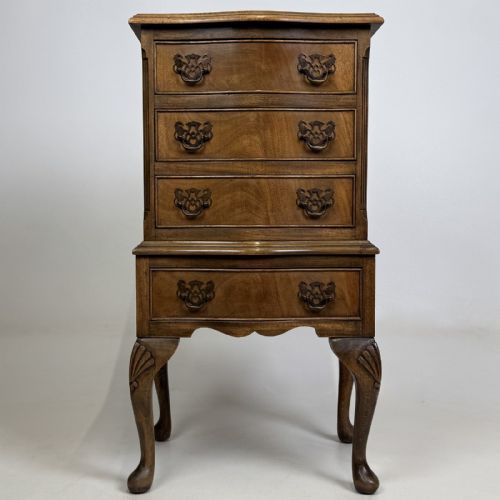
- A cabinet form featuring an upper chest placed upon a separate supporting table frame with legs. These pieces utilise walnut or oak timbers.
- Moon phase movement
- A clock dial mechanism that tracks the lunar cycle alongside standard time. It operates via a rotating disc visible through an arched aperture.
Georgian Tall Stand: Frequently Asked Questions
What rooms suit a tall stand?
Tall stands function well in entrance halls, stairwells, and corners where vertical lines draw the eye upward without occupying much floor space.
They provide practical surfaces for lighting or display in spaces with high ceilings.
How do I identify periods?
Period identification relies on timber selection, carving styles, and movement mechanics. Earlier pieces often display oak or walnut with simpler lines, while later Georgian and Regency items favour mahogany.
Cabinet construction methods and dial signatures offer further chronological clues.
Were these stands used for lighting?
Many tall stands and torcheres were originally built to hold heavy candlesticks or oil lamps before the arrival of electricity. Their height ensured light spread effectively across a room.
Floor lamps and adjustable stands served similar illumination purposes in period interiors.
How are longcase clocks powered?
Longcase clocks typically rely on brass movements driven by hanging weights suspended on cords or chains inside the trunk. An internal pendulum regulates the timekeeping.
Many examples require manual winding via a key every week.