


Turned Wooden Pedestals
Turned wooden pedestals are structural supports and elevated display surfaces carved on a lathe, bringing height and proportion to interior spaces.
Turned Wooden Pedestals
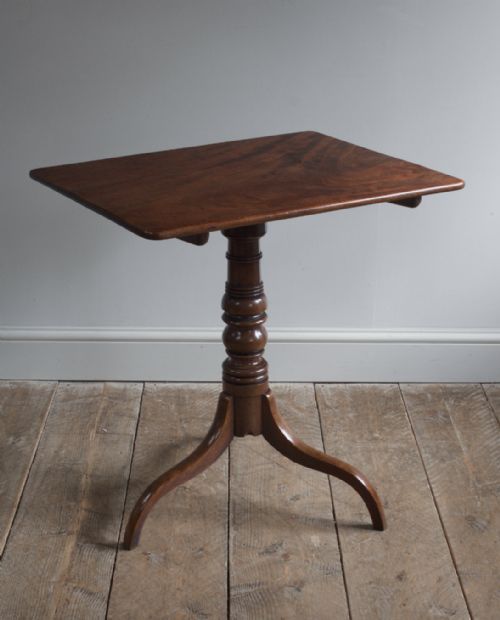
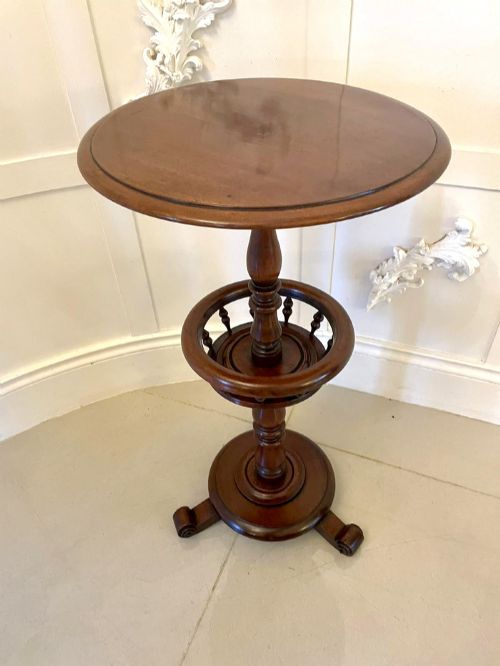
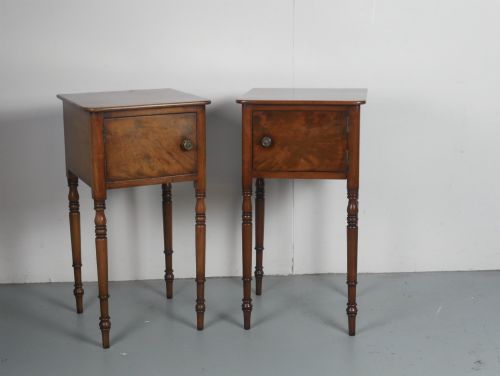
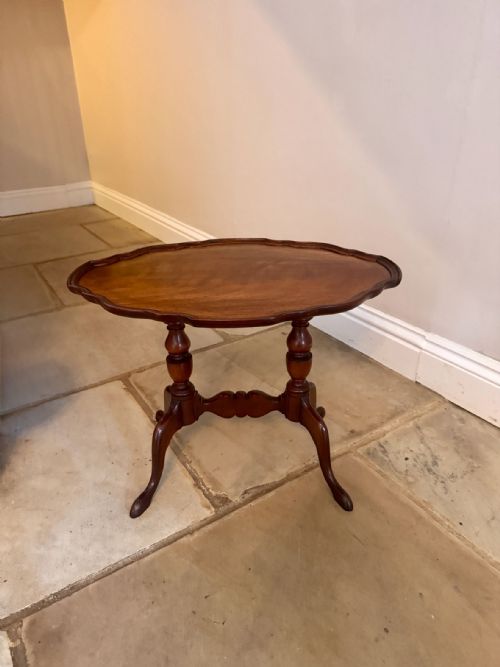
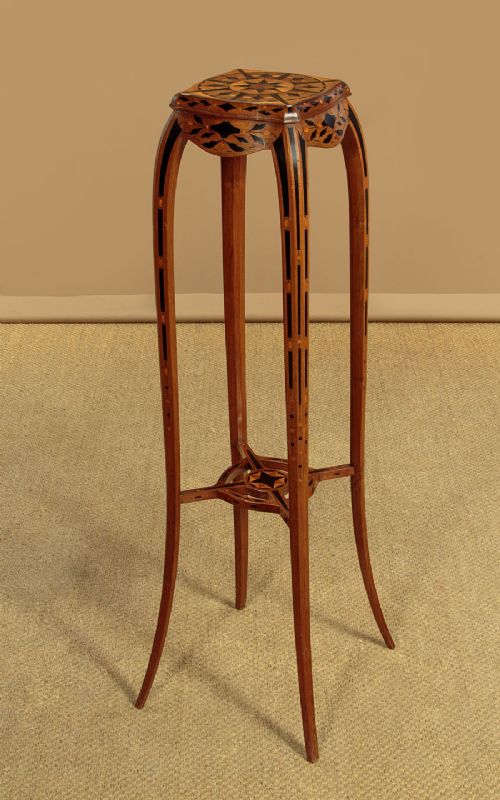
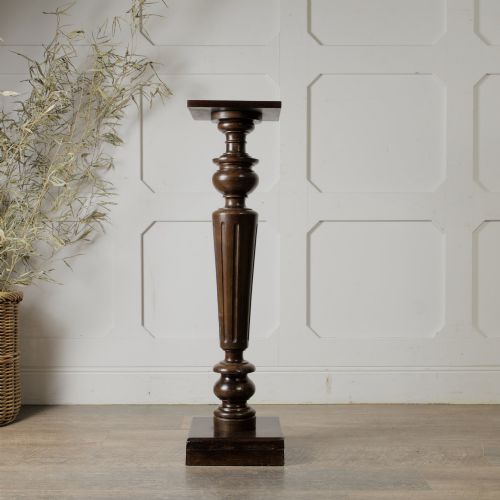
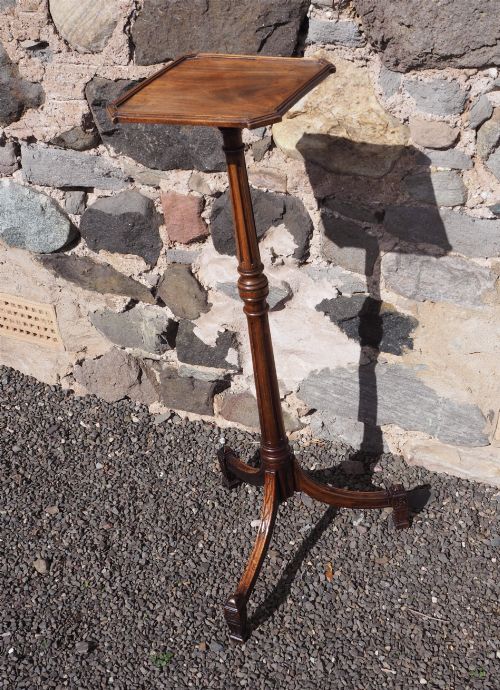
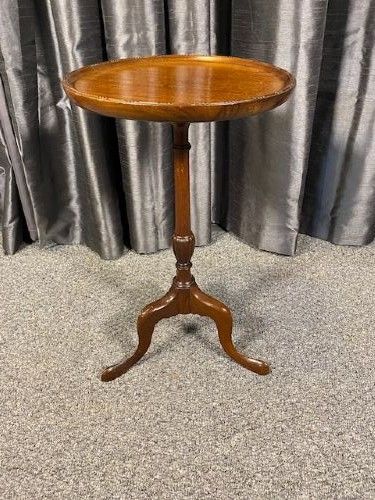
Turned wooden pedestals encompass a variety of elevated supports, torcheres, plant stands, and occasional tables found across this page. The listings span Georgian, Victorian, Regency, and Edwardian periods, demonstrating how turned supports evolved from structural architectural elements into domestic display pieces.
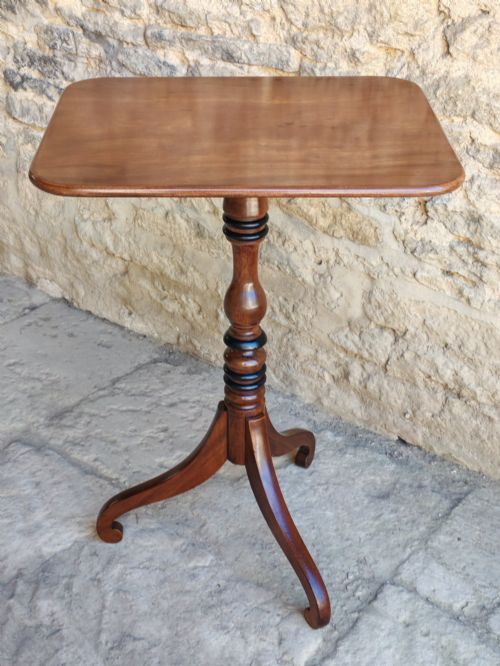
The versions met most frequently on this page include tripod wine tables, torchere stands, and lamp tables featuring distinctive turned shafts. These objects serve practical domestic roles while adding vertical dimension and classical proportion to a room.
How They Were Made
Cabinet makers utilised dense hardwoods such as mahogany, oak, walnut, yew wood, and ebony to ensure stability on slender vertical shafts. Wood was mounted on a lathe and shaped with chisels to produce bobbin turning, reeded columns, and smooth tapered pedestals.
Joinery techniques combined precision turning with sturdy tripod bases, pad feet, or heavy plinths to prevent tipping. Brass fittings and inlay work occasionally supplemented the timber construction on refined examples.
Turned Wooden Pedestals Retail Price Guide 2026
Typical asking prices for turned wooden pedestals among the pieces listed under this phrase on Sellingantiques today, from the lower quarter to the upper quarter. They describe what is for sale here now, not the wider market.
Listings feature mahogany, oak, walnut, yew wood, and ebony across Georgian, Victorian, Regency, and Edwardian periods.
What Varies in Quality
Quality rests in the precision and crispness of the lathe work on the central shaft and the stability of the footing. Finer pieces display balanced proportions between the turned column, the supporting legs, and the top surface.
The choice of timber heavily dictates distinction, moving from utilitarian pine or basic hardwoods up to richly figured mahogany, walnut, and yew wood with deep natural lustre. Superior execution shows in the seamless integration of turned components with carved feet or brass accents.
Gillows·Druce And Co London·Shoolbred
The Turned Wooden Pedestals Glossary
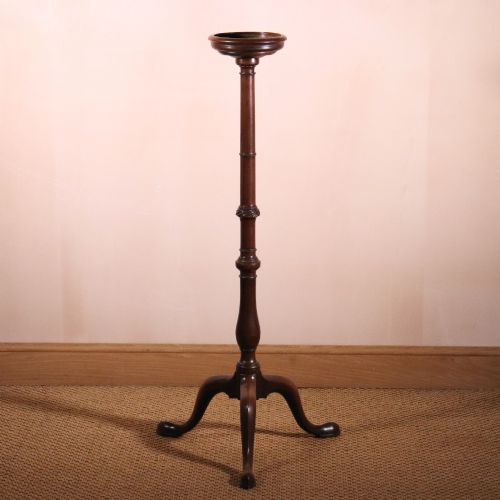
- Torchere
- A tall ornamental stand designed to hold a lamp or candle. These pieces utilise turned wooden pedestals to elevate lighting sources above floor level.
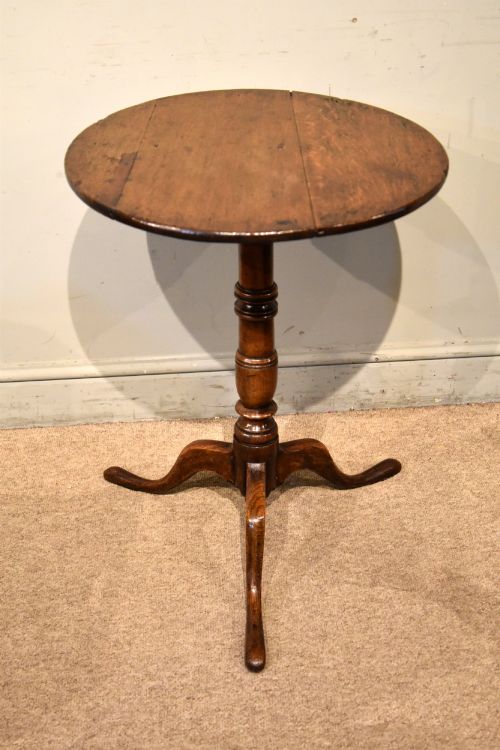
- Tripod Base
- A three-legged support system commonly found on wine tables and plant stands. This configuration ensures stability on uneven floors.
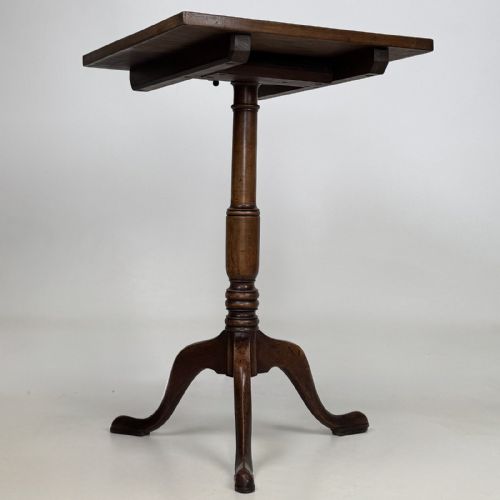
- Tilt Top
- A tabletop mechanism that allows the surface to pivot to a vertical position when not in use. This clever design saved domestic space in period interiors.
- Treen
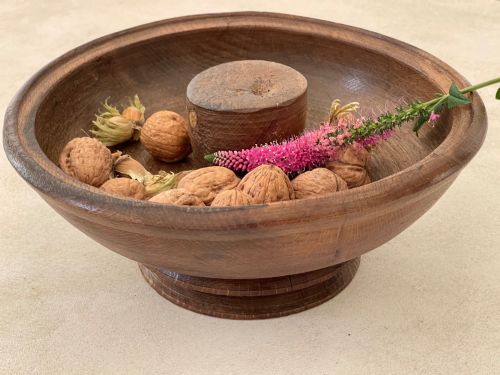
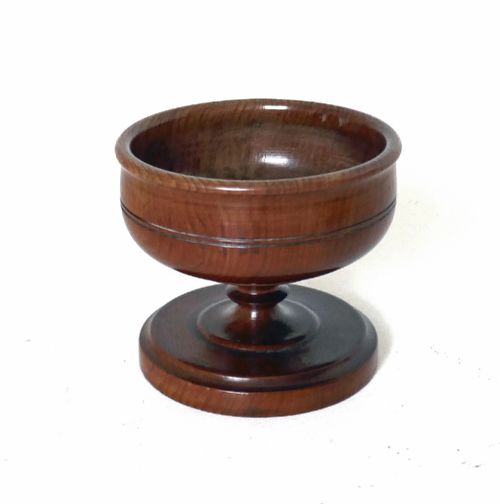
- Small handmade wooden objects produced before the widespread use of plastics. Examples include turned pedestals, goblets, and salt cellars.
- Bobbin Turned
- A style of woodturning where the shaft resembles a string of beads or bobbins. This decorative profile appears frequently on Victorian lamp bases and stands.
Turned Wooden Pedestals: Frequently Asked Questions
What were turned wooden pedestals used for originally?
These pieces served as functional surfaces for holding candles, lamps, tea items, and decorative plants. Their elevated designs brought light and greenery to specific corners of formal rooms.
Over time, they adapted into versatile lamp tables and display stands within domestic interiors, prized for occupying minimal floor space while adding vertical interest.
How do I date a turned wooden pedestal?
Dating relies on examining the timber species, turning profiles, and construction methods. Georgian examples often feature slender tripod bases with pad feet, while Victorian versions showcase heavier bobbin turning or elaborate mouldings.
Cross-referencing the style with known furniture makers and historical design periods provides a reliable estimate of the decade of manufacture.
How do I live with a turned wooden pedestal?
Place these stands in corners, beside seating, or in hallways where their vertical profile adds architectural interest without crowding the room. They provide an ideal surface for displaying sculptures, ceramics, or table lamps.
Maintain the timber by keeping pieces away from direct heat sources and applying natural wax to preserve the grain and finish.
How do I tell different wood types apart?
Mahogany displays a reddish-brown hue with a fine, straight grain that accepts deep polishing. Walnut offers richer, darker figure patterns with occasional contrasting swirls.
Oak and yew wood present more pronounced grain textures, with yew providing distinctive knots and golden tones suited to smaller occasional tables.