

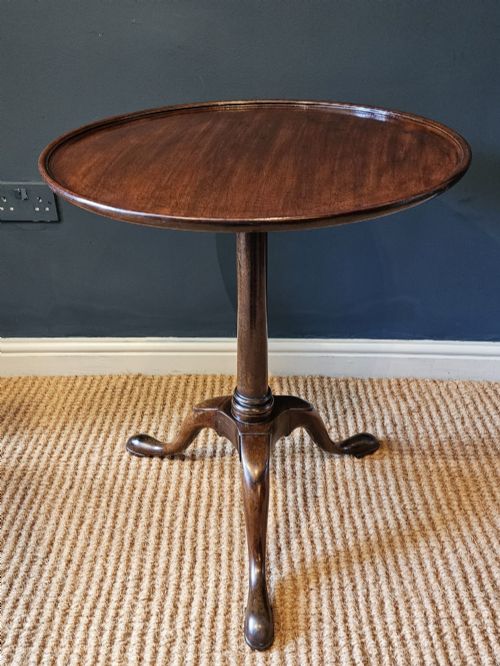


George II Candle Stand
A george ii candle stand brings functional mid-eighteenth-century design into a room, offering sturdy tripod bases and compact tops for lighting or display.
George II Candle Stand
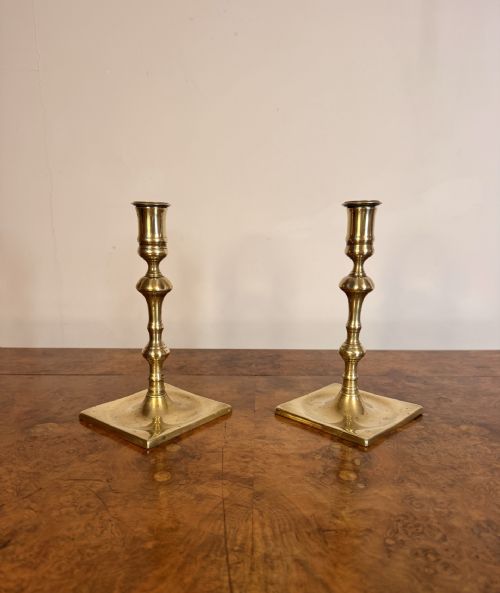
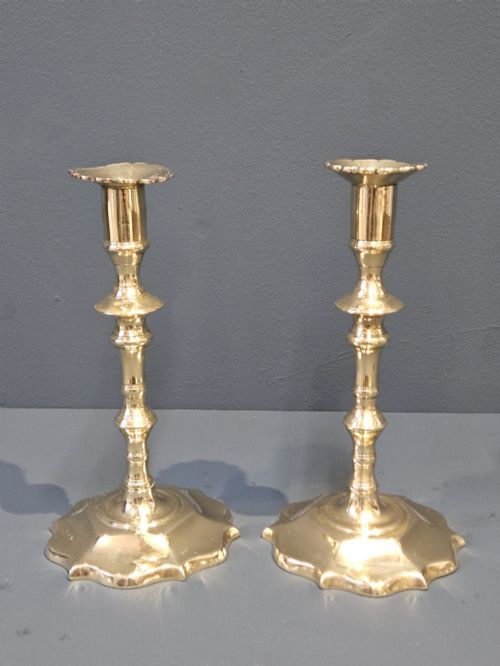
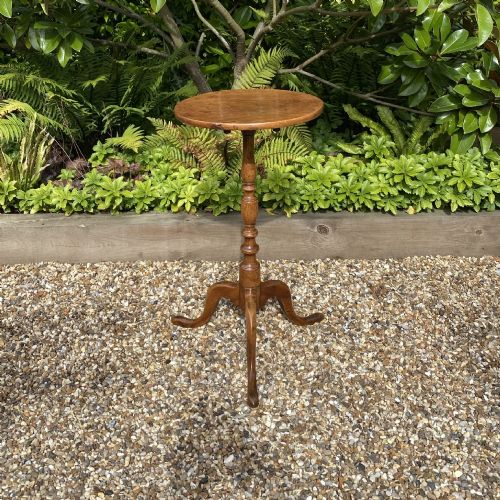
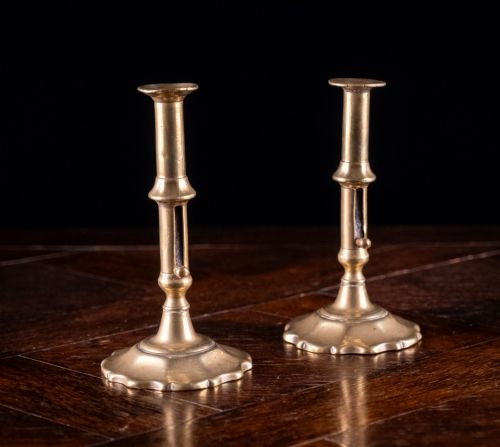
A george ii candle stand encompasses tripod tables, torcheres, and candlesticks originating primarily from the eighteenth century. Buyers frequently encounter mahogany and walnut tripod tables alongside brass candlesticks associated with this era.
How they were made
Cabinetmakers constructed wooden tables using dense timbers such as mahogany, red walnut, and standard walnut, often incorporating turned shafts and tripod legs. Brass and bell metal candlesticks were produced through casting techniques, resulting in seamed or petal-based structures.
Joinery methods included birdcage assemblies for pivoting tops and adjustable mechanisms for reading or height modification. Surfaces received finishes that developed rich patinas over centuries of use.
George II Candle Stand Retail Price Guide 2026
Typical asking prices for george ii candle stand among the pieces listed under this phrase on Sellingantiques today, from the lower quarter to the upper quarter. They describe what is for sale here now, not the wider market.
Some tables tilt up so quickly they practically fold away.
What varies in quality
The sophistication of the timber grain and the depth of the original patina distinguish exceptional examples from simpler items. Superior pieces display finely carved tripod legs, pierced galleries, and well-executed birdcage actions.
For metal items, the crispness of the casting and the retention of original form without excessive wear separate standard production from superior work. The presence of matching pairs or sets also influences the character of candlesticks.
John Cafe
The George II Candle Stand Glossary
- Tripod table
- A small table supported by three legs radiating from a central pillar. These tables often feature tilt-top or birdcage mechanisms.
- Torchere
- A tall ornamental stand designed to support a candle or light. They frequently appear in carved mahogany during the eighteenth century.
- Bell metal
- An alloy of copper and tin traditionally used for casting bells and durable candlesticks. It produces a resonant tone and heavy structure.
- Birdcage
- A timber framework beneath a table top that allows the surface to revolve and tilt. It connects the top to the central pillar through concentric rings.
George II Candle Stand: Frequently Asked Questions
What is a george ii candle stand used for?
These pieces served as movable supports for lighting instruments, small basins, or books in eighteenth-century rooms. Their compact footprints allowed them to sit beside seating areas or illuminate specific corners.
Today, they function effectively as occasional tables for lamps, drinks, or small display objects. Their versatility makes them simple to integrate into various interior schemes.
How do I identify a george ii candle stand?
Identification relies on examining the timber species, leg configurations, and structural joinery typical of the mid-eighteenth century. Characteristics like tripod bases, turned columns, and snap-top actions are common indicators.
Comparing the proportions and material density against known period examples helps confirm the era. Patina and wear patterns further support eighteenth-century origin.
What is the difference between a torchere and a table?
A torchere is generally taller and narrower, specifically designed to elevate a single light source rather than provide a surface for working or dining. Their proportions emphasise vertical height over top area.
Tables offer broader surfaces intended for resting objects, reading materials, or small vessels. Both share the characteristic central column and tripod base common to the period.
How should I care for a wooden candle stand?
Wooden surfaces benefit from stable indoor humidity levels and protection from direct sunlight or heat sources. Gentle dusting with a soft cloth preserves the historic finish and accumulated patina.
Harsh chemical polishes should be avoided to prevent stripping the aged surface treatments. Periodic application of appropriate wax maintains the condition of the timber.