

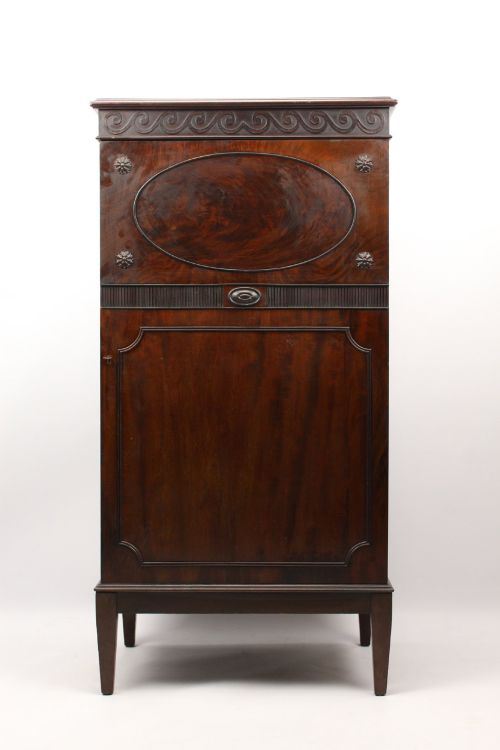
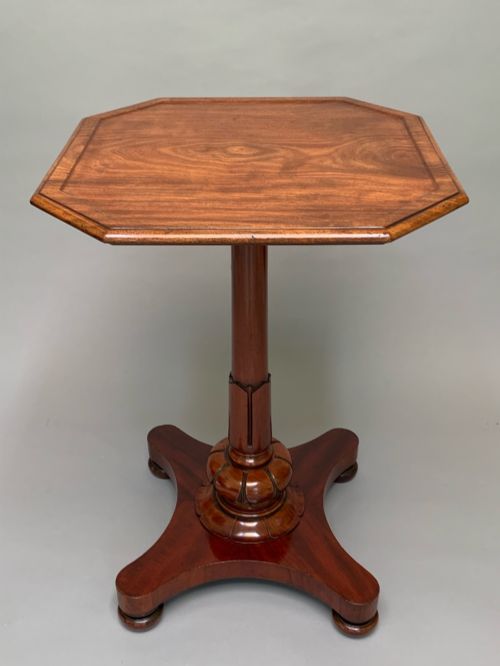
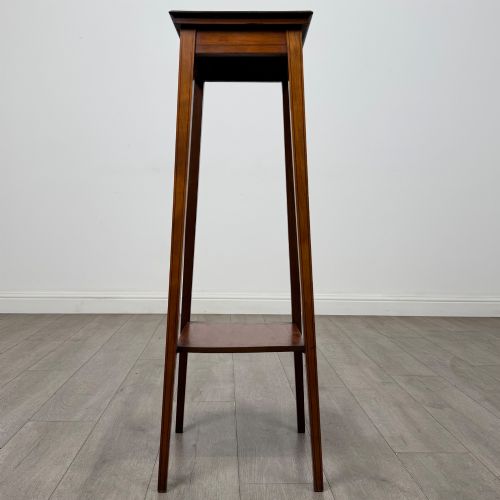
Antique Wooden Pedestal Stand
An antique wooden pedestal stand elevates an object or anchors a corner, drawing the eye upward through centuries of craftsmanship.
Antique Wooden Pedestal Stand
How they were made
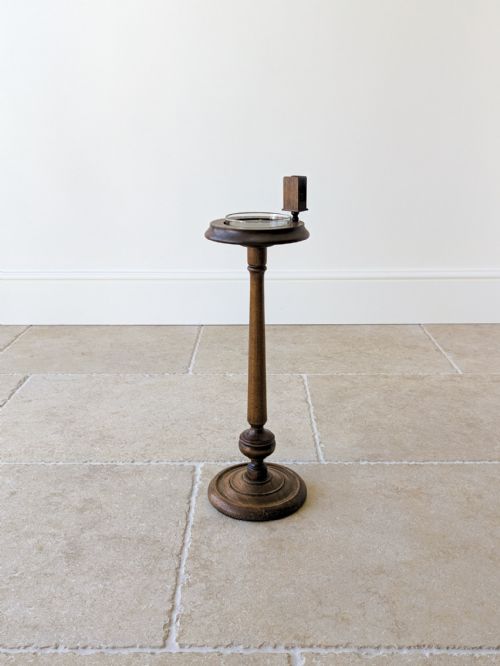
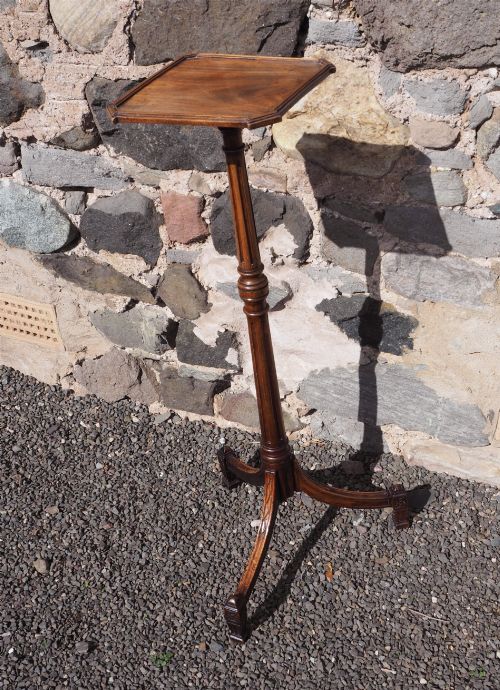
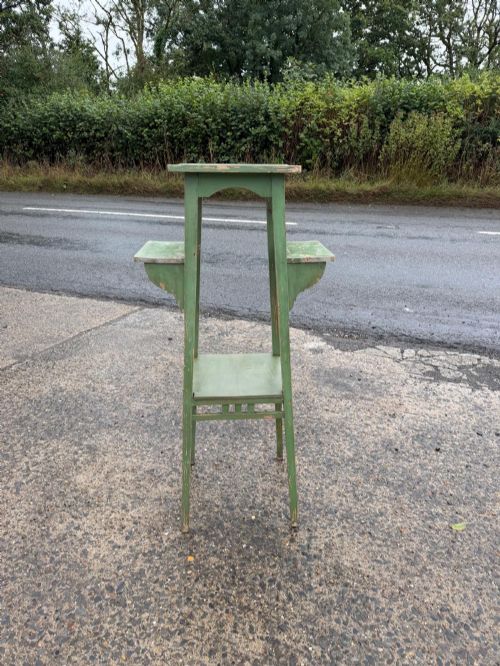
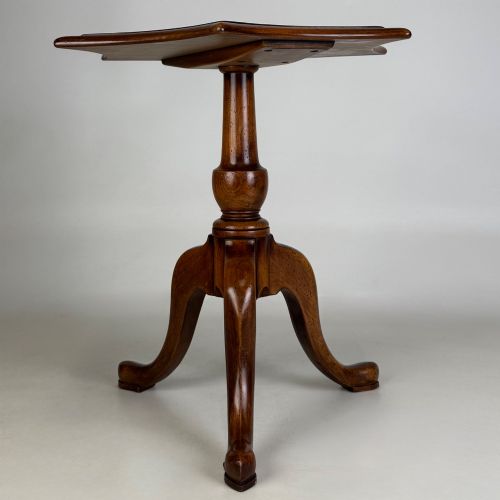
Cabinet makers utilised dense hardwoods like mahogany, walnut, and oak, often turning them on lathes to create slender columns, barley twists, and sturdy central pedestals. Joinery relied on traditional techniques such as mortise and tenon joints, as well as tripod base configurations secured to central shafts.
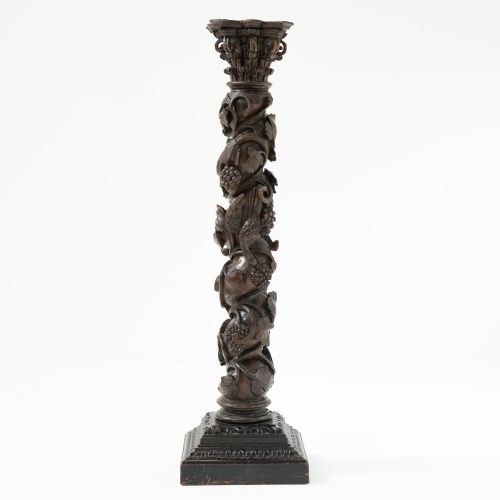
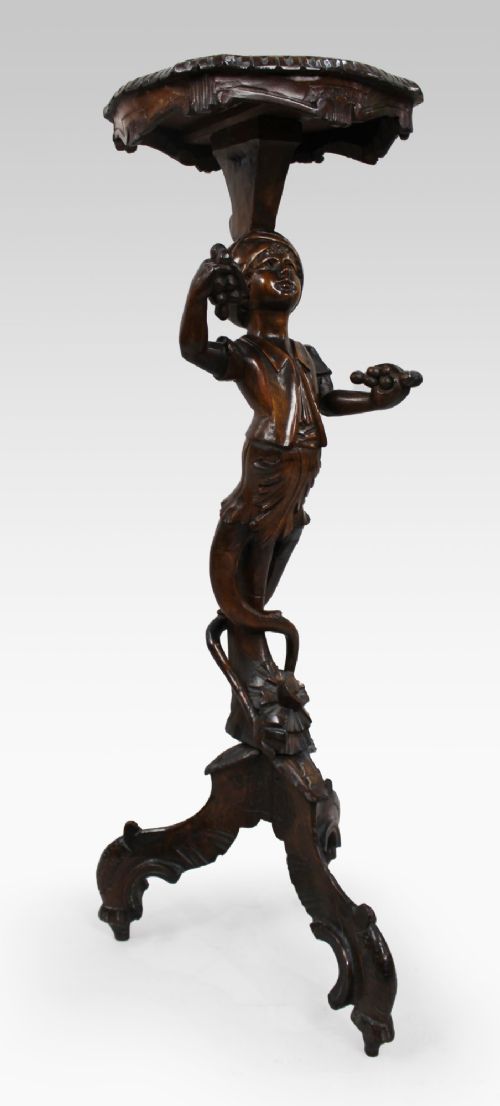
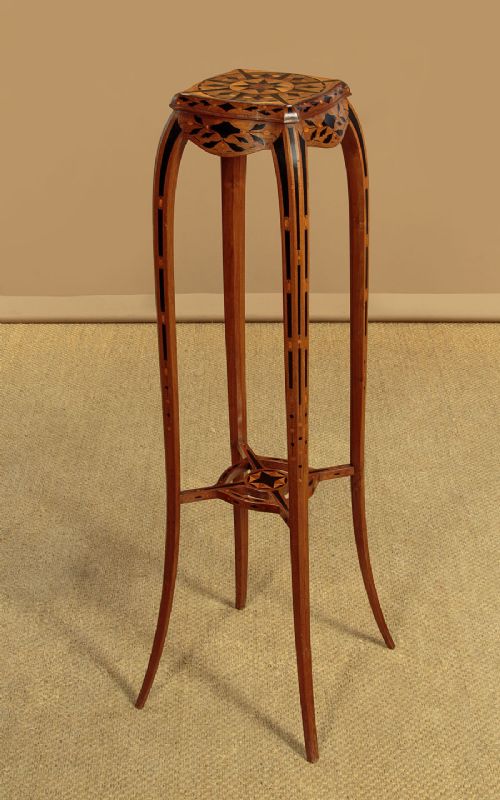
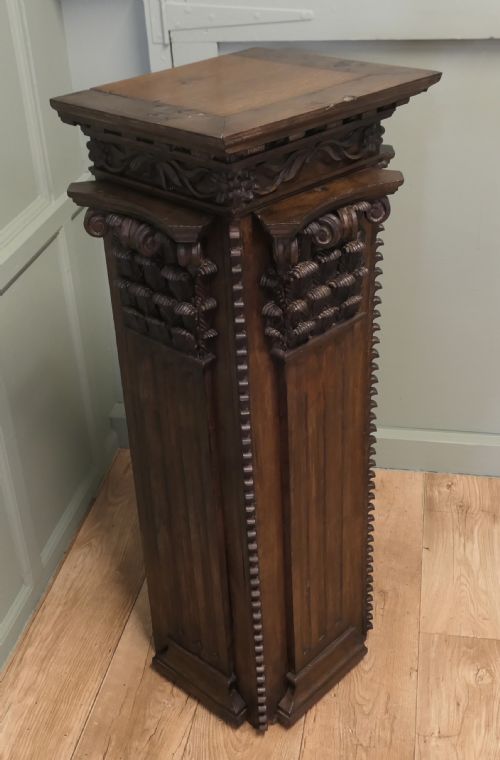
Surface decoration involved carving, inlay, and occasional paint, with specialised forms featuring figural elements, solomonic columns, and tilt-top mechanisms. Artisans selected timber for its grain and figure, finishing surfaces with traditional polishes to enhance the natural appearance of the wood.
One late Victorian elephant table arrives complete with painted wooden tusks, offering a wonderfully eccentric variation on the standard wooden pedestal.
What varies in quality
The refinement of the carving and the choice of timber set finer examples apart from utilitarian pieces, distinguishing hand-carved details from mass-produced turnings. The structural integrity of the central column and the stability of the tripod or plinth base determine how well the piece supports weight over time.
Proportion and balance dictate the aesthetic success of a stand, where slender columns must support upper tops without tipping. Evidence of skilled joinery, such as tightly fitted joints and sophisticated inlay work, elevates the standing of an individual piece.
Denby and Spinks·Gillows
The Antique Wooden Pedestal Stand Glossary
- Torchere
- A tall stand designed to support a lamp or candle, often featuring an elaborate carved wooden column. These pieces frequently date from the eighteenth and nineteenth centuries.
- Tilt-top
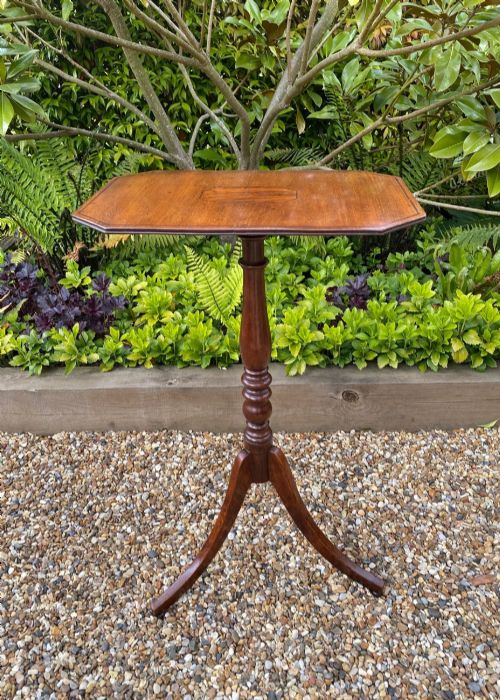
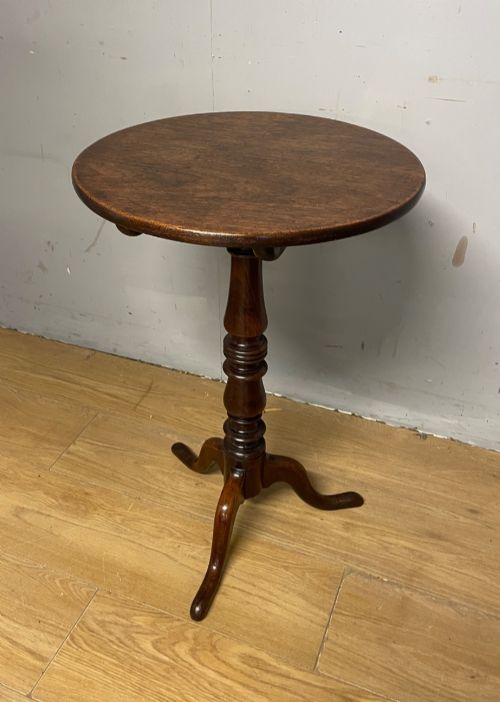
- A table mechanism allowing the top to pivot to a vertical position when not in use, saving space in smaller rooms. This feature is common on Georgian and nineteenth-century wine tables.
- Tripod table
- A small occasional table supported by three legs radiating from a central pillar. This design provides stable footing on uneven historical floorboards.
- Solomonic column
- A twisted, helical shaft resembling a spiral staircase, popular in seventeenth and eighteenth-century furniture design. Such carving appears on heavier oak and walnut pedestals.
- Inlay
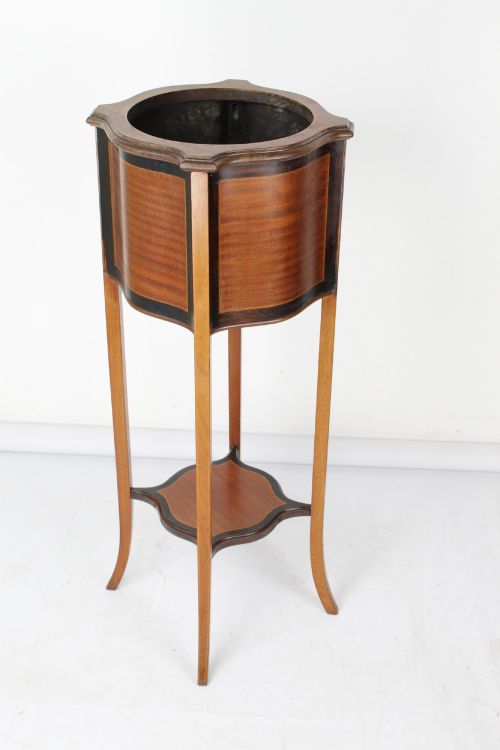
- A decorative technique where contrasting woods or materials are set into the surface of the primary timber. Satinwood and other pale timbers are often utilised for this purpose on mahogany bases.
Antique Wooden Pedestal Stand: Frequently Asked Questions
What is the difference between a torchere and a plant stand?
A torchere traditionally holds a light source or decorative ornament on a tall, slender shaft, whereas a plant stand is generally built to support potted greenery and withstand moisture.
While their silhouettes often overlap, torcheres tend to showcase more intricate carving or decorative elements intended for display in formal reception rooms.
How do I use a wine table in a modern room?
A wine table functions effectively as a compact surface next to a sofa or armchair for holding a cup or glass. Their small footprints allow them to fit into narrow corners or between pieces of furniture without crowding the floor space.
How can I tell a Georgian pedestal from a Victorian one?
Georgian stands typically display restrained classical proportions, understated timber selection, and precise cabinetmaking techniques. Victorian pieces often introduce heavier ornamentation, varied revival styles, and bolder turned elements like barley twists.
Are tilt-top tables stable enough for daily use?
Tilt-top mechanisms on period tables remain fully functional when the wooden catch and block beneath the top are intact and well-adjusted. Regular daily use requires checking that the pivot mechanism secures the top firmly in the horizontal position.