
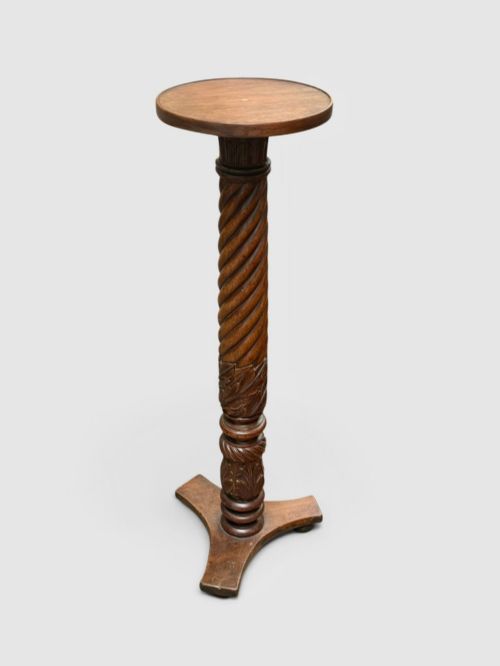
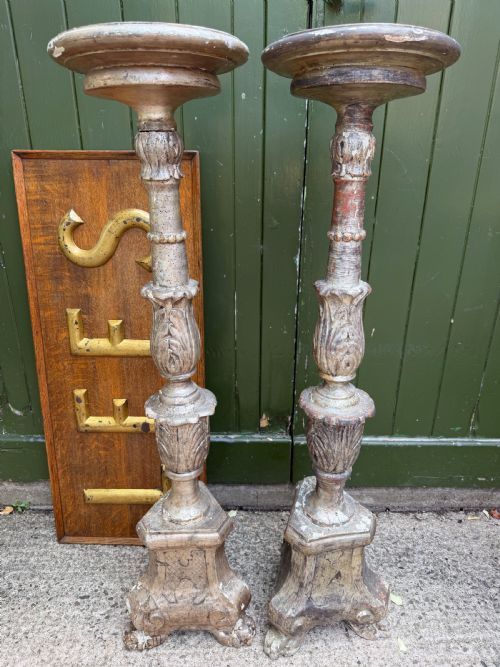
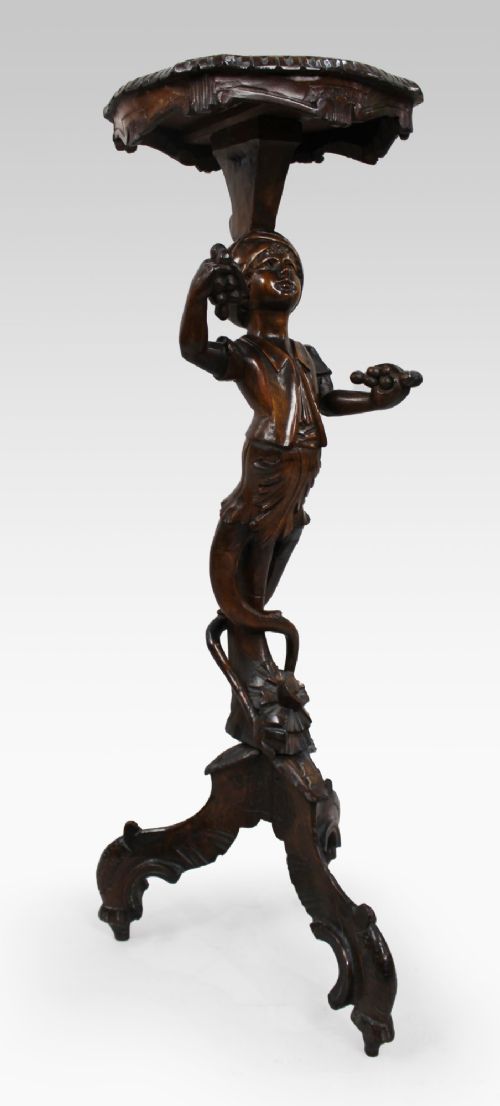
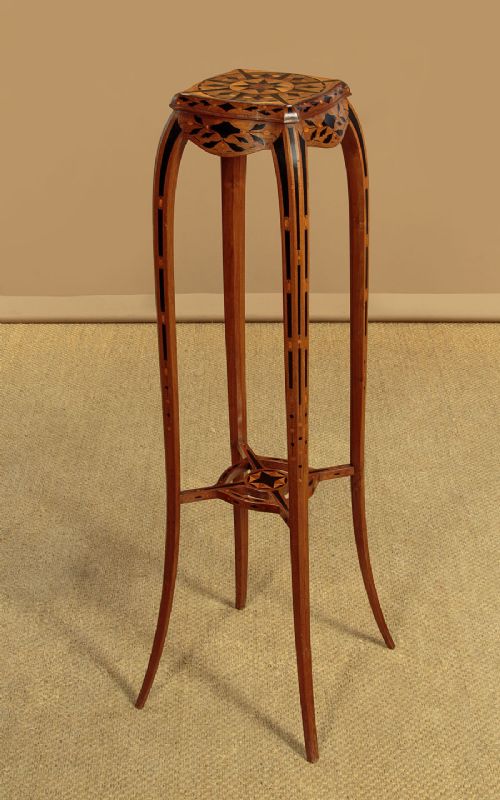
Antique Torchere Stands
These antique torchere stands bring vertical presence and fine timber to a room, offering slender display surfaces that elevate plants or decorative objects.
Identifying antique torchere stands
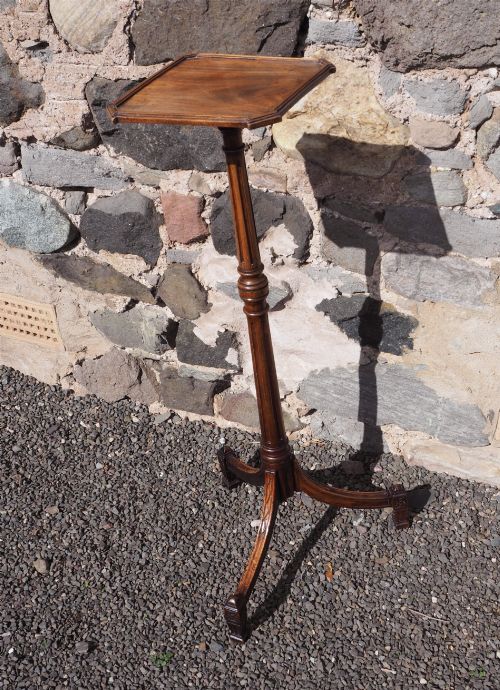
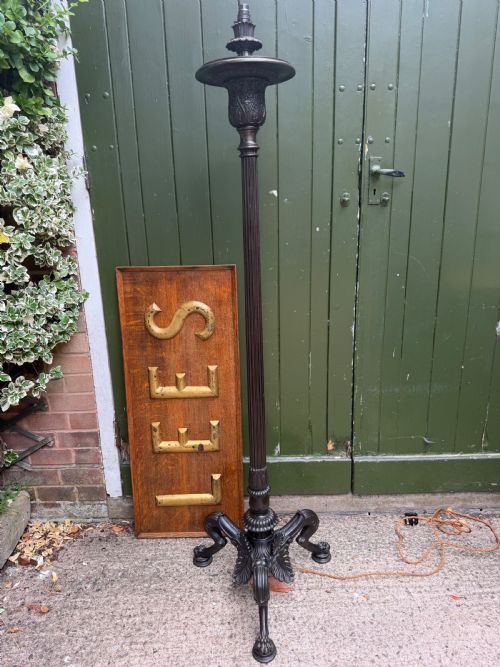
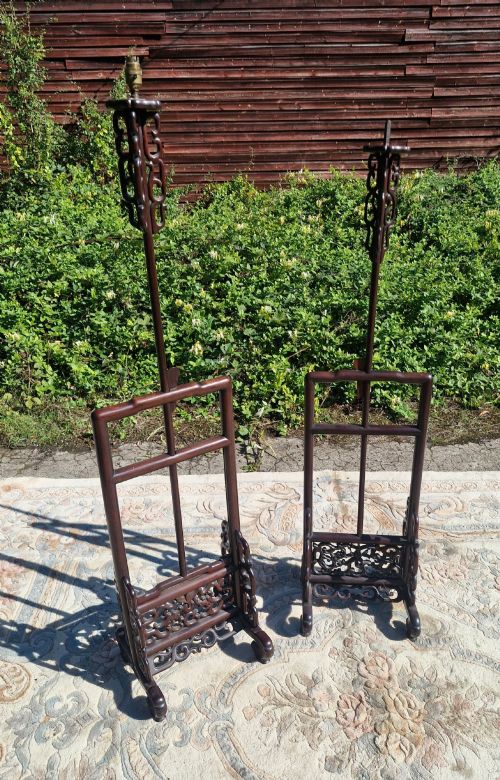
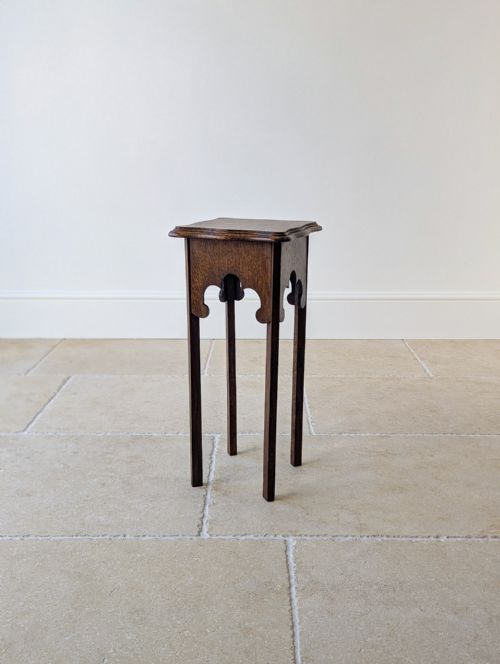
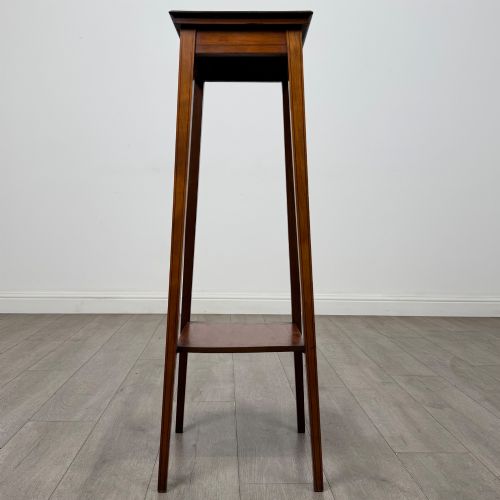
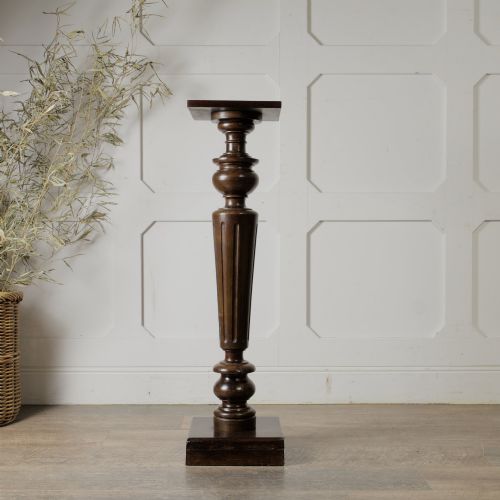
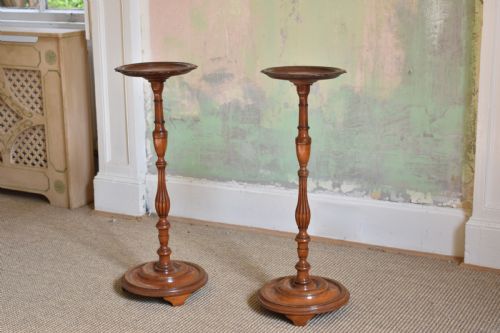
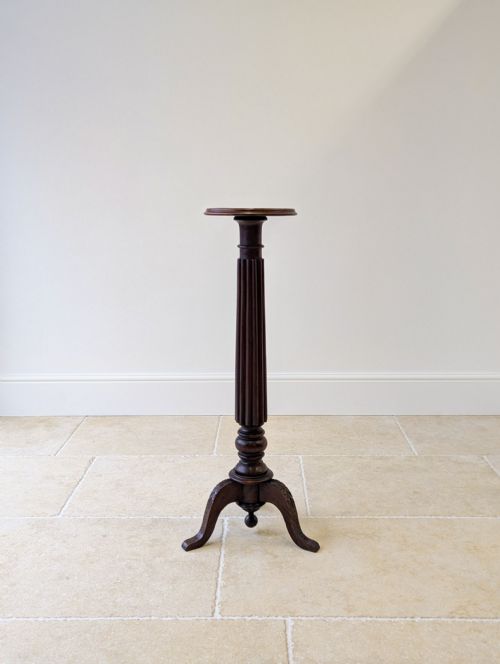
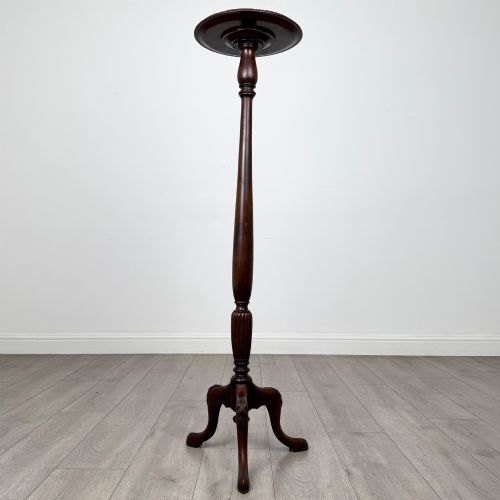
When you search for antique torchere stands, you find tall, slender furniture pieces historically designed to hold lights or display decorative items. The selections on this page span Edwardian, Victorian, and Regency periods, alongside pieces dated around eighteen sixty and the nineteen twenties.
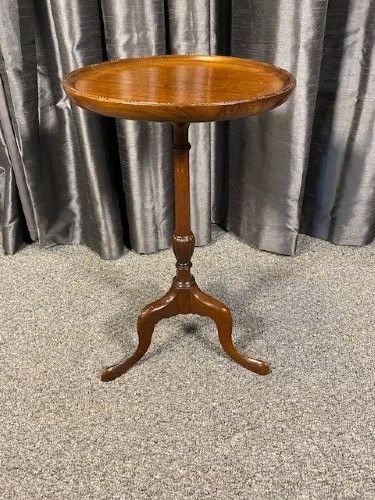
The primary forms appearing here include plant stands, side tables, console tables, and occasional tables rather than traditional candle-holders. These pieces function well in corners or empty spaces where a standard table proves too bulky, providing practical height without cluttering the floor plan.
Materials and construction
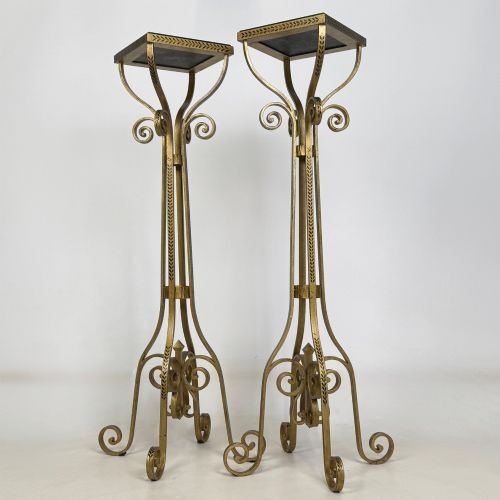
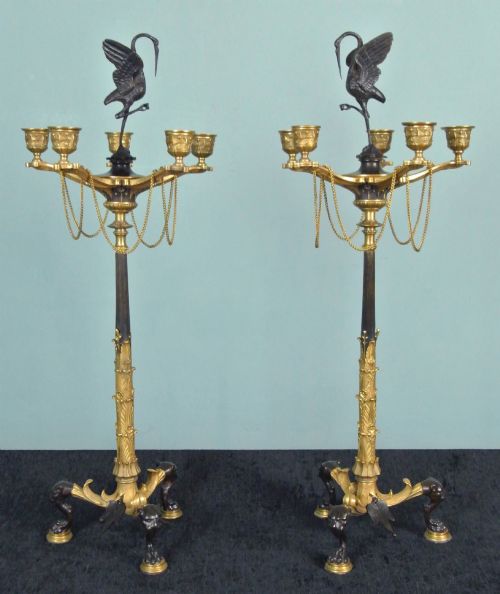
Craftsmen built these pieces using a variety of robust timbers including mahogany, satinwood, oak, amboyna, and ebonised hardwood. Several examples incorporate marble tops and gilded iron elements to create contrasting textures and resilient display surfaces.
Joinery techniques matched the period styles, ranging from simple structural assembly in nineteenth-century oak tables to delicate inlaid decoration seen on Edwardian mahogany examples. Surface finishes emphasise the natural grain of the wood or employ ebonised treatments for a dark, uniform appearance.
Retail Price Guide 2026
Typical UK retail prices for torchere stands, calculated from the Sellingantiques database of over a million retail prices indexed since 2003. This retail price guide relies exclusively on Sellingantiques data; no external sources or auction records are used, so the figures do not describe the wider market.
The listings show materials ranging from gilded iron and marble to mahogany, satinwood, oak, amboyna, and ebonised hardwood.
Distinguishing quality
Quality in these stands rests upon the choice of timber and the precision of decorative details like inlay or carving. Finer examples display carefully selected mahogany or figured amboyna, whereas simpler pieces rely on plain oak or standard ebonised wood.
The integration of materials also defines the tier of the piece, particularly where smooth marble inserts meet tight wooden framing. Superior craftsmanship shows in the stability of the tall frame and the crispness of any inlaid patterns or carved motifs.
The Antique Torchere Stands Glossary
- Torchere
- A tall stand originally intended to carry a candle or torch, now commonly used for plants or lamps. This form maximises vertical space in compact interiors.
- Amboyna
- A highly prized, exotic burl wood featuring rich brown tones and swirling grain patterns. It appears on high-status nineteenth-century occasional pieces.
- Ebonised
- Timber treated with a finish to make it resemble ebony. This dark staining technique became popular during the Victorian and Edwardian eras.
- Inlay
- A technique where pieces of contrasting wood or shell are inserted into depressions in the base material to form decorative patterns. Edwardian makers utilised this frequently on table tops.
Frequently Asked Questions
What were antique torchere stands used for?
Historically, these tall stands held lighting devices such as candles or oil lamps to illuminate dark corners of large rooms.
Today, buyers repurpose them as elevated display furniture for potted plants, small sculptures, or decorative vases.
How do I place a torchere stand in a room?
These pieces suit empty corners, narrow hallways, or spaces beside armchairs where horizontal surface area is limited.
Because of their height and slender profile, they draw the eye upward and add architectural interest without blocking walkways.
Are these stands stable enough for heavy items?
Most stands are designed with balanced pedestal bases or sturdy legs to support moderate weight like a plant pot or lamp.
However, buyers should check the specific width of the top surface and the overall weight distribution before placing heavy or unbalanced objects on them.
How do I tell Edwardian stands from Victorian ones?
Victorian examples often feature heavier carved mahogany construction with a darker, more imposing presence.
Edwardian pieces tend to be lighter in appearance, frequently incorporating delicate inlaid satinwood or mahogany veneers.