
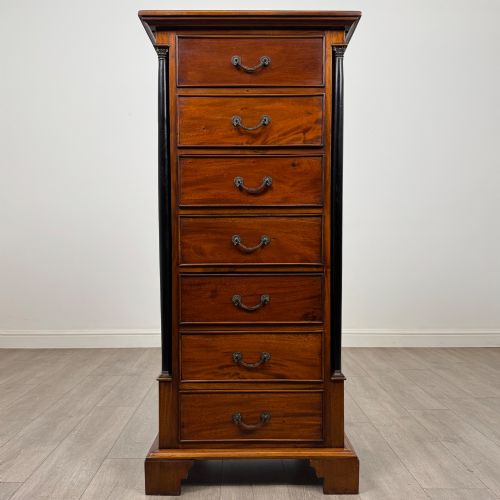
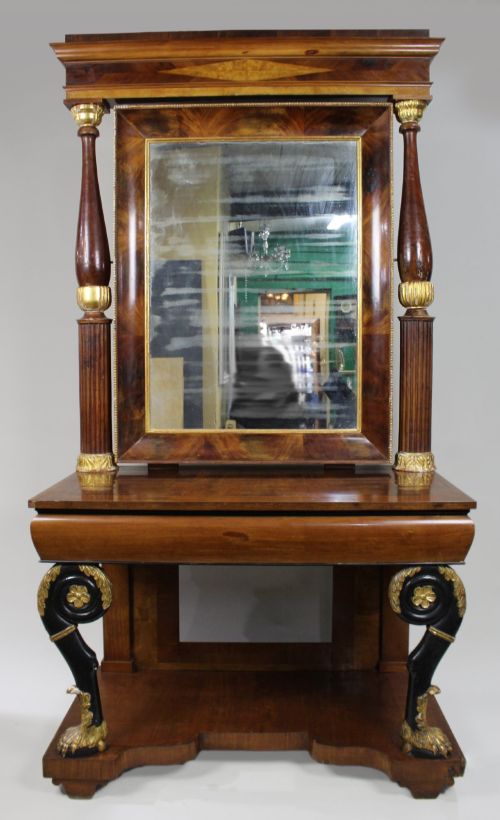
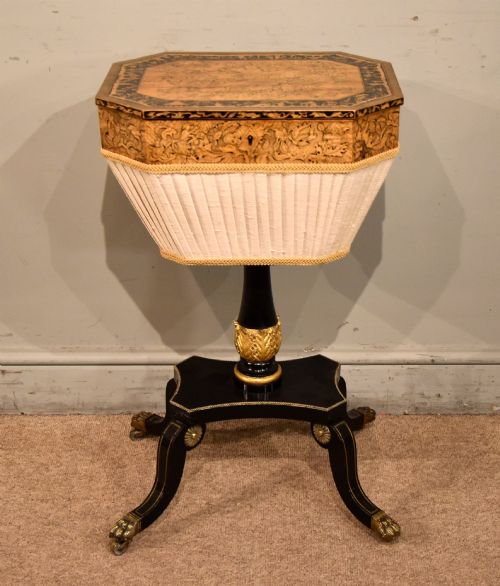
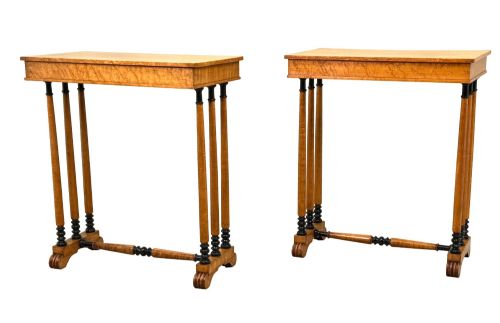


Regency Ebonised Furniture
Regency ebonised furniture brings dark, striking surfaces and classical form to a room, drawing the eye with polished timber and gilded detail.
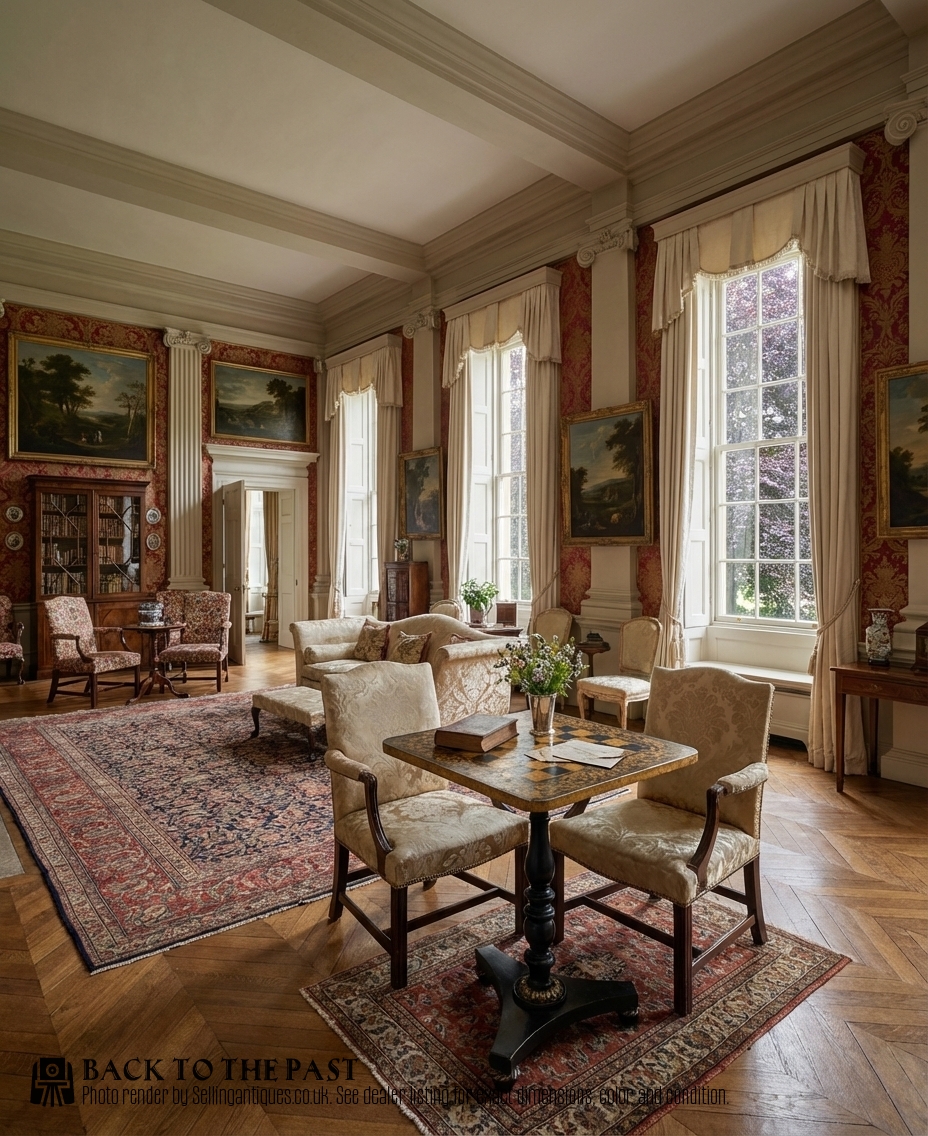
Regency Ebonised Furniture
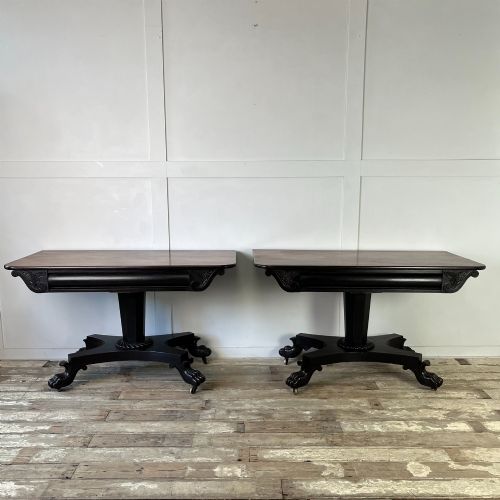
When you search for regency ebonised furniture, you encounter pieces designed to imitate costly ebony through dark finishes, often accented with gilt wood or brass. These items span practical household forms, including centre tables, games tables, console tables, dining chairs, and chests of drawers.
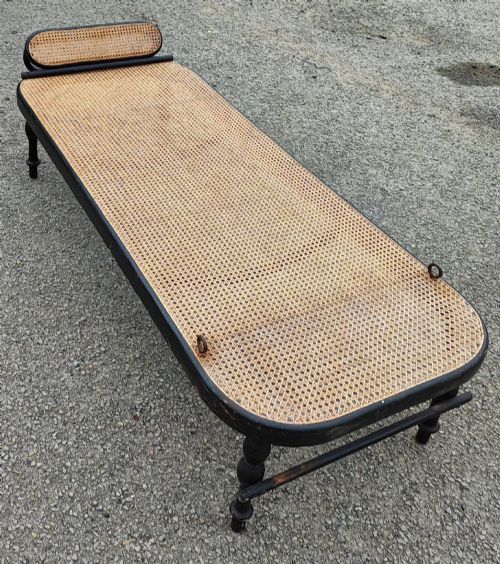
The pieces appearing here include authentic Regency items alongside later revivals from the Victorian and Edwardian periods, as well as William IV and Anglo-Indian variants. Tables and seating predominate, ranging from occasional stands to library armchairs and day beds.
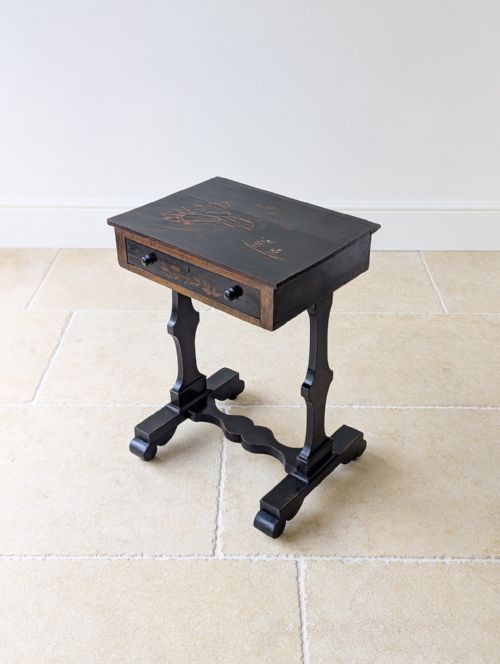
Makers and designers of the era also utilised contrasting exotic timbers such as mahogany, satinwood, amboyna, and coromandel alongside the characteristic black finish. Chinoiserie decoration and intricate penwork surface details appear frequently on work tables and games tables from the period.
Materials and construction methods
Cabinet makers achieved the deep black finish of regency ebonised furniture by staining and polishing base woods, or by working directly with dense imported ebony and coromandel. Parcel gilding and brass inlay provided sharp contrast to these dark surfaces.
Structural elements frequently combined native hardwoods with decorative veneers such as burr oak, birds-eye maple, and kingwood. Cane seating panels and marble table tops further diversified the textures utilised in these functional forms.
Regency Ebonised Furniture Retail Price Guide 2026
Typical asking prices for regency ebonised furniture among the pieces listed under this phrase on Sellingantiques today, from the lower quarter to the upper quarter. They describe what is for sale here now, not the wider market.
Card players of the Regency era relied on hidden drawers inside games tables to store ivory gaming counters out of sight.
Markers of execution and design
The standard of regency ebonised furniture rests on the precision of its joinery, the crispness of any carved or gilded detail, and the retention of the original dark surface finish. Superior examples display balanced proportions and refined secondary timbers beneath the ebonised exterior.
The integration of decorative elements, such as penwork illustration, lacquer work, or brass mounts, distinguishes standard cabinet work from pieces attributed to premier workshops. The choice of primary timber grain and the condition of parcel gilding heavily influence the visual impact of each piece.
Gillows·George Merrifield·Willian Trotter
The Regency Ebonised Furniture Glossary
- Ebonised
- Wood treated with stain, paint, or polish to imitate solid ebony. This dark finish gained immense popularity during the Regency period for its dramatic contrast with gilt highlights.
- Parcel Gilt
- Partially gilded with gold leaf or powder. This technique highlights carved details, mouldings, and raised ornament against an ebonised background.
- Penwork
- Decoration applied to timber using ink and a pen to create intricate monochrome designs. It frequently ornaments the tops of Regency work tables and chess boards.
- Chinoiserie
- European interpretation of Chinese and East Asian artistic motifs. It appears on Regency pieces through painted landscapes, figures, and architectural details.
- Étagère
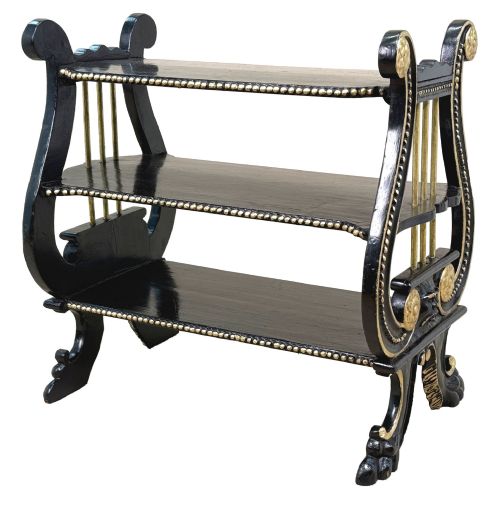
- A set of open shelves for displaying small objects or books. These freestanding tier structures often feature slender turned supports.
Regency Ebonised Furniture: Frequently Asked Questions
What is regency ebonised furniture?
It encompasses tables, seating, and storage pieces finished in a dark, polished black tone to emulate expensive ebony. The category includes both authentic early nineteenth-century items and later nineteenth-century revival pieces.
Craftsmen often combined the dark finish with brass inlay, gilding, or exotic wood veneers to create striking visual contrast in formal interiors.
How do I care for ebonised surfaces?
Maintain the finish by dusting gently with a soft, dry cloth and avoiding harsh chemical polishes that can degrade the dark stain. Keep pieces away from direct sunlight and excessive heat sources to prevent timber movement.
Wax polish formulated for dark wood can be applied sparingly to nourish the surface and preserve the sheen of the polish.
Are these pieces from the Regency period?
The selection contains items made during the precise Regency era alongside pieces from slightly later Victorian, William IV, and Edwardian revival periods. Design characteristics and construction techniques help distinguish the original early nineteenth-century items from later interpretations.
Stylistic influences also stretch to Anglo-Indian productions that utilised dense imported timbers native to those regions.
How were games tables used?
Wealthy households utilised specialised tables with fold-over tops for card games, chess, and backgammon after dinner. The integrated compartments stored counters, dice, and playing cards.
When not in use for gaming, the tables functioned as console or occasional surfaces in drawing rooms and libraries.