


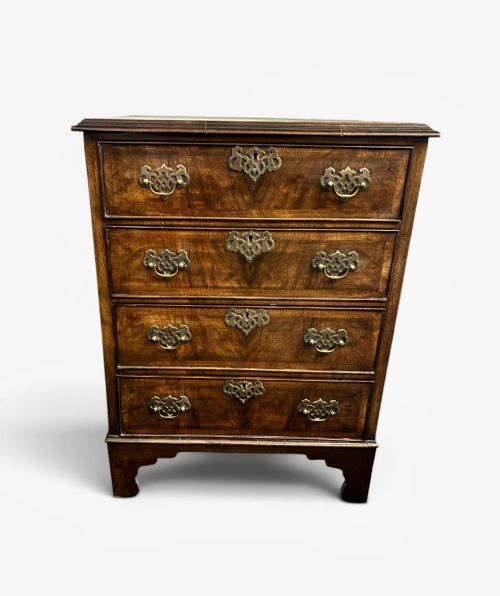
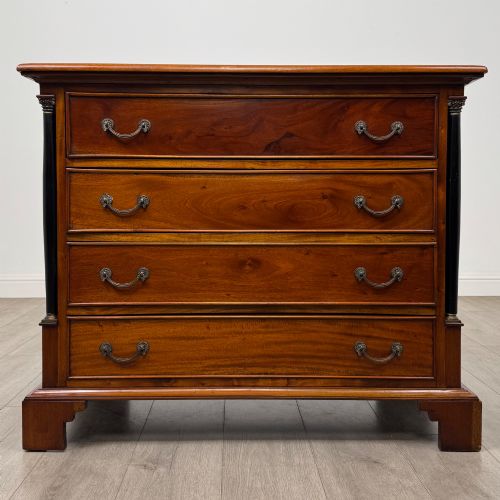
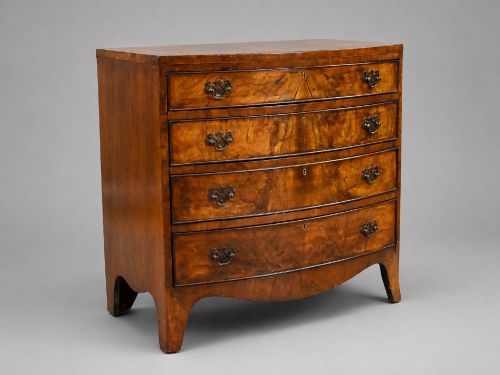
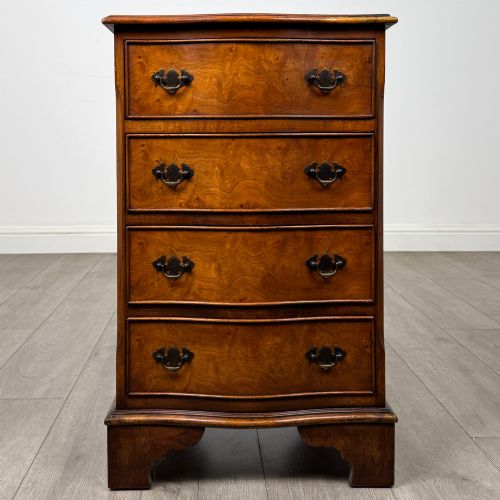
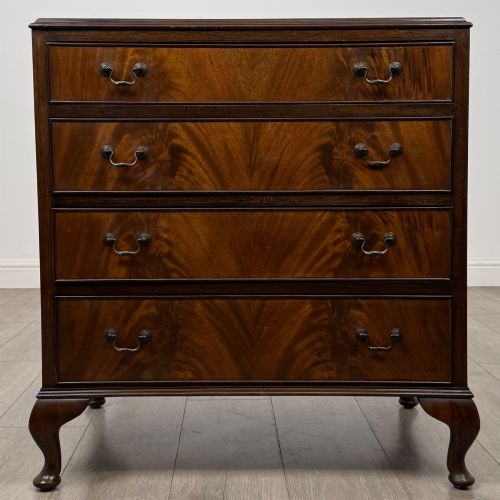
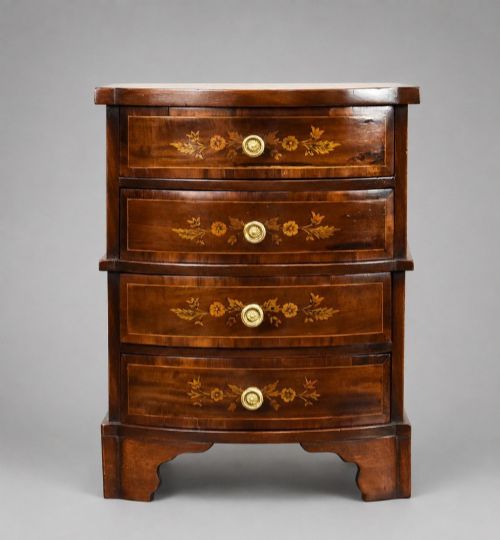
Georgian Style Commode Chest
A georgian style commode chest brings stately proportion and fine timber into a room, offering generous storage through elegantly curved or serpentine fronts.
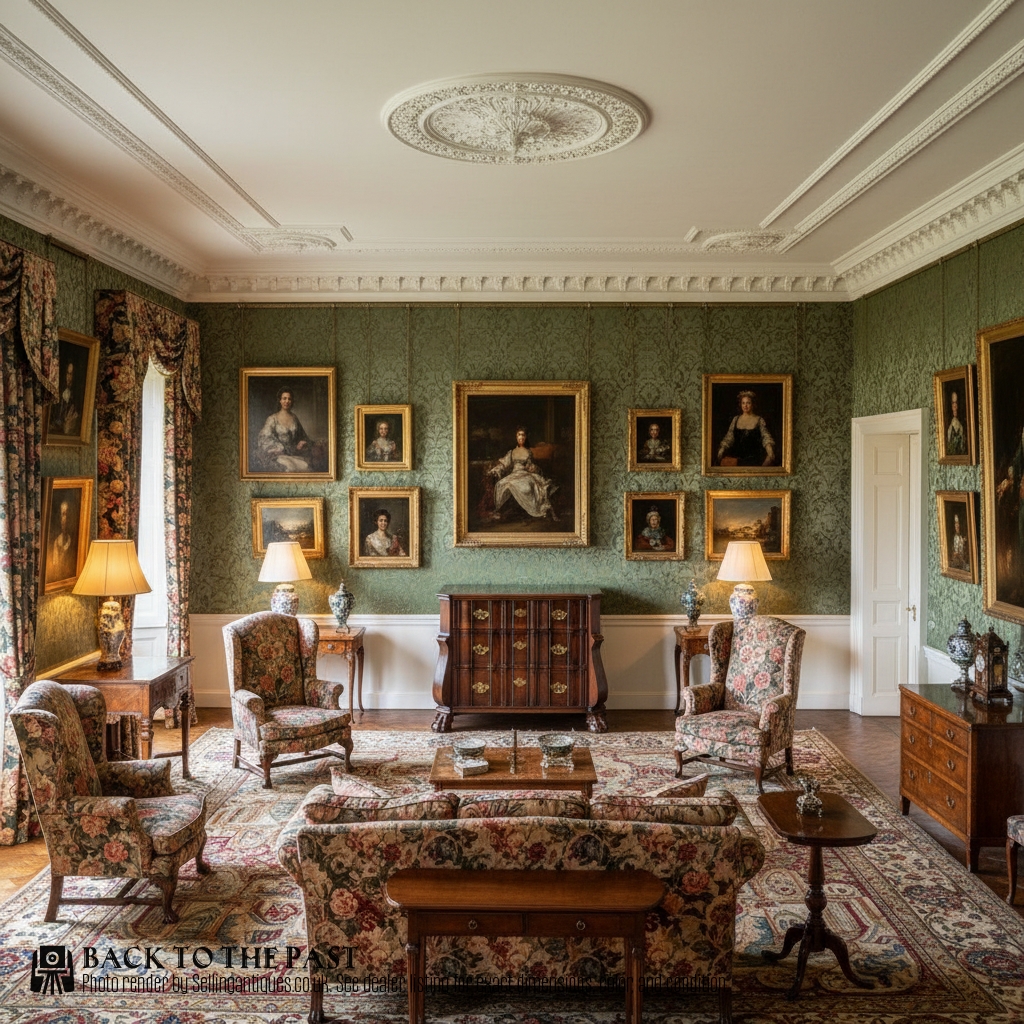
Georgian Style Commode Chest
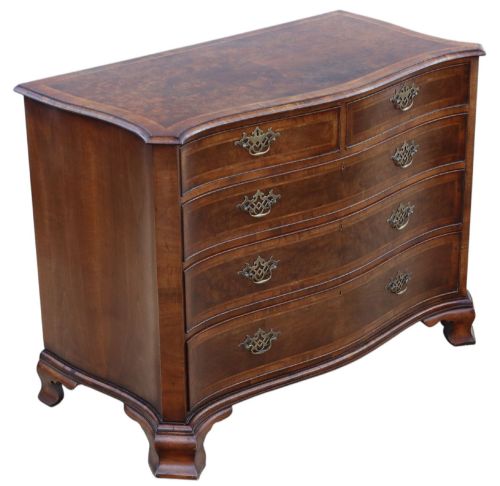
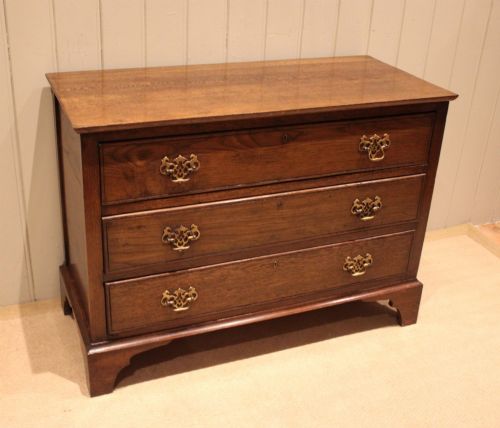
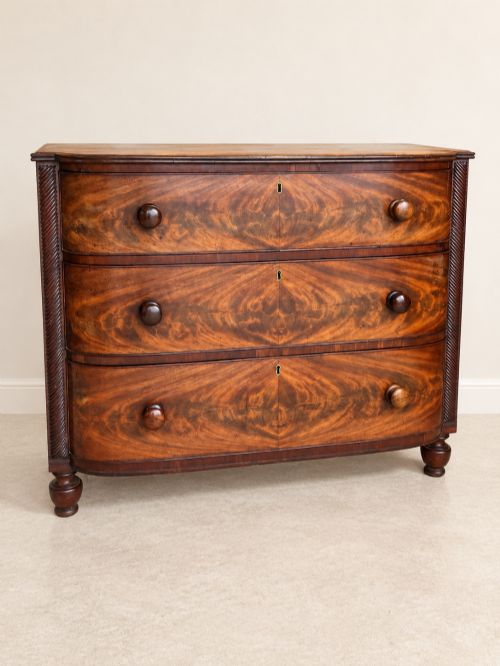
When you search for a georgian style commode chest, you encounter a lineage spanning actual 18th-century pieces alongside later revivals from the Edwardian era and the 1920s. The forms vary from straight-fronted designs to dramatic serpentine and bow fronts, sometimes executed on a diminutive scale as miniature furniture or small chests.
The materials recorded in the evidence range from solid oak and Cuban mahogany to burr walnut and flame mahogany veneer, often accented with satinwood or brass hardware. While genuine 18th-century examples appear alongside 19th-century and 20th-century revivals, the pieces share a common heritage rooted in Georgian, Regency, and Queen Anne design idioms.
Materials and Construction
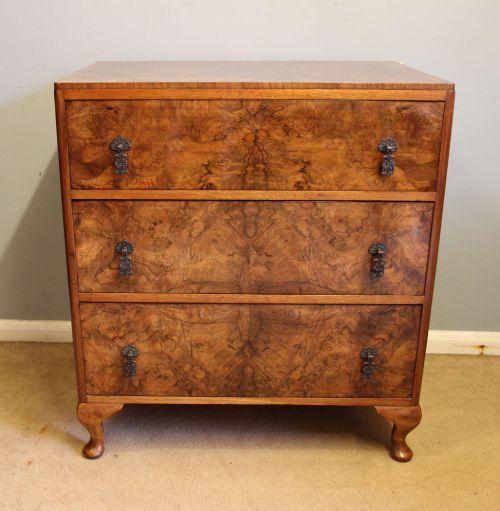
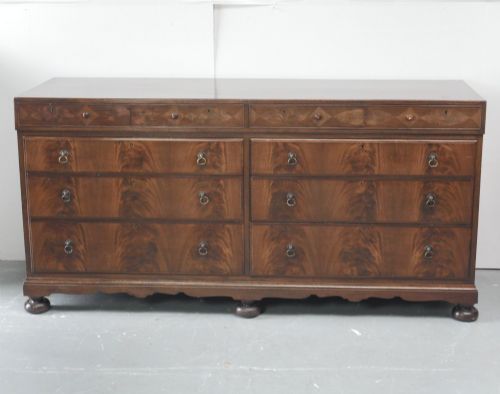
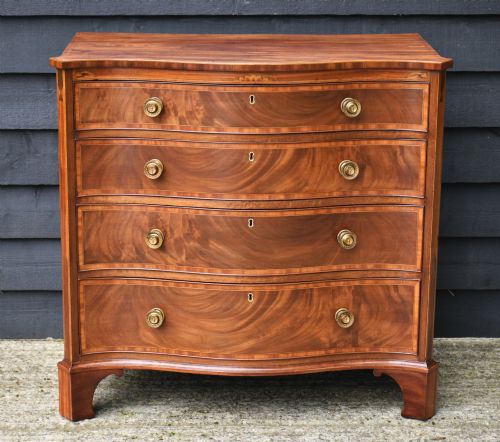
Cabinet makers utilised dense hardwoods such as mahogany, oak, and walnut, frequently applying flame mahogany veneer or burr walnut to create striking figured grain patterns across the drawer fronts. Crossbanding and marquetry inlay provide ornamental borders that frame the timber.
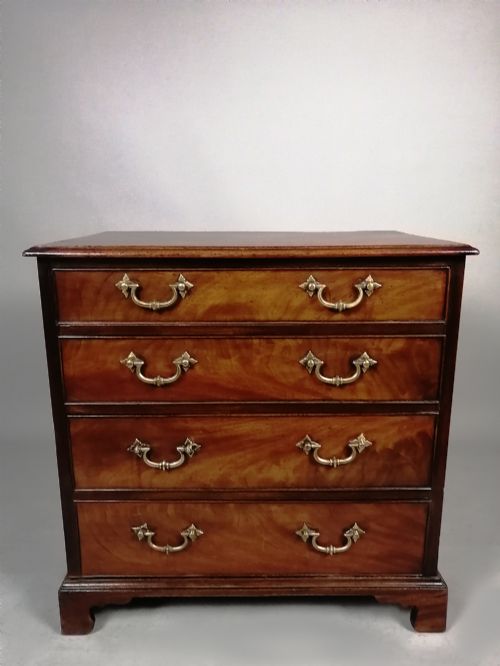
Structural integrity relied on traditional joinery, paired with cast brass handles and escutcheons that punctuate the polished wood surfaces. Painted wood and specialised finishes also occur among the recorded pieces.
Listings span several centuries, encompassing 18th-century originals, Victorian examples, and 20th-century revivals.
Quality and Execution
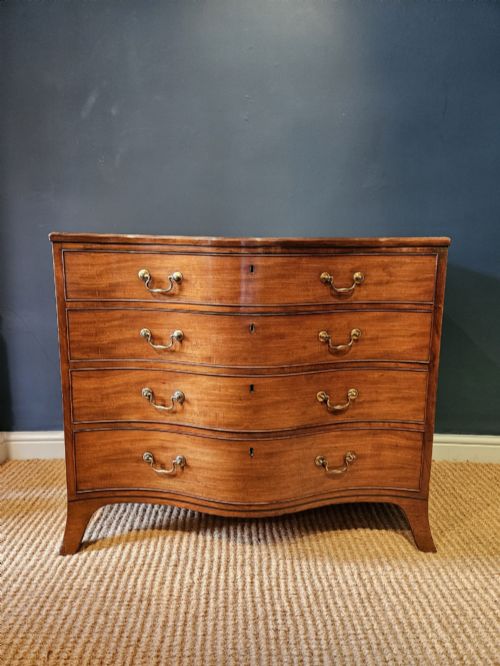
The distinction between ordinary and exceptional pieces rests upon the selection of timber and the ambition of the silhouette. Serpentine and oxbow fronts demand precise carpentry compared to straight drawer banks, while matched burr walnut or figured flame mahogany elevates the visual depth.
The finesse of the hardware and the subtlety of crossbanding or inlay work further separate standard production from master craftsmanship across both original period items and later revivals.
Whytock & Reid·Druce & Co
The Georgian Style Commode Chest Glossary
- Serpentine
- A front contour that curves outward at the centre and inward at the sides, creating a gentle wave effect.
- Bow front
- A convex, outwardly curved front profile popular in various furniture periods.
- Crossbanding
- A strip of veneer applied perpendicularly to the grain of the main surface to form a contrasting border.
- Burr walnut
- Timber taken from the gnarled growth of a walnut tree, prized for its swirling, highly figured grain pattern.
- Caddy top
- A moulded tabletop design with raised edges reminiscent of tea caddies from the period.
Georgian Style Commode Chest: Frequently Asked Questions
What is a commode chest?
A commode chest is a low chest of drawers, often featuring a serpentine or bow front shape designed for decorative impact.
These pieces combine functional storage with refined cabinet work suited to principal rooms.
How do I spot a revival piece?
Revival pieces date from later periods such as the Edwardian era or the 1920s while imitating earlier 18th-century Georgian designs.
Examination of the secondary woods, internal drawer construction, and finish helps determine the actual manufacturing date.
Where should I place a serpentine chest?
A serpentine chest works well in a hallway, bedroom, or living space where its curved front can be viewed without obstruction.
The finished timber surfaces complement both traditional interiors and modern settings.
What woods were commonly used?
Mahogany, oak, and walnut form the primary structural timbers seen across the inventory.
Veneers like burr walnut and flame mahogany provide decorative surface patterns.