
Vintage Storage Chest Drawers
These vintage storage chest drawers span centuries of cabinet-making, offering deep proportions and timber character that anchor a room.
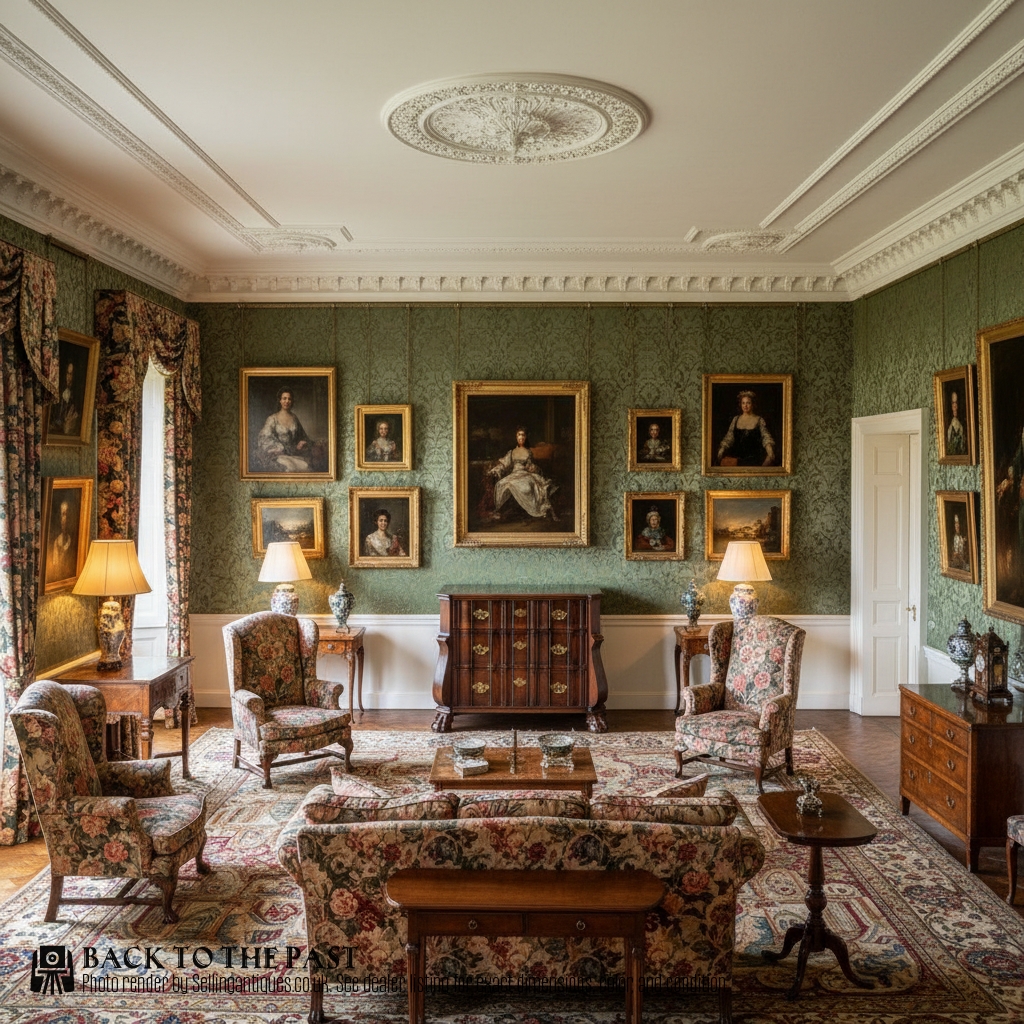
Vintage Storage Chest Drawers
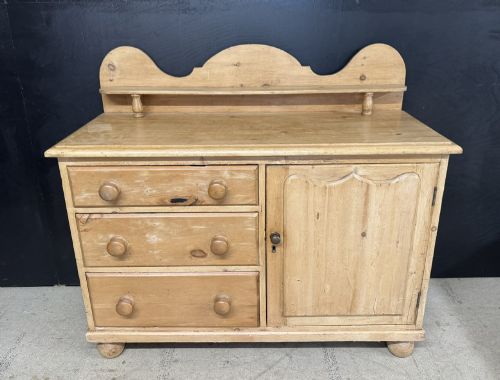
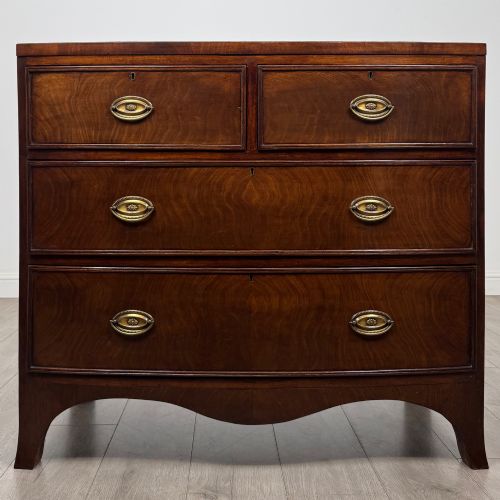
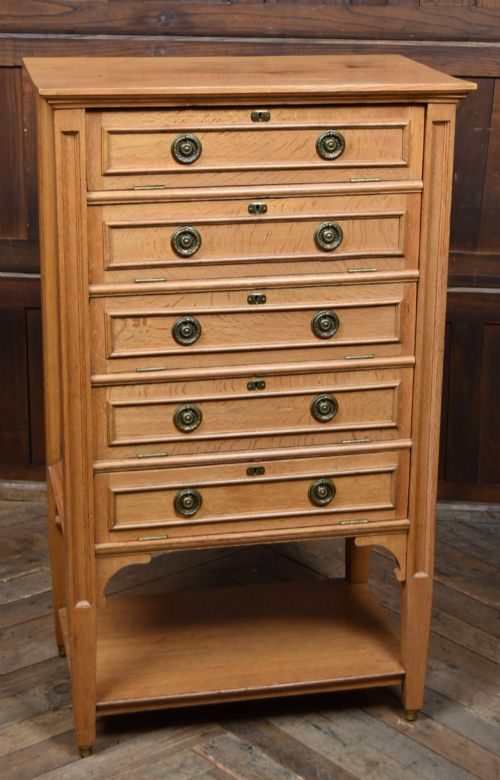
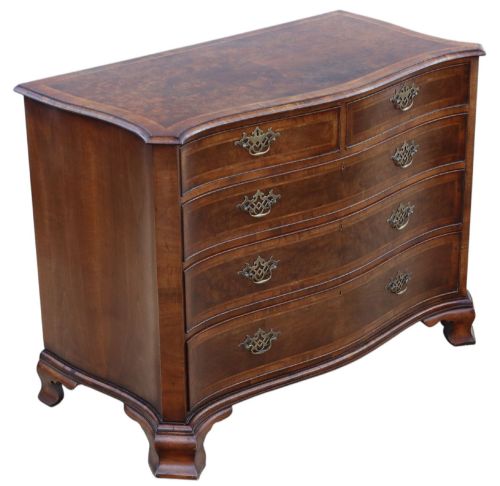
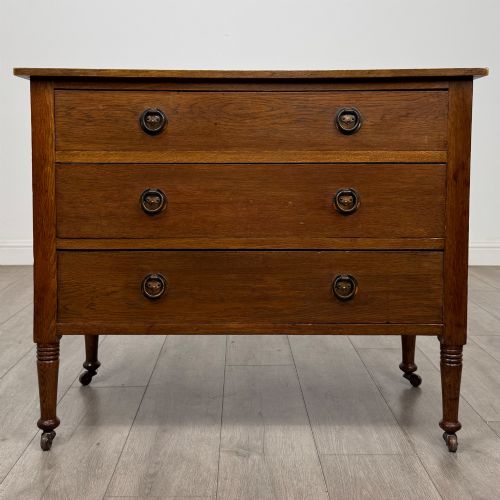
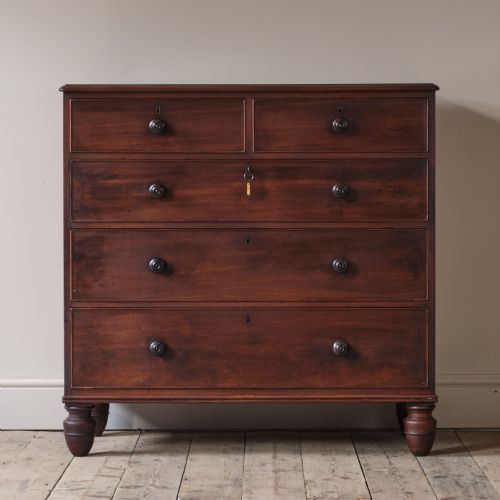
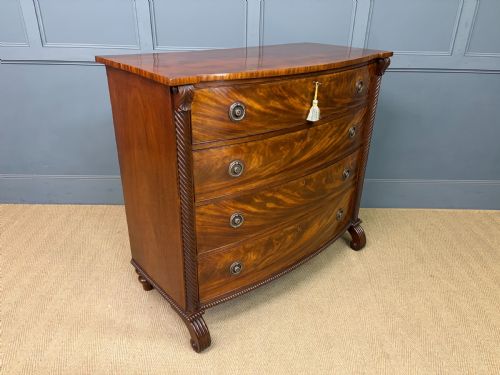
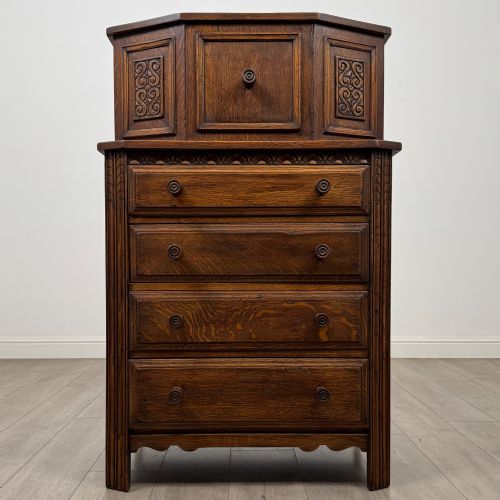
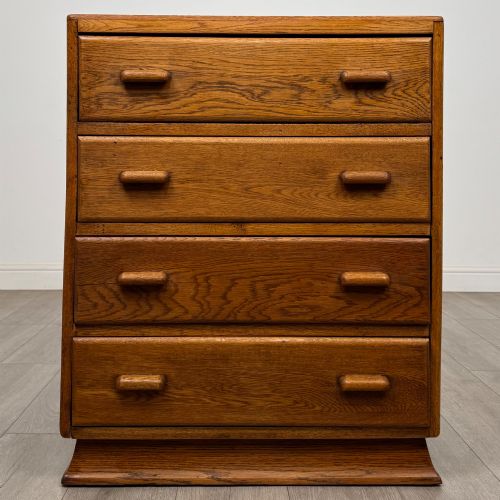
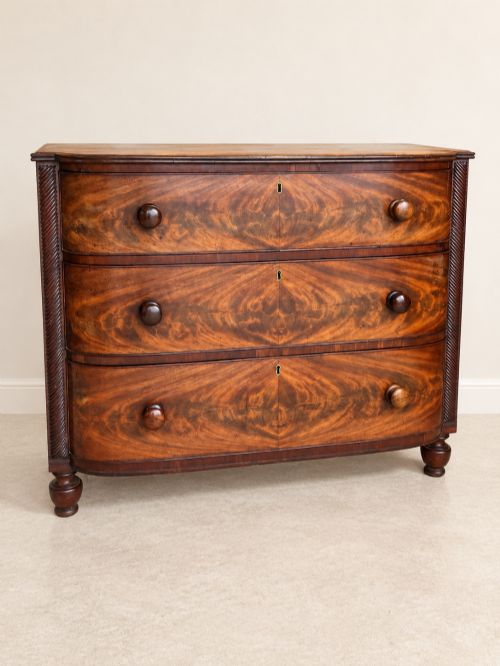
Vintage storage chest drawers encompass utilitarian filing cabinets, grand bow-front chests, and compact commodes designed to hold garments and papers. The selection draws heavily on Edwardian oak iterations and Regency mahogany forms, alongside 19th-century pine and walnut pieces.
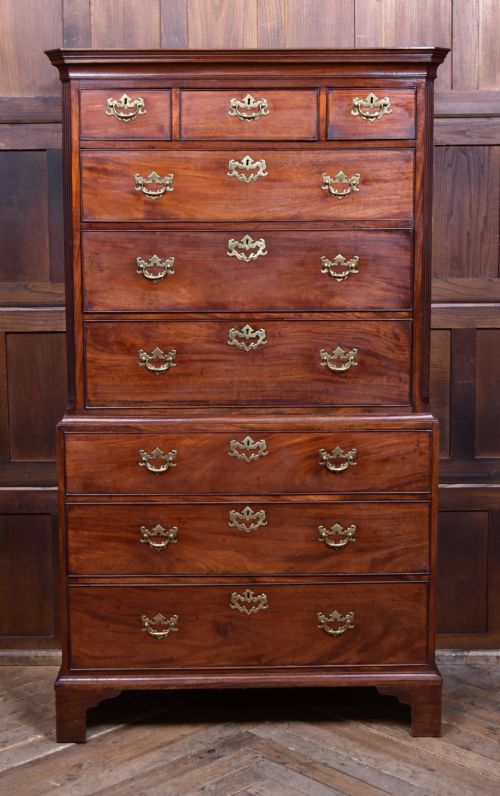
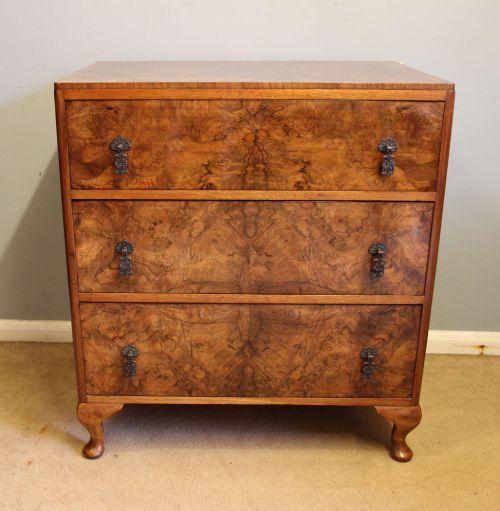
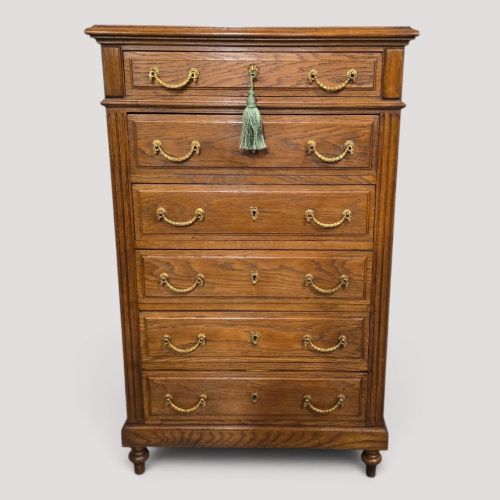
Buyers encounter everything from tallboys and linen presses to serpentine commodes and Art Deco figured walnut units. These items serve primary storage functions while displaying distinct period joinery and timber figuring.
How they were made
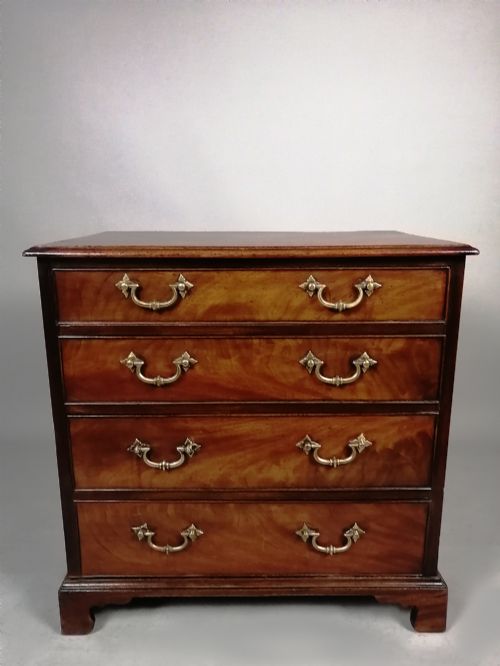
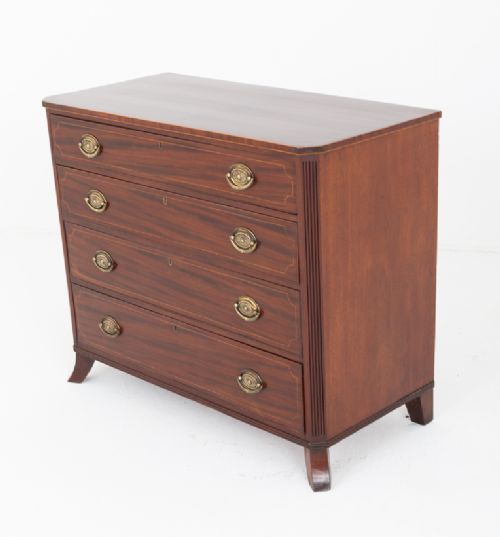
Cabinet-makers relied on solid hardwoods like oak, mahogany, and walnut, frequently applying flame mahogany veneer, burr walnut, or satinwood banding across drawer fronts. Construction involved dovetailed drawer boxes and tongue-and-groove backing, paired with brass handles and escutcheons.
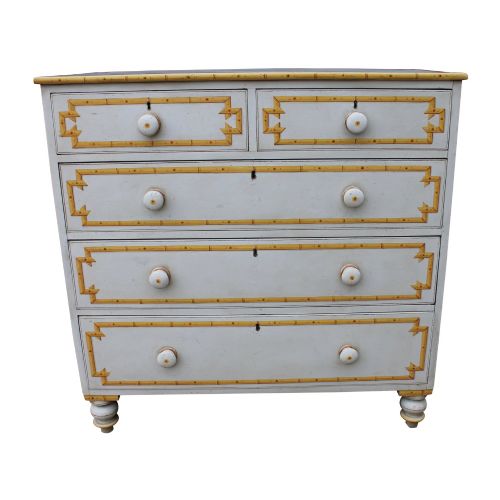
Surfaces received polish or paint finishes, while specialised forms incorporated tambour shutters or marble tops. Workshops prioritized structural rigidity using native timbers alongside imported decorative veneers.
Materials documented across the inventory include solid oak, mahogany, walnut, pine, and brass hardware.
What varies in quality
Distinction across the range rests on timber selection and grain continuity, such as matched burr walnut or flame mahogany panels that flow across multiple drawers. Superior examples display precise crossbanding and intact original brass hardware.
The sophistication of the carcase construction dictates the standing of a piece, from simple pine storage to serpentine drawer fronts requiring advanced bending and shaping techniques.
T & G Seddon·Sir Clough Williams-Ellis
The Vintage Storage Chest Drawers Glossary
- Bow front
- A convex curved cabinet front popular in Regency and later periods. This curved profile softens room angles while increasing internal drawer volume.
- Serpentine
- A wave-like front configuration featuring a convex centre flanked by concave sides. It demands exceptional woodworking skill to execute properly.
- Commode
- A low decorative storage cabinet or chest of drawers originating in France. These pieces frequently incorporate marble tops and elaborate veneering.
- Tallboy
- A tall chest of drawers consisting of one chest stacked upon another or built as a single tall unit. This form maximises vertical storage capacity.
Vintage Storage Chest Drawers: Frequently Asked Questions
How do I date a chest of drawers?
Dating relies on identifying timber choices, handle styles, and construction methods such as hand-cut dovetails. Period characteristics like Regency mahogany or Edwardian oak provide clear chronological markers.
Secondary woods and backboards further help verify the era of manufacture by revealing regional trade practices and tool marks.
What rooms suit these storage chests?
These pieces fit bedrooms as traditional clothes storage or serve living rooms and hallways as lamp tables with drawer capacity. Compact filing cabinets also adapt well to home studies.
Their varied timber tones allow them to anchor both neutral contemporary spaces and period interiors.
How do I maintain wood surfaces?
Routine care involves dusting with a dry cloth and occasionally applying natural beeswax to nourish the polished timber. Avoid placing items in direct sunlight or near heat sources to prevent veneer lifting.
Keeping humidity stable protects the structural integrity of drawers and carcases alike.
What is the difference between a commode and a chest?
A commode typically refers to a lower, more decorative French-influenced cabinet, often finished with a marble top or fine walnut veneers. A standard chest focuses primarily on stacked drawer storage.
Both forms offer substantial capacity but serve different aesthetic roles within interior schemes.