
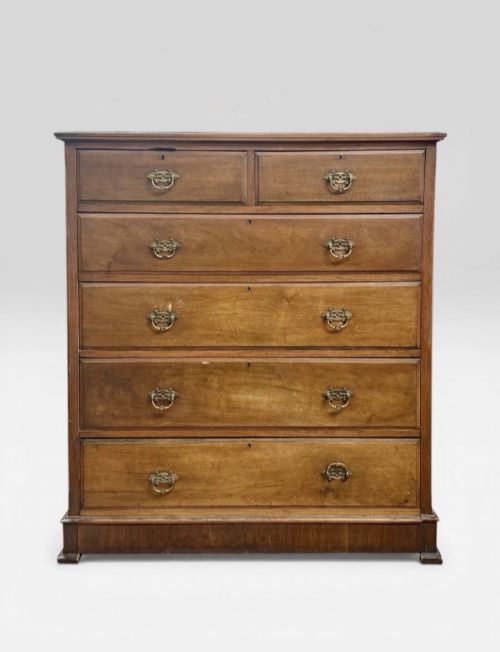


Antique Wooden Clothes Dresser
An antique wooden clothes dresser offers practical storage with enduring character, bringing timeless warmth and craftsmanship to any bedroom interior.
Antique Wooden Clothes Dresser
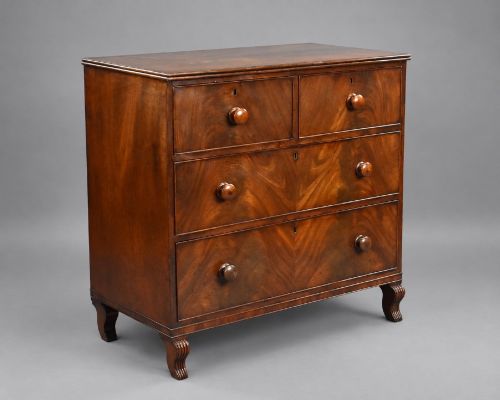
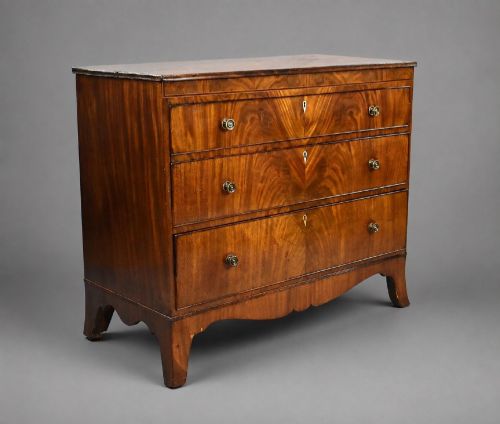
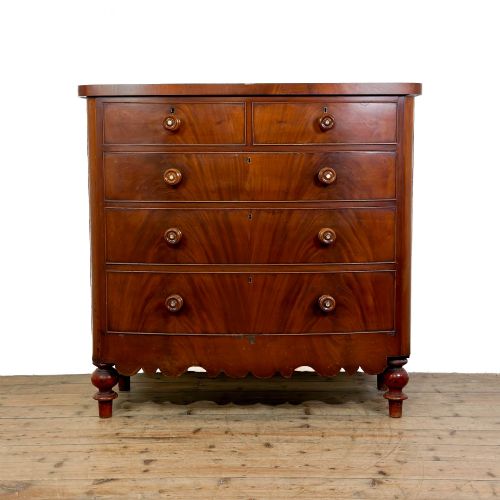
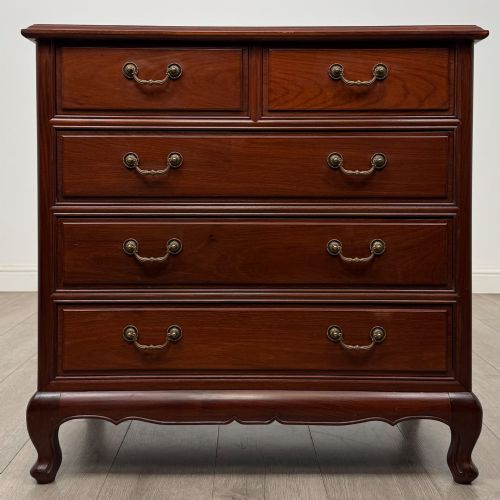
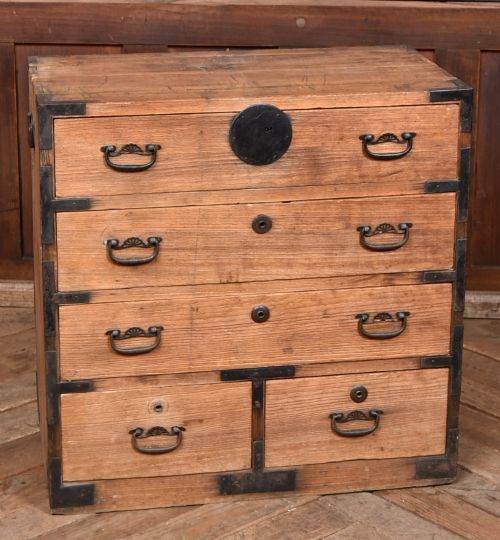
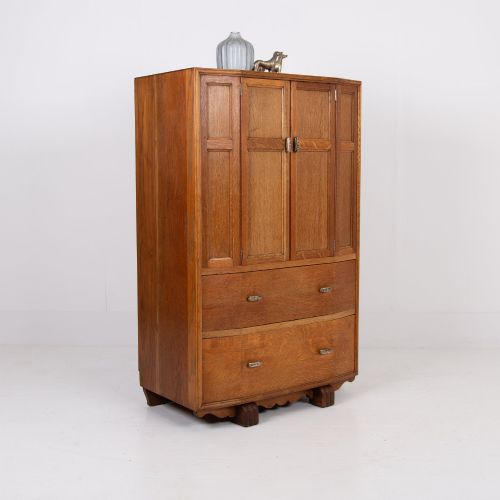
When you search for an antique wooden clothes dresser, you encounter substantial storage furniture designed to hold garments and textiles. The selections span chest of drawers forms, tallboys, and specialised tansu cabinets from various periods.
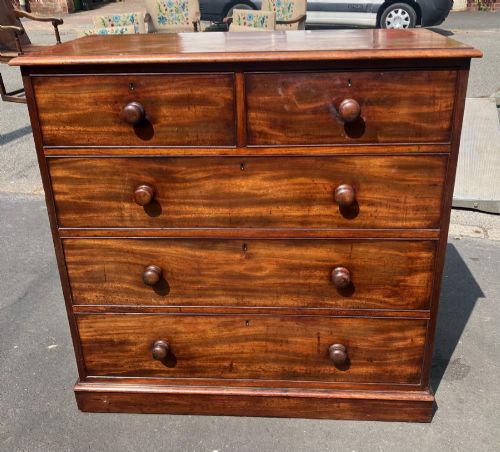
The pieces most frequently met on this page belong to the Victorian and Georgian eras, executed primarily in mahogany. These traditional forms provide deep drawers housed within sturdy timber carcases.
How they were made
Cabinet makers utilised solid timbers such as mahogany, oak, and pine alongside applied flame mahogany veneers. Drawer interiors often feature secondary woods like cedar, constructed with traditional joinery.
Surface ornamentation incorporates brass hardware, such as handles and escutcheons, together with delicate satinwood line inlay. Iron elements occasionally appear on specific regional forms.
Finishes rely on traditional wax or polish applied to the timber grain. This highlights the natural figures and tonal variations of the wood.
The listings span the 18th century, Georgian, Regency, Victorian, Edwardian, and 1930 periods, incorporating mahogany, oak, cedar, pine, and brass.
What varies in quality
The selection of timber dictates the visual depth of the piece, particularly where figured flame mahogany veneer is chosen for the drawer fronts. Finer examples display carefully matched grain patterns across the entire facade.
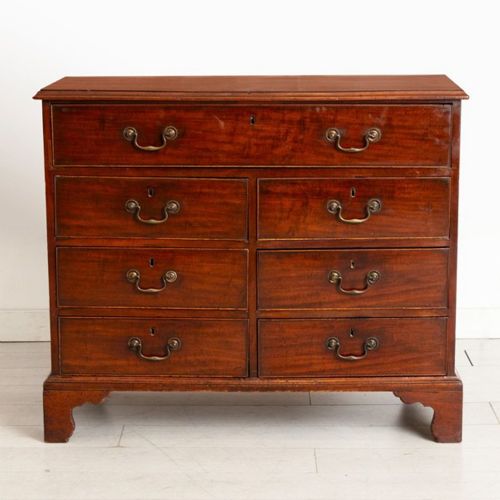
Construction methods reveal the standard of workshop execution, from the thickness of the drawer linings to the precision of the bracket feet. Superior execution ensures smooth operation of the drawers within their housings over centuries of use.
The Antique Wooden Clothes Dresser Glossary
- Flame mahogany
- A veneer cut from timber where the branch meets the trunk, producing a distinctive flickering flame pattern. This highly decorative grain is prized for its visual movement.
- Bracket foot
- A structural and decorative foot shape supporting the base of a case piece, commonly seen on Georgian examples. It lifts the carcase slightly off the floor.
- Tallboy
- A tall chest of drawers configuration, often comprising a chest base surmounted by a further set of drawers. This form maximises vertical storage capacity.
- Tansu
- A traditional Japanese mobile storage chest constructed from woods such as cedar. These cabinets incorporate specialised iron hardware and internal compartments.
- Escutcheon
- A protective plate surrounding a keyhole on a drawer front or door. They are typically cast in brass to complement the surrounding timber.
Antique Wooden Clothes Dresser: Frequently Asked Questions
What is an antique wooden clothes dresser?
An antique wooden clothes dresser refers to traditional storage furniture designed for garments, encompassing chests of drawers and tallboys. These pieces provide deep compartmentalised storage within a timber carcase.
They serve as functional bedroom storage while displaying the distinct construction methods and timber choices of past centuries.
How do I identify a Georgian chest of drawers?
Georgian chests of drawers are characterised by substantial timber construction, often utilising solid mahogany or oak with bracket feet. The proportions tend to be robust and functional.
Details such as hand-cut dovetail joints and early brass hardware help distinguish pieces originating from the eighteenth and early nineteenth centuries.
What is a Japanese tansu chest?
A Japanese tansu chest is a traditional form of mobile cabinetry designed for domestic storage. They are constructed from woods like cedar and feature distinctive iron mounts and handles.
These cabinets offer a contrasting aesthetic to British case furniture while fulfilling the same fundamental purpose of organising clothing and household goods.
How should I care for a mahogany chest?
Caring for a mahogany chest involves placing it away from direct sunlight and heat sources to prevent the timber from drying out. Regular dusting with a soft, dry cloth preserves the polished surface.
Applying occasional natural wax helps maintain the lustre of the wood without building up heavy chemical residues over time.