
Eighteenth Century Chest Drawers
An eighteenth century chest drawers provides proper storage through centuries of craftsmanship, offering walnut, oak, and mahogany forms.
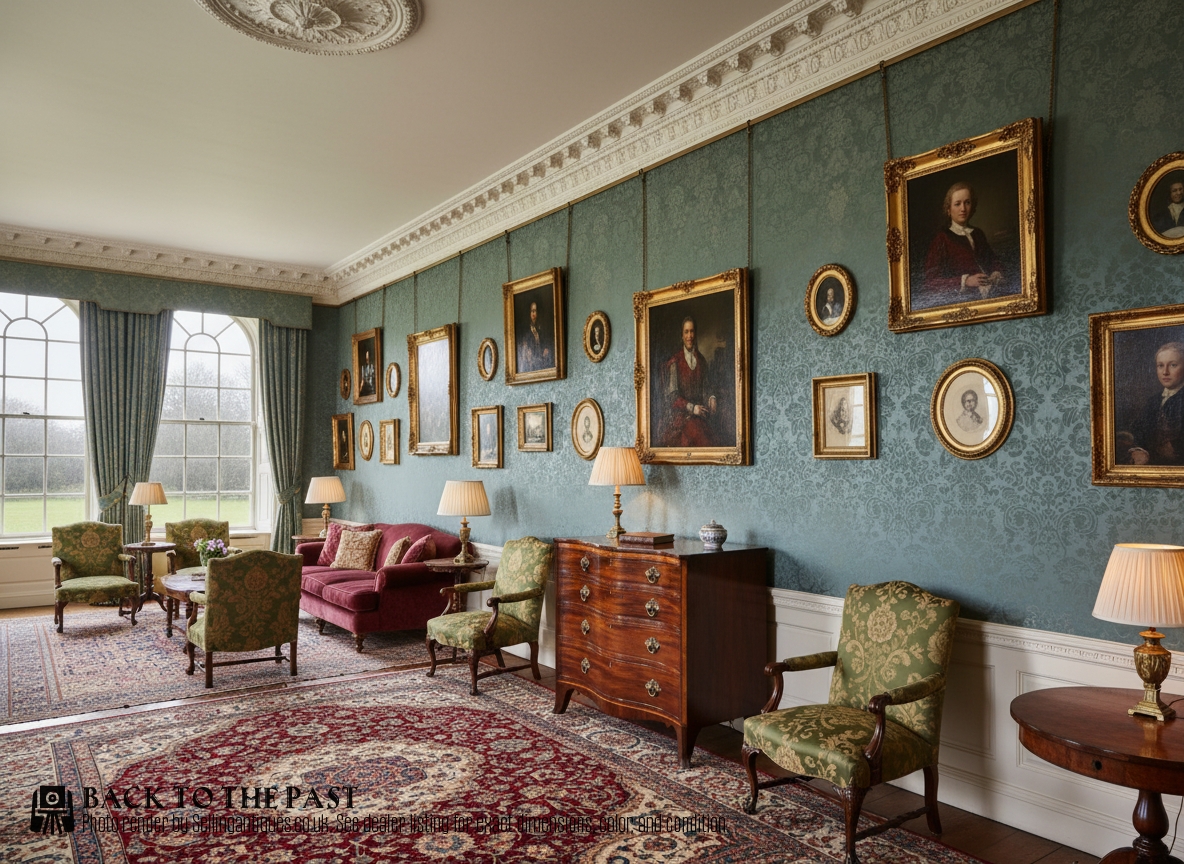
Eighteenth Century Chest Drawers
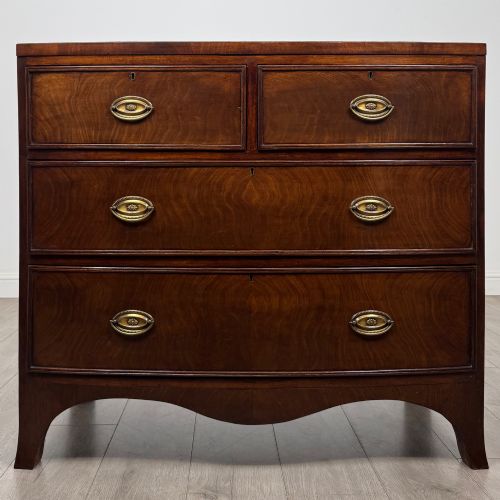
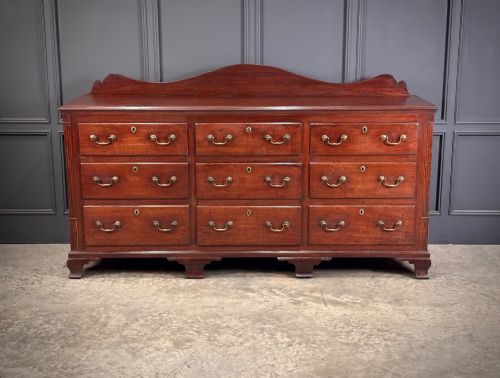
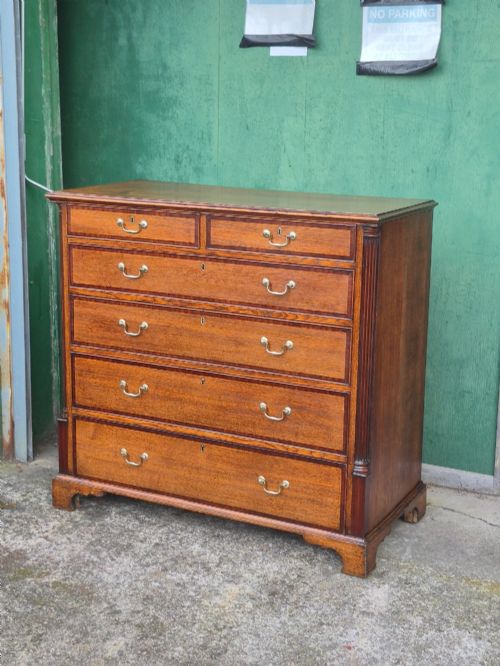
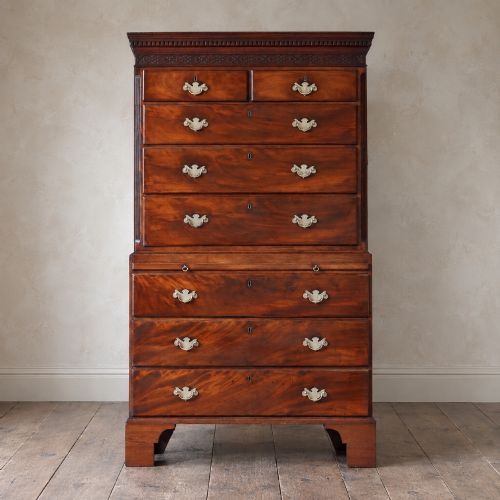
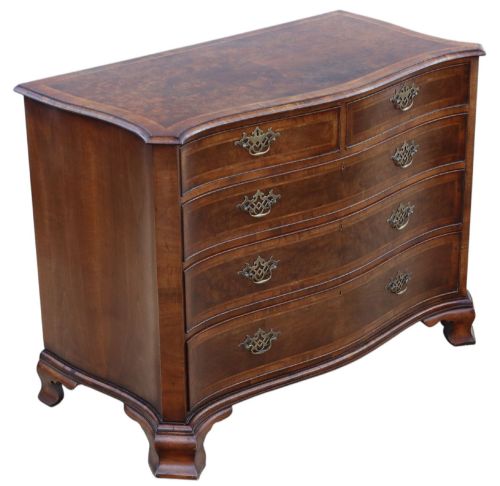
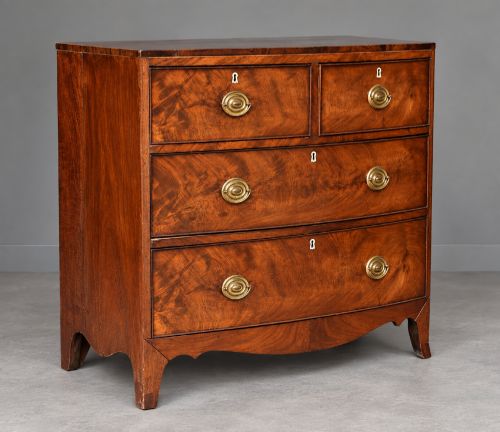
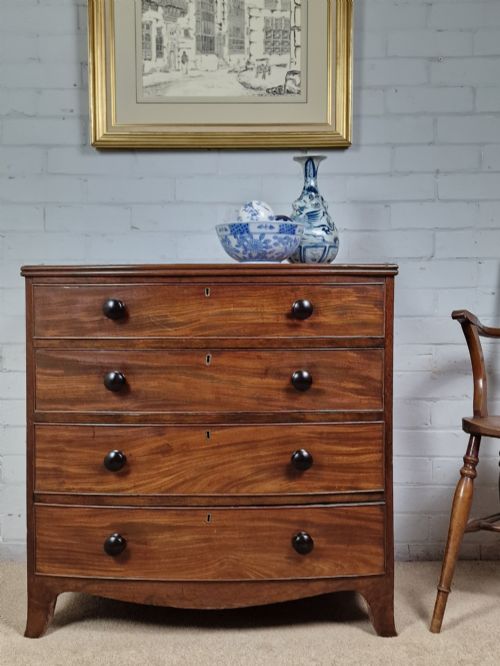
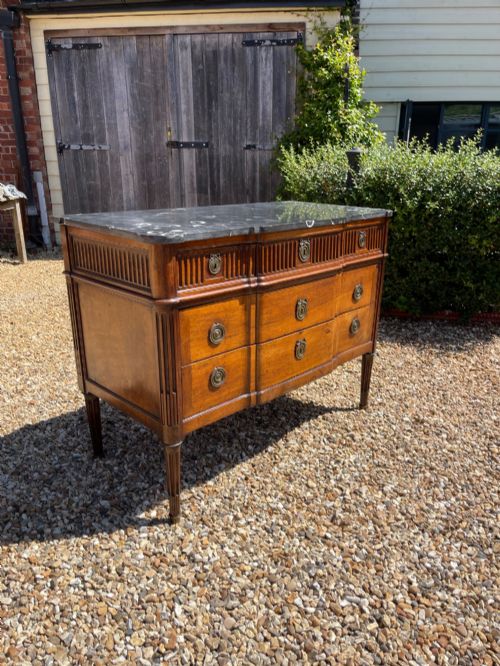
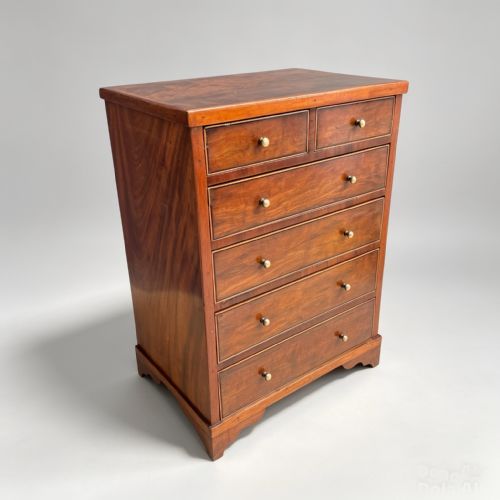
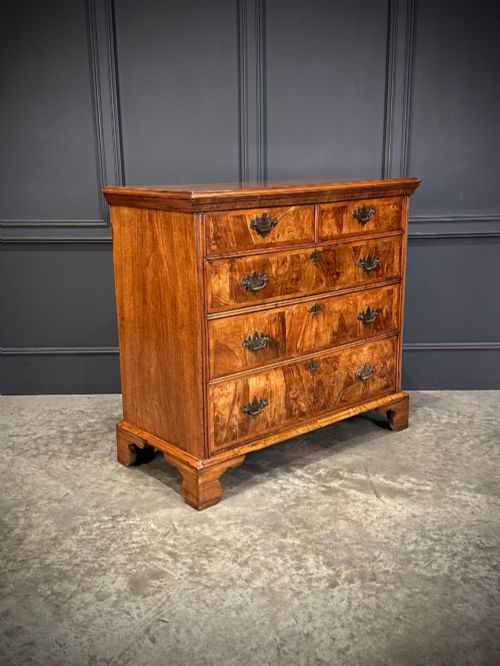
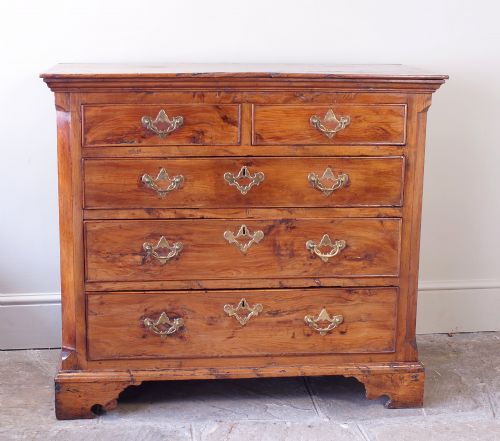
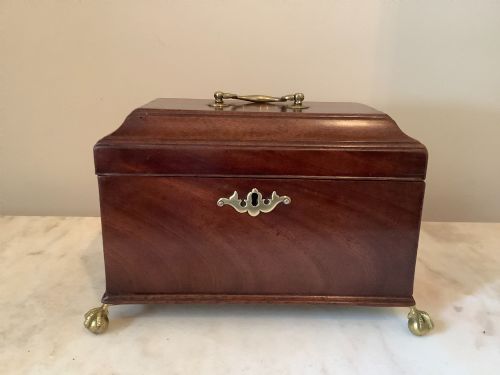
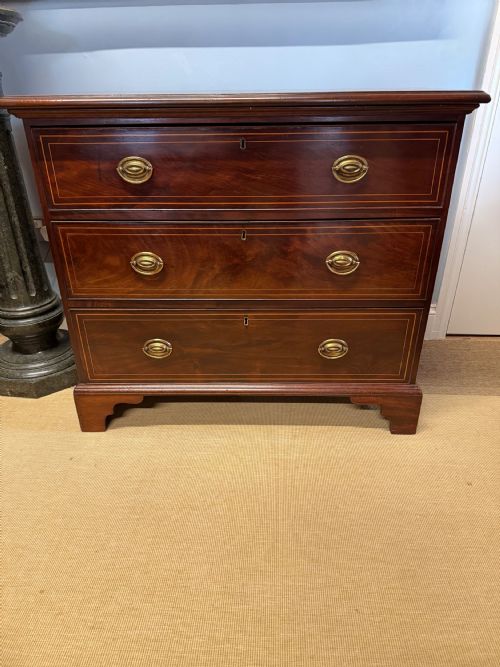
An eighteenth century chest drawers brings functional storage and period character into a room, with pieces ranging from straightforward oak and mahogany designs to elaborate walnut commodes and tall chests on chest. Buyers searching for an eighteenth century chest drawers will find straight-front, bow-front, and serpentine shapes across various regional styles.
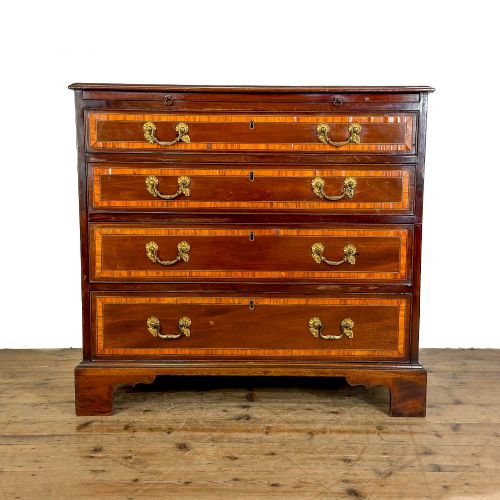
The pieces appearing here include standard drawer configurations, bachelor chests with pull-out slides, and larger cabinets on chests or chests on stands. Oak and walnut examples often show earlier country house origins, while refined mahogany items frequently date through the George III period.
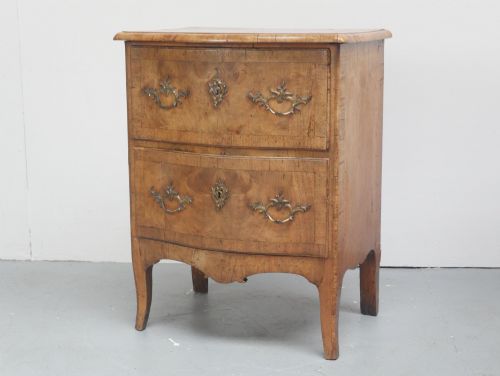
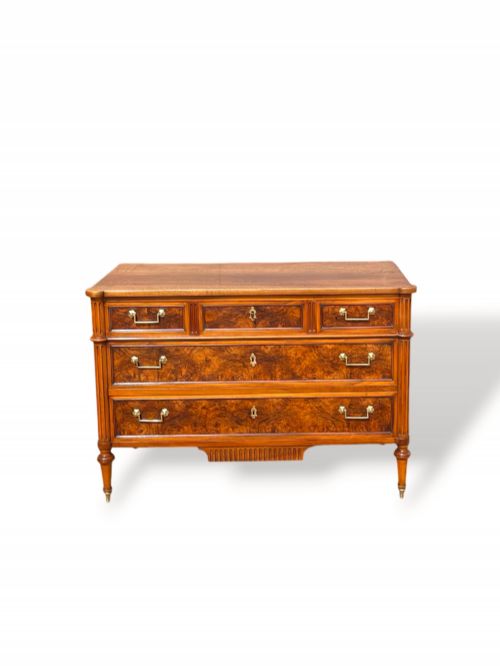
Smaller proportions, miniature furniture, and specific forms like the Dutch bombe or French provincial commode also appear within the selection. Each variant demonstrates the distinct joinery and timber choices of its origin, from English workshops to continental makers.
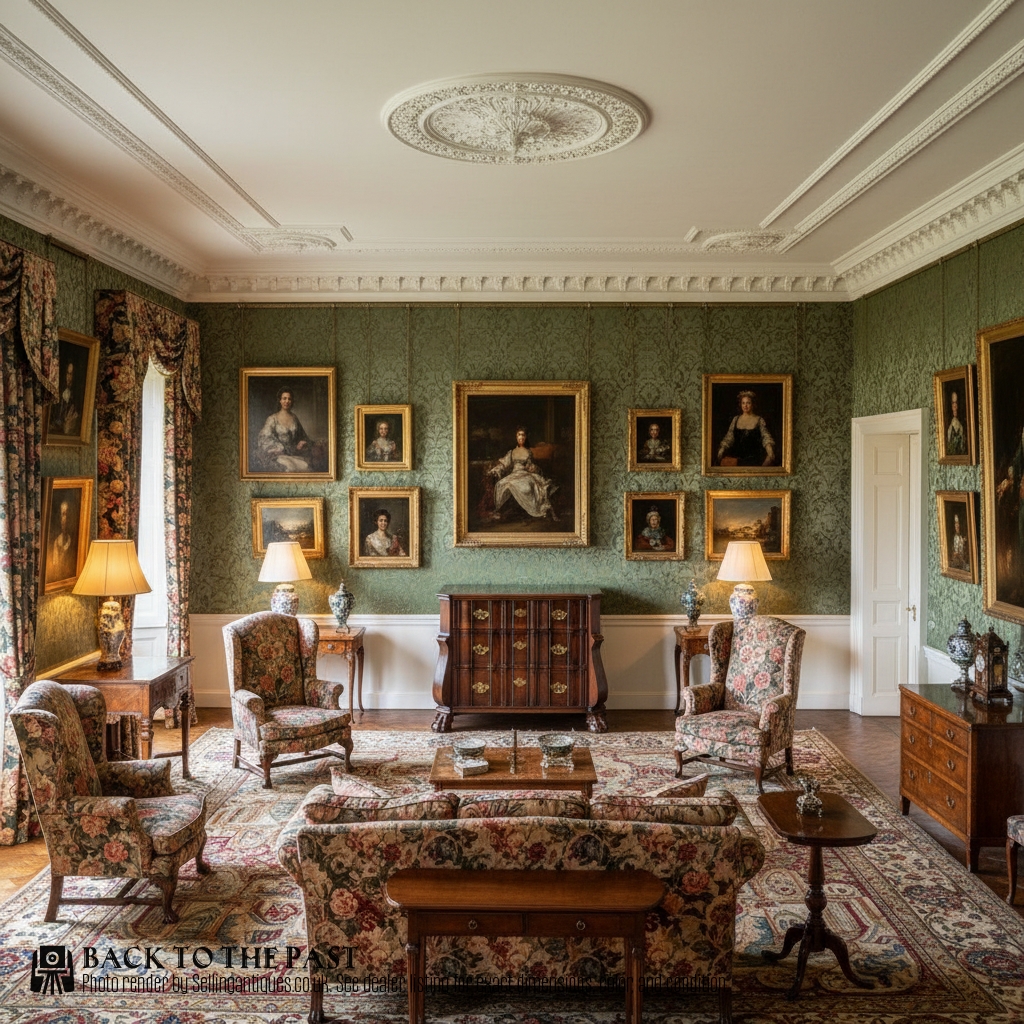
Materials and construction methods
Cabinetmakers built these pieces using solid timbers like oak, walnut, mahogany, and cherrywood, frequently applying burr walnut or satinwood veneers and crossbanding to primary surfaces. Drawer linings typically consist of secondary woods such as pine, whilst brass handles and escutcheons secure the drawer fronts.
Joinery techniques relied on hand-cut dovetails for drawer construction and pegged mortise and tenon frames for structural stability. Timber selection determined whether a piece received a clear polish to highlight figured grain or painted decoration.
Eighteenth Century Chest Drawers Retail Price Guide 2026
Typical asking prices for eighteenth century chest drawers among the pieces listed under this phrase on Sellingantiques today, from the lower quarter to the upper quarter. They describe what is for sale here now, not the wider market.
Listings feature mahogany, walnut, oak, and yew wood across Georgian, Regency, and French provincial styles.
Distinctions in quality
Quality rests in the selection of figured timber veneers, the precision of the hand-cut dovetails, and the survival of original brass hardware and surface finishes. Pieces featuring complex serpentine or bombe shaping require advanced woodworking skill compared to straight-front carcases.
The integrity of the internal drawer construction and the harmony of the proportions dictate the standing of a piece within its period. Original timber movement and honest patination carry more weight than heavy restoration.
The Eighteenth Century Chest Drawers Glossary
- Serpentine
- A front profile curving outward in the centre and inward at the sides. This contour demands precise shaping of both the drawer fronts and the framing.
- Crossbanding
- A strip of veneer applied perpendicularly to the grain of the main surface. It frames the drawer fronts or top boards with a contrasting border.
- Commode
- A decorative chest of drawers, often applied to continental European or French provincial forms. The term denotes a low chest designed for domestic chambers.
- Chest on Chest
- A tall storage unit formed of two stacked carcases, with a smaller upper section resting on a wider base. It is also known regionally as a tallboy.
- Brushing Slide
- A pull-out shelf integrated into the chest above the top drawers. It provided a clean surface for writing or brushing clothes.
Eighteenth Century Chest Drawers: Frequently Asked Questions
How do I identify a genuine period piece?
Examine the timber shrinkage, hand-cut dovetails, and secondary woods inside the drawers to confirm age.
Original backboards, drawer linings, and surface patination provide further confirmation of eighteenth-century manufacture.
What is the difference between oak and mahogany chests?
Oak pieces generally date to earlier periods or country house contexts, displaying robust construction and visible grain.
Mahogany became predominant later in the century, allowing for finer carving and polished finishes.
How should I care for antique wood furniture?
Keep wooden pieces away from direct heat sources and drastic humidity changes to prevent timber splitting.
Apply traditional wax sparingly and polish gently with a soft cloth to maintain the finish.
Where were these chests originally used?
These pieces served primarily in bedrooms, dressing rooms, and formal parlours for storing linens and personal items.
Examples with brushing slides also functioned as temporary writing desks in private chambers.