
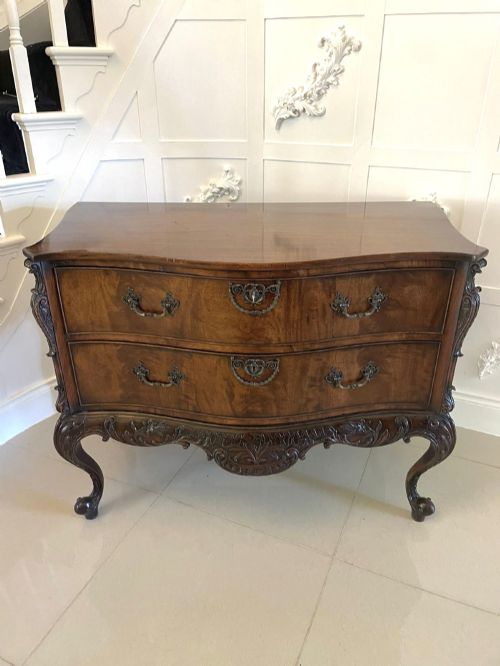
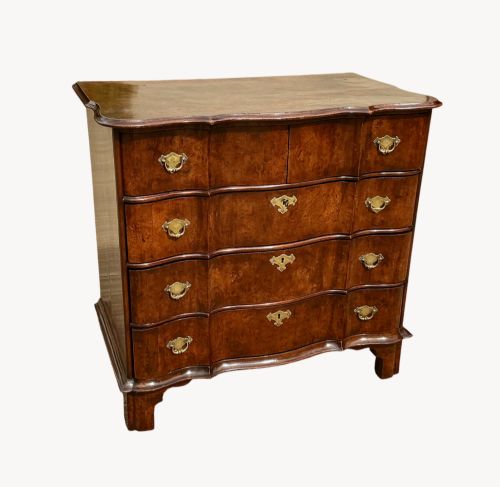
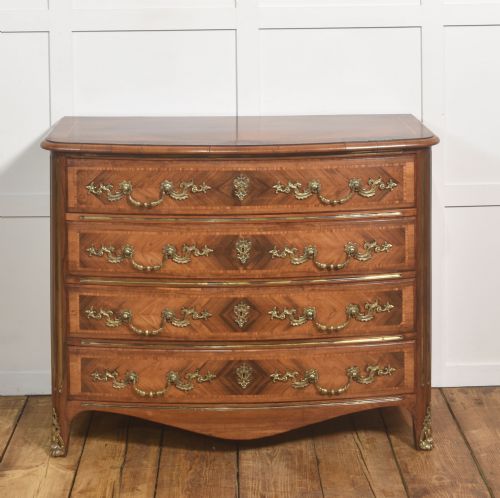
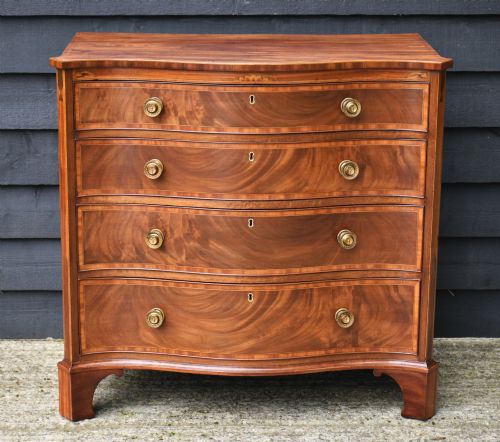
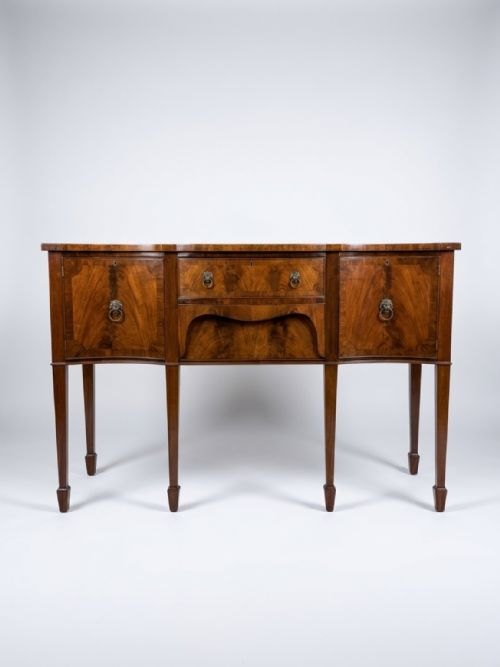
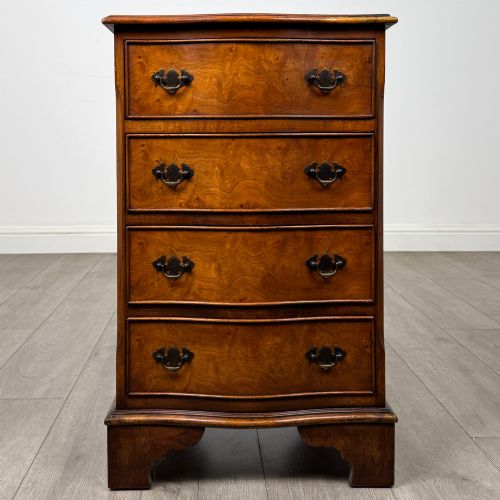
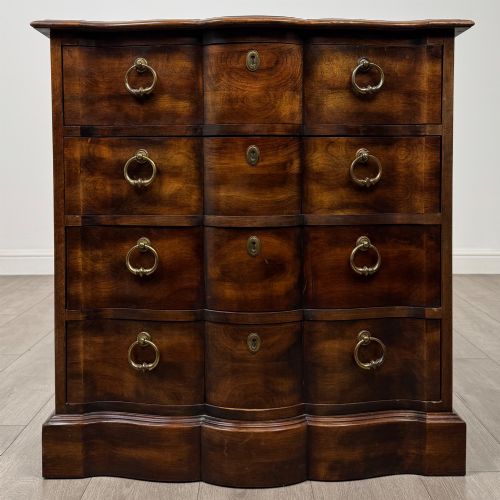
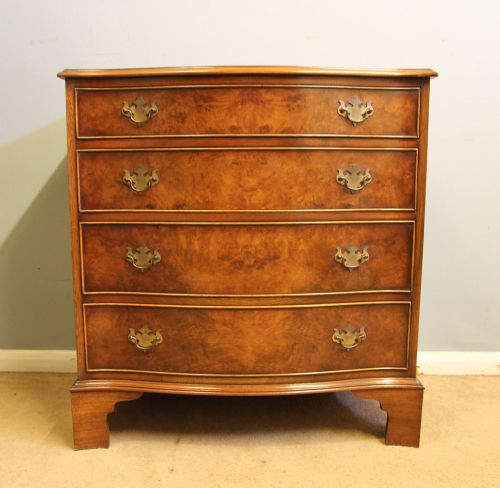
Serpentine Fronted Dresser
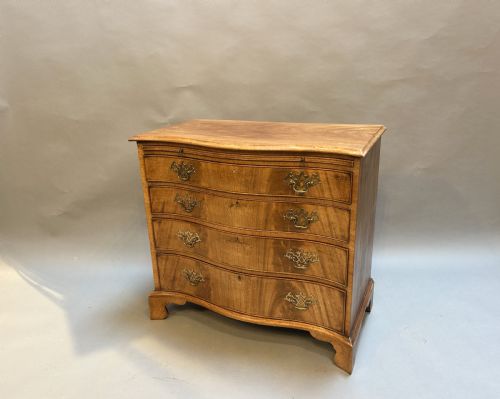
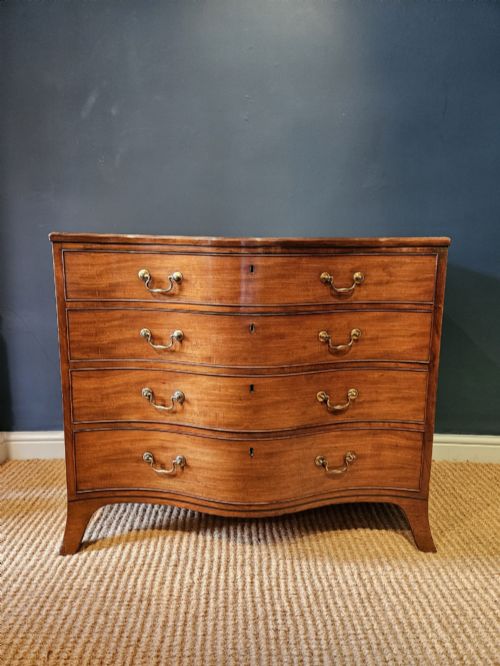
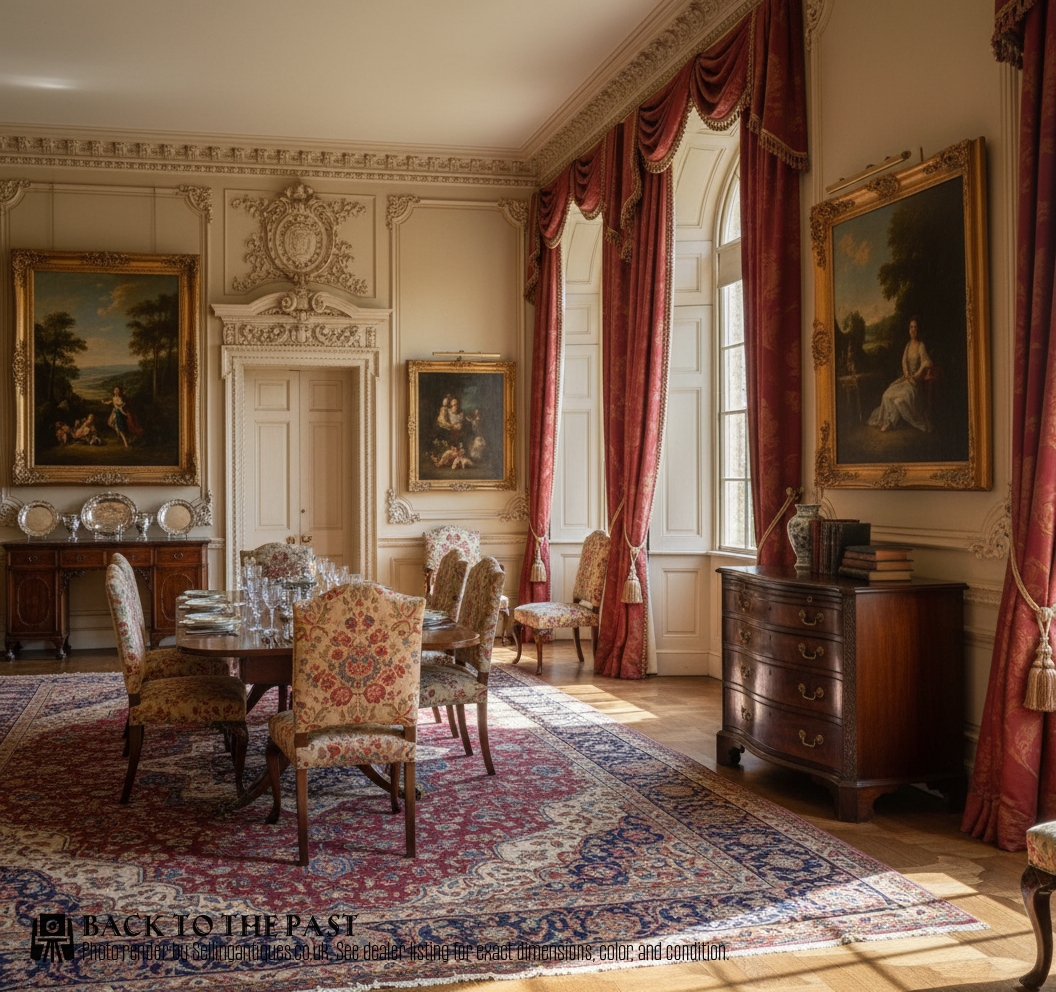
A serpentine fronted dresser brings fluid, undulating curves to storage furniture, offering a sculptural silhouette that commands attention in a room.
Serpentine Fronted Dresser
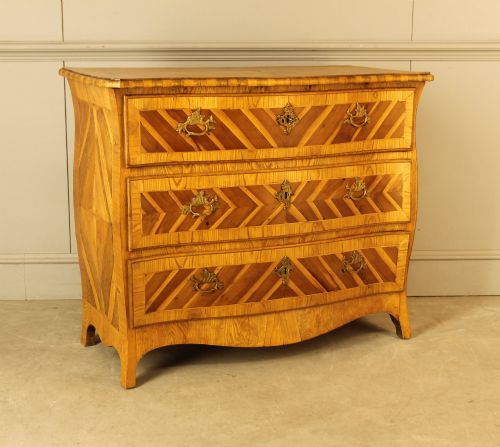
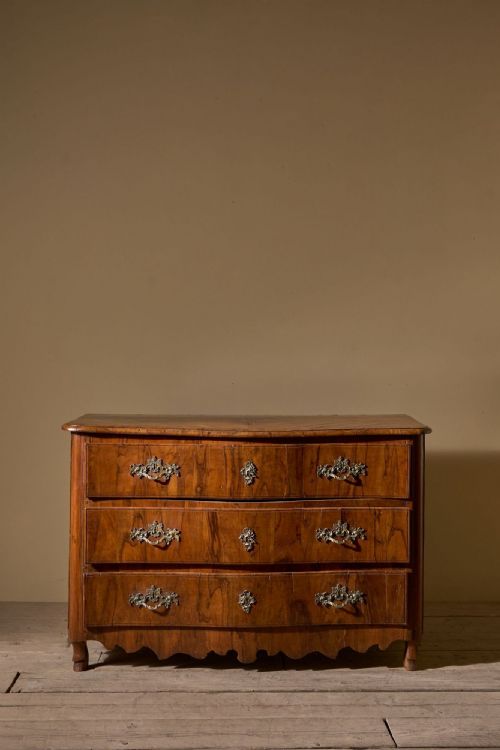
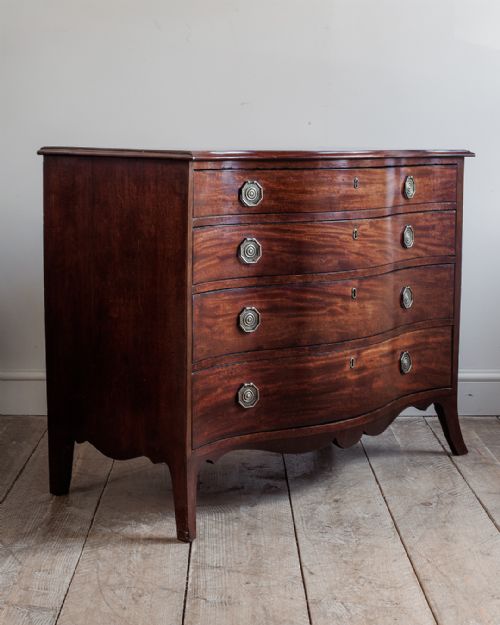
A serpentine fronted dresser encompasses case furniture with a sweeping, convex-concave-convex front profile, primarily taking the form of chests of drawers and sideboards. Pieces originate from the eighteenth century through to the twentieth century, covering Georgian, Victorian, Edwardian, and later revival periods.
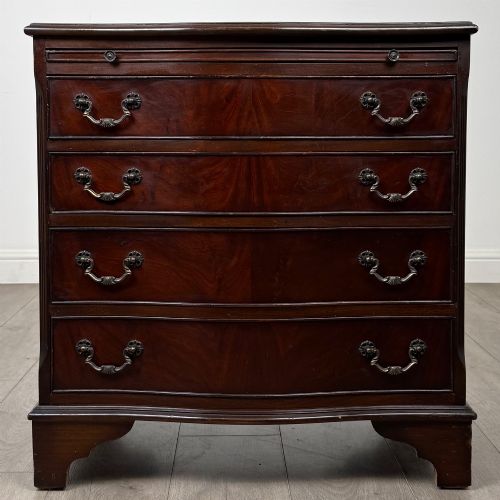
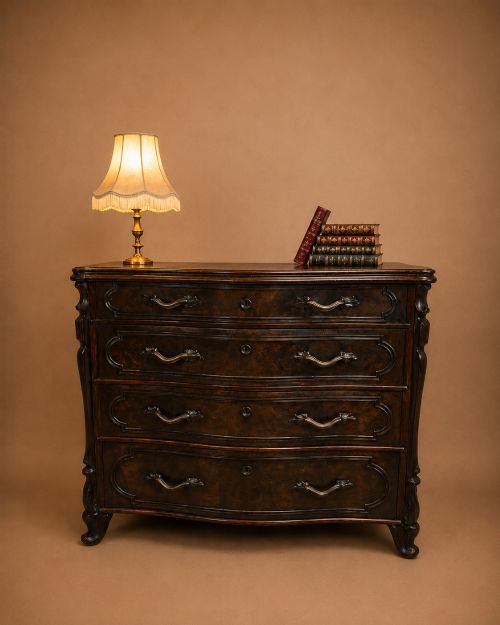
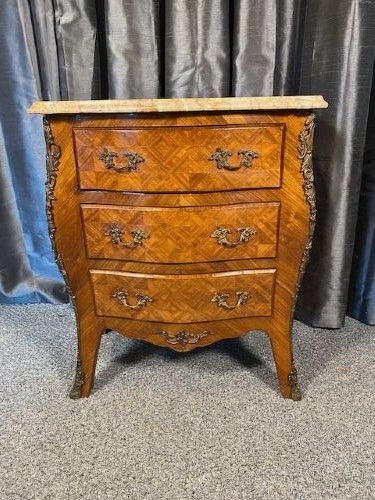
The most common examples encountered on this page are mahogany chests of drawers from the Georgian period and later revivals. Continental commodes in burr walnut, rosewood, and oak also appear, showing French, Dutch, and Swedish regional influences.
Forms range from compact four-drawer chests to larger commodes fitted with marble tops and intricate parquetry or marquetry inlay. Sideboards and pieces on stands expand the functional repertoire within the selection.
Assessing craftsmanship
The standard of timber selection and veneer matching defines the visual impact of the piece, particularly how grain patterns follow the complex curves of the drawers. Superior examples display seamless continuity in figured mahogany or burr walnut across multiple drawer tiers.
Structural integrity relies on the precision of the joinery used to maintain the curved drawer fronts and side panels over centuries. Refined carving, original brass mounts, and the integration of fitted interiors or marble tops elevate the standing of a piece within its period.
Listings feature pieces spanning the eighteenth to the twentieth century, encompassing Georgian, Victorian, and Edwardian eras alongside French Rococo styles.
The Serpentine Fronted Dresser Glossary
- Serpentine
- A front profile shaped with a central convex curve flanked by two concave curves, creating an undulating wave effect. This contour requires specialised woodworking skill to execute properly.
- Commode
- A low chest of drawers or cabinet, typically of French or continental origin dating to the eighteenth century. These pieces often feature elaborate marquetry and marble tops.
- Marquetry
- Decorative veneer work arranged in pictorial or geometric patterns using various coloured woods. It creates intricate surface designs across the front and sides of the furniture.
- Parquetry
- Geometric wood inlay forming repeating patterns such as cubes or chequers. This technique decorates the surfaces of continental commodes and cabinets.
- Ormolu
- Gilt-bronze mounts applied to furniture for decorative effect, commonly found on continental pieces. The metalwork is cast and chased before being gilded.
Serpentine Fronted Dresser: Frequently Asked Questions
What is a serpentine front?
A serpentine front is a cabinetmaking style where the front of the piece curves outward in the middle and inward at the sides. This rhythmic contour breaks the boxy outline of standard storage furniture.
Crafting this shape demands advanced woodworking techniques to ensure the drawers and frame align perfectly along the curved plane.
How do I date a serpentine chest?
Dating relies on timber selection, construction methods, hardware styles, and overall aesthetic proportions. Eighteenth-century pieces typically feature hand-cut dovetails and native timbers like mahogany or walnut.
Later revivals from the Edwardian period or the twentieth century often display machine-sawn elements and differing secondary woods inside the carcass.
Where should I place a serpentine sideboard?
A serpentine sideboard suits formal dining rooms, hallways, or living spaces where its sculptural profile can be appreciated from multiple angles. Placing it against a flat wall allows the curved facade to catch the light.
Ensure there is sufficient clearance around the piece so the protruding central curve is not obstructed by other furniture.