


Rich Brown Chest
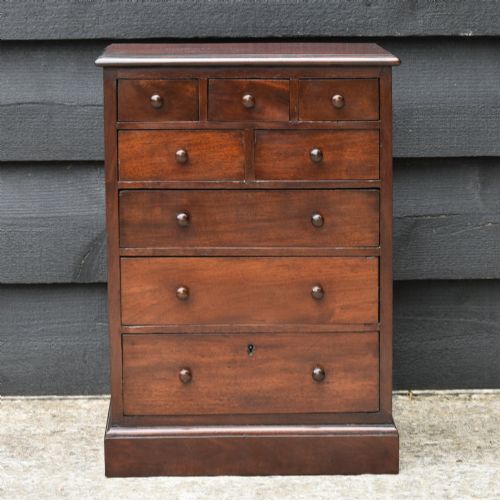
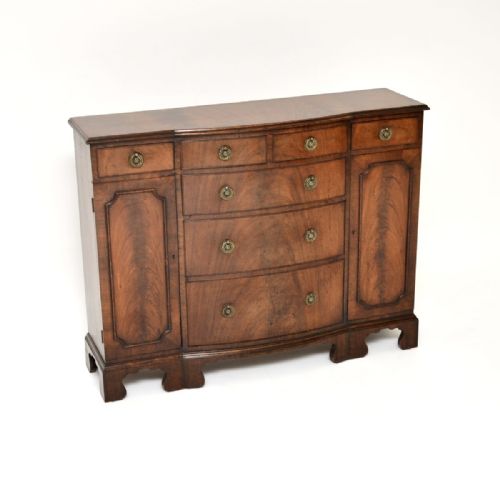
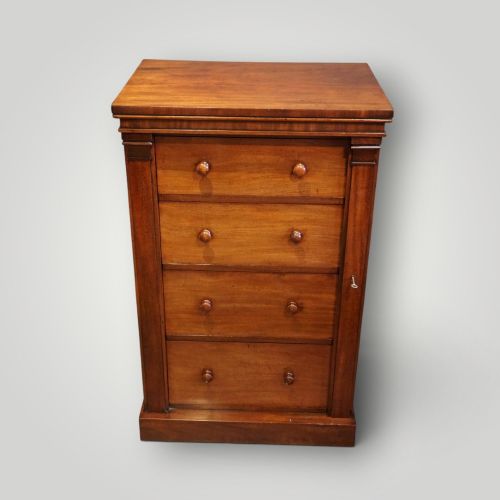
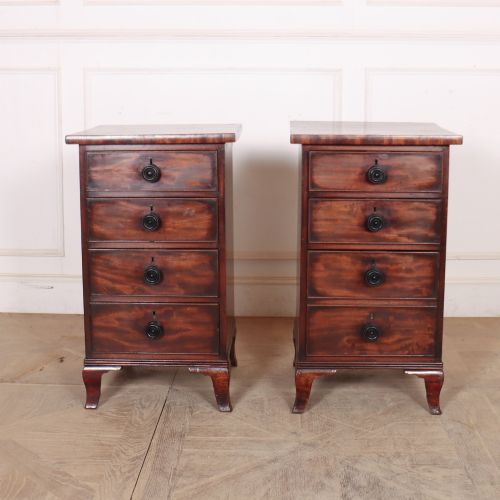
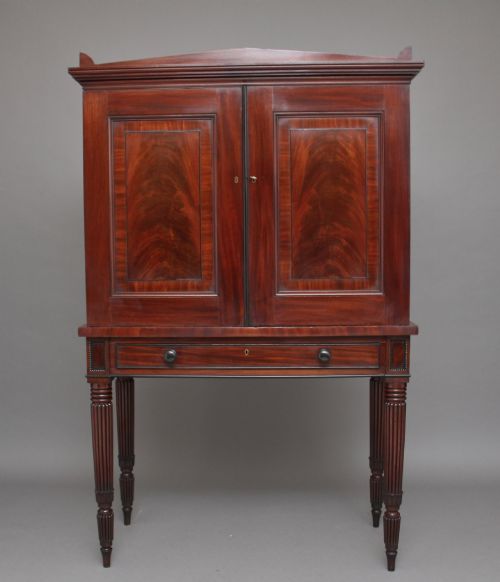
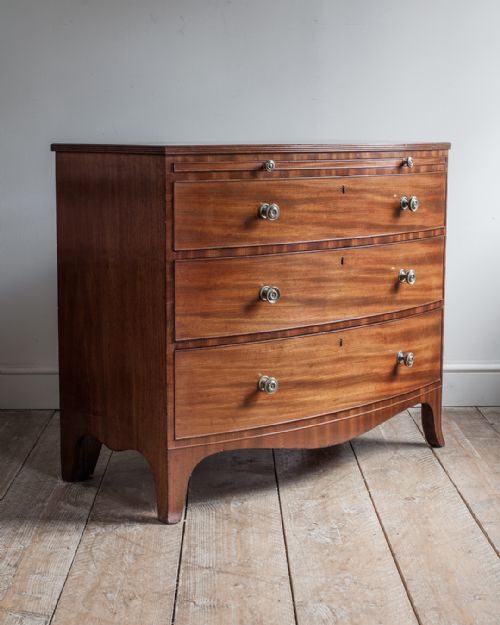
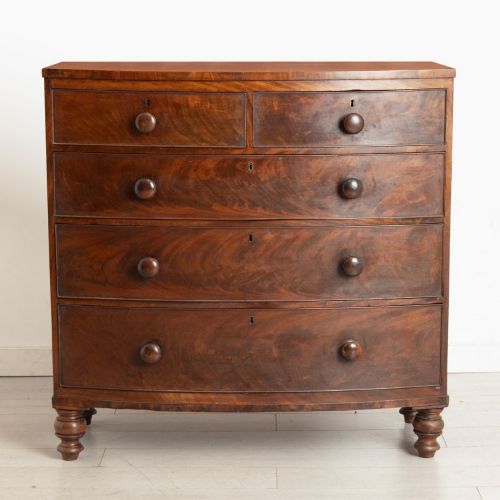
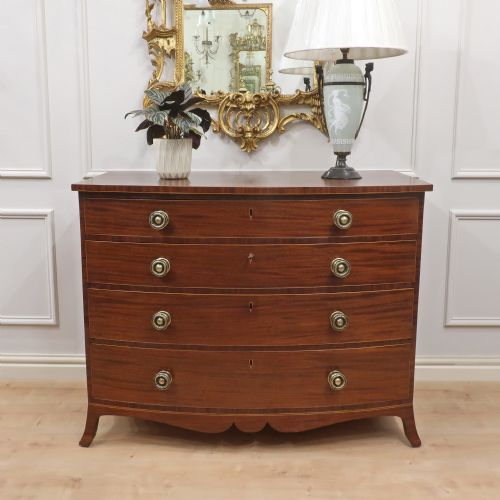
A rich brown chest brings deep timber warmth and practical storage to a room, ranging from compact Georgian bow fronts to tall Victorian Wellington pieces.
Rich Brown Chest
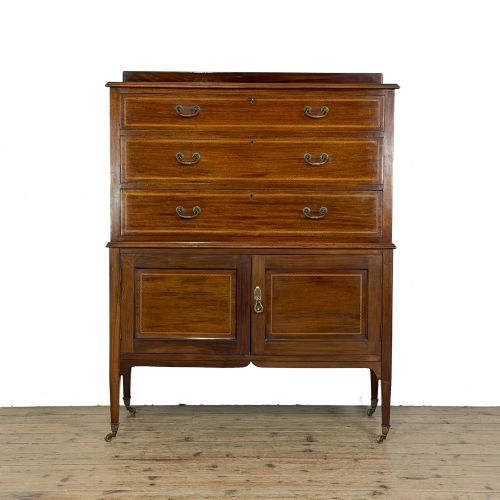
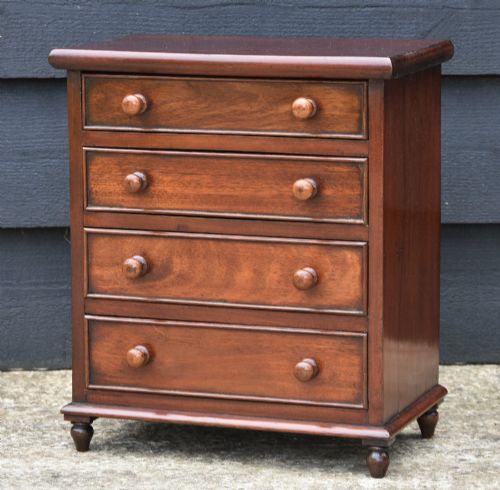
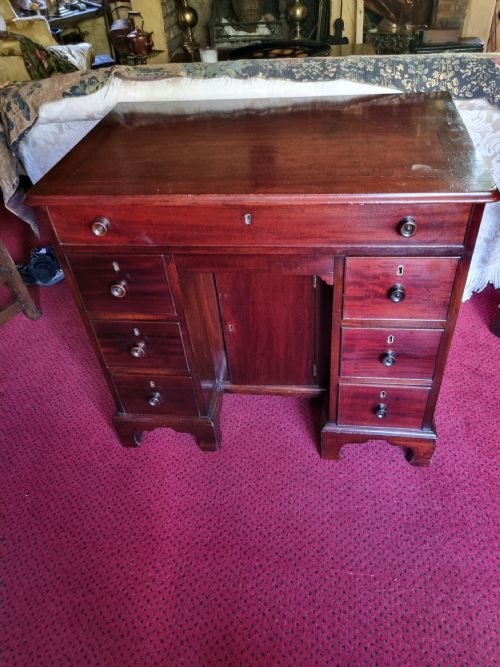
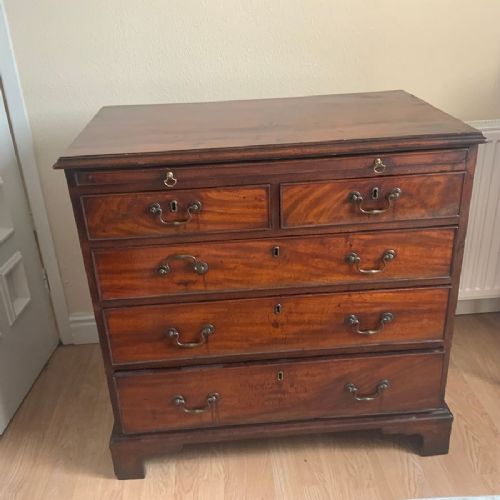
When searching for a rich brown chest, you encounter a variety of forms including chests of drawers, bow fronts, miniature apprentice pieces, and tallboys spanning several centuries.
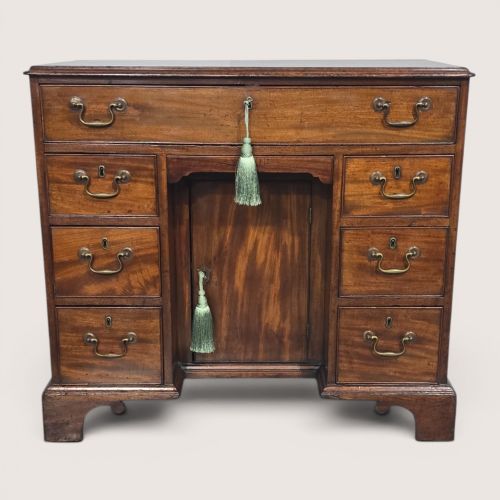
The most common examples on this page date from the Georgian and Victorian periods, constructed primarily in mahogany with rich figuring and deep patination.
These pieces served traditional domestic storage needs in bedrooms and reception rooms, varying from modest Scottish examples to large Lancashire dressers and serpentine designs.
Materials and construction
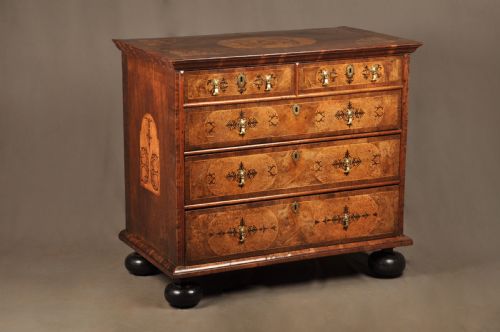
Makers utilised solid timbers and wood veneer, with mahogany dominating the selection alongside walnut, oak, satinwood, and amboyna for decorative effect.
Brass hardware such as drop handles, escutcheons, and bound corners feature prominently on Regency and Victorian iterations, while specialised items incorporate glass and bone details.
Some miniature chests were made by hopeful apprentices, proving their skill with tiny dovetailed drawers before graduating to full-sized furniture.
Assessing quality and craftsmanship
The distinction between standard and superior pieces rests on the choice of timber, particularly the presence of flame mahogany or intricate marquetry patterns.
Fine craftsmanship reveals itself in the precision of drawer linings, dovetailed joints, and the smooth operation of brushing slides and locking mechanisms on Wellington chests.
The Rich Brown Chest Glossary
- Bow front
- A convex curved cabinet or chest front popular during the Georgian and Regency periods. This shape softens the corners of a room and showcases figured mahogany grain.
- Wellington chest
- A tall, narrow chest of drawers secured by a hinged locking stile on one side. It typically contains multiple shallow drawers designed for secure storage.
- Brushing slide
- A pull-out shelf integrated above the top drawer of a chest or desk. It provided a temporary writing surface or space for brushing clothes.
- Tallboy
- A tall chest on chest where a smaller upper chest sits atop a larger base. This form maximises vertical storage capacity while maintaining a compact footprint.
- Apprentice piece
- A smaller scale model demonstrating a cabinetmaker's skill to achieve journeyman status. These miniature chests exhibit the same joinery techniques as full-size furniture.
Rich Brown Chest: Frequently Asked Questions
What is a Wellington chest?
A Wellington chest is a tall, narrow set of drawers featuring a locking side bar that secures all drawers simultaneously. Originating in the early nineteenth century, it offered a secure place for valuables.
These pieces are distinct for their vertical proportions, making them suitable for tighter spaces where standard chests will not fit.
How do I date a mahogany chest?
Dating relies on architectural styles, drawer construction methods, and hardware. Georgian examples often feature cockbeading around drawers and bracket feet, while Victorian versions showcase plinth bases and bolder proportions.
Examining the secondary timbers inside the drawer boxes also helps confirm the period of manufacture.
What is a brushing slide?
A brushing slide is a pull-out wooden shelf located just beneath the top surface or upper drawer of a chest. In historical interiors, it served as a surface for grooming or writing.
When closed, it sits flush with the cabinet frame, maintaining the clean lines of the mahogany facade.
How do I care for antique wood?
Antique timber benefits from stable room temperatures away from direct sunlight and heat sources, which can dry out the polish and wood. Regular dusting with a soft cloth preserves the finish.
Occasional application of appropriate wax feeds the grain and maintains the rich lustre without building up residue.
Are miniature chests practical?
Miniature chests, sometimes called apprentice pieces, offer functional storage on a smaller scale for desktop or tabletop use. They provide the character of larger furniture in compact rooms.
Collectors prize them for their detailed joinery and accurate replication of full-size period designs.