
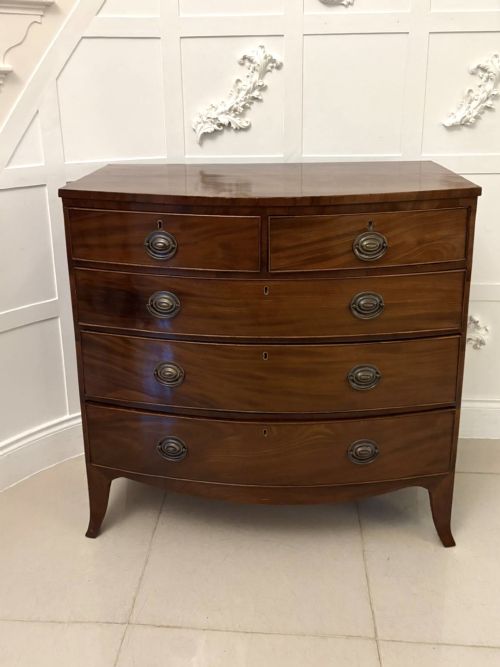
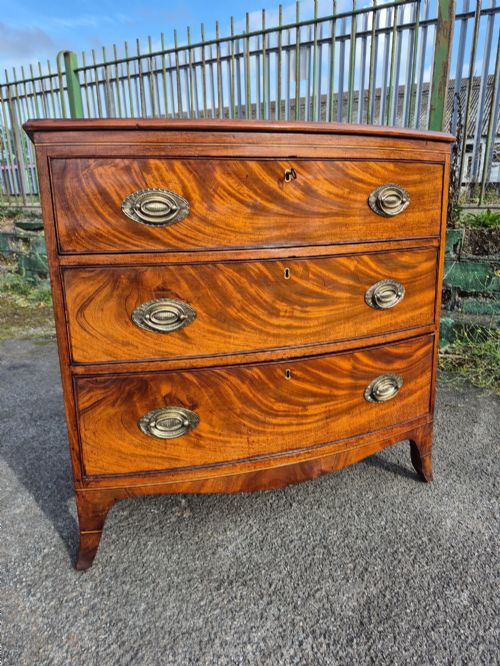
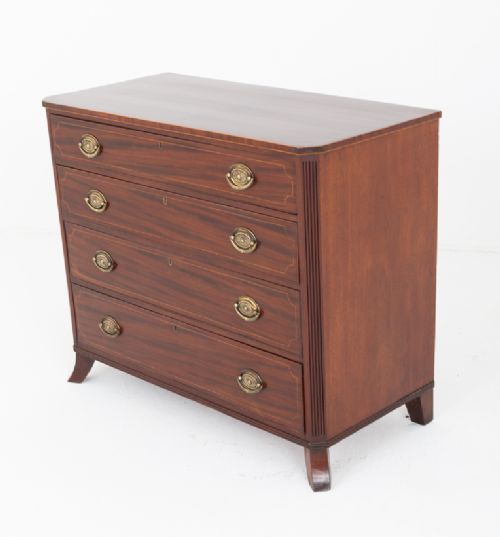
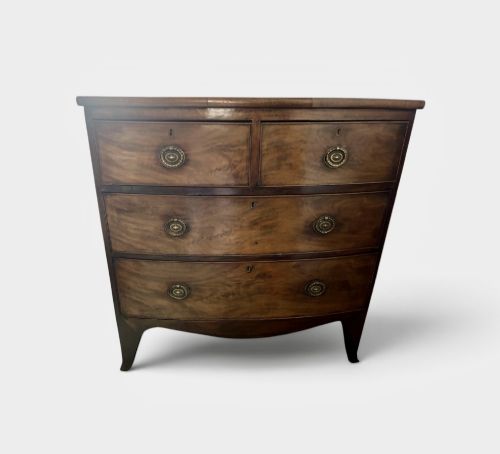
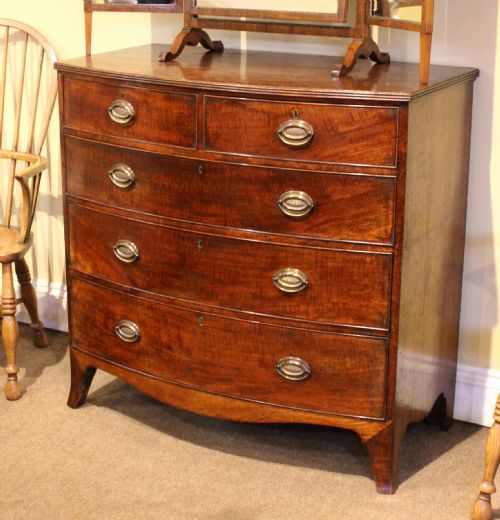


Georgian Splayed Foot Chest
A georgian splayed foot chest brings warmth and substantial storage to a room through rich timber and clean lines.
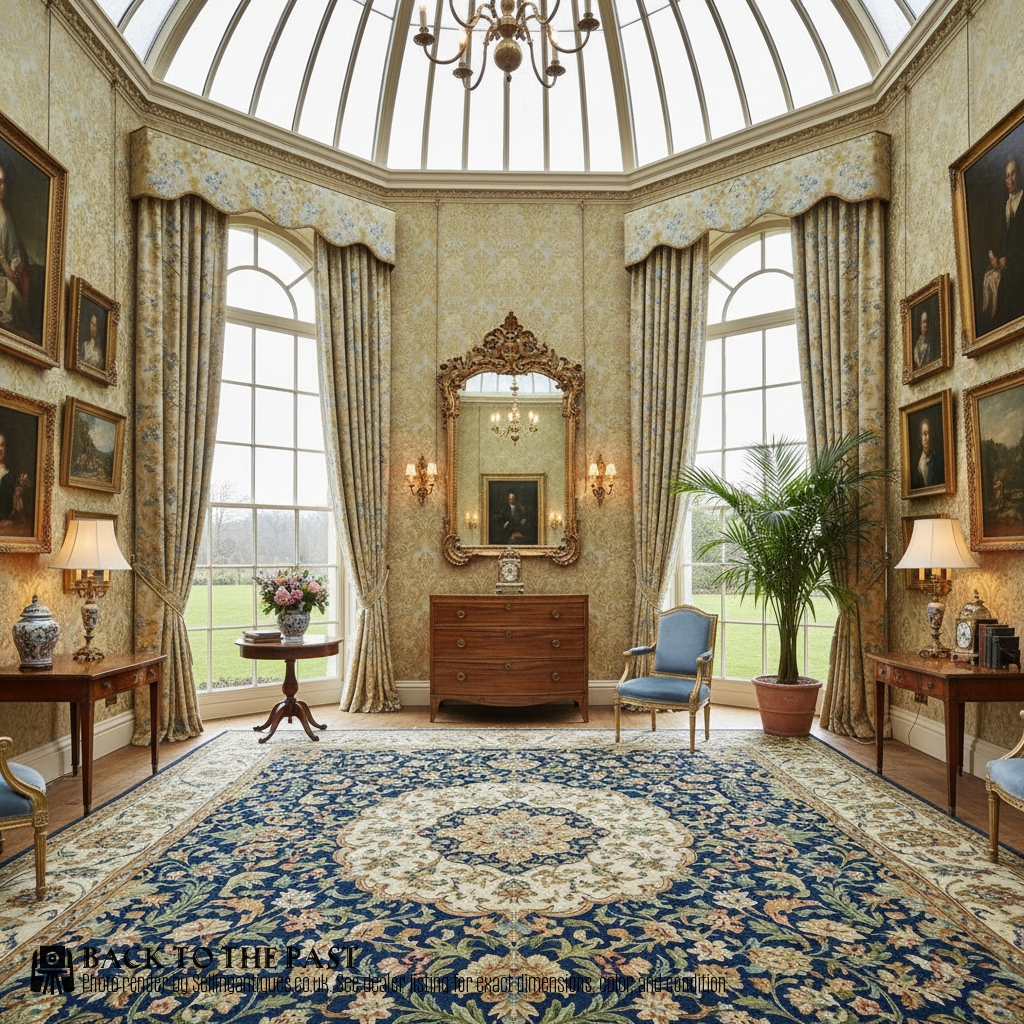
Georgian Splayed Foot Chest
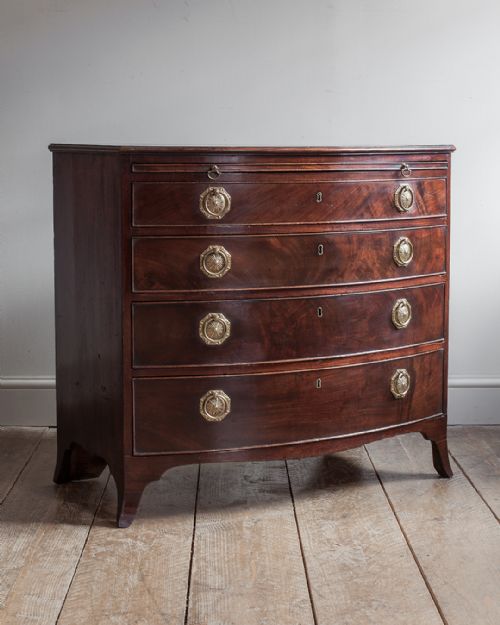
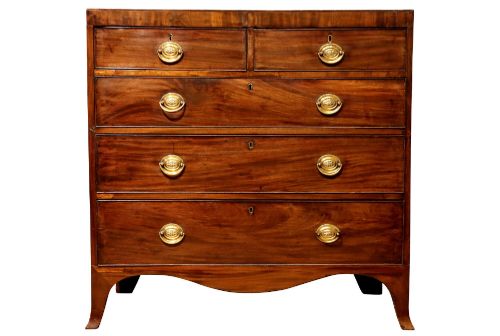
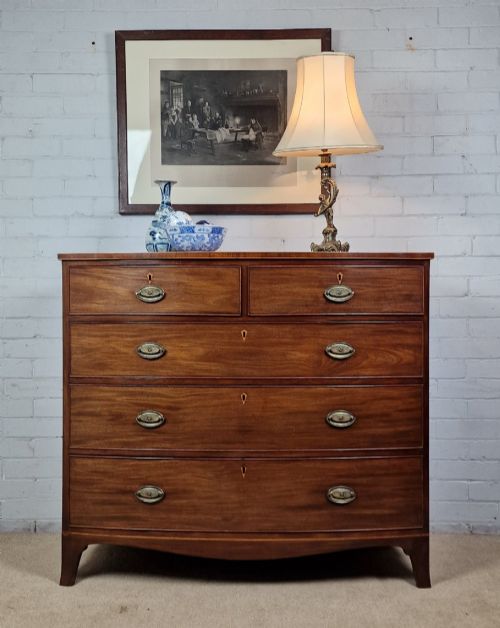
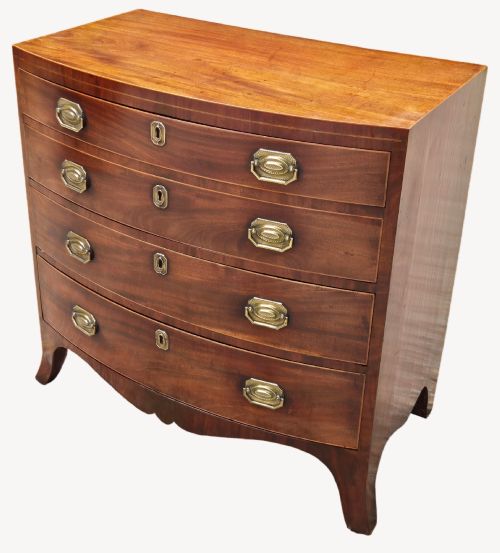
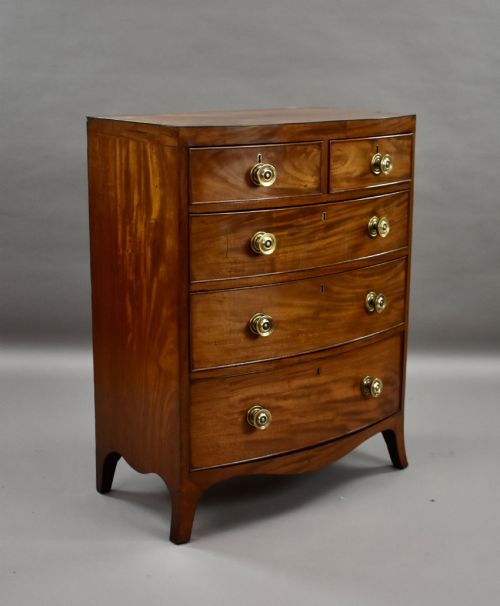
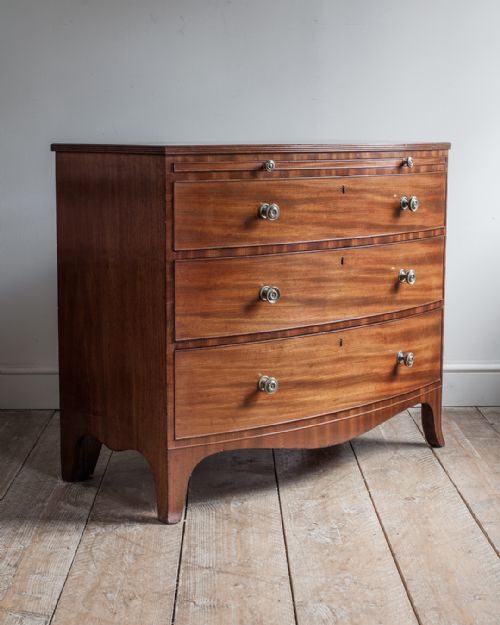
A georgian splayed foot chest is a sturdy timber storage piece designed with outward-slanting feet that lift the body from the floor. These items appear across periods spanning the eighteenth and nineteenth centuries, taking forms such as bow fronts, tallboys, and compact narrow chests.
Most examples found in these records belong to the Georgian and Regency eras, showcasing proportions built for domestic utility. Makers produced these drawer chests in both straight and serpentine outlines, housing multiple tiers for linen and garments.
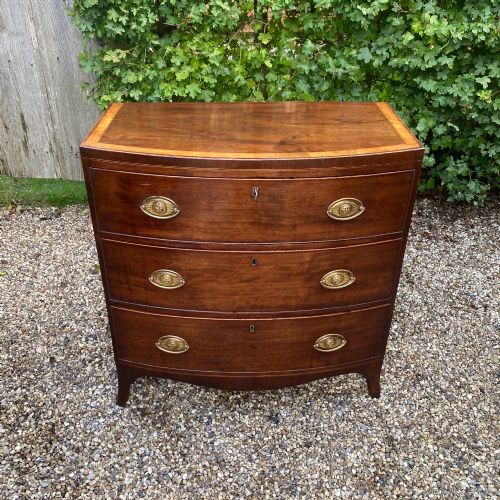
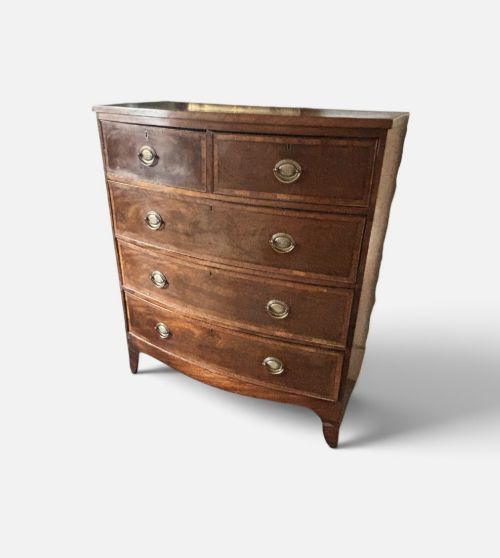
Makers shaped these storage items using regional traditions that favoured solid carcases and structured drawer arrangements. The surviving stock demonstrates a heavy reliance on bow front designs intended to soften room corners while retaining interior capacity.
Materials and Construction
Carpenters built the main carcases from solid mahogany, oak, and flame mahogany, often selecting timber with pronounced natural grain figures. They reinforced structural stability through tight joinery while incorporating secondary woods for drawer linings and backboards.
Surface decoration relies on contrasting veneers like satinwood, boxwood inlay, and boxwood lines to frame drawer edges and top boards. Brass fittings provide functional pulls and drop handles that complement the dark tones of the primary timbers.
The available inventory includes specialised forms such as tallboys, bachelors chests, and narrow bow front chests of drawers.
The Distinction of Execution
Superior execution shows in the crispness of the splayed feet and the precise alignment of drawer linings. Better workshops selected tightly figured flame mahogany and matched grain patterns across successive drawer fronts rather than mixing random boards.
Refined surface detailing involves delicate boxwood inlay and satinwood crossbanding executed with exact symmetry. Lesser pieces display simpler junctions and heavier timber thickness without the careful pairing of decorative veneers.
The Georgian Splayed Foot Chest Glossary
- Bow front
- A convex curved front profile that projects outward from the centre, common on chests from the Georgian and Regency periods. This shape softens the room layout while increasing internal drawer volume.
- Splayed foot
- A support leg that angles outward from the base of the furniture piece, providing a stable stance and a lighter visual feel. These feet appear on various late eighteenth and early nineteenth century chests.
- Crossbanding
- A strip of veneer applied perpendicularly to the main grain direction along the border of a top or drawer front. Craftsmen utilised contrasting timbers like satinwood for this decorative framing.
- Tallboy
- A tall chest of drawers constructed in two stacked sections, placing a smaller chest atop a larger base. This form maximises vertical storage space in domestic chambers.
- Caddy top
- A tabletop style featuring a raised, moulded edge resembling the lid of a tea caddy. Carpenters shaped this profile from solid hardwood to finish the upper surface.
Georgian Splayed Foot Chest: Frequently Asked Questions
What is a splayed foot chest?
A splayed foot chest is a drawer unit featuring outward-slanting feet that raise the main carcase off the floor. These pieces provide deep storage while offering a distinct profile at the base.
They appear frequently in mahogany and oak across eighteenth and nineteenth century domestic settings.
How do I identify a Georgian chest?
Georgian chests are recognised by their solid timber construction, hand-cut dovetail joints, and characteristic proportions. They often feature brass drop handles and straightforward framing that prioritises function.
Later Regency variants introduced bow fronts and contrasting veneer inlays to the same basic form.
Where were these chests used?
These chests served primarily in bedrooms and dressing rooms for storing garments, linens, and personal items. Their manageable height allowed the top surface to hold mirrors or small decorative objects.
Narrower versions fit easily into smaller chambers or hallways without crowding the floor space.
Are bow front chests older?
Bow front chests gained popularity during the late eighteenth century and remained common through the Regency period. They are not necessarily older than straight-front chests from the same eras.
Maker preference and regional fashion dictated whether a chest received a curved or flat front.
What woods were used?
Makers relied heavily on mahogany, oak, and flame mahogany for the primary structure and visible surfaces. Satinwood and boxwood appeared frequently as decorative inlays and banding.
Secondary woods like pine or oak were standard for internal drawer boxes and back panels.