
18th Century Wood Chest
An 18th century wood chest brings centuries of cabinet-making skill into a room, offering both practical storage and deep historical character.
18th Century Wood Chest
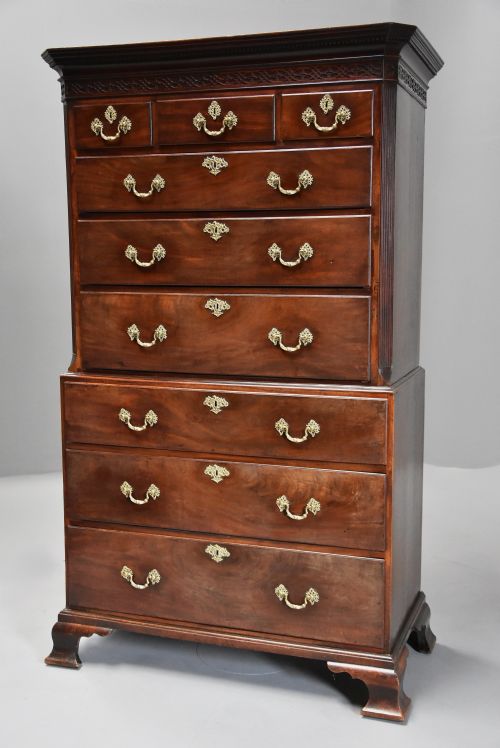
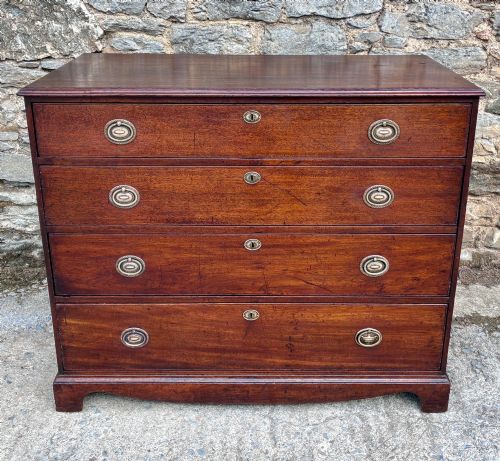
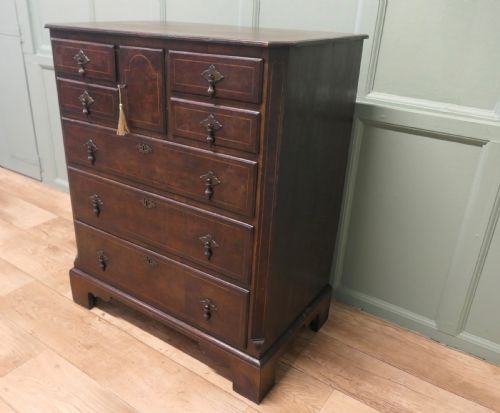
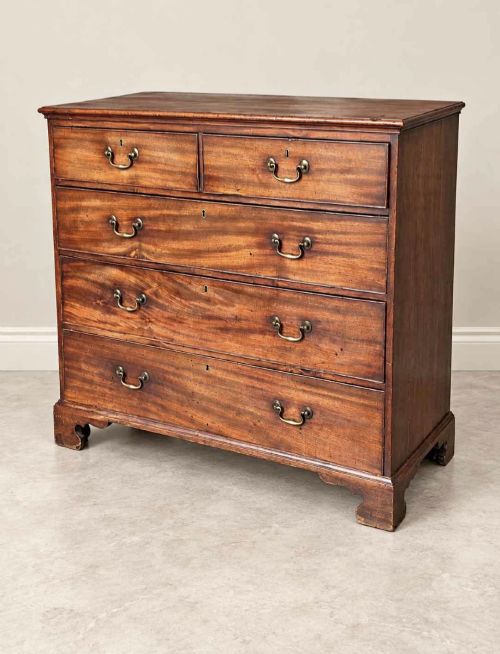
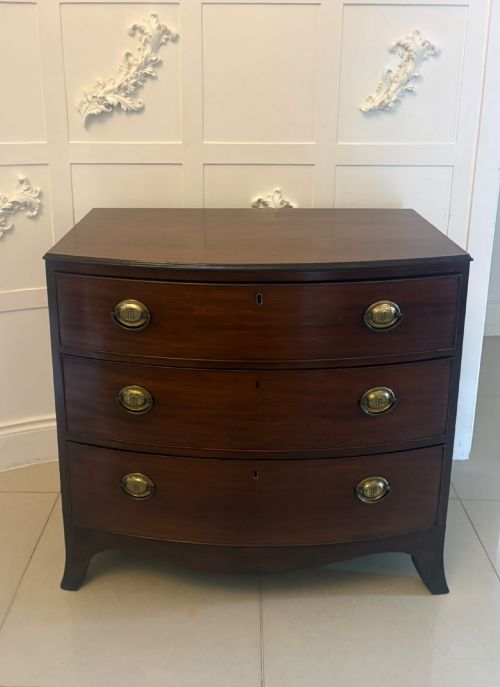
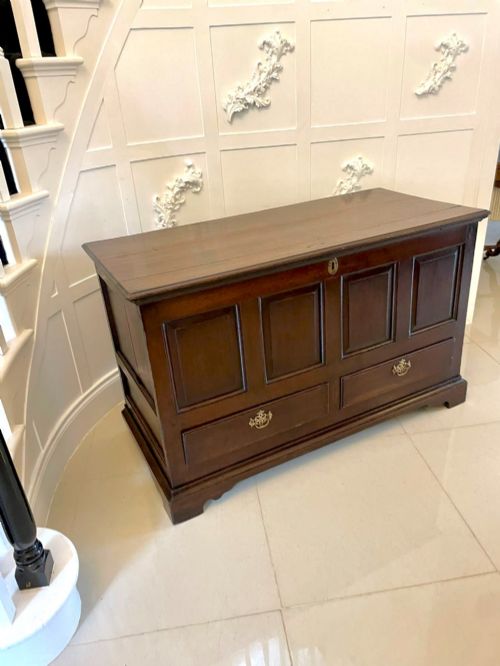
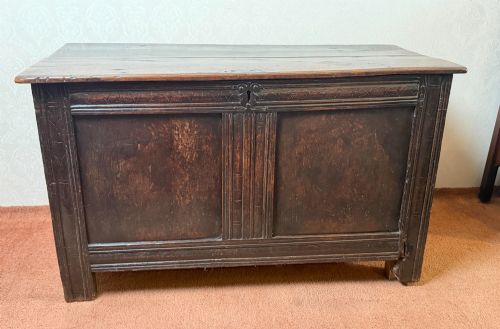
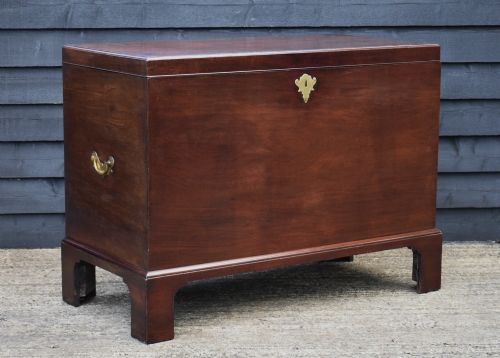
When searching for an 18th century wood chest, buyers encounter a diverse selection of period forms spanning simple boarded coffers to sophisticated chests of drawers and tall chests on stands. The pieces available reflect the domestic needs of Georgian and earlier households, serving for clothing, linens, and valuables storage.
Mahogany and oak dominate the surviving examples, alongside regional timbers such as walnut, elm, and yew wood. Many specimens date from the reign of George III, while earlier Queen Anne and George II pieces appear frequently among the listings.
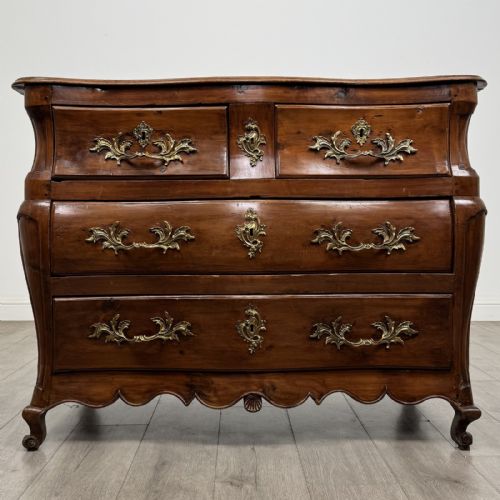
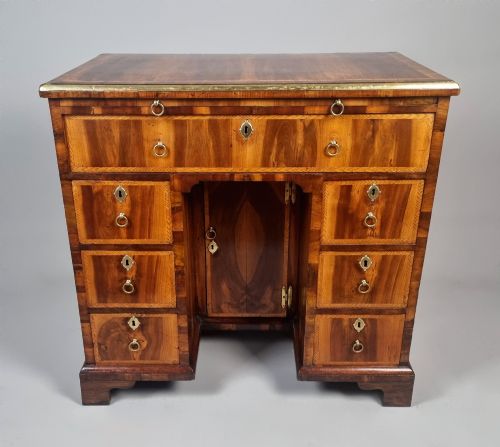
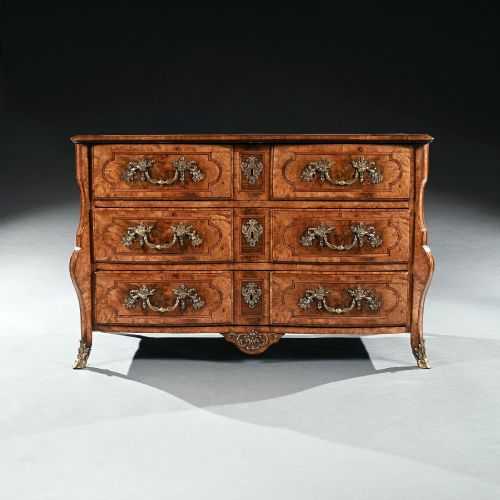
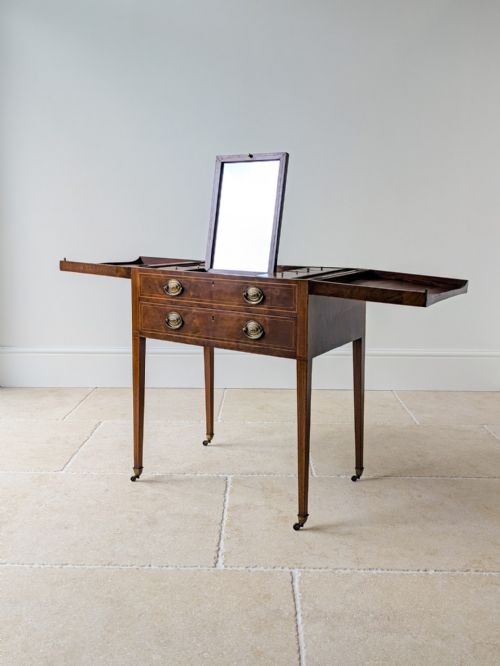
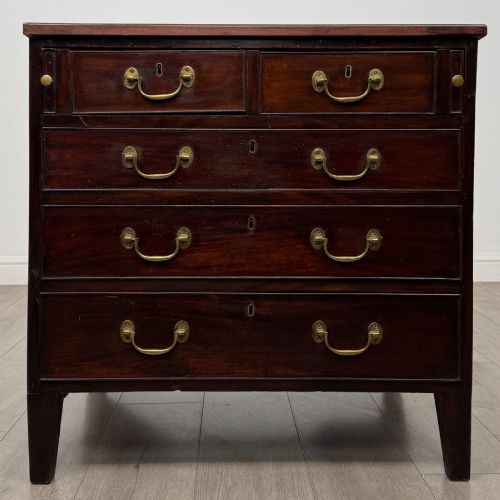
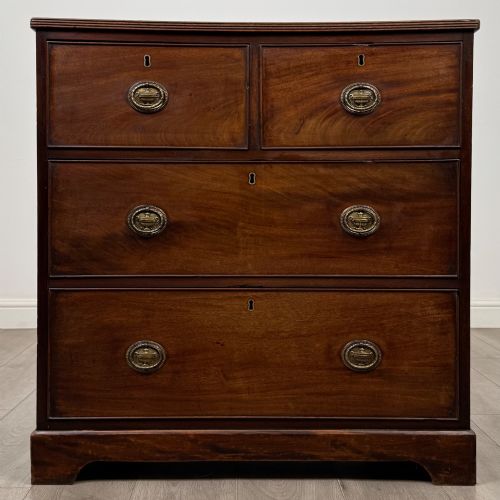
Storage forms vary widely from standard horizontal drawer configurations to specialised bachelor chests, bureau bookcases, and continental bombe commodes. Each type demonstrates the specific joinery and proportion typical of its regional workshop and period.
How they were made
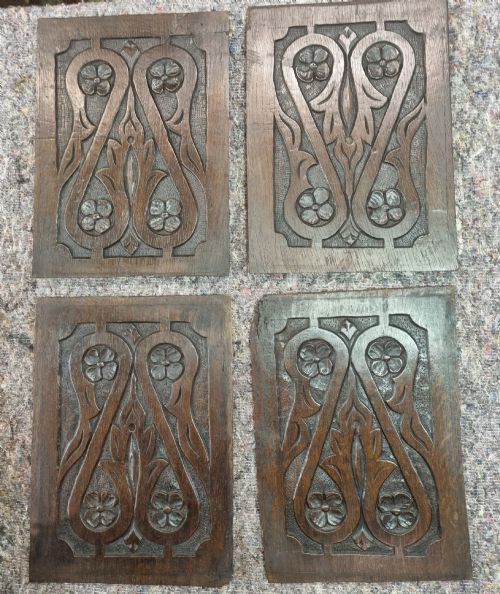
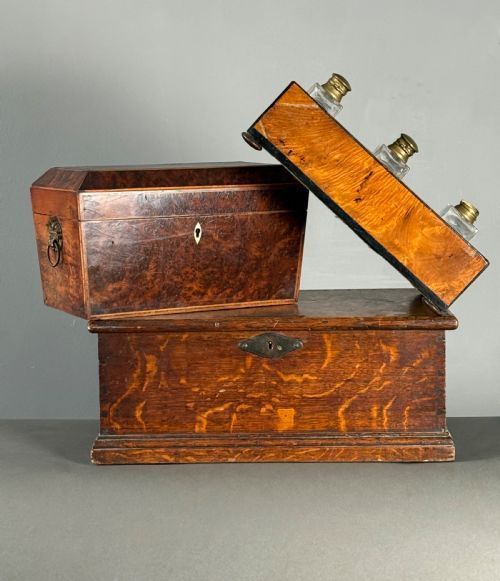
Cabinet-makers constructed these pieces using solid native and exotic timbers, often applying figured veneers like oyster wood, laburnum, and walnut over robust secondary woods such as oak or pine. Carved details, dovetail joints, and moulded cornices required specialised hand tools and patient framing techniques.
Surface decoration frequently included brass drop handles, escutcheons, and stringing lines in boxwood or ebony. Polish was achieved through shellac friction or oil finishes that highlighted the natural grain patterns of the timber.
Storage forms span traditional drawers, secretaires, commodes, mule chests, and elevated chests on stands.
What varies in quality
Quality rests on the selection of timber veneers, the tightness of the dovetail joints, and the retention of original brass hardware. Pieces retaining their period surface patination and unreplaced timber command greater interest among purists.
Proportion and execution separate standard domestic furniture from high-status commissions. Finer chests show careful grain matching across drawer fronts, precise inlay work, and uncompromised structural integrity within the internal framing.
The 18th Century Wood Chest Glossary
- Bumper chest
- A rounded or swelling drawer configuration often associated with continental cabinet work. It requires complex curved veneering techniques.
- Brushing slide
- A pull-out shelf integrated above the top drawers, historically used for writing or brushing clothes. It slides flush into the timber framing when not in use.
- Chest on stand
- A two-part form where a drawer chest sits elevated on a separate legged stand. This layout lightens the visual weight of heavy oak or walnut storage.
- Oyster veneer
- Circular cross-sections of branches or small trunks laid out in decorative patterns. This demanding technique creates repeating concentric grain rings across the surface.
- Serpentine
- A front profile defined by a convex centre flanked by concave curves. It demands precise hand-shaping of solid timber or veneer.
18th Century Wood Chest: Frequently Asked Questions
How do I date an 18th century wood chest?
Dating relies on examining construction methods, handle hardware, and timber choice. Hand-cut dovetails and native woods like oak typically suggest earlier periods, while mahogany and machine-rolled brasses point toward later decades.
Secondary woods inside drawers also offer clues, as regional workshops transitioned from softwoods to hardwoods at different times. Comparing structural framing to documented examples helps narrow down the decade of production.
Where were these chests originally placed?
These storage pieces stood in bedrooms, hallways, and formal reception rooms of period houses. Smaller drawer chests and bachelor chests served private dressing spaces, while large coffers held household textiles.
In grander settings, specialised pieces like bureau bookcases functioned as working desks and library storage. Their placement depended entirely on the daily domestic routines of the household.
How should I care for antique wood furniture?
Maintain stable indoor humidity and keep wooden chests away from direct heat sources and sunlight. Extreme temperature shifts cause timber to warp and historical veneers to lift from their carcases.
Apply microcrystalline wax sparingly to nourish the dry surface without building up sticky residues. Dust regularly with a soft, dry cloth to protect the historic polish.
What is the difference between a coffer and a chest of drawers?
A coffer is a deep box with a hinged lid opening from the top, representing an older medieval and 17th-century storage tradition. A chest of drawers introduces horizontal sliding tiers accessed via individual pulls.
Drawers allowed easier retrieval of folded garments without disturbing items stacked above. This shift in domestic design dominated the 18th century as living spaces became more compartmentalised.