




Georgian Sterling Silver Server
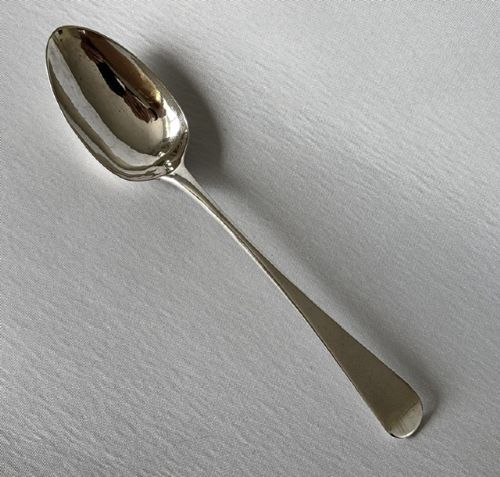
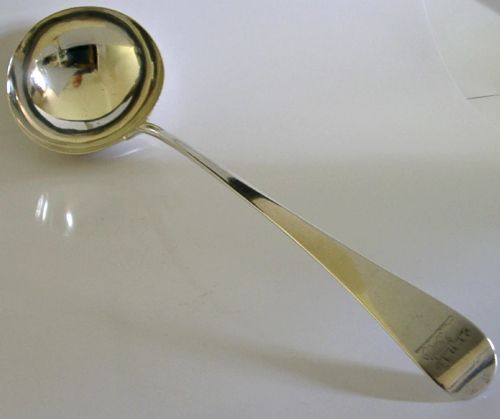
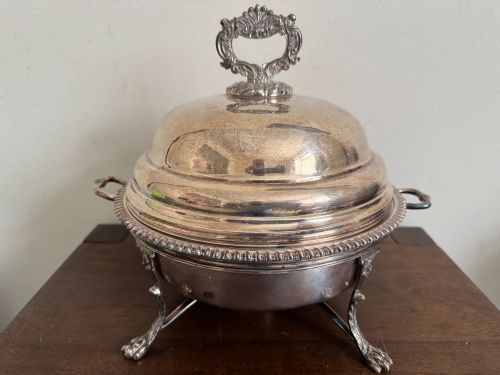
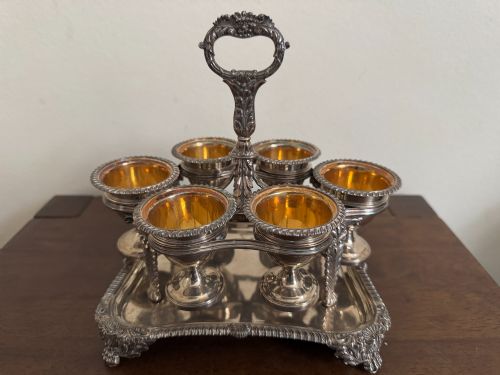
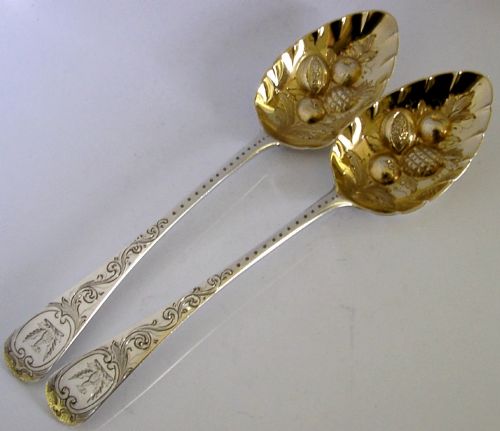
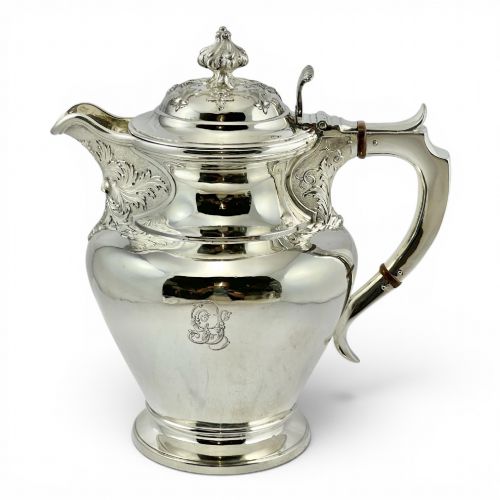
When you handle a georgian sterling silver server, you hold the weight and balance of centuries past in your hand.
Georgian Sterling Silver Server
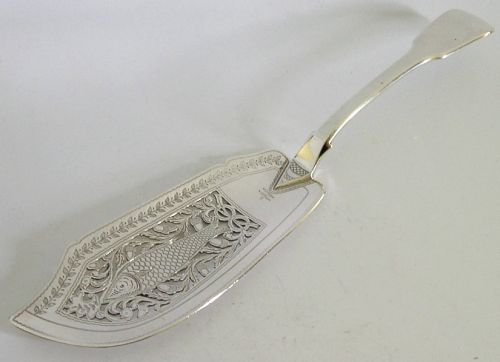
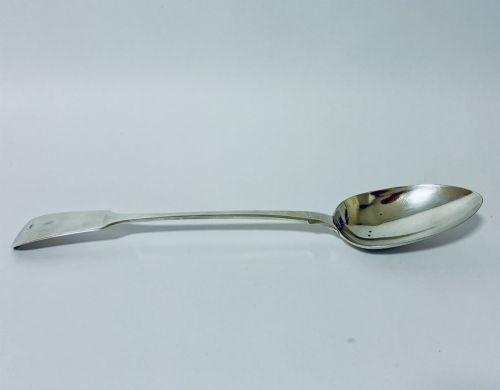
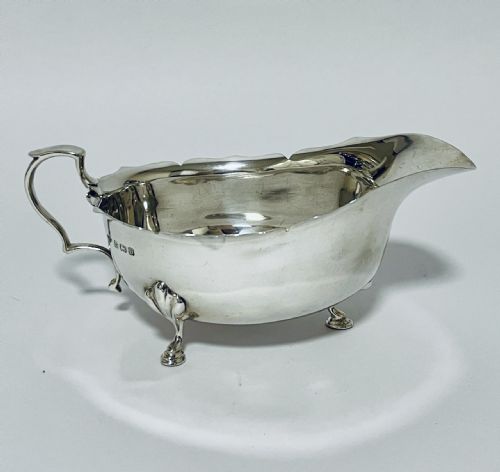
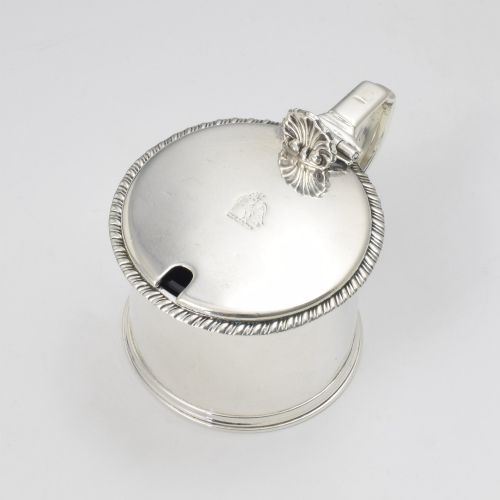
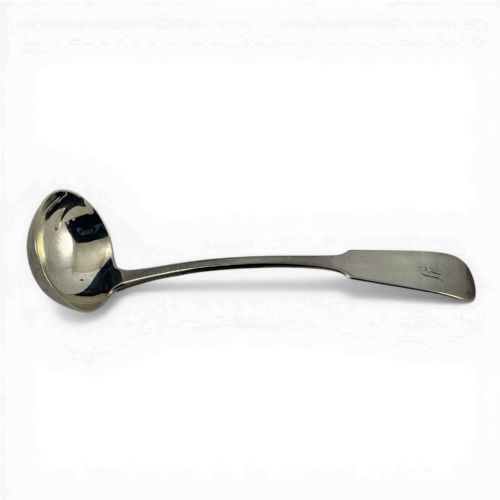
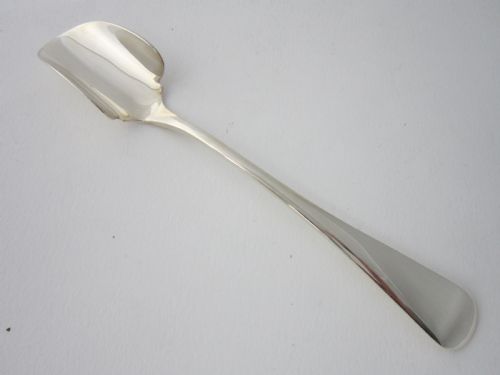
A georgian sterling silver server encompasses heavy fish slices, large ladles, and specialised serving utensils forged across the eighteenth and nineteenth centuries.
You are most likely to encounter fish slices, soup ladles, and serving spoons bearing hallmarks from the Georgian, George III, and George IV periods.
These forms span from simple domestic tableware to crested pieces designed for grand dining rooms and formal suppers.
Subtleties of Execution
The distinction between standard utility items and superior pieces rests on the crispness of chased crests, the depth of hallmarking, and the structural integrity of pierced blades.
Master silversmiths achieved a balanced weight and proportion that mark the upper tier of these historical implements.
Georgian Sterling Silver Server Retail Price Guide 2026
Typical asking prices for georgian sterling silver server among the pieces listed under this phrase on Sellingantiques today, from the lower quarter to the upper quarter. They describe what is for sale here now, not the wider market.
Peter and Jonathan Bateman·Hester Bateman·William Burwash·Charles Fox II·William Ferguson·Paul Storr·Thomas Daniell·Robert Hennell I
The Georgian Sterling Silver Server Glossary
- Sterling silver
- An alloy comprising ninety-two point five percent silver and seven point five percent other metals, chiefly copper, ensuring durability for functional tableware.
- Hallmark
- An official stamp struck into the metal indicating the maker, assay office, standard of silver, and date of manufacture.
- Fish slice
- A wide, flat server featuring a pierced blade designed specifically for serving fish at the dining table.
- Gilt
- A thin layer of gold applied to the surface of the silver, often seen on the interior of mustard pots or highlighting specific design elements.
- Crest
- An armorial engraving or applied family crest denoting the original lineage of the piece.
Georgian Sterling Silver Server: Frequently Asked Questions
What is a georgian sterling silver server used for?
These servers were created for specific culinary tasks at the dining table, including partitioning fish, ladling soup, and serving asparagus or gravy during formal meals.
Their substantial construction allowed them to handle heavy joints and delicate items alike with equal grace.
How do I identify a Georgian period piece?
Authentification relies primarily on the stamped hallmarks, which record the assay office, the monarch's head tax mark, and date letters corresponding to the reigns of the Georges.
Stylistic indicators such as fiddle pattern handles and hand-engraved family crests further confirm the era of production.
Can I use antique silver servers daily?
Solid sterling silver from this era remains durable enough for regular use, provided you wash it by hand using mild soap and store it away from harsh environments.
Avoid abrasive cleaners that wear away the antique engraving and soften the sharp edges of pierced blades.
Why do some servers feature wood or ebony?
Makers incorporated wooden handles to provide a comfortable grip and to prevent heat transfer when the metal portion interacted with warm food.
These organic additions introduce a dark visual contrast against the bright polish of the sterling silver.