


Antique Irish Silver Cutlery
Antique irish silver cutlery brings the refined craftsmanship of Georgian Dublin straight to the dining table.
Antique Irish Silver Cutlery
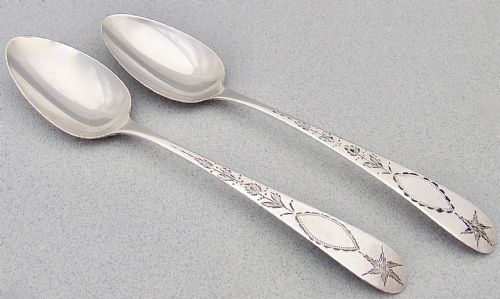
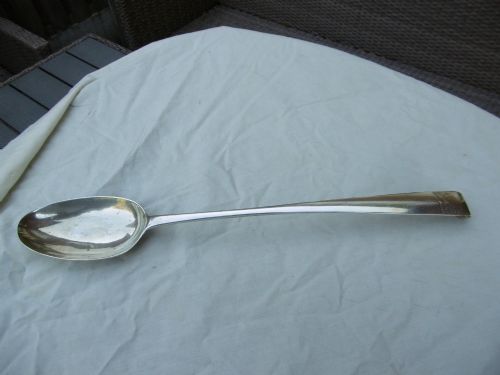
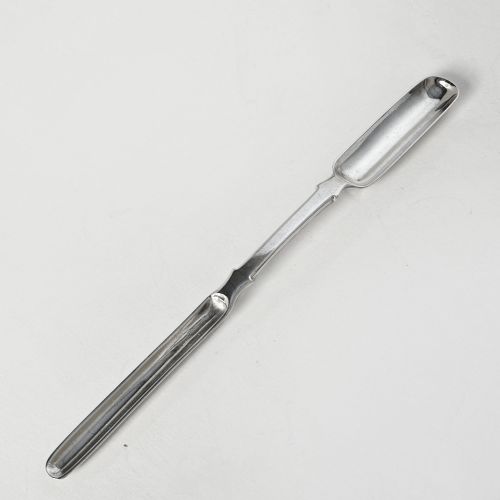
Antique irish silver cutlery comprises functional dining implements from the eighteenth and nineteenth centuries, including basting spoons, marrow scoops, fish slices, and dessert spoons. These items originate predominantly from the Georgian period, reflecting the distinct output of Dublin silversmiths working in sterling silver.
Buyers will most commonly encounter eighteenth-century spoons and serving utensils on this page, often bearing traditional patterns such as Celtic Point, Hook End, Fiddle, or Old English. The selection captures a period of high domestic entertaining where specialised silver tools were essential for the dining room.
How they were made
These items are fashioned from sterling silver, hammered and shaped by hand into forms like marrow scoops and basting spoons. Silversmiths employed techniques of casting and forging to create durable utensils designed for heavy use at the dining table.
Certain sets were originally housed in protective storage lined with materials such as velvet and silk, preserving the polished finish of the sterling silver over centuries of handling.
Some eighteenth-century basting spoons feature a handy curved hook designed specifically to hang off the rim of a roasting pan.
What varies in quality
Quality in antique irish silver cutlery rests upon the clarity of the maker marks and Dublin assay office stamps, which verify the origin and date of the sterling silver. Crisp engraving on crests and handles indicates superior workshop execution compared to worn or rubbed examples.
The weight and balance of each piece also dictate standard, where substantial gauge silver in basting spoons and fish slices demonstrates higher manufacturing ambition. Preservation of the original profile without excessive thinning from polishing maintains the integrity of the object.
John Pittar·John Craig·Edward Power·John Locker
The Antique Irish Silver Cutlery Glossary
- Sterling silver
- A standard alloy consisting of silver and other metals to ensure durability for cutlery. This material forms the primary substance of all listed dining implements.
- Marrow scoop
- A narrow, double-ended utensil designed for extracting marrow from bones. This form appears in nineteenth-century Irish silver production.
- Basting spoon
- A large serving spoon utilised for pouring juices over meat during roasting. Dublin makers produced notable examples with hook ends during the eighteenth century.
- Fish slice
- A flat, perforated server intended for presenting fish dishes at the table. These items frequently display fiddle pattern handles from the George IV era.
- Celtic Point
- A specific handle design featuring a tapering, pointed end often decorated with regional motifs. This style characterises certain Georgian dessert spoons.
Antique Irish Silver Cutlery: Frequently Asked Questions
How do I clean antique silver cutlery?
Clean sterling silver items gently using a soft cloth and specialised silver polish designed to remove tarnish without scratching the metal. Avoid harsh chemical dips that strip away the aged patina built up over centuries.
Store the pieces in dry conditions, and if possible, within lined cases of velvet or silk to protect the polished surfaces from daily wear.
Can I use these utensils for dining today?
These eighteenth and nineteenth century silver utensils remain fully functional for modern dining and serving use. Their robust sterling silver construction allows them to handle regular domestic tasks just as they did in Georgian households.
Hand wash the cutlery immediately after use and dry it thoroughly to preserve the finish and prevent staining from acidic foods.
How do I identify Dublin hallmarked silver?
Examine the reverse or handle of the sterling silver piece for stamped maker marks and town marks indicating Dublin origin. These tiny impressions often include a figure of Hibernia alongside date letters that reveal the exact year of manufacture.
Comparing these stamps against standard historical records helps confirm whether a basting spoon or dessert spoon dates to the eighteenth or nineteenth century.