




Irish Georgian Tableware Silver
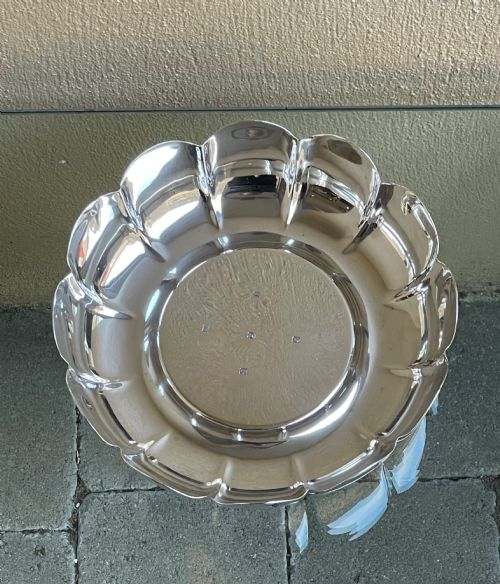
Irish Georgian tableware silver brings solid sterling silver serving utensils, dish rings, and sugar baskets to the dining table from the Georgian period.
Irish Georgian Tableware Silver
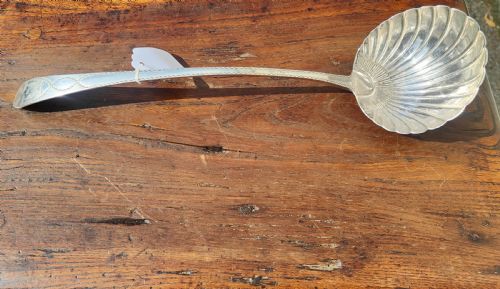
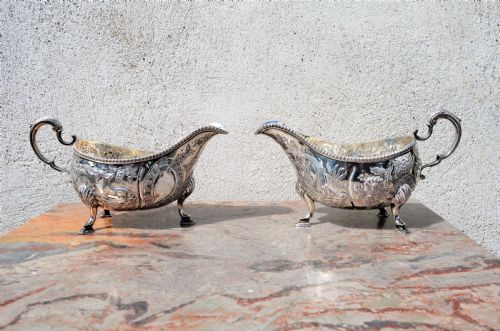
When buyers search for Irish Georgian tableware silver, they encounter functional dining items produced in silver across the eighteenth century and subsequent revival periods. The selections include ladles, sugar tongs, cream jugs, and sauce boats designed for formal dining and tea service.
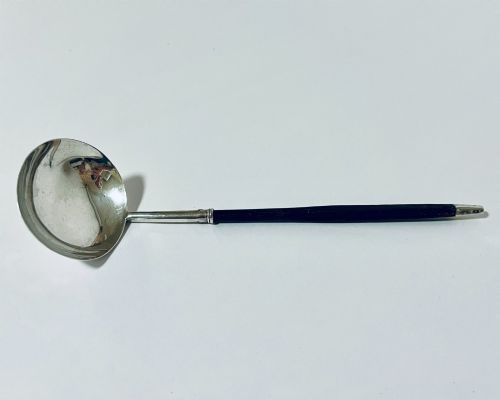
The versions most frequently met on this page span the Georgian era alongside later nineteenth-century pieces and twentieth-century revivals. Forms range from heavy punch ladles and basting spoons to openwork dish rings and oval sugar baskets fitted with cobalt blue glass liners.
How they were made
These items rely on solid sterling silver, shaped through traditional smithing techniques into bowls, spoons, and hollowware. Master silversmiths utilised hammering and casting methods to form thick, durable walls for heavy service use.
Certain objects incorporate contrasting elements, combining sterling silver frames with cobalt blue glass inserts for sugar baskets and dish rings. Wood also appears as a structural material in specific serving pieces.
Listings feature sterling silver, glass, wood, and cobalt blue glass across the eighteenth, nineteenth, and twentieth centuries.
What varies in quality
The standard of an item rests upon the weight of the sterling silver and the crispness of chased or engraved decoration. Substantial gauge silver provides a reassuring heft in the hand, whereas lighter pieces lack the same robust presence during service.
Proportion and balance dictate the aesthetic success of ladles and spoons, while intricate piercing defines the elegance of dish rings and sugar baskets. Masterful execution of crests and heraldic engraving separates workshop output.
Michael Smith
The Irish Georgian Tableware Silver Glossary
- Sterling silver
- A silver alloy containing 92.5 percent pure silver and 7.5 percent other metals, traditionally copper, ensuring structural durability for tableware.
- Dish ring
- A spool-shaped stand, often called a potato ring, placed on the dining table to protect surfaces from hot serving dishes.
- Sugar basket
- An openwork or pierced basket, frequently lined with cobalt blue glass, designed to hold lump sugar during tea service.
- Punch ladle
- A long-handled utensil utilised for serving punch from a communal bowl, usually featuring a generous silver bowl.
Irish Georgian Tableware Silver: Frequently Asked Questions
How were silver dish rings used?
Dish rings served as protective stands placed on the dining table beneath hot bowls or dishes. They prevented heat damage to polished wood surfaces.
Over time, these pierced silver cylinders evolved into decorative centrepieces for the dining table. Their openwork frames often displayed intricate repoussé decoration depicting pastoral scenes or floral motifs.
How do I care for antique silver?
Regular, gentle cleaning with a soft cloth and specialist silver polish preserves the finish without wearing down engraved details. Storing pieces in a dry environment prevents tarnishing.
Avoiding harsh abrasives ensures the original surface texture remains intact. Proper handling during daily use protects delicate hollowware and thin structural elements.
How do I identify Georgian silver?
Examination of official hallmarks stamped into the metal reveals the assay office, date letter, and maker's mark. Dublin silver typically displays the Hibernia stamp alongside the crown and harp. Nomenclature and stylistic cues such as Georgian Rococo or Regency forms help corroborate the production period. Comparing weight and construction techniques provides further confirmation of authenticity.