
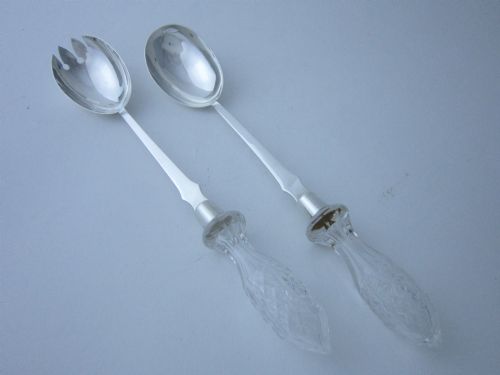


Sterling Silver Serving Tongs
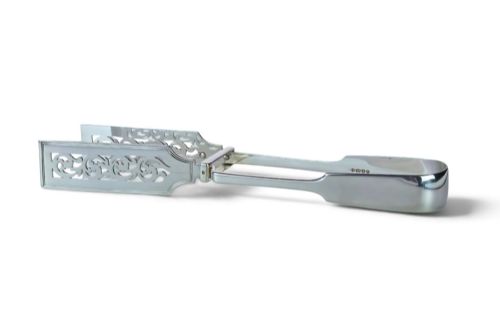
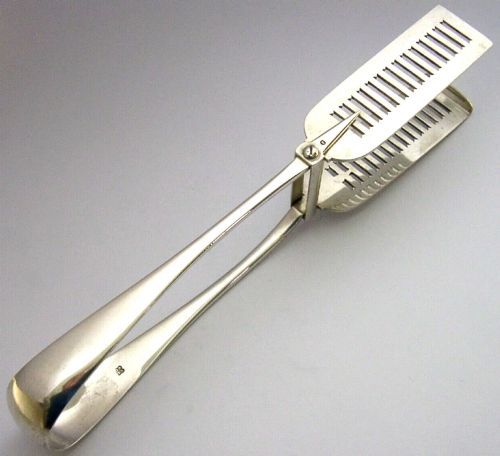
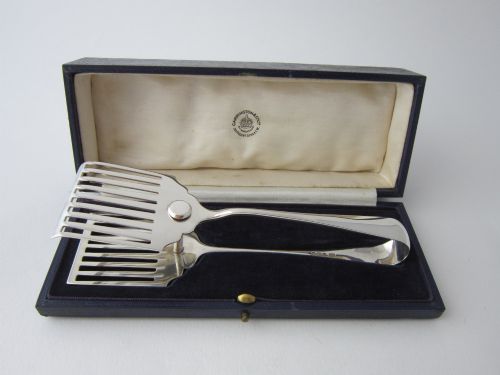
Sterling silver serving tongs are functional silver utensils designed for handling food items at table, offering both utility and craftsmanship.
Sterling Silver Serving Tongs
Sterling silver serving tongs encompass a range of dining implements created for transferring food, from asparagus and sandwiches to pastries and sugar. When exploring sterling silver serving tongs, buyers encounter forms spanning the Georgian, Victorian, Edwardian, and Art Deco periods, alongside later twentieth-century examples.
The selection includes specialised utensils such as asparagus tongs, sandwich tongs, sugar nips, and salad servers incorporating cut glass. Pieces originate from British makers as well as international workshops, displaying diverse stylistic influences from Classical Revival to Art Nouveau.
How they were made
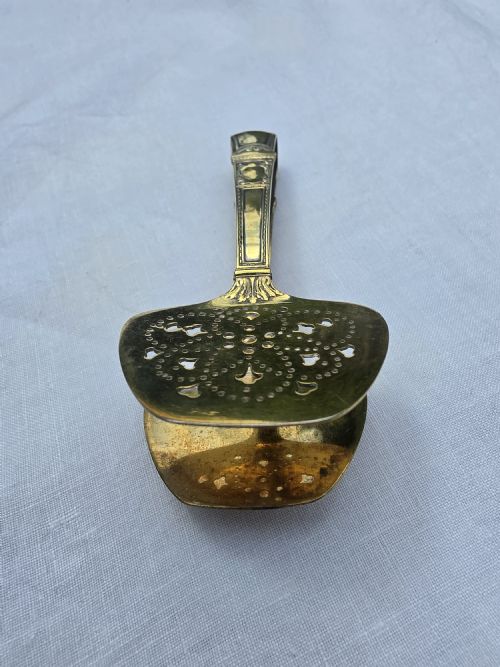
Makers fashioned these utensils primarily from sterling silver, occasionally applying silver gilt for decorative effect. Certain designs integrate cut glass components, particularly within salad servers requiring combined material construction.
Construction techniques involve shaping, casting, and piercing metal to form spring mechanisms and decorative terminals. Engraved family crests and patterned handles, such as Hanoverian or Kings designs, demonstrate period-specific silversmithing methods.
Listings feature sterling silver serving tongs spanning from the eighteenth century through the Art Deco period, including specialised asparagus, sandwich, and sugar variants.
What varies in quality
Substantial weight and gauge of silver distinguish heavier examples from lighter counterparts, influencing the rigidity and balance of the utensil. Superior pieces often feature crisp hand-engraving, detailed family crests, and well-executed stylistic motifs characteristic of recognised silversmiths.
The integrity of the spring mechanism and the retention of original gilding or cut glass elements determine the preservation standard of individual pairs.
Tiffany and Company·Georg Jensen·Wilkes Booth·Arthur Stone
The Sterling Silver Serving Tongs Glossary
- Sterling silver
- An alloy containing 92.5 percent silver and 7.5 percent other metals, typically copper, used widely in British tablewares. This standard composition ensures durability while maintaining a bright metallic lustre.
- Silver gilt
- Sterling silver that has been coated with a thin layer of gold on the surface. This technique provides a rich two-tone appearance, frequently seen on pastry and dessert servers.
- Rat tail
- A traditional strengthening ridge running down the back of the bowl or terminal of a utensil. Originating in earlier centuries, this feature occasionally appears on Edwardian salad servers.
- Hanoverian
- A distinct handle pattern featuring a central ridge down the front and a upturned terminal. This classic profile appears on various serving implements across different manufacturing periods.
- Sugar nips
- Small, spring-action tongs specifically designed for grasping sugar lumps. They often incorporate ornate piercing and shell-shaped grips.
Sterling Silver Serving Tongs: Frequently Asked Questions
What foods were sterling silver serving tongs used for?
These implements served specific dining purposes depending on their shape and span. Specialised forms handled delicate asparagus spears, sandwiches, pastries, and sugar lumps during formal meals.
Larger versions accommodated general vegetable serving or cake distribution at dining tables. The design of the arms and terminals dictated the exact food item the utensil was intended to grasp.
How do I identify the period of sterling silver serving tongs?
Dating relies heavily upon hallmarks stamped into the metal, which indicate the assay office, date letter, and maker's mark. Stylistic indicators, such as Art Deco geometric lines or Victorian floral engraving, offer further chronological clues.
Comparing the manufacturing style and pattern name helps narrow down the era of production. Consulting official assay office records provides precise confirmation of a piece's age.
Can I use antique serving tongs for modern dining?
These utensils remain fully functional for contemporary dining and entertaining purposes. Their robust silver construction suits the handling of modern food presentations, from canapés to roasted vegetables.
Proper hand washing and careful storage ensure the silver remains undamaged during regular use. Using them at the table connects modern hosts with historical dining traditions.
How should I care for antique silver serving tongs?
Regular maintenance involves gentle cleaning with warm water and mild soap, followed by thorough drying with a soft cloth. Avoiding harsh abrasive cleaners protects the underlying silver and any engraved crests from wear.
Occasional polishing with a specialised silver cloth helps maintain the polished appearance. Storing the pieces in dry, tarnish-resistant compartments preserves the metal over time.