


Silver Scissor Tongs
These silver scissor tongs are nimble, characterful implements designed for sugar, grapes, and tea, offering a tactile piece of dining history.
Silver Scissor Tongs
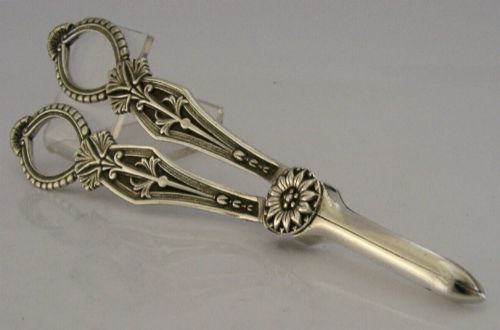
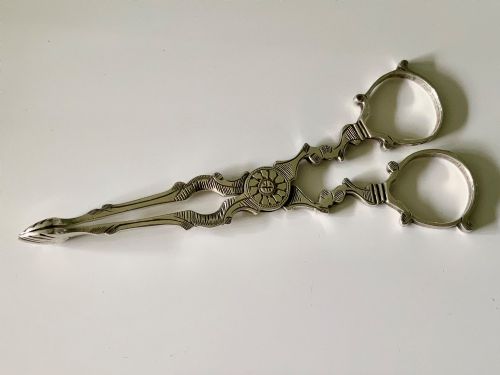
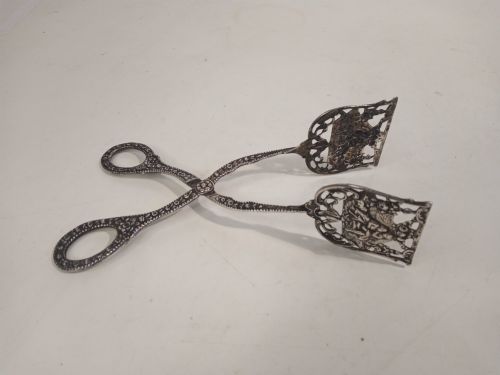
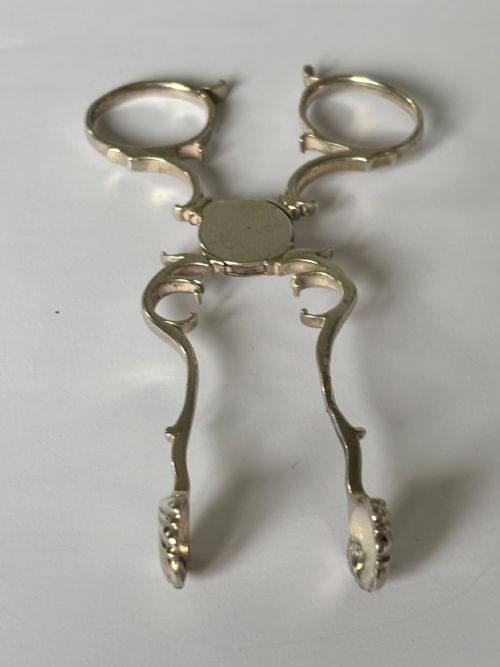
When you search for silver scissor tongs, you are looking at small, hinged serving implements designed with finger loops much like ordinary scissors rather than the usual sprung bow shape. These versatile utensils appear in several distinct forms across our inventory, most frequently as sugar tongs, sugar nips, serving tongs, and specialised grape shears or cake tongs. The examples you encounter span a wide chronological range, taking in early Georgian pieces, Victorian ornate creations, Edwardian designs, and mid-twentieth-century barware.
The materials recorded across these pieces are sterling silver and silver, sometimes carrying hallmarks from London, Chester, or continental workshops. Stylistic variations are broad, encompassing plain Georgian forms, Gothic Revival heavy execution, and naturalistic foliate designs. You will also find novelty items such as harlequin jester sugar nips alongside French spring-loaded scissor servers and German silver cake tongs.
How they were made
Makers utilised sterling silver and standard silver, shaping the metal through casting, piercing, and hand-forging. The finger loops and pivot joints required careful smithing to ensure a smooth, balanced action when operating the blades or bowls.
Decoration was achieved through hand-engraving, chasing, and openwork piercing, particularly evident in the foliate patterns and intricate Gothic Revival motifs. Heavier barware and grape shears relied on thicker gauge silver to provide the necessary leverage for cutting fruit stems or handling heavier items.
Materials across these listings are strictly confined to silver and sterling silver, spanning periods from mid-eighteenth century to the late 1960s.
What varies in quality
The distinction between ordinary and exceptional silver scissor tongs lies in the crispness of the hand-chased detail and the weight of the silver used. Heavier gauges prevent flex in the arms during use, ensuring the pivot remains tight and responsive over decades of service.
Maker reputation and hallmarking clarity also dictate standing, with identifiable master makers commanding greater interest. The sophistication of the piercing on the bowls or the sculptural ambition of figural grips, such as jester motifs, elevates a utilitarian implement into a work of miniature art.
Thomas Tookey·Francis Higgins
The Silver Scissor Tongs Glossary
- Sugar nips
- Small scissor-action implements designed specifically for snipping portions from a sugar loaf before the general adoption of granulated sugar cubes. They feature small spoon-like bowls or sharp edges to grip the hardened cone.
- Grape shears
- Specialised scissors used at the dining table for cutting small clusters of fruit from the main vine without bruising the surrounding grapes. They often display robust handles and longer blades suited to the task.
- Sterling silver
- An alloy comprising a high proportion of pure silver combined with small quantities of other metals to increase durability. This standard is frequently denoted by official assay office hallmarks.
- Harlequin jester
- A decorative figural motif depicting a traditional jesters head or costume incorporated into the handle design of small silver items. It was particularly popular during the late Victorian and Edwardian periods.
- Foliate design
- Ornamental carving or engraving that imitates leaves, foliage, and natural plant tendrils. This style appears frequently on nineteenth-century domestic silver.
Silver Scissor Tongs: Frequently Asked Questions
What were silver scissor tongs used for?
These implements were historically used at the dining table or tea service for transferring sugar lumps, cutting sections from a sugar loaf, or snipping grapes.
Heavier examples served broader functions, including cake service and general hospitality tasks in domestic settings.
How do I date a pair of silver tongs?
Dating relies heavily upon the presence of assay office hallmarks, maker marks, and date letters stamped directly into the silver.
Stylistic indicators, such as the naturalistic foliate engraving of the Victorian era or the plain lines of early Georgian work, also provide reliable clues.
Are silver scissor tongs difficult to care for?
Looking after these pieces requires simple, gentle washing in warm soapy water followed by thorough drying with a soft cloth to protect the metal.
Frequent aggressive polishing is generally discouraged to preserve the original hallmarks and delicate surface detail.
What is the difference between tongs and nips?
Traditional sugar tongs often feature a sprung bow shape that requires pinching, whereas sugar nips utilise a scissor action with finger rings.
Scissor actions offer greater mechanical leverage, which proved particularly useful when breaking pieces from a hard sugar loaf.